Quick Facts About Vishnuprayag
| Entry Fee | Free |
| Timings | 06:00 - 19:00 |
| Altitude (m) | 1372 |
| Ideal Visit Duration (hrs) | 1 |
| Best Time of Day | Morning |
| Crowd Level | Moderate |
| Distance from City Centre (km) | 35 |
| Walking Difficulty | Easy |
| Parking Available | No |
| Last Mile Access | Walk |
| Suitable for Kids | Yes |
| Suitable for Seniors | Yes |
| Wheelchair Friendly | No |
Why Visit Vishnuprayag Joshimath
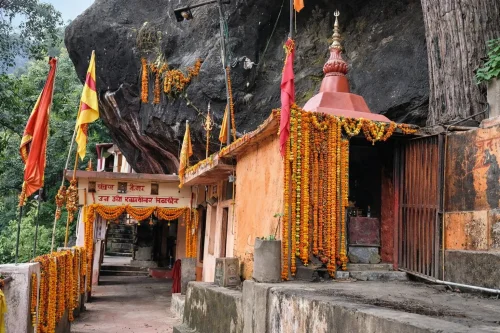
Vishnuprayag is a sacred confluence that holds immense religious and cultural significance, attracting devotees who come to perform rituals, offer prayers, and seek blessings. It is an important stop for pilgrims on the Char Dham Yatra, enhancing its spiritual value.
The atmosphere at Vishnuprayag is serene and meditative, with the sound of flowing rivers, lush Himalayan greenery, and cool mountain air creating a calming environment. Visitors can enjoy the tranquil surroundings, reflecting on the spiritual energy of this revered confluence.
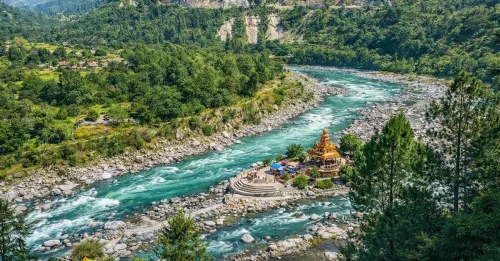
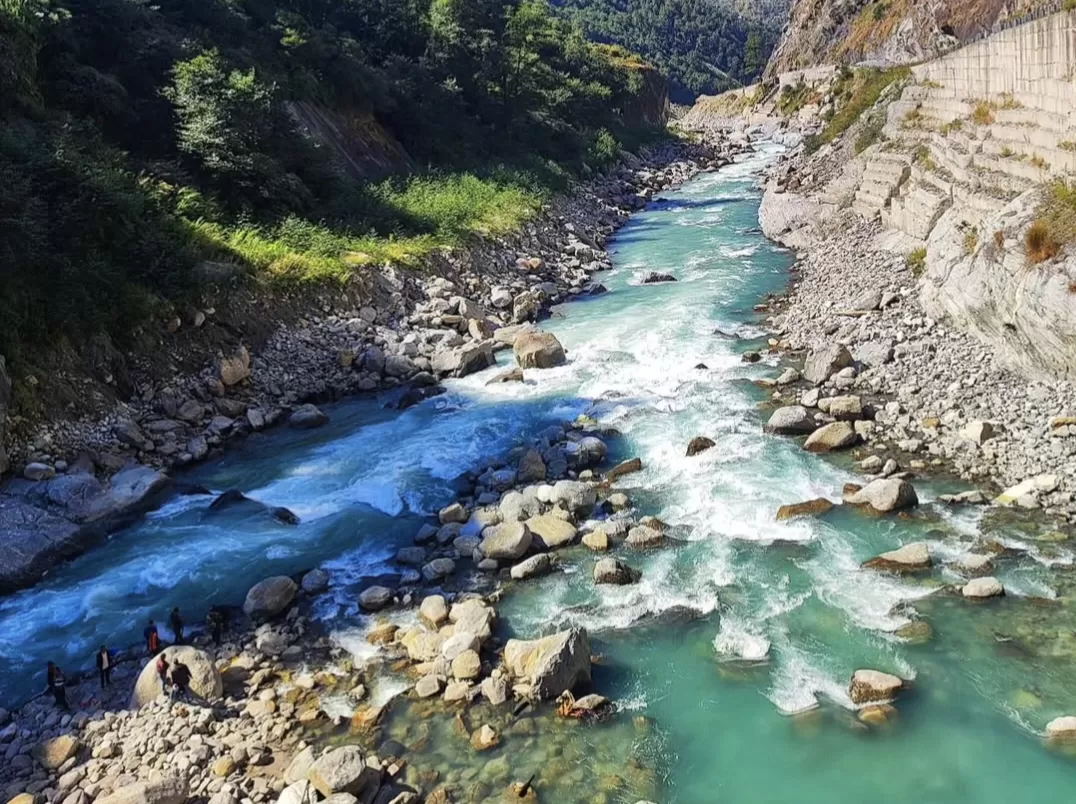
What makes Vishnuprayag special is the unique meeting point of the Alaknanda and Dhauliganga rivers, forming a visually stunning natural spectacle. The combination of spiritual importance, scenic beauty, and the flowing rivers makes it a memorable destination for both devotees and nature lovers.
Religious Significance
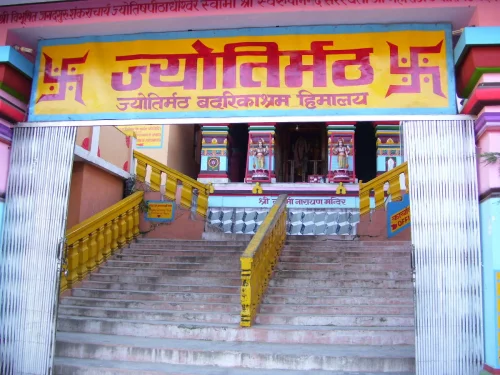
Vishnuprayag is one of the five sacred confluences of the Alaknanda River, known as Panch Prayags, and holds profound spiritual importance in Hindu tradition. It is named after Lord Vishnu, and devotees believe that offering prayers at this confluence brings blessings, prosperity, and spiritual purification.
The site has been revered for centuries and is an integral part of the Char Dham pilgrimage route. Pilgrims perform rituals and ceremonies at the confluence, honoring the rivers and the divine forces they represent. The blending of the Alaknanda and Dhauliganga rivers symbolizes the union of natural and spiritual energies, making Vishnuprayag a key religious landmark in Uttarakhand.
Best Time to Visit Vishnuprayag Joshimath
The ideal time to visit Vishnuprayag is from March to June and September to November, when the weather is pleasant, skies are clear, and the river waters are calm and scenic. These months are perfect for spiritual visits, photography, and enjoying the natural surroundings.
Early morning visits are recommended for a peaceful experience and to witness rituals at the confluence, while late afternoons provide soft light for photography and a tranquil environment.
- March to June and September to November for mild weather and clear skies
- Early morning (6:00 AM – 9:00 AM) for serene spiritual ambience and rituals
- Late afternoon (4:00 PM – 6:00 PM) for calm surroundings and scenic photography
- Monsoon season (July–August) brings lush greenery but can make rivers swollen and paths slippery
- Winter (December–February) is quiet and peaceful, ideal for solitude and reflection
- Festivals and pilgrimage season attract more devotees, creating a vibrant spiritual atmosphere
How to Reach Vishnuprayag Joshimath
- By Air: The nearest airport is Jolly Grant Airport, Dehradun, approximately 250 km from Vishnuprayag. From the airport, taxis or private cabs can be hired to reach Joshimath, followed by a short drive to the confluence.
- By Train: Rishikesh Railway Station is the closest railhead, around 230 km away. From Rishikesh, taxis, buses, or shared cabs connect to Joshimath.
- By Road: Vishnuprayag is accessible via NH7 and mountain roads from major Uttarakhand towns such as Rishikesh, Haridwar, and Dehradun. Private vehicles, taxis, and state-run buses can reach Joshimath, with the confluence a short drive from the town center.
- Local Transport: From Joshimath town, taxis or shared cabs drop visitors near the river confluence. Walking along the short paved paths leads directly to the site.
- Parking: Limited parking is available near the viewpoint. Small to medium vehicles are recommended due to narrow hill roads.
- Walking Access: The last stretch to the confluence is easy and mostly flat, suitable for all visitors including seniors and children.
What to Expect When You Visit Vishnuprayag Joshimath
- A sacred and spiritually uplifting environment, attracting pilgrims performing rituals and offering prayers at the river confluence.
- Breathtaking views of the Alaknanda and Dhauliganga rivers merging amidst lush Himalayan landscapes.
- Opportunities for photography, especially capturing the scenic river junction, surrounding hills, and early morning mist.
- Peaceful pathways along the riverbanks, ideal for meditation, reflection, and quiet walks.
- Local vendors offering prasad, religious items, and souvenirs near the site.
- Moderate crowd levels, with peak influx during religious festivals and pilgrimage season.
- Family-friendly location suitable for kids and seniors, with mostly flat walking paths.
- A serene stop for trekkers and travelers on the Char Dham pilgrimage route, combining spiritual and natural experiences.
Important Visitor Information
- Crowd & Weather Notes: Vishnuprayag experiences moderate visitors throughout the year, with peak crowds during religious festivals and Char Dham pilgrimage season. Weather is most pleasant from March to June and September to November. Monsoon season (July–August) can make paths slippery, while winter months (December–February) are cold but peaceful.
- Peak Hours: 10:00 AM – 4:00 PM, especially during festivals and weekends.
- Quiet Hours: Early morning (6:00 AM – 9:00 AM) and late afternoon (4:00 PM – 6:00 PM) offer a calm and serene experience.
- Dress Code: Modest and comfortable clothing is recommended. Carry light jackets or sweaters in winter and rain gear during monsoon. Comfortable walking shoes are advised.
- Safety Notes: Stay on designated paths near the river, supervise children, and avoid slippery rocks or edges. Carry water and light refreshments, especially during longer visits.
Photography and Viewpoint
- River Confluence Views: Vishnuprayag offers stunning views where the Alaknanda and Dhauliganga rivers meet, ideal for landscape and nature photography.
- Golden Hour Photography: Early mornings and late afternoons provide soft, warm light that enhances the colors of the rivers and surrounding Himalayan hills.
- Scenic Surroundings: Capture panoramic shots of lush green hills, flowing rivers, and the natural beauty of Joshimath region.
- Religious and Cultural Shots: During festivals or Char Dham pilgrimage season, devotees performing rituals add a vibrant cultural element to photographs.
- Natural Framing Opportunities: Trees, rocks, and riverbanks can be creatively used to frame the confluence and surrounding landscape in photos.
- Tips for Visitors: Use a wide-angle lens for panoramic shots of the rivers and hills. A tripod is helpful for low-light photography or long-exposure shots of flowing water.
- Viewpoint Advantage: The site’s elevated viewpoint allows unobstructed vistas of the confluence, making it perfect for capturing both the natural beauty and spiritual ambiance.