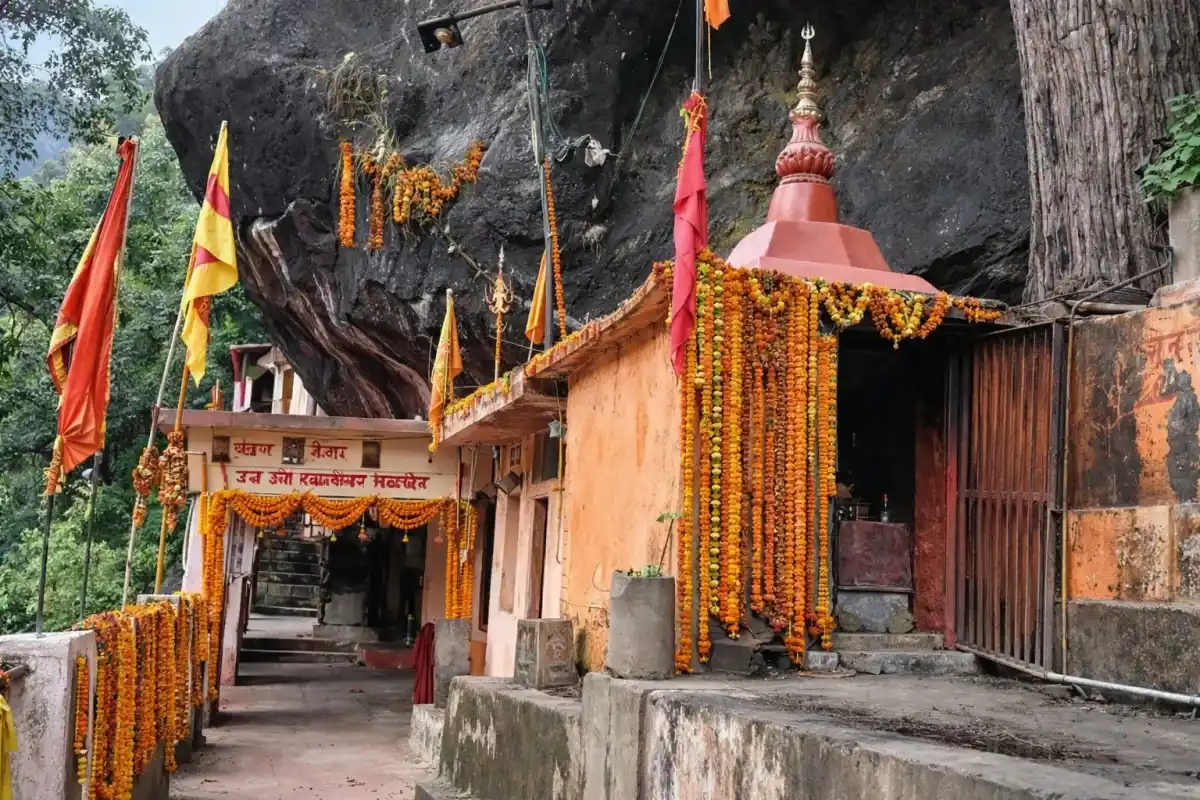
Kalpeshwar Temple – Ancient Panch Kedar Shiva Shrine in Urgam Valley

Shri Kalpeshwar Temple , Joshimath
Tourists visit Kalpeshwar Temple as it is the only Panch Kedar shrine accessible throughout the year without heavy trekking. The temple is reached via road up to Urgam village followed by a short walk, and it is known for its cave-like sanctum and quiet Himalayan valley setting.

Quick Facts About Shri Kalpeshwar Temple

Kalpeshwar Temple, Uttarakhand Quick Facts

Entry Fee No entry fee
Timings Generally open throughout the day during pilgrimage season; timings may vary based on local weather and temple management
Altitude (m) Approximately 2,200 m above sea level
Ideal Visit Duration 30–60 minutes at the temple; 1–2 days including trek approach
Best Time of Day Morning for darshan and clearer mountain weather conditions
Crowd Level Low to moderate; increases during Char Dham/Yamunotri–Kedarnath pilgrimage season
Distance from City Centre (km) Approximately 12 km trek from Helang village (nearest motorable point)
Walking Difficulty Moderate; short Himalayan trek with gradual ascent and forest sections
Parking Available Limited parking available at Helang and nearby roadhead areas
Last Mile Access Accessible only by trekking from Helang; no direct motorable road to the temple
Suitable for Kids Not recommended for very young children due to trekking requirement
Suitable for Seniors Partially suitable for fit seniors with trekking experience
Wheelchair Friendly No; trekking path makes wheelchair access not possible

Why Visit Kalpeshwar Temple, Uttarakhand

Visitors come to Kalpeshwar Temple to worship Lord Shiva at the only year-round accessible shrine among the Panch Kedar circuit. It attracts pilgrims who travel through the Urgam Valley after reaching Helang, making it a focused spiritual destination in the higher reaches of Uttarakhand.

The on-ground atmosphere is quiet and deeply rural, with small settlements, terraced fields, and forested paths leading to the stone temple. Daily worship continues in a simple setting where visitors often experience long periods of silence broken only by local rituals and natural sounds.

What makes Kalpeshwar Temple distinct is its accessible pilgrimage status within an otherwise remote Himalayan valley, allowing visitors to reach an important Shiva shrine without seasonal restrictions. The combination of a functioning temple and isolated mountain environment creates a grounded spiritual experience unique to this part of Uttarakhand.

History of Kalpeshwar Temple, Uttarakhand

Kalpeshwar Temple is a sacred Shiva shrine located in the Urgam Valley of the Garhwal Himalayas in Uttarakhand. It is one of the Panch Kedar temples and is traditionally considered the only shrine in this group that remains accessible throughout the year.

The temple is associated with ancient Shaivite traditions and is linked in mythology to the Pandavas, who are believed to have worshipped Lord Shiva here during their search for forgiveness after the Kurukshetra war. This connection forms a key part of its religious importance.

Kalpeshwar continues to be an active pilgrimage site for devotees visiting the Panch Kedar circuit, maintaining its long-standing significance in the spiritual landscape of Uttarakhand.

Best Time to Visit Kalpeshwar Temple, Uttarakhand

Kalpeshwar Temple, located in the remote Urgam Valley of the Garhwal Himalayas, is best visited during the official trekking and pilgrimage window when trails are open and road access to the valley remains stable enough for onward travel on foot.

  • Ideal Months: May to June and September to October are the most suitable months for visiting Kalpeshwar Temple.
  • Weather Conditions: These periods generally provide stable trekking conditions, clear skies, and moderate temperatures in the Urgam Valley, making the forest approach and temple visit more manageable.
  • Periods to Avoid: July to August should be avoided due to heavy monsoon rainfall, which can cause slippery trekking paths and landslides in the region. Winter months are also challenging because heavy snowfall and extreme cold can restrict access to the temple.

How to Reach Kalpeshwar Temple, Uttarakhand

  • By Air: The nearest airport is Jolly Grant Airport, Dehradun, located approximately 220–240 km from Helang/Urgam Valley roadhead, which serves as the base for Kalpeshwar trek. From the airport, travel continues by road via Rishikesh, Rudraprayag, Karnaprayag, and Helang.
  • By Train: The nearest railway stations are Rishikesh (around 200–220 km to Helang) and Haridwar (around 230–250 km). From both stations, onward travel is only by road to Helang or Urgam Valley via Karnaprayag and Joshimath region.
  • By Road: Kalpeshwar Temple is not directly accessible by motorable road. The last road point is Urgam Valley (near Helang), which is connected by road from Joshimath via Pipalkoti–Helang route. From Urgam Valley, a short trek of approximately 2–3 km leads to the temple through village paths and forest terrain. Road conditions in the region can be affected by landslides, narrow mountain stretches, and seasonal weather disruptions, especially during monsoon and winter snowfall periods.

What to Expect When You Visit Kalpeshwar Temple, Uttarakhand

  • Kalpeshwar Temple is located in the Urgam Valley of Chamoli district, surrounded by dense forests, terraced fields, and steep Himalayan slopes, with a remote village landscape typical of the lower Garhwal Himalayas.
  • The temple environment is quiet and rural, with a strong spiritual atmosphere and minimal commercial development. The site is smaller and more isolated compared to other Panch Kedar temples.
  • Facilities are basic, including a few small guesthouses, local homestays, and limited food options run by villagers. Medical and emergency services are not immediately available at the temple site.
  • Accessibility involves a combination of road travel up to Urgam Valley followed by a short trek or walk through village paths and forested terrain. The final approach may include uneven and narrow trails.
  • Visitor movement is generally slow and calm, with small groups of pilgrims and trekkers visiting throughout the day. During peak pilgrimage season, accommodation in nearby villages can become limited.
  • Weather conditions vary significantly by season, with cold winters, pleasant summers, and monsoon rains that can affect road stability and trail conditions, occasionally causing travel delays.
  • Visitors typically come for darshan, meditation, and quiet time in a natural setting rather than extended sightseeing, with limited noise and minimal infrastructure around the temple area.

Important Visitor Information for Kalpeshwar Temple, Uttarakhand

  • Kalpeshwar Temple, part of the Panch Kedar circuit, experiences higher pilgrim activity during the Char Dham Yatra season (May–June and September–October), while winter months remain relatively quiet due to harsh cold conditions in the region.
  • Early morning hours are considered the most peaceful for darshan, whereas midday sees moderate visitor flow from trekking pilgrims arriving via the Urgam Valley route.
  • The valley experiences cool summers and cold winters, with monsoon rains making the narrow approach roads and trekking paths slippery and occasionally difficult to navigate.
  • Modest and warm clothing is recommended due to the temple’s rural high-altitude setting, with layered woolens often necessary even during summer mornings.
  • Access involves a trek through Urgam Valley after road travel to the nearest motorable point; uneven terrain and forest stretches require steady footing and physical preparedness.
  • Visitors should exercise caution on stone paths and river-crossing sections en route, especially during monsoon when water flow and ground slipperiness increase significantly.

Photography and Viewpoints at Kalpeshwar Temple, Uttarakhand

  • The most authentic framing of Kalpeshwar Temple is from the small courtyard area, where the stone Shiva shrine can be captured against the narrow Urgam Valley and surrounding forested cliffs.
  • Angles from the approach trail descending into Urgam Valley provide layered compositions of terraced fields, traditional stone houses, and the temple nestled within the green Himalayan slopes.
  • Morning light is the most suitable for photography, as sunlight enters the valley gradually, illuminating the temple façade and reducing shadow-heavy contrast in the narrow gorge setting.
  • Afternoon hours bring deeper valley shadows, but occasional breaks in cloud cover can highlight the temple roof and nearby vegetation with soft diffused light.
  • Photography inside the sanctum may be restricted during ???? rituals, and visitors are expected to maintain silence and avoid flash or close-range shooting inside sacred areas.
  • Visitor crowd levels remain relatively low compared to other Panch Kedar sites, but seasonal pilgrimage flow during summer months can briefly limit access to the main courtyard viewpoint.
  • Access to Kalpeshwar is via a short trek through Urgam Valley, and all photography viewpoints are dependent on trail conditions, seasonal weather, and local village pathways.

Near By Attraction

 Temple

Adi Shankaracharya temple

Adi Shankaracharya Temple is a Hindu temple associated with the philosopher and saint Adi Shankaracharya, located in Jyotirmath (Joshimath), Uttarakhand, India.
 River

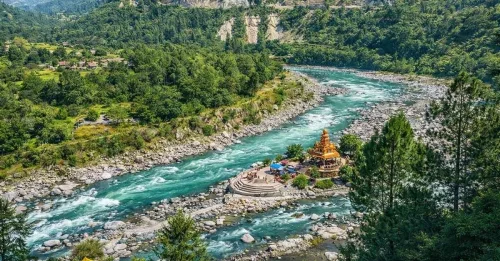
Nandaprayag

Nandaprayag is a town located at the confluence of the Alaknanda and Nandakini rivers in India.
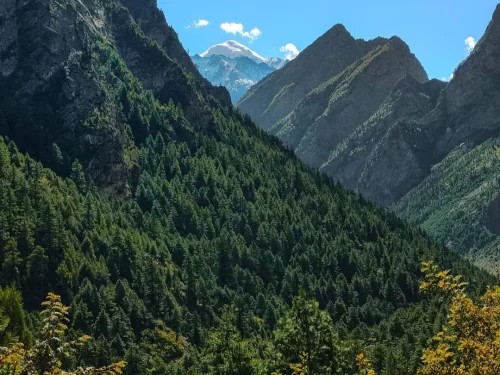
Nanda Devi peak rising above dense pine forests in Nanda Devi National Park near Joshimath, a scenic highlight included in Uttarakhand tour packages National Park

Nanda Devi National Park

Nanda Devi National Park is a high-altitude protected area located near Joshimath in Chamoli district, Uttarakhand, India.

Frequently Asked Questions About Shri Kalpeshwar Temple

Loved this place ? Let’s Plan Your Uttarakhand Trip

Get customized Uttarakhand tour planning designed around seasonal weather changes, hill road travel timing, pilgrimage flow, and comfort-based pacing. Whether you are visiting for spiritual journeys, Himalayan views, wildlife reserves, river valleys, or p

⚡ Quick Response | 💰 Free consultation | 🕒 24×7 expert support

×

Plan Your Trip