Adi Shankaracharya Temple – Historic Spiritual Site in Jyotirmath

Adi Shankaracharya temple , Joshimath
Tourists visit Adi Shankaracharya Temple for its connection to Adi Shankaracharya and the establishment of the Jyotir Math, one of the four cardinal monasteries of Hindu tradition. The site is an important stop for pilgrims and visitors interested in the religious history of the Himalayas.

Quick Facts About Adi Shankaracharya temple

Adi Shankaracharya Temple, Jyotirmath (Joshimath), Uttarakhand Quick Facts

Entry Fee No entry fee
Timings Generally open daily from early morning to evening; timings may vary during religious ceremonies and festivals
Altitude (m) Approximately 1,875 m above sea level
Ideal Visit Duration 30 minutes to 1 hour
Best Time of Day Morning for a quieter atmosphere and temple rituals
Crowd Level Low to moderate; higher during Char Dham season and religious events
Distance from City Centre (km) Approximately 1 km from Joshimath town centre
Walking Difficulty Easy
Parking Available Limited parking available in nearby town parking areas
Last Mile Access Accessible by road followed by a short walk within the temple complex
Suitable for Kids Yes
Suitable for Seniors Yes
Wheelchair Friendly Partially accessible; some sections may involve steps and uneven surfaces

Why Visit Adi Shankaracharya Temple, Jyotirmath, Uttarakhand

Visitors come to Adi Shankaracharya Temple in Jyotirmath to explore a significant spiritual site associated with Hindu philosophy and pilgrimage traditions in the upper Himalayas. The temple is often visited by pilgrims traveling toward Badrinath and by travelers interested in the religious heritage of the region.

The atmosphere is peaceful and contemplative, with temple courtyards, prayer spaces, and views of the surrounding mountain landscape. Daily worship activities and the presence of monks, devotees, and pilgrims contribute to a distinctly spiritual environment.

What makes Adi Shankaracharya Temple distinct is its location within Jyotirmath, one of the most important religious centers in Uttarakhand’s Himalayan belt. The combination of active worship, philosophical significance, and a high-altitude setting offers an experience that extends beyond a typical temple visit.

History of Adi Shankaracharya Temple, Jyotirmath

The Adi Shankaracharya Temple in Jyotirmath is closely associated with Adi Shankaracharya, the 8th-century philosopher and spiritual reformer who played a pivotal role in reviving Hindu philosophy across India. Jyotirmath, also known as Joshimath, was established by him as one of the four cardinal monastic centers (Mathas) of the Advaita Vedanta tradition.

The temple commemorates Adi Shankaracharya's connection with Jyotirmath, where he is believed to have undertaken meditation and spiritual activities. The site remains an important destination for followers of Advaita Vedanta and those interested in the history of Hindu scholarship.

As part of the broader Jyotirmath religious complex, the temple continues to hold significant spiritual and cultural importance, reflecting the enduring legacy of Adi Shankaracharya in the Himalayan region.

Best Time to Visit Adi Shankaracharya Temple, Jyotirmath (Joshimath)

Adi Shankaracharya Temple in Jyotirmath is best visited during the main pilgrimage and post-monsoon seasons, when access routes are generally dependable and the surrounding Himalayan scenery can be enjoyed alongside the site's spiritual significance.
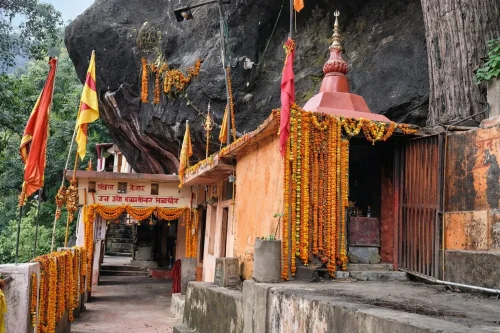
  • Ideal Months: April to June and September to November are the most favorable months for visiting the temple and exploring the wider Jyotirmath area.
  • Weather Conditions: These periods typically offer comfortable daytime temperatures, clearer mountain views, and suitable conditions for walking through the temple complex and nearby religious sites.
  • Periods to Avoid: July to August can bring heavy monsoon rainfall, increasing the risk of landslides and road disruptions on mountain routes. Winter visits are possible, but colder temperatures and occasional snowfall in the region may affect travel convenience.

How to Reach Adi Shankaracharya Temple, Jyotirmath, Uttarakhand

  • By Air: The nearest airport is Jolly Grant Airport, Dehradun, located approximately 270 km from Jyotirmath (Joshimath). The airport has regular flight connectivity with major Indian cities. From Dehradun, visitors can hire taxis or use bus services for the onward mountain journey.
  • By Train: The nearest railway stations are Rishikesh (around 250 km away) and Haridwar (around 275 km away). Both stations are well connected to major destinations across India. Road transport is required from either station to reach Jyotirmath.
  • By Road: Adi Shankaracharya Temple is located within Jyotirmath (Joshimath), a major pilgrimage town on National Highway 7 en route to Badrinath. Regular buses, shared jeeps, and taxis operate from Rishikesh, Haridwar, Dehradun, Chamoli, and nearby towns. The temple can be reached through local roads and a short walk within the town. Mountain road conditions can be affected by landslides, weather-related disruptions, and seasonal pilgrimage traffic, particularly during the Char Dham Yatra period.

What to Expect When You Visit Adi Shankaracharya Temple, Jyotirmath (Joshimath), Uttarakhand

  • The Adi Shankaracharya Temple is situated within Jyotirmath (Joshimath), a historic Himalayan town surrounded by mountain ridges, steep valleys, and dense settlements that serve as an important religious and transit hub in the Garhwal region.
  • The temple complex is relatively modest in scale and forms part of a broader spiritual precinct associated with Adi Shankaracharya and the Jyotir Math tradition. Visitors can expect a calm religious setting focused on worship, meditation, and spiritual study.
  • Basic visitor facilities such as shops, eateries, accommodation, pharmacies, and banking services are available in the surrounding town, while amenities within the temple premises remain limited and primarily intended for pilgrims.
  • Access is straightforward through Joshimath's road network, followed by short walks within the temple complex. Movement may involve stairs, uneven surfaces, and sloping pathways typical of a Himalayan hill town.
  • The site attracts pilgrims, devotees, and visitors interested in Hindu philosophy and monastic traditions. Religious activities, prayers, and quiet observation are the primary visitor experiences rather than sightseeing-oriented attractions.
  • Crowd levels generally remain moderate but can increase during religious festivals, pilgrimage seasons, and special events associated with the Char Dham circuit, occasionally resulting in waiting periods around key shrine areas.
  • Weather conditions can affect the visit experience throughout the year, with cold winters, monsoon rainfall, and occasional fog influencing outdoor movement and visibility within the surrounding mountain landscape.

Important Visitor Information for Adi Shankaracharya Temple, Jyotirmath, Uttarakhand

  • The temple experiences increased visitor activity during the Char Dham pilgrimage season and major Hindu festivals, while non-festival mornings generally provide a quieter and more contemplative atmosphere.
  • Early morning hours are typically the most peaceful time to visit, whereas prayer periods and pilgrimage season afternoons may see higher footfall within the temple complex.
  • Jyotirmath experiences cold winters, particularly from November to February, while monsoon months can bring rain, mist, and occasional travel delays on mountain roads leading to the town.
  • Visitors are expected to wear modest attire appropriate for a sacred Hindu site, with clothing that respectfully covers shoulders and knees.
  • Silence and respectful conduct are encouraged within the temple and surrounding spiritual precincts, especially during religious ceremonies and meditation activities.
  • Care should be taken on stone pathways, steps, and sloping sections around the temple during rainy or winter conditions, when surfaces may become slippery.

Photography and Viewpoints at Adi Shankaracharya Temple, Jyotirmath, Uttarakhand

  • The best photography opportunities are within the Jyotirmath temple complex, where the Adi Shankaracharya Temple, ancient Kalpavriksha tree, and surrounding spiritual structures can be captured together in a single frame.
  • Open sections of the complex provide elevated views toward the Alaknanda Valley and the mountain slopes surrounding Joshimath, offering a backdrop that complements the temple's religious setting.
  • Morning light illuminates the temple courtyard evenly and is particularly suitable for photographing architectural details, stonework, and the sacred precincts before visitor numbers increase.
  • The ancient Kalpavriksha, believed to be several centuries old, is a prominent photographic subject and is best photographed from the designated pathways around its protected enclosure.
  • Photography is generally permitted in outdoor areas of the complex, but restrictions may apply inside prayer halls and sacred spaces; visitors should follow instructions displayed by temple authorities.
  • Religious ceremonies, pilgrimage seasons, and visits associated with the Char Dham route can increase crowd levels, affecting access to key viewpoints around the temple and Kalpavriksha area.
  • The temple is easily accessible within Jyotirmath, and most photography locations are reached via paved pathways without requiring additional trekking or specialized access.

Near By Attraction

 Temple

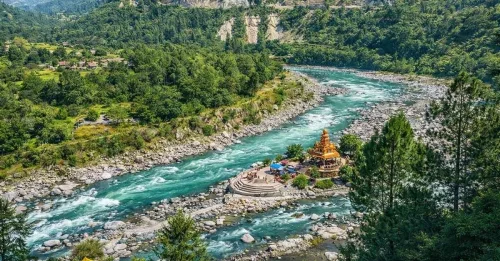
Shri Kalpeshwar Temple

Kalpeshwar Temple is a Hindu temple dedicated to Lord Shiva, located in the Urgam Valley of Chamoli district, Uttarakhand, India.
 River

Nandaprayag

Nandaprayag is a town located at the confluence of the Alaknanda and Nandakini rivers in India.
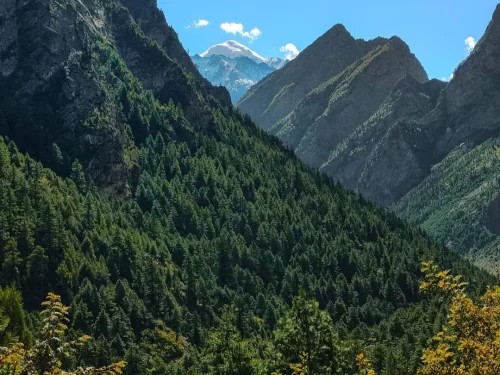
Nanda Devi peak rising above dense pine forests in Nanda Devi National Park near Joshimath, a scenic highlight included in Uttarakhand tour packages National Park

Nanda Devi National Park

Nanda Devi National Park is a high-altitude protected area located near Joshimath in Chamoli district, Uttarakhand, India.

Frequently Asked Questions About Adi Shankaracharya temple

Loved this place ? Let’s Plan Your Uttarakhand Trip

Get customized Uttarakhand tour planning designed around seasonal weather changes, hill road travel timing, pilgrimage flow, and comfort-based pacing. Whether you are visiting for spiritual journeys, Himalayan views, wildlife reserves, river valleys, or p

⚡ Quick Response | 💰 Free consultation | 🕒 24×7 expert support

×

Plan Your Trip
