Quick Facts About Ukhimath Omkareshwar Temple
| Entry Fee | Free |
| Timings | 05:00 - 20:00 |
| Altitude (m) | 1311 |
| Ideal Visit Duration (hrs) | 1 |
| Best Time of Day | Morning |
| Crowd Level | Moderate |
| Distance from City Centre (km) | 1 |
| Walking Difficulty | Easy |
| Parking Available | No |
| Last Mile Access | Walk |
| Suitable for Kids | Yes |
| Suitable for Seniors | Yes |
| Wheelchair Friendly | No |
Why Visit Ukhimath Omkareshwar Temple Guptkashi
Ukhimath Omkareshwar Temple is a vital stop for pilgrims visiting Kedarnath, serving as the winter abode of the Kedarnath deity. Visiting this temple allows devotees to continue their worship during the colder months when the Kedarnath shrine is inaccessible.
The temple’s atmosphere is deeply devotional, with the sounds of bells, chants, and ritual activities creating a serene spiritual environment. Pilgrims often engage in prayers, aarti, and offerings, making the visit a highly reflective and immersive experience.
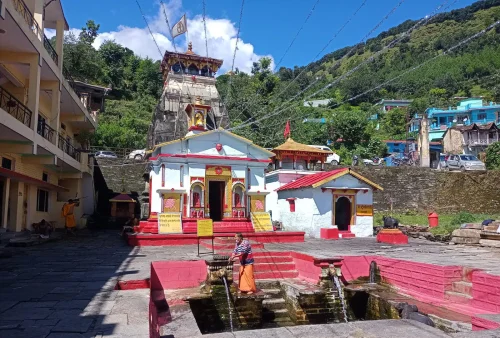
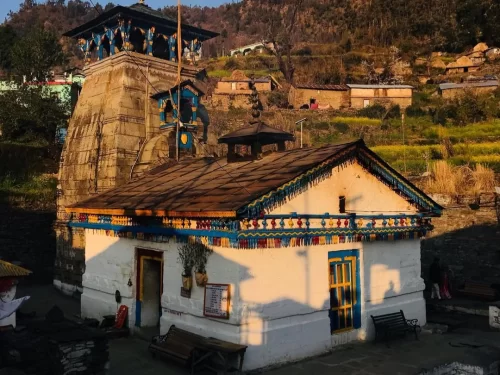
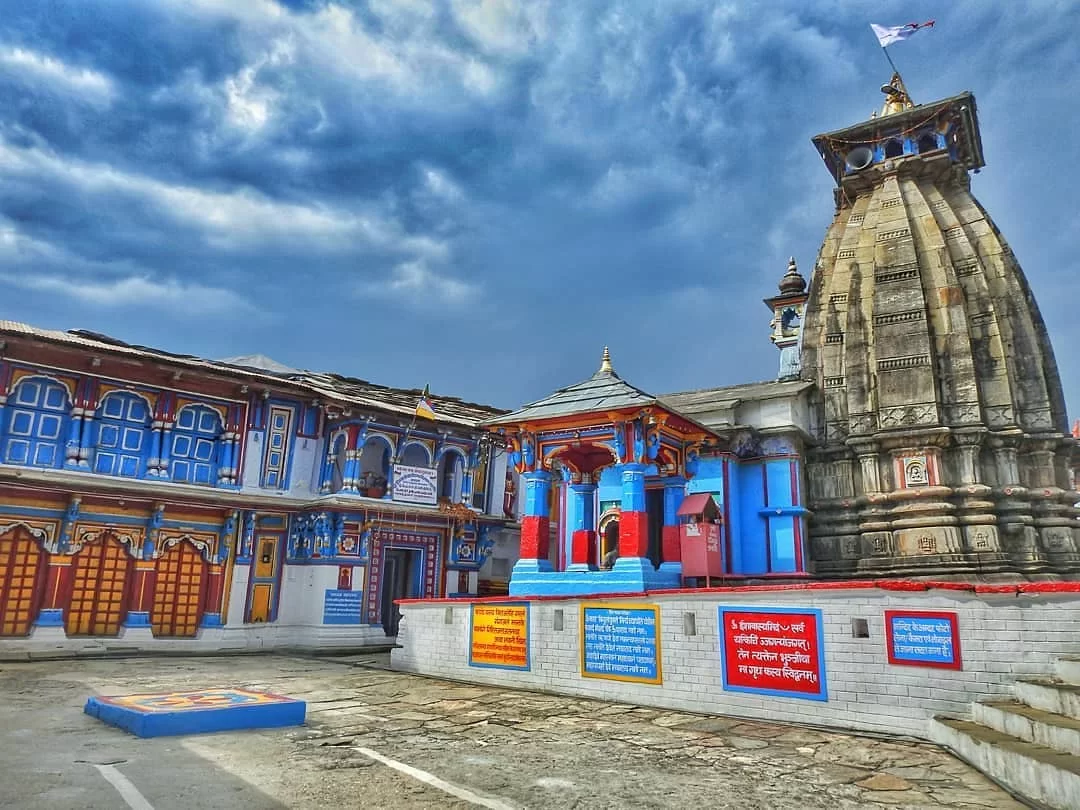
What makes this temple special is its role as a winter seat of the Kedarnath deity, combined with traditional Himalayan stone architecture and centuries-old Garhwali religious practices. The surrounding Himalayan landscape adds scenic value, giving visitors both spiritual and visual fulfillment during their pilgrimage.
Religious Significance of Ukhimath Omkareshwar Temple Guptkashi
Ukhimath Omkareshwar Temple serves as the winter seat of the Kedarnath deity, a tradition followed for centuries. During the harsh Himalayan winters, the deity of Kedarnath is ceremonially moved to this temple, ensuring uninterrupted worship for devotees.
The temple is a hub for regional religious practices and plays a key role in the Char Dham pilgrimage circuit. Festivals such as Maha Shivratri and the Shravan month are celebrated with devotion, attracting local residents and pilgrims. Its architecture reflects traditional Himalayan stone temple design, emphasizing simplicity and spiritual focus, while maintaining the continuity of Garhwali devotional traditions.
Best Time to Visit Ukhimath Omkareshwar Temple Guptkashi
The best time to visit Ukhimath Omkareshwar Temple is when the weather is stable and the pilgrimage routes are safe. Seasonal conditions affect accessibility and comfort, making certain months preferable for a smoother visit.
- March to June: Spring to early summer offers mild temperatures, clear skies, and easy access to the temple. Ideal for darshan and enjoying the Himalayan views.
- September to November: Post-monsoon months provide clear weather, minimal rainfall, and vibrant scenery. This period is excellent for photography and quiet visits.
- July to August: Monsoon season brings heavy rainfall, slippery paths, and occasional minor landslides; caution is advised during travel.
- December to February: Winters are cold, with possible snow in higher altitudes. Suitable only for visitors prepared for low temperatures.
- Best time of day: Early morning (5:00–7:00 AM) for peaceful darshan; late afternoon provides softer light and scenic views.
How to Reach Ukhimath Omkareshwar Temple Guptkashi
- By Road: Ukhimath is connected by road to major towns like Rishikesh (approx. 210 km) and Rudraprayag (approx. 45 km). Private taxis, buses, and self-driven vehicles are available. The temple is a short walk from the main town road.
- By Train: The nearest railway station is Rishikesh, around 210 km away. From there, taxis or buses can reach Ukhimath. The journey takes 6–7 hours on hilly terrain.
- By Air: Jolly Grant Airport, Dehradun, is approximately 230 km from Ukhimath. Taxis and buses are available, but the route is long and winding through the Himalayas.
- Last Mile Access: From the nearest road or parking, visitors need to walk a short paved path to the temple. The path is gentle and accessible for most visitors.
- Tips: Avoid traveling during heavy monsoon rains due to slippery roads. Early morning or late afternoon travel is recommended for comfort and scenic views.
What to Expect When You Visit Ukhimath Omkareshwar Temple Guptkashi
- Spiritual Experience: As the winter seat of the Kedarnath deity, the temple provides a deeply devotional environment where pilgrims can participate in daily aarti and prayer rituals.
- Moderate Crowds: The temple sees moderate footfall year-round, with increased activity during the Char Dham season and festivals like Maha Shivratri.
- Short and Easy Walk: The temple is a short walk from the main town road, mostly paved, making it accessible for children, seniors, and casual visitors.
- Basic Amenities: Drinking water, small shops for offerings, and local stalls are available near the temple. Larger facilities are in Ukhimath town.
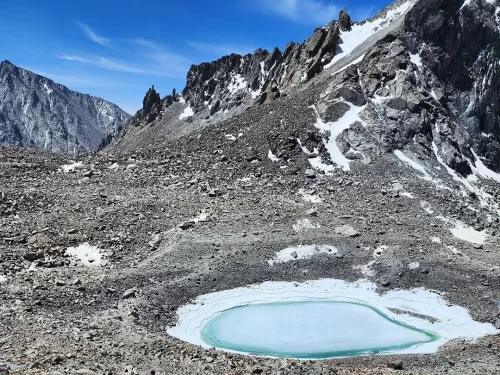
- Scenic Surroundings: The temple is set amid the Garhwal Himalayas, offering panoramic views and opportunities for landscape photography.
- Authentic Cultural Experience: Visitors can observe Garhwali religious practices, local architecture, and traditional rituals, offering a genuine insight into regional devotional life.
- Weather Considerations: Mornings can be cool, winters are cold, and paths may be slippery during monsoon. Comfortable footwear is recommended.
Important Visitor Information
- Crowd & Weather Notes: The temple experiences moderate crowds year-round, with peaks during the Char Dham season (May–October) and festivals like Maha Shivratri. Spring and autumn offer pleasant weather, winters are cold, and monsoon brings slippery paths.
- Peak / Quiet Hours: Early morning (5:00–7:00 AM) is the quietest time for darshan and photography. Late afternoon (4:00–6:00 PM) is also peaceful and suitable for visitors who prefer less crowd.
- Dress Code: Modest clothing covering shoulders and knees is recommended. Footwear must be removed before entering the temple premises.
- Safety Notes: The walk to the temple is short and mostly paved, but uneven surfaces exist. Assistance is recommended for children and seniors. Avoid visiting during heavy rains due to slippery paths.
Photography and Viewpoint
- Temple Architecture Photography: The temple’s traditional Himalayan stone construction and detailed carvings provide excellent subjects for capturing authentic Garhwali religious architecture. Early morning light brings out textures and colors vividly.
- Scenic Himalayan Views: The temple is set against the backdrop of the Garhwal Himalayas, offering panoramic views of hills and valleys. Late afternoon light creates soft shadows ideal for landscape photography.
- Ritual Photography: Visitors can capture daily aarti and ceremonial rituals, especially during festivals when devotees gather in traditional attire. Observing without disturbing the rituals is recommended.
- Landscape Photography: Paths around the temple lead to vantage points for panoramic shots of both the temple and the surrounding mountains. Morning mist adds a dramatic effect for photography.
- Tips for Photographers: Avoid using flash inside the sanctum out of respect for worshippers. A wide-angle lens is recommended for landscape and architectural shots. Weather can change rapidly, so prepare for diffused light conditions.
- Drone Photography: Generally restricted; check local permissions before attempting aerial shots. Surrounding hills naturally frame the temple and valley, enhancing scenic compositions.