Quick Facts About Gaurikund
| Entry Fee | Free |
| Timings | 05:00 - 20:00 |
| Altitude (m) | 1980 |
| Ideal Visit Duration (hrs) | 1-3 |
| Best Time of Day | Morning or Late Afternoon |
| Crowd Level | Moderate to High |
| Distance from Guptkashi (km) | 25 |
| Walking Difficulty | Easy |
| Parking Available | Yes |
| Last Mile Access | Walk |
| Suitable for Kids | Yes |
| Suitable for Seniors | Yes |
| Wheelchair Friendly | Partially |
Why Visit Gaurikund Guptkashi
Gaurikund is the primary base for pilgrims heading to Kedarnath, making it an essential stop on the Char Dham route. The town combines spiritual significance with practical amenities for travelers, including accommodation, guides, and local eateries.
The atmosphere is serene and devotional, with the sound of flowing water from the Mandakini river and the natural hot springs adding a calming element. Pilgrims can participate in rituals at the Gauri Kund temple, offering a spiritual experience even before beginning the trek to Kedarnath.
What makes Gaurikund special is its dual role as a spiritual site and trekking gateway. The natural hot springs, forested surroundings, and proximity to the Himalayan peaks provide a unique blend of devotion, nature, and preparation for the challenging pilgrimage ahead.
Religious Significance of Gaurikund Guptkashi
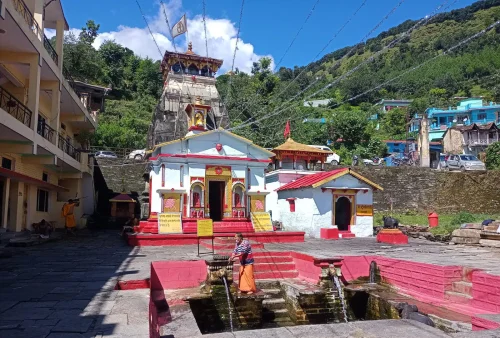
Gaurikund is considered sacred as it houses the Gauri Kund temple, dedicated to Goddess Parvati. According to legend, this is where Parvati performed penance to unite with Lord Shiva, making it a spiritually important site for devotees.
The town is also the starting point for the Kedarnath pilgrimage, connecting pilgrims with one of the twelve Jyotirlingas of Lord Shiva. Pilgrims often offer prayers at Gauri Kund before commencing the 16 km trek to Kedarnath, following age-old rituals that have been maintained for centuries.
Best Time to Visit Gaurikund Guptkashi
The best time to visit Gaurikund is during the Char Dham pilgrimage season when the weather is stable and trekking routes to Kedarnath are open. Seasonal considerations affect comfort, accessibility, and the overall experience.
- April to June: Spring to early summer offers pleasant temperatures, clear skies, and safe trekking conditions. Ideal for pilgrims preparing for the Kedarnath trek.
- September to October: Post-monsoon months bring crisp air, vibrant scenery, and minimal rainfall, making it excellent for photography and pilgrimage activities.
- July to August: Monsoon season can make paths slippery and increase the risk of landslides. Travel is possible but requires caution.
- November to March: Winters bring snow and extreme cold, and trekking routes to Kedarnath are closed. The town itself is quiet but less accessible.
- Best time of day: Early morning is peaceful for visiting the Gauri Kund temple and enjoying the hot springs, while late afternoon provides scenic light for photography.
How to Reach Gaurikund Guptkashi
- By Road: Gaurikund is well-connected by road to Rishikesh (approx. 221 km) and Rudraprayag (approx. 85 km). Private taxis, buses, and shared cabs can reach Gaurikund. The town serves as the starting point for the Kedarnath trek.
- By Train: The nearest railway station is Rishikesh, about 221 km away. From there, taxis or buses can take pilgrims to Gaurikund.
- By Air: Jolly Grant Airport, Dehradun, is around 238 km away. Taxis and buses connect the airport to Gaurikund via the hilly roads of Uttarakhand.
- Last Mile Access: Gaurikund is fully accessible by road; short walking paths lead to the Gauri Kund temple and hot springs within the town.
- Tips: Roads are hilly and winding; travel during daylight is recommended. Carry warm clothing as temperatures can drop even in summer, especially early morning.
What to Expect When You Visit Gaurikund Guptkashi
- Spiritual Preparation: Pilgrims often visit the Gauri Kund temple to offer prayers before starting the Kedarnath trek, creating a devotional atmosphere in the town.
- Natural Hot Springs: The hot water springs near the temple provide a unique experience for relaxation and ritual cleansing.
- Moderate Crowds: The town experiences moderate crowds throughout the year, with heavy footfall during the Char Dham season and festivals.
- Scenic Surroundings: Surrounded by Himalayan forests and the Mandakini river, the town offers serene natural beauty and peaceful spots for photography.
- Basic Amenities: Accommodation, local eateries, and shops for trekking supplies are available. Facilities are adequate for short stays and preparing for the Kedarnath trek.
- Family Friendly: Safe walking paths make it suitable for children and seniors. However, caution is advised near riverbanks and natural springs.
- Starting Point for Trek: Pilgrims should be prepared for the 16 km uphill trek to Kedarnath, which begins from the town, with options for ponies, palanquins, or helicopter rides.
Important Visitor Information
- Crowd & Weather Notes: Gaurikund experiences moderate crowds throughout the year, with heavy footfall during the Char Dham season (May–October) and festivals like Maha Shivratri. Summer offers pleasant weather, while monsoon months can bring slippery paths and occasional landslides.
- Peak / Quiet Hours: Early morning (5:00–7:00 AM) is the quietest time for visiting the Gauri Kund temple and exploring the town. Late afternoon offers scenic views and calm surroundings before sunset.
- Dress Code: Modest attire covering shoulders and knees is recommended when visiting the temple. Layered clothing is advised due to cool mornings and evenings, even in summer.
- Safety Notes: Walking paths are mostly paved but can be slippery near hot springs and riverbanks. Suitable footwear is essential. Pilgrims starting the Kedarnath trek should be physically prepared and carry sufficient water, snacks, and warm clothing.
Photography and Viewpoint
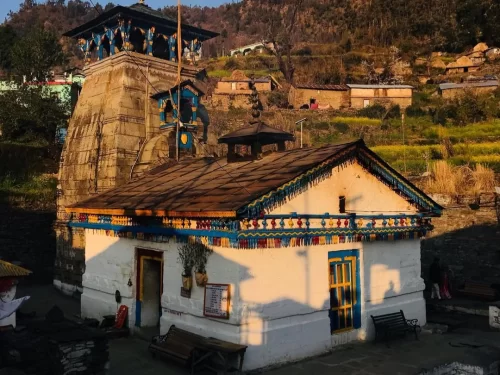
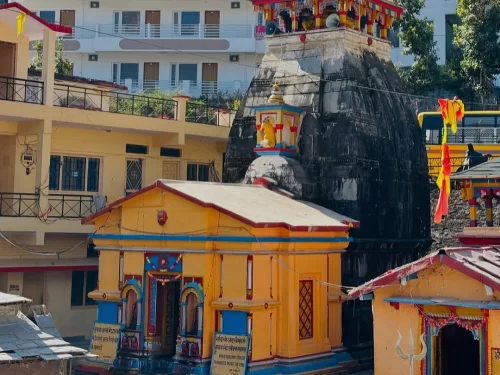
- Gauri Kund Temple: The small stone temple and surrounding hot springs provide excellent subjects for devotional and architectural photography, especially in early morning light.
- Hot Springs: Natural hot water springs create steam and reflections, offering unique photography opportunities, particularly during cooler mornings.
- Mandakini River Views: The river flowing through the town provides scenic compositions with surrounding forests and Himalayan foothills, ideal for landscape shots.
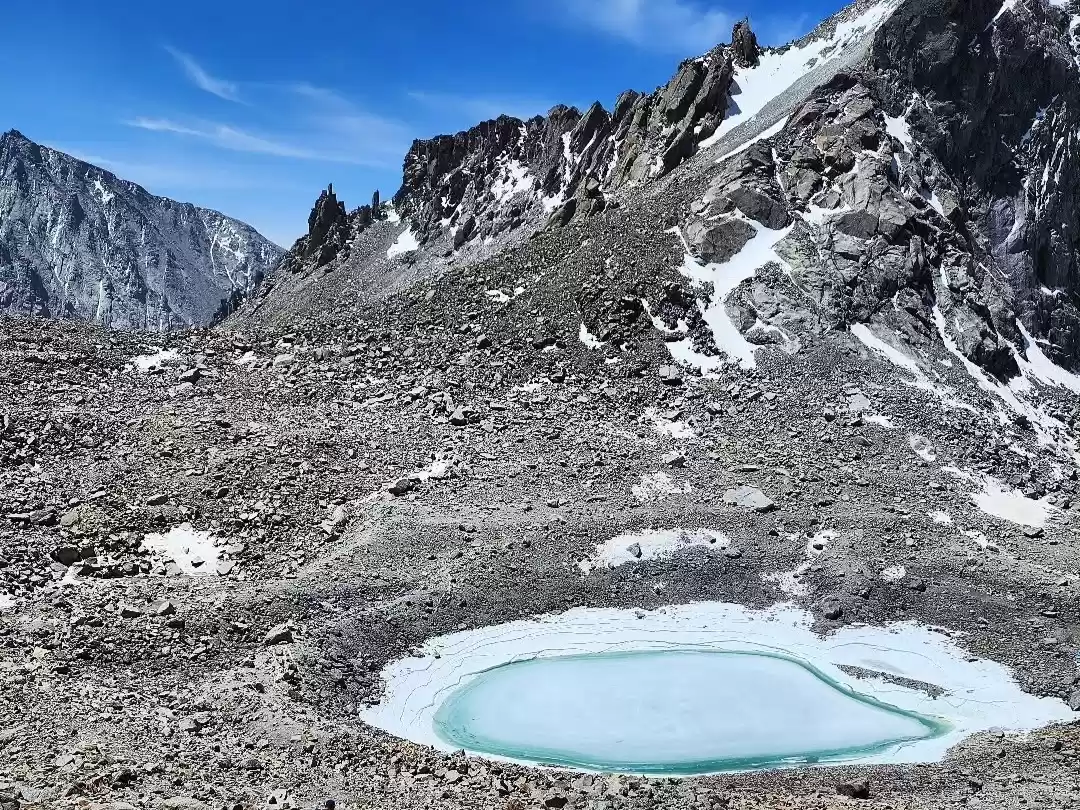
- Himalayan Backdrop: The nearby hills and peaks create a dramatic backdrop for both temple and town photography. Sunrise and late afternoon offer soft natural lighting for capturing details and landscapes.
- Trekking Path Vistas: Short trails around Gaurikund lead to viewpoints overlooking forests, meadows, and distant mountains, perfect for panoramic photography.
- Tips for Photographers: Respect devotees during rituals, avoid using flash inside the temple, and carry a wide-angle lens for landscapes and a telephoto lens for distant peaks. Weather can change rapidly, so be prepared for mist and diffused lighting conditions.