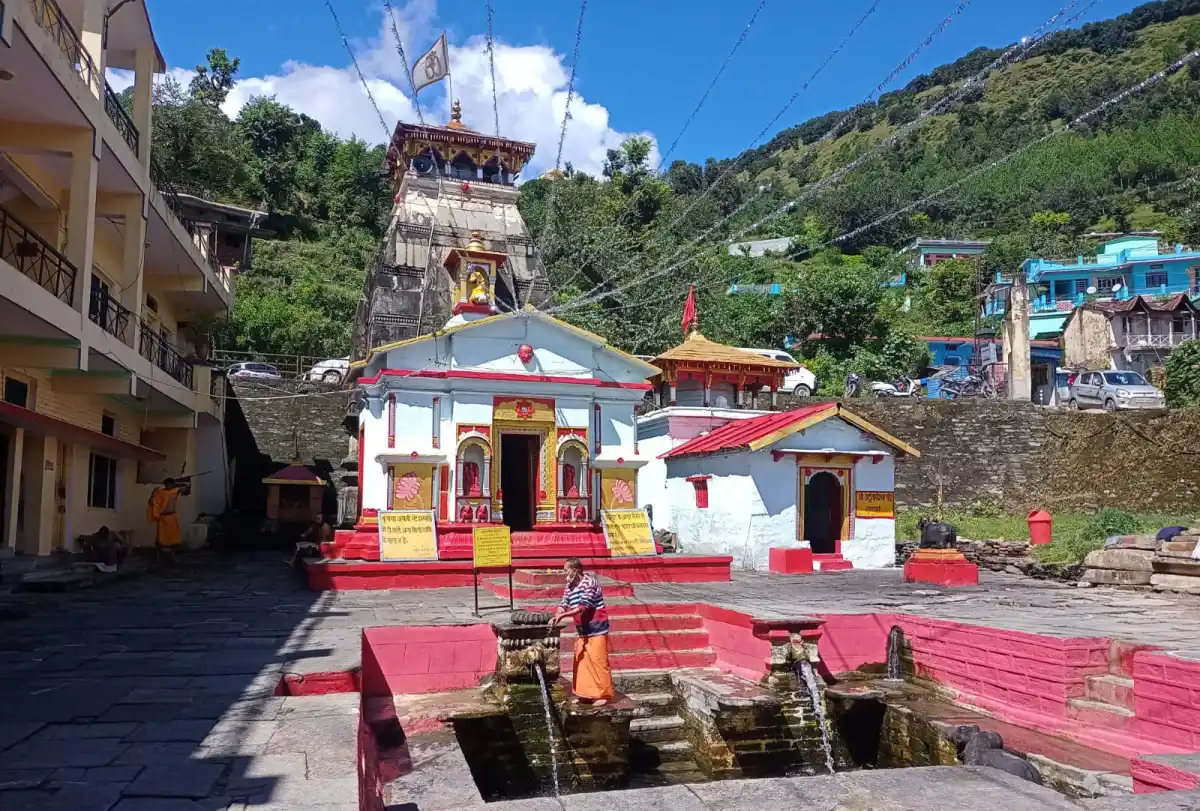
Ardhanarishwar Temple – Ancient Shiva-Shakti Shrine in Guptkashi

Ardhnareshwar Temple , Guptkashi
Tourists visit Ardhanarishwar Temple for its religious significance and its connection to Shaivite traditions in the Kedarnath pilgrimage route. The temple is known for its representation of Ardhanarishwar and is visited by pilgrims traveling through Guptkashi toward Kedarnath.

Quick Facts About Ardhnareshwar Temple

Ardhanarishwar Temple, Guptkashi, Uttarakhand Quick Facts

Entry Fee No entry fee
Timings Generally open from early morning to evening; timings may vary during local rituals and festivals
Altitude (m) Approximately 1,319 m above sea level
Ideal Visit Duration 30 minutes to 1 hour
Best Time of Day Morning for temple rituals and clearer weather conditions
Crowd Level Low to moderate; increases during Char Dham pilgrimage season
Distance from City Centre (km) Approximately 1–2 km from Guptkashi town centre
Walking Difficulty Easy to moderate; short walk with some uphill sections
Parking Available Limited parking available near the temple approach road
Last Mile Access Accessible by road followed by a short uphill walk
Suitable for Kids Yes
Suitable for Seniors Yes, with basic walking ability required
Wheelchair Friendly No; uneven paths and uphill approach limit wheelchair access

Why Visit Ardhanarishwar Temple, Guptkashi, Uttarakhand

Visitors come to Ardhanarishwar Temple in Guptkashi to worship the unique form of Lord Shiva and Goddess Parvati depicted as a single deity. The temple is often visited by pilgrims en route to Kedarnath, making it part of the broader spiritual circuit of the Mandakini Valley.

The on-ground atmosphere is calm and devotional, with a steady flow of pilgrims, temple rituals, and quiet pauses for prayer. Surrounded by the town’s hillside setting, the experience remains simple and focused on worship rather than tourism infrastructure.

What makes Ardhanarishwar Temple distinct is its rare representation of divine duality in a single shrine, combined with its location in Guptkashi, a key stop on the Kedarnath route. It offers travelers a direct connection to living religious practice in the Himalayan region of Uttarakhand.

History of Ardhanarishwar Temple, Guptkashi, Uttarakhand

Ardhanarishwar Temple in Guptkashi is dedicated to the Ardhanarishwar form of Lord Shiva, symbolizing the combined form of Shiva and Parvati. The temple is part of the ancient religious landscape of the Kedarnath pilgrimage route in the Garhwal Himalayas.

The temple is closely associated with Shaivite traditions followed in the Kedarnath valley region, where Guptkashi has long been regarded as a significant spiritual stop for pilgrims traveling toward higher Himalayan shrines.

Today, Ardhanarishwar Temple remains an active place of worship and continues to hold religious importance for devotees visiting Guptkashi as part of the broader Kedarnath pilgrimage circuit.

Best Time to Visit Ardhanarishwar Temple, Guptkashi, Uttarakhand

Ardhanarishwar Temple in Guptkashi is best visited during the main pilgrimage-friendly months when the Kedarnath route is active and local weather conditions remain stable enough for temple visits and onward travel in the Mandakini valley.
  • Ideal Months: April to June and September to November are the most suitable periods for visiting the temple.
  • Weather Conditions: These months generally bring clear skies, moderate daytime temperatures, and better road stability along the Rudraprayag–Guptkashi route, making temple visits and nearby sightseeing more comfortable.
  • Periods to Avoid: July to August should be avoided due to heavy monsoon rainfall, which can trigger landslides, road closures, and reduced travel safety in the hilly terrain. Peak winter can also bring cold conditions that may limit comfort for extended outdoor visits.

How to Reach Ardhanarishwar Temple, Guptkashi, Uttarakhand

  • By Air: The nearest airport is Jolly Grant Airport, Dehradun, located approximately 190–200 km from Guptkashi. From the airport, taxis and shared cabs are available, but the journey involves long mountain driving via Rishikesh, Srinagar (Garhwal), and Rudraprayag.
  • By Train: The nearest railway stations are Rishikesh (around 170–180 km) and Haridwar (around 190–200 km). Both stations are well connected with major Indian cities. From here, onward travel to Guptkashi is only by road through taxis, buses, or shared jeeps.
  • By Road: Ardhanarishwar Temple is located in Guptkashi town on the main Kedarnath route via National Highway 107. Regular buses and shared taxis operate from Rishikesh, Srinagar, Rudraprayag, and Sonprayag. The temple is accessible within the town by short local walks or local transport. Road travel can be affected by narrow winding stretches, landslides, and weather disruptions, especially during monsoon and peak Char Dham pilgrimage season, which may increase travel time significantly.

What to Expect When You Visit Ardhanarishwar Temple, Guptkashi, Uttarakhand

  • Ardhanarishwar Temple is located in Guptkashi town in the Rudraprayag district, set within a dense Himalayan settlement surrounded by terraced slopes, forested ridges, and views of the Mandakini valley.
  • The temple environment is quiet and religious in nature, with daily worship activities and a steady flow of pilgrims visiting as part of the broader Kedarnath pilgrimage circuit.
  • Facilities in the surrounding Guptkashi area include basic hotels, guesthouses, local eateries, medical shops, and small markets. However, amenities directly at the temple are minimal and primarily serve local worship needs.
  • Access to the temple involves navigating narrow town roads followed by short walking stretches with mild inclines and uneven surfaces typical of hill settlements. Parking availability near the temple area can be limited.
  • The site is primarily visited by devotees en route to Kedarnath and local worshippers. Crowd levels increase during Char Dham Yatra season, often resulting in slower movement around temple premises.
  • Visitors typically spend time offering prayers and brief darshan rather than extended sightseeing. The atmosphere remains devotional and relatively simple throughout the day.
  • Weather conditions can impact travel and comfort, with monsoon rains occasionally affecting road stability and winter bringing cold temperatures that influence outdoor movement in the region.

Important Visitor Information for Ardhanarishwar Temple, Guptkashi, Uttarakhand

  • Ardhanarishwar Temple in Guptkashi sees increased visitor flow during the Char Dham Yatra season (May–June and September–October), while non-pilgrimage months remain relatively calm with lighter footfall.
  • Early morning and evening hours are preferred for darshan due to softer weather conditions and lower crowd density, whereas mid-day can be busier with passing pilgrimage groups.
  • Guptkashi experiences cool winters and monsoon rainfall that can impact visibility and make surrounding hill roads and temple approach paths slippery or slow-moving.
  • Visitors are expected to wear modest clothing suitable for a sacred Hindu temple, especially during prayer hours and pilgrimage season activity.
  • During peak Yatra periods, limited space near the temple complex can lead to queue formation and slower movement around the sanctum area.
  • Care should be taken on stone steps and uneven pathways, particularly during or after rain when surfaces may become damp and slippery.

Photography and Viewpoints at Ardhanarishwar Temple, Guptkashi, Uttarakhand

  • The main photography viewpoint is the temple courtyard, where the Ardhanarishwar shrine can be framed with the backdrop of the Kedarnath valley route and surrounding forested slopes of Guptkashi.
  • Side angles from the entrance steps capture the temple façade along with the steep hillside terrain, offering a clear sense of its elevated Himalayan setting.
  • Early morning provides the best lighting conditions, with softer illumination on the stone structure and reduced visitor movement around the main shrine area.
  • Late afternoon light enhances texture on the temple walls and surrounding greenery, though shadows deepen quickly due to the narrow valley orientation.
  • Photography inside the sanctum may be restricted during ???? rituals, and visitors are expected to avoid flash and maintain distance from active worship zones.
  • Pilgrim flow increases during Char Dham season, especially for travelers heading toward Kedarnath, which can limit access to clear, unobstructed framing points.
  • The temple is easily accessible by road within Guptkashi, but narrow courtyard space can become crowded during peak morning and evening darshan hours.

Near By Attraction

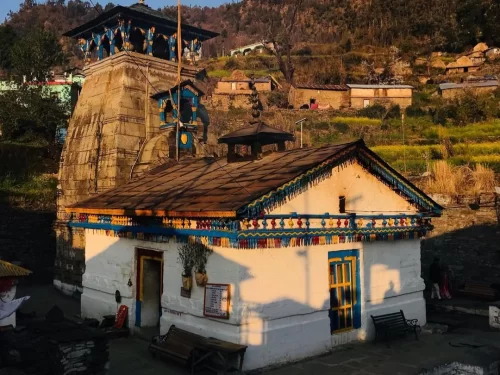
Triyuginarayan Temple near Guptkashi, Uttarakhand showcasing traditional Himalayan architecture against a scenic village backdrop, a sacred wedding site of Lord Shiva and Parvati included in Uttarakhand tour packages Temple

Triyuginarayan Temple

Triyuginarayan Temple is an ancient Hindu temple dedicated to Lord Vishnu, located near Guptkashi in Rudraprayag district, Uttarakhand, India.
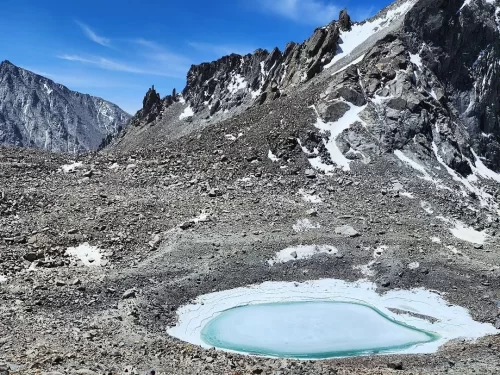
Gauri Kund Uttarakhand sacred hot water spring and pilgrimage stop near Kedarnath trek route Kund

Gaurikund

Gaurikund is the base and starting point for the Kedarnath trek, known for its hot springs, Shiva temple, and scenic Himalayan surroundings.
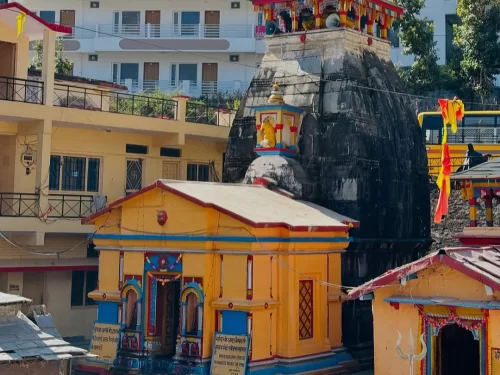
Shree Kashi Vishwanath Temple Guptkashi ancient Shiva temple near Kedarnath with traditional Himalayan architecture Temple

Shree Kashi Vishwanath Temple Guptkashi

Shree Kashi Vishwanath Temple in Guptkashi is a revered Shiva temple on the Kedarnath pilgrimage route, attracting devotees seeking blessings and spiritual experience.

Frequently Asked Questions About Ardhnareshwar Temple

Loved this place ? Let’s Plan Your Uttarakhand Trip

Get customized Uttarakhand tour planning designed around seasonal weather changes, hill road travel timing, pilgrimage flow, and comfort-based pacing. Whether you are visiting for spiritual journeys, Himalayan views, wildlife reserves, river valleys, or p

⚡ Quick Response | 💰 Free consultation | 🕒 24×7 expert support

×

Plan Your Trip