+91 9910402252
admin@chalbanjare.com


| Entry Fee | Free |
| Timings | 06:00 - 18:00 |
| Altitude (m) | 3200 |
| Ideal Visit Duration (hrs) | 1 |
| Best Time of Day | Morning |
| Crowd Level | Moderate |
| Distance from Badrinath (km) | 3 |
| Walking Difficulty | Moderate |
| Parking Available | No |
| Last Mile Access | Walk |
| Suitable for Kids | Yes |
| Suitable for Seniors | No |
| Wheelchair Friendly | No |
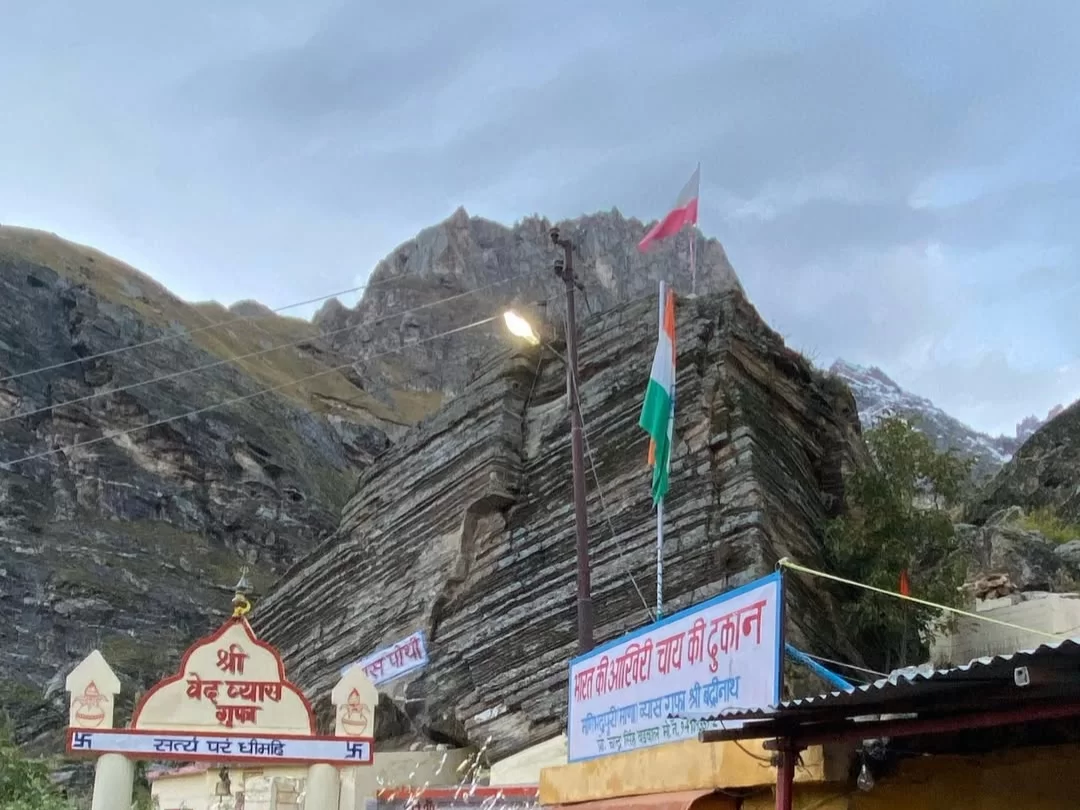
Veda Vyasa Cave is visited mainly for its strong spiritual association with Sage Ved Vyasa, who according to traditional belief composed important Hindu scriptures here. The cave sits within the rugged Himalayan landscape near Mana Village, giving travelers a chance to experience a quiet sacred spot away from the main Badrinath temple crowds. The location feels simple and grounded rather than heavily commercialized.
The atmosphere is calm but active with pilgrims who stop for short prayers and reflection. Expect a small stone structure built around a natural rock cave, narrow walking paths, and limited facilities. Weather conditions remain cold and windy due to the high altitude, and oxygen levels are lower, so visitors usually spend a short amount of time here rather than a long stay.
What makes the cave special is its proximity to other nearby mythological sites such as Ganesh Gufa and Bhim Pul, allowing visitors to explore multiple culturally important locations within a short walking distance. The surrounding mountain scenery, traditional village setting, and authentic Himalayan environment make the visit feel connected to both local belief systems and real mountain life rather than a curated tourist attraction.
Veda Vyasa Cave is traditionally believed to be the place where Sage Ved Vyasa composed and compiled important Hindu scriptures, including portions of the Mahabharata and the Puranas, with Lord Ganesha said to have assisted in writing. These associations come from long standing religious traditions and local beliefs rather than verifiable historical records.
The cave has remained an active pilgrimage stop for devotees visiting nearby Badrinath and Mana Village for generations. Over time, a small stone temple structure was constructed around the natural cave to protect the sacred space and allow visitors to offer prayers in a controlled environment suited to the harsh Himalayan weather.
Despite increased visitor numbers during the Char Dham pilgrimage season, the site continues to function primarily as a quiet spiritual location rather than a large institutional temple. The surrounding area still reflects the daily life and seasonal traditions of the local Himalayan community.
Veda Vyasa Cave remains accessible only during the snow free months because heavy winter snowfall blocks roads to Badrinath and Mana Village. The general visiting season runs from May to October, aligned with the Badrinath temple opening period. Even during summer, temperatures remain cold due to the high altitude, and sudden weather changes such as fog, wind, or light rain are common. Monsoon months may bring slippery walking paths and occasional travel disruptions caused by landslides on mountain roads.
 Temple
Pandukeshwar Temple is a historic Hindu temple complex in Pandukeshwar village, located on the Badrinath route in Chamoli district, Uttarakhand.
 Temple
Hanuman Chatti is a roadside pilgrimage stop near Badrinath in Chamoli district, Uttarakhand, known for its ancient Hanuman temple on the route to Mana Village.
 Bridge
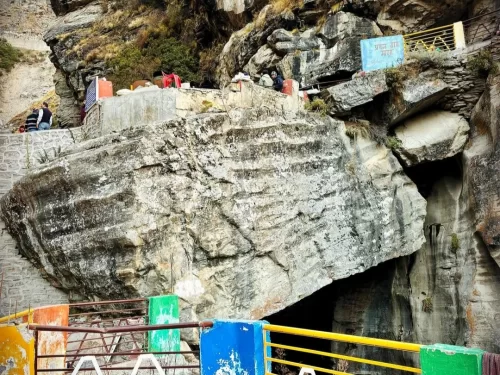
Bheem Pul is a natural rock bridge located in Mana village near Badrinath in Chamoli district, Uttarakhand, India.
Get customized Uttarakhand tour planning designed around seasonal weather changes, hill road travel timing, pilgrimage flow, and comfort-based pacing. Whether you are visiting for spiritual journeys, Himalayan views, wildlife reserves, river valleys, or p
⚡ Quick Response | 💰 Free consultation | 🕒 24×7 expert support

