Quick Facts About Vishnu Charan Paaduka
| Entry Fee | Free |
| Timings | 06:00 - 18:00 |
| Altitude (m) | 3133 |
| Ideal Visit Duration (hrs) | 1 |
| Best Time of Day | Morning |
| Crowd Level | Moderate |
| Distance from Badrinath (km) | 1 |
| Walking Difficulty | Easy |
| Parking Available | No |
| Last Mile Access | Walk |
| Suitable for Kids | Yes |
| Suitable for Seniors | Yes |
| Wheelchair Friendly | No |
Why Visit
Vishnu Charan Paaduka is an important spiritual site for pilgrims visiting Badrinath. The shrine is believed to house the sacred footprints of Lord Vishnu, making it a symbol of divine presence and a place for devotional rituals. Pilgrims often visit this site to offer prayers, seek blessings, and perform customary rituals as part of their Char Dham pilgrimage.
The atmosphere at Vishnu Charan Paaduka is serene and contemplative, with fewer crowds compared to the main Badrinath Temple. The surrounding Himalayan slopes and nearby river valley add to the sense of tranquility, offering devotees a peaceful environment for meditation and reflection.
What makes Vishnu Charan Paaduka special is its combination of religious significance and accessibility. Unlike larger temples, this small shrine provides an intimate space for personal prayer while being closely connected to the main Badrinath pilgrimage route. The sacred footprints and the aura of devotion make it a spiritually enriching stop for all visitors.
Religious Significance
Vishnu Charan Paaduka is revered for preserving the sacred footprints of Lord Vishnu, which are believed to have been left during his divine visit to the Himalayas. Pilgrims consider offering prayers here as an essential ritual before or after visiting Badrinath Temple, believing that it invokes divine blessings and spiritual purification.
The site has been a part of the Badrinath pilgrimage tradition for centuries, mentioned in local religious lore and pilgrimage guides. The shrine reflects the region’s strong Vaishnavite practices and is a testament to the continuity of Himalayan devotional culture, emphasizing the sanctity of small yet highly revered spiritual landmarks along the Char Dham Yatra route.
Best Time to Visit
Vishnu Charan Paaduka is accessible during the same months as Badrinath Temple, typically from late April/early May to October/early November. The best time to visit is during May–June and September–October when the weather is pleasant, skies are clear, and trekking or walking paths are safe. Winter months are inaccessible due to heavy snowfall and harsh Himalayan conditions.
- Best Season: May–June for mild weather and September–October for clear mountain views and reduced crowds.
- Avoid Monsoon: July–August may bring rainfall, slippery paths, and limited visibility in the high Himalayas.
- Best Time of Day: Early morning or late afternoon to enjoy a calm and peaceful visit with fewer pilgrims.
- Festival Considerations: The shrine experiences slightly higher pilgrim traffic during important Hindu festivals and Char Dham pilgrimage peak dates.
- Weather Conditions: Cool temperatures prevail throughout the open season, so visitors should carry warm clothing even in summer.
How to Reach
- By Road: Vishnu Charan Paaduka is located within walking distance of Badrinath Temple, approximately 0.5 km from the main temple complex. Badrinath itself is well-connected by road to Rishikesh, Haridwar, Dehradun, and Joshimath, with regular taxis, shared cabs, and government buses operating during the pilgrimage season.
- By Rail: The nearest railway stations are Rishikesh (approx. 295 km) and Haridwar (approx. 320 km). From either station, travelers can continue by road to Badrinath and reach the shrine via a short walk from the temple complex.
- By Air: Jolly Grant Airport, Dehradun (approx. 310 km), is the closest airport. From the airport, taxis or buses via Rishikesh and Joshimath lead to Badrinath town.
- Last Mile Access: The shrine is accessible by a short paved pathway from the Badrinath Temple complex. The walk is easy, suitable for most visitors, including seniors and children.
- Travel Advisory: Although the site is close to the main temple, visitors are advised to wear comfortable footwear and carry water, as the area can get crowded during peak pilgrimage hours.
What to expect when you visit
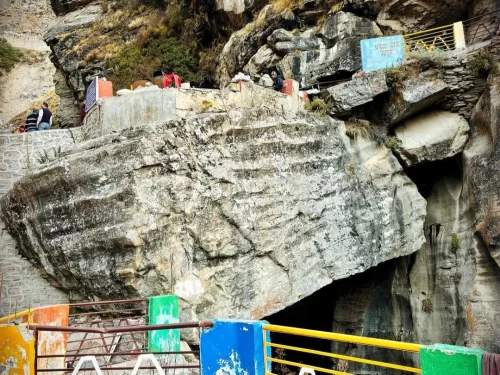
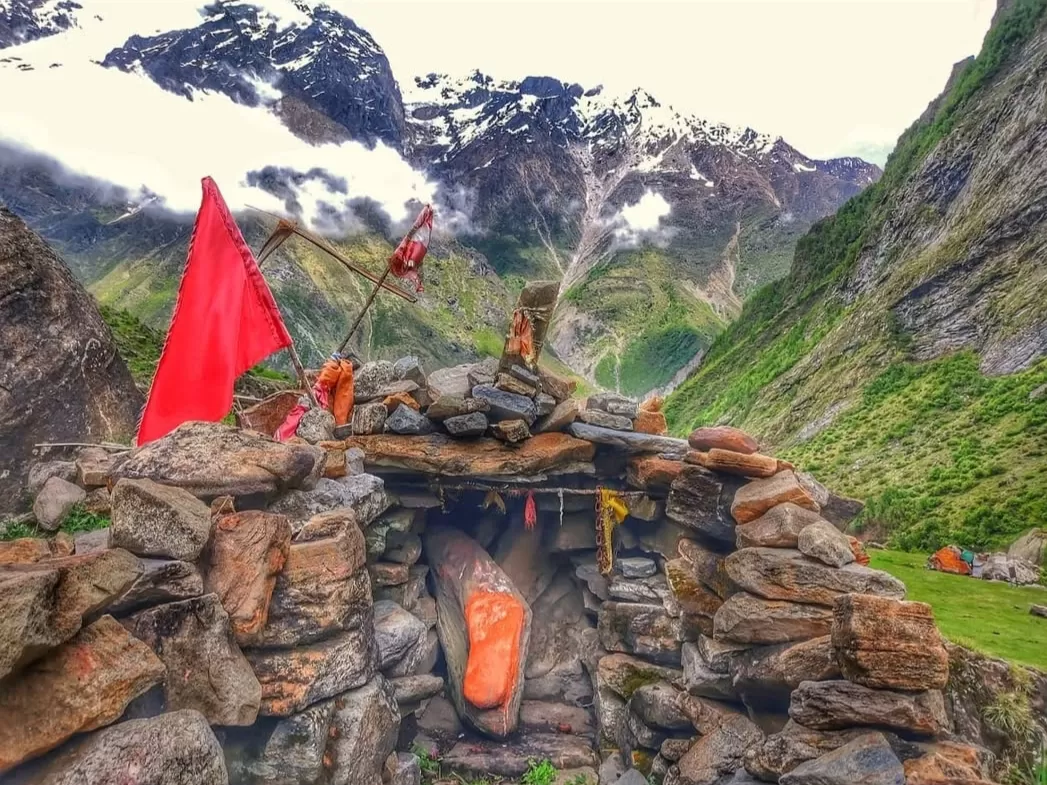
- A small and serene sacred site featuring the believed footprints of Lord Vishnu, offering a spiritual stop close to Badrinath Temple.
- Peaceful and contemplative atmosphere, with significantly fewer crowds than the main temple area, allowing time for personal prayer and reflection.
- Easy and short walk from the main temple complex via a paved path, making it accessible for most visitors including children and seniors.
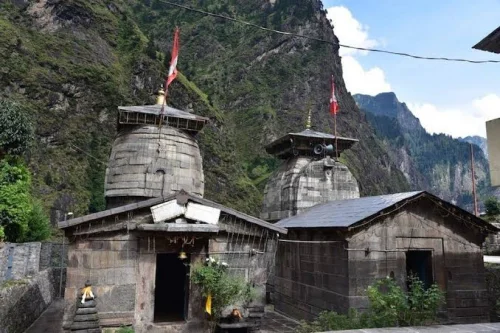
- Stone carvings and shrine structures are modest, emphasizing devotion rather than grandeur, which provides a sense of intimacy and authenticity.
- Opportunities for photography of the shrine and surrounding Himalayan landscape, though respect for pilgrims’ privacy is essential.
- Short visit duration (15–30 minutes) is sufficient to complete rituals, offer prayers, and experience the sacred ambiance.
- Visitors should expect cool mountain air even during summer months, and slightly slippery paths if there is rain or morning dew.
Important Visitor Information
- Crowd and Weather Notes: The shrine is generally less crowded than Badrinath Temple, but pilgrim numbers increase during peak Char Dham season (May–June and September–October). Weather remains cool, with occasional wind and sudden changes in Himalayan conditions.
- Peak and Quiet Hours: Peak hours coincide with temple darshan times, typically early morning to late morning. Quiet periods occur mid-afternoon or later in the evening.
- Dress Code: Modest clothing is recommended for this sacred site. Comfortable walking shoes are advised due to stone pathways and slight inclines.
- Safety Notes: The shrine area is relatively safe, but visitors should be cautious on wet or slippery stone surfaces. Supervise children and assist elderly pilgrims if needed. Carry water and avoid lingering in direct sun or wind for extended periods.
Photography and Viewpoint
- Photography is allowed around Vishnu Charan Paaduka, especially of the sacred footprints and surrounding Himalayan landscape. Visitors should respect pilgrims’ privacy while taking photos.
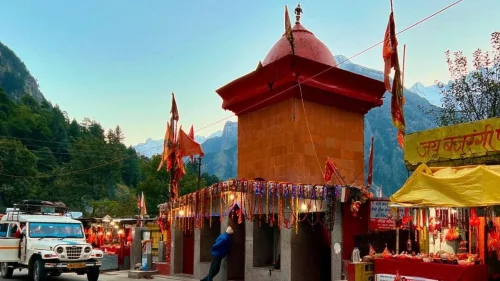
- The short pathway leading to the shrine offers clear viewpoints of the nearby Badrinath Temple complex, Mana Village, and the surrounding mountain slopes, ideal for capturing the serene Himalayan environment.
- Early morning or late afternoon provides the best lighting for photography, with soft sunlight illuminating the shrine and creating natural shadows over the stone carvings.
- The shrine’s compact size encourages intimate shots of devotees performing rituals, the footprints, and the sacred altar, emphasizing spiritual activity rather than large-scale landscapes.
- While the area is relatively safe for photography, visitors should be careful on wet or uneven stone paths near the shrine.
- The elevated viewpoint along the temple pathway allows for wide-angle shots capturing both the shrine and the panoramic Himalayan background, offering a unique blend of religious and natural scenery.