Tapt Kund Badrinath - Sacred Hot Water Spring Near Badrinath Temple Uttarakhand

Tapt kund badrinath , Badrinath
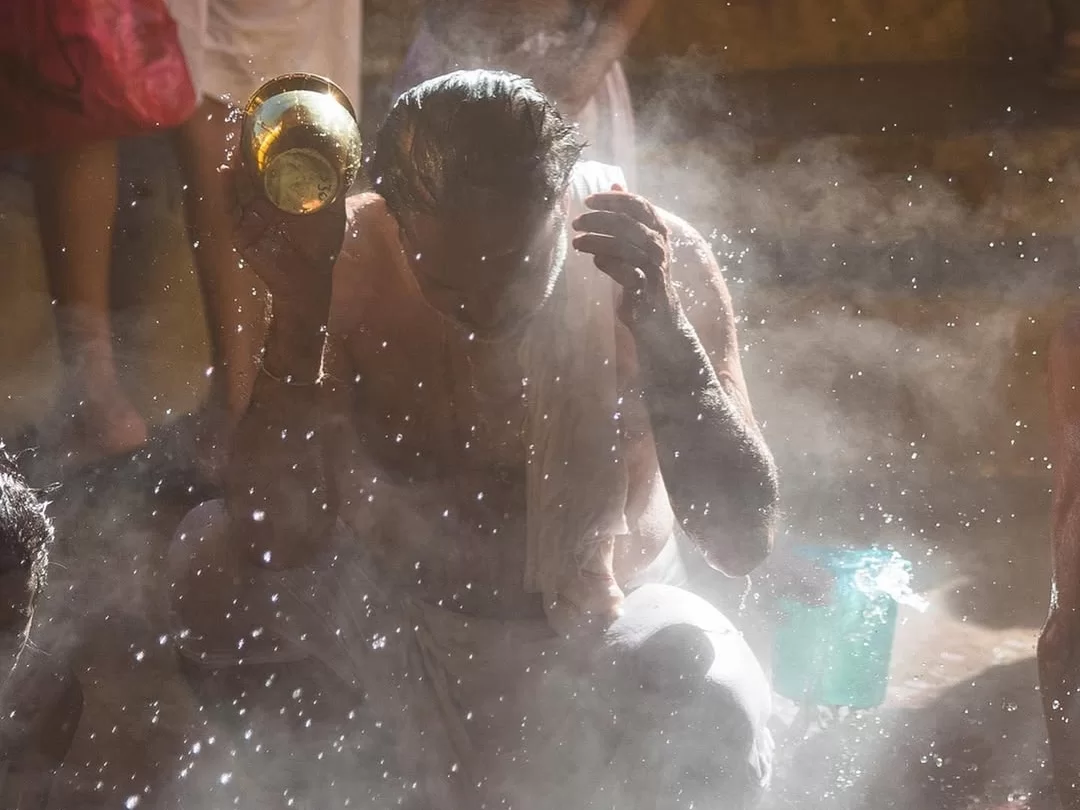
Tapt Kund is a geothermal hot water spring situated near the entrance of Shri Badrinath Temple in Chamoli district, Uttarakhand, at an altitude of about 3,133 meters. The kund is considered sacred by pilgrims and is commonly used for ritual bathing before entering the temple complex. The water remains naturally warm throughout the open pilgrimage season despite cold Himalayan temperatures. The bathing area is built with stone steps and separated sections for men and women. Facilities are basic, and the area can become crowded during peak Char Dham months. Due to high altitude and slippery surfaces, visitors are advised to move carefully and avoid prolonged exposure to hot water.

Quick Facts About Tapt kund badrinath

Entry Fee Free
Timings 04:30 - 20:00
Altitude (m) 3130
Ideal Visit Duration (hrs) 1
Best Time of Day Morning
Crowd Level High
Distance from Badrinath (km) 1
Walking Difficulty Easy
Parking Available No
Last Mile Access Walk
Suitable for Kids Yes
Suitable for Seniors Yes
Wheelchair Friendly No

Why Visit

Tapt Kund is a natural geothermal hot water spring located just below the main entrance steps of Shri Badarinath Temple in Chamoli district, Uttarakhand. Most pilgrims stop here before temple darshan because bathing in the warm sulphur rich water is considered part of the traditional ritual sequence. Even for non religious visitors, the experience of stepping into naturally heated water while surrounded by high Himalayan peaks feels unusual and memorable, especially given the cold climate of Badrinath where temperatures remain low for most of the season.

The atmosphere is busy during peak Char Dham months with continuous movement of pilgrims changing clothes, waiting for turns, and preparing for darshan. Facilities are basic with designated bathing enclosures separated for men and women. The water remains naturally warm throughout the open season, offering relief from the high altitude chill. Visitors should expect limited space during peak hours and maintain caution because stone surfaces around the kund can be slippery when wet.

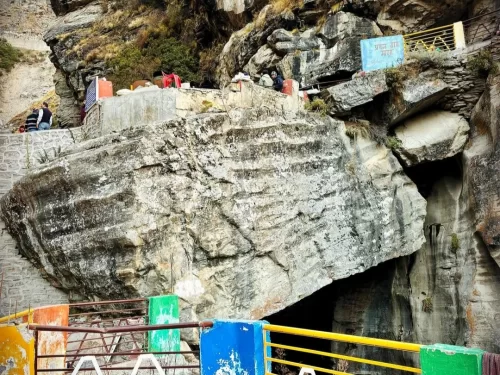
What makes Tapt Kund special is its combination of natural geothermal activity and strong religious association with Badrinath pilgrimage practices. Unlike artificial bathing tanks, this is a continuously flowing natural spring emerging from rock formations along the Alaknanda riverbank. The location, immediately below the temple steps and framed by steep mountain slopes, allows visitors to experience both the physical contrast of hot water in a cold alpine setting and the traditional preparation ritual followed by thousands of pilgrims every season.

History

Tapt Kund has been mentioned in traditional pilgrimage records of the Badrinath Dham for centuries as the primary purification bathing spot before entering the temple. The hot spring is believed to have been used by sages and pilgrims long before the modern temple structure was established. Historical travel accounts from early Himalayan yatras also refer to the naturally heated waters flowing near the Alaknanda riverbank, highlighting its continuous use by devotees visiting Badrinath.

Religious Significance

The kund holds strong spiritual importance in Hindu pilgrimage traditions. It is considered customary for devotees to take a ritual bath in Tapt Kund before proceeding for darshan at Shri Badarinath Temple. According to local beliefs and temple traditions, the spring is associated with Lord Agni (the fire deity), symbolizing purification and spiritual cleansing. Pilgrims believe that bathing here prepares both body and mind for entering one of the most sacred Char Dham temples in the Himalayas.

Best Time to Visit

Tapt Kund is accessible only during the official opening season of Badrinath Dham, which usually runs from late April or early May to October or early November depending on weather conditions. The most comfortable and safe months to visit are May–June and September–October, when the climate is relatively stable and travel routes remain clear. During peak monsoon months (July–August), heavy rainfall and landslides can disrupt road access in the Himalayan region. Early mornings are considered the best time for a peaceful and less crowded bathing experience before temple darshan.

  • Best Season: May to June (pleasant weather) and September to October (clear views and fewer crowds).
  • Temple Season Dependency: The kund remains accessible only during Badrinath Temple’s annual opening months.
  • Avoid Monsoon: July and August may bring landslides, slippery paths, and travel delays.
  • Best Time of Day: Early morning before temple rush for a calmer and hygienic experience.
  • Winter Closure: The area becomes inaccessible due to heavy snowfall from November to April.
  • Festival Periods: Expect higher pilgrim numbers during Char Dham Yatra peak dates and religious occasions.

How to Reach

  • By Air: The nearest airport is Jolly Grant Airport, Dehradun (approx. 310 km). From the airport, taxis and buses are available to reach Badrinath via Rishikesh and Joshimath.
  • By Rail: The nearest railway stations are Rishikesh (approx. 295 km) and Haridwar (approx. 320 km). Both stations have good connectivity with major Indian cities. From there, continue the journey by road to Badrinath.
  • By Road: Badrinath is well-connected by motorable roads from Rishikesh, Haridwar, Dehradun, and other major Uttarakhand towns. Regular buses and shared taxis operate during the Char Dham Yatra season.
  • From Joshimath: Joshimath is the last major town before Badrinath, located about 45 km away. Taxis and local buses frequently run on this route during the temple opening months.
  • Last Mile Access: Tapt Kund is located just below Badrinath Temple and can be reached by a short walk of a few minutes from the main temple entrance area.
  • Travel Advisory: Roads in the Himalayan region are weather-dependent. Always check route conditions and travel during daylight hours for safety.

What to expect when you visit

  • A naturally heated geothermal hot water spring located just below the steps of Shri Badrinath Temple, with constant flow of warm sulphur rich water even in cold mountain weather.
  • Separate bathing sections for men and women with basic changing areas; facilities are simple and designed mainly for short ritual baths rather than long stays.
  • High pilgrim activity during Char Dham Yatra season, especially in the morning hours when visitors prepare for temple darshan.
  • Stone steps and wet surfaces around the kund that can be slippery, requiring careful movement and proper footwear.
  • Steam rising from the water due to temperature differences, creating a distinct atmosphere against the cold Himalayan surroundings.
  • Limited space during peak hours with short waiting times expected, particularly during religious festivals and weekends.
  • Quick access to Badrinath Temple within walking distance, making it part of the traditional pre-darshan ritual sequence followed by pilgrims.
  • Cool high altitude climate around 3130 meters, where visitors may feel mild breathlessness and should avoid long exposure to hot water.

Important Visitor Information

  • Crowd and Weather Notes: Heavy pilgrim crowds are common during May–June and September–October Char Dham season. The weather remains cold throughout the open months due to high altitude, with sudden rain, wind, or fog possible. Monsoon months may cause slippery conditions and travel delays.
  • Peak and Quiet Hours: Peak hours are early morning to late morning when pilgrims bathe before temple darshan. Relatively quieter periods occur during mid afternoon and close to evening darshan time.
  • Dress Code: Modest bathing attire is recommended as this is a sacred ritual site. Visitors should carry spare clothes, a towel, and wear non slip footwear while moving around the kund area.
  • Safety Notes: Water temperature is naturally hot, so avoid long immersion. High altitude conditions may cause dizziness or fatigue; stay hydrated and move slowly. Wet stone surfaces are slippery, and supervision is required for children and elderly visitors.

Photography and Viewpoint

  • Photography is generally allowed in the outer areas around Tapt Kund and along the Alaknanda riverbank, but visitors should avoid taking photos inside the bathing enclosures to respect privacy and religious practices.
  • The approach steps between Tapt Kund and Shri Badrinath Temple provide strong architectural and landscape views, including colorful temple structures set against steep Himalayan slopes.
  • Morning hours offer the best natural lighting conditions, with clearer skies and softer sunlight highlighting the temple façade and surrounding mountains.
  • Steam rising from the hot spring against the cold mountain air creates unique atmospheric photography opportunities, especially during early morning and cooler days.
  • Nearby river viewpoints allow visitors to capture natural scenery including the Alaknanda River flowing through the narrow valley below the temple complex.
  • Tripods or large equipment may be restricted during heavy crowd periods due to limited walking space and safety concerns.

Near By Attraction

Bheem Pul near Badrinath, Uttarakhand with the massive natural rock bridge spanning a mountain stream, a mythological landmark included in Uttarakhand tour packages Bridge

Bheem Pul

Bheem Pul is a natural rock bridge located in Mana village near Badrinath in Chamoli district, Uttarakhand, India.

Vishnu Charan Paduka Badrinath stone shrine red flag offerings orange cloth cave snowy Himalayan peaks valley, Uttarakhand Char Dham tour packages.  Pilgrimage Site

Vishnu Charan Paaduka

Vishnu Charan Paaduka is a revered pilgrimage site near Badrinath, believed to preserve the divine footprints of Lord Vishnu.

Vasudhara Falls Badrinath cloudy sky tall waterfall steep rocky cliffs green grassy slopes trekking path Uttarakhand Char Dham tour packages. Waterfall

Vasudhara Falls

Vasudhara Falls is a high altitude waterfall located near Mana Village, reached through a scenic Himalayan trekking route from Badrinath.

Frequently Asked Questions About Tapt kund badrinath

Tapt Kund is located near Badrinath Temple in Chamoli district of Uttarakhand, situated on the banks of the Alaknanda River.
Tapt Kund is generally accessible from early morning until evening during the Badrinath Temple opening season in Uttarakhand.
There is no entry fee to visit Tapt Kund. Pilgrims can access the hot water spring freely before entering Badrinath Temple.
Visitors can reach Tapt Kund by road up to Badrinath town in Uttarakhand, followed by a short walk from the main temple area.
The best time to visit Tapt Kund is between May and October when the Badrinath route is open and weather conditions in Uttarakhand are manageable.
Bathing is allowed at Tapt Kund in designated areas, and many pilgrims take a ritual dip before visiting Badrinath Temple.
Most travelers spend about 20 to 40 minutes at Tapt Kund depending on crowd levels and bathing time.
Tapt Kund is suitable for senior citizens, but caution is required as the steps near the hot spring can be slippery.
Basic restroom facilities and small shops are available near Tapt Kund in Badrinath, Uttarakhand. Visitors can also find eateries in the temple market area.
Tapt Kund is commonly visited just before entering Badrinath Temple, as it is located directly below the main shrine in Uttarakhand.

Loved this place ? Let’s Plan Your Uttarakhand Trip

Get customized Uttarakhand tour planning designed around seasonal weather changes, hill road travel timing, pilgrimage flow, and comfort-based pacing. Whether you are visiting for spiritual journeys, Himalayan views, wildlife reserves, river valleys, or p

⚡ Quick Response | 💰 Free consultation | 🕒 24×7 expert support

×

Plan Your Trip