Shri Badrinath Dham – Sacred Char Dham Temple in Badrinath, Uttarakhand

Shri Badrinath Dham , Badrinath
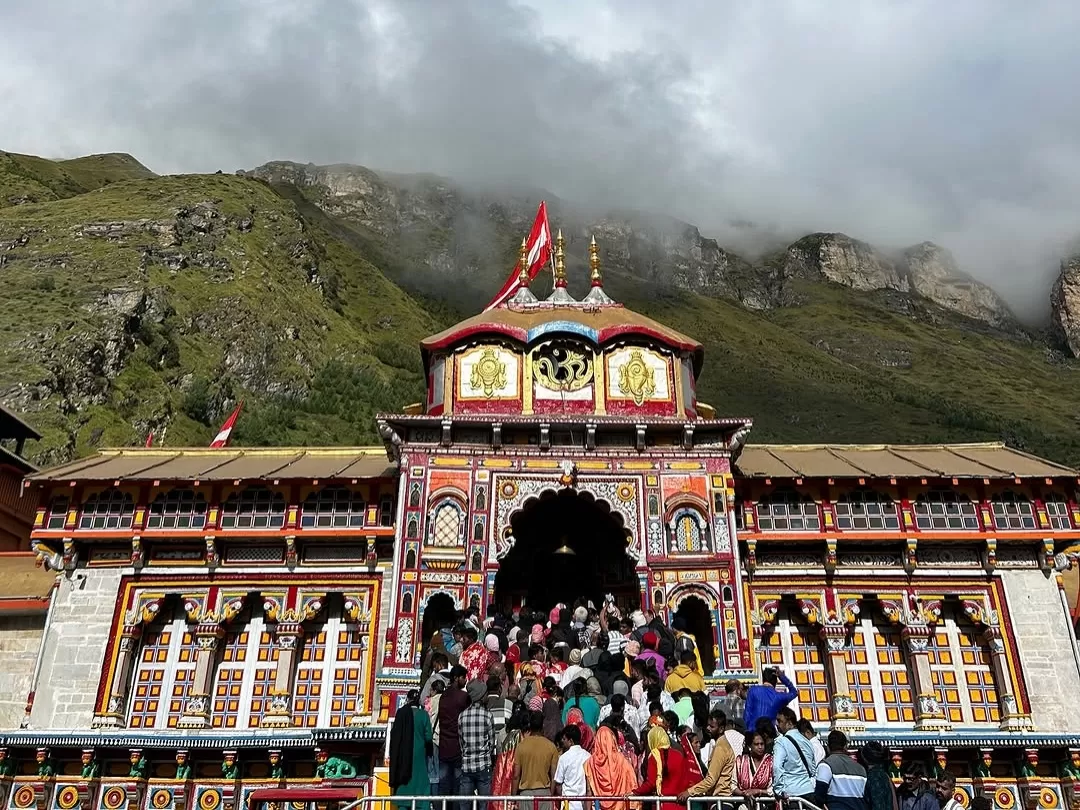
Shri Badrinath Dham, situated in Badrinath town of Chamoli district, Uttarakhand, is one of the four Char Dham pilgrimage sites and among the 108 Divya Desams dedicated to Lord Vishnu (Badri Narayan). Positioned along the banks of the Alaknanda River at high Himalayan altitude, the temple attracts lakhs of pilgrims annually during its seasonal opening (generally May to November). The shrine is traditionally believed to have been established by Adi Shankaracharya in the 8th century CE and follows strict religious rituals and daily aartis. Due to extreme winter weather, the temple remains closed during heavy snowfall months.

Quick Facts About Shri Badrinath Dham

Entry Fee Free
Timings 04:30 - 13:00 & 16:00 - 21:00
Altitude (m) 3133
Ideal Visit Duration (hrs) 2-4
Best Time of Day Early Morning
Crowd Level Very High
Distance from Badrinath (km) 0
Walking Difficulty Easy
Parking Available Yes
Last Mile Access Walk
Suitable for Kids Yes
Suitable for Seniors Yes (with caution)
Wheelchair Friendly Partially

Why Visit Shri Badrinath Dham

Shri Badrinath Dham is one of the most sacred pilgrimage sites in India and an essential part of the Char Dham Yatra in Uttarakhand’s Chamoli district. Dedicated to Lord Vishnu in his Badri Narayan form, the temple attracts devotees, spiritual seekers, and cultural travellers from across the world. Located along the banks of the Alaknanda River and surrounded by the Nar and Narayan mountain ranges, the site offers a powerful combination of religious devotion and Himalayan natural beauty. The temple is traditionally open only from late April or May to October/November due to heavy winter snowfall.

The atmosphere at Badrinath Dham is deeply spiritual, especially during early morning and evening aarti when chants and temple rituals create a peaceful and devotional environment. Pilgrims often begin their visit with a dip in the nearby Tapt Kund, a natural hot water spring considered sacred before darshan. The surrounding high-altitude landscape, fresh mountain air, and strong cultural traditions contribute to a reflective and serene experience despite seasonal crowds.

What makes Badrinath truly special is its ancient heritage connected with Adi Shankaracharya, who revived the temple in the 8th century CE according to established religious traditions. The temple’s colourful façade, black stone idol of Lord Vishnu in meditative posture, and its status as one of the 108 Divya Desams (sacred Vishnu temples in Vaishnavism) make it highly significant for devotees. In addition, nearby sacred sites like Mana Village, Vyas Gufa, and Charan Paduka enhance its religious and cultural importance, making it a profound destination for both faith and Himalayan exploration.

History and Religious Signi?cance of Shri Badrinath Dham

Shri Badrinath Dham, located in Chamoli district of Uttarakhand, is one of the most revered temples dedicated to Lord Vishnu in his Badri Narayan form. According to established Hindu traditions and ancient scriptures such as the Vishnu Purana and Skanda Purana, the region has been a sacred meditation site where Lord Vishnu is believed to have performed deep penance. The temple’s spiritual importance has made it one of the four major Char Dham pilgrimage sites in India and an essential part of the smaller Himalayan Chota Char Dham circuit.

Historical records and accepted religious accounts credit Adi Shankaracharya, the 8th-century philosopher and saint, with re-establishing and reviving the temple as a major pilgrimage destination after rediscovering the idol of Lord Vishnu in the Alaknanda River. Over centuries, various regional rulers, including the Garhwal kings, contributed to the temple’s preservation and reconstruction, especially after damage caused by natural calamities such as avalanches and earthquakes in the Himalayan region.

The temple is also recognized as one of the 108 Divya Desams, sacred shrines of Lord Vishnu mentioned in Tamil Alvar devotional literature, highlighting its pan-Indian religious importance. The black stone idol inside the sanctum depicts Lord Vishnu in a meditative posture, symbolizing spiritual discipline and devotion. Annual opening and closing ceremonies of the temple follow traditional Vedic rituals, reinforcing its deep religious continuity and longstanding pilgrimage tradition.

Best Time to Visit Shri Badrinath Dham

Shri Badrinath Dham is located in the high Himalayan region of Chamoli district, Uttarakhand, and remains open only for a limited pilgrimage season due to extreme winter snowfall. The temple usually opens between late April and early May (around Akshaya Tritiya) and closes around October–November (near Diwali or Bhai Dooj), though exact dates are decided annually by the temple committee. The most comfortable and safe travel months are May–June and September–October when weather conditions remain relatively stable, road access is open, and darshan arrangements are well managed. July–August falls under the monsoon period, bringing landslides and travel disruptions, while winter months remain inaccessible due to heavy snow.

  • May to June: Peak pilgrimage season with clear roads, pleasant daytime temperatures, and full temple rituals; expect heavy crowds.
  • July to August: Monsoon season brings rain, landslide risks, and unpredictable travel delays; visit only with caution.
  • September to October: One of the best times for peaceful darshan, scenic mountain views, and relatively lighter crowds.
  • November to April: Temple remains closed due to extreme snowfall and harsh winter conditions; pilgrimage shifts to Joshimath (winter seat).
  • Best Time of Day: Early morning darshan is recommended for shorter queues, calm atmosphere, and participation in morning rituals.
  • Weather Notes: Even during summer, nights remain cold; carry warm clothing and check weather forecasts before travel.

How to Reach Shri Badrinath Dham

  • By Air: The nearest airport is Jolly Grant Airport, Dehradun (approx. 310 km). From the airport, taxis and buses are available via Rishikesh, Rudraprayag, Karnaprayag, Joshimath, and finally Badrinath. Helicopter services may operate seasonally from Dehradun/Phata/Sersi (subject to weather and government approvals).
  • By Rail: The nearest major railway stations are Rishikesh (approx. 295 km) and Haridwar (approx. 320 km). Both stations are well connected with Delhi and major Indian cities. From there, government buses and private taxis operate regularly toward Badrinath during the pilgrimage season.
  • By Road: Badrinath is accessible via NH-7 (Char Dham Highway) through Rishikesh – Devprayag – Srinagar – Rudraprayag – Karnaprayag – Joshimath – Badrinath. Uttarakhand Transport buses, shared jeeps, and private taxis run during the open season. Road travel may be temporarily halted during heavy rain or landslides.
  • Last Mile Access: The temple is directly accessible by motorable road up to Badrinath town. From the parking area, the temple entrance is reachable via a short, mostly level walk of about 300–400 meters.
  • Seasonal Access Advisory: The route remains open only during the temple’s operational season (generally late April/May to October/November). Winter snowfall leads to complete closure of the road beyond Joshimath.

What to Expect When You Visit Shri Badrinath Dham

  • Sacred Darshan Experience: Visitors participate in traditional darshan of Lord Badri Narayan inside the historic temple, with organized queues especially during peak Char Dham pilgrimage months (May–June and September–October).
  • High-Altitude Environment: Located at about 3,133 meters in Chamoli district, Uttarakhand, the area has thin air and cool temperatures even in summer. Visitors may need time to acclimatize, particularly seniors and those with respiratory issues.
  • Temple Rituals and Aarti: Daily rituals including Maha Abhishek, Abhishek Puja, and evening Aarti create a deeply spiritual atmosphere. Timings vary seasonally and are managed by the Badrinath-Kedarnath Temple Committee.
  • Tapt Kund Holy Spring: Pilgrims traditionally take a ritual bath at Tapt Kund, a natural hot water spring near the temple entrance, before entering for darshan (optional but culturally significant).
  • Devotional Atmosphere: Expect continuous chanting, bhajans, and a strong sense of collective devotion, especially during peak pilgrimage days and festival periods.
  • Mountain Weather Variations: Weather can change quickly with cold winds, rain, or sudden drops in temperature even during summer afternoons. Warm layered clothing is strongly recommended.
  • Limited Urban Facilities: Basic accommodation, dharamshalas, small hotels, and simple vegetarian eateries are available. Luxury facilities are limited due to the remote Himalayan setting.
  • Nearby Spiritual & Scenic Spots: Many visitors also explore Mana Village (last Indian village), Vyas Gufa, Bhim Pul, and Saraswati River viewpoints located a few kilometers from the temple.

Important Visitor Information – Shri Badrinath Dham

  • Crowd & Weather Notes: The temple remains open roughly from late April/early May to October–November depending on the Hindu calendar and snowfall conditions. Peak crowds occur during May–June (summer pilgrimage) and September–October (post-monsoon Char Dham Yatra). Weather stays cold even in summer (5°C–18°C), while sudden rain and strong winds are common in monsoon months.
  • Peak / Quiet Hours: Early morning darshan (around 4:30 AM–7:00 AM) and evening Aarti hours are the busiest. Mid-morning and mid-afternoon slots generally have comparatively lighter queues, though crowd levels vary during peak yatra season.
  • Dress Code: Visitors should wear modest and respectful attire suitable for a sacred temple—covered shoulders and knees recommended. Warm layered clothing, woolens, and comfortable walking shoes are essential due to cold Himalayan conditions.
  • Safety Notes: Located at approximately 3,133 meters altitude, visitors should acclimatize to avoid altitude sickness. Carry essential medicines, stay hydrated, and avoid overexertion. Check official travel advisories for landslides or road closures during monsoon and early winter periods. Elderly visitors and those with heart or respiratory issues should consult a doctor before travel.

Photography and Viewpoint

  • Photography is strictly prohibited inside the main temple sanctum and prayer areas. Visitors can take photos in the outer temple complex, surrounding streets, and riverfront zones where permitted.
  • One of the most photographed viewpoints is the front courtyard area with the colorful temple facade and the Alaknanda River flowing nearby, especially during early morning light.
  • Neelkanth Peak becomes clearly visible on clear weather days from several open points around Badrinath town, particularly during sunrise when the mountain reflects golden light.
  • The Tapt Kund area near the temple entrance offers strong visual contrast between natural hot springs, stone steps, and temple structures, but photography should be done respectfully without disturbing pilgrims.
  • Short walks toward Mana village road provide wider valley views and quieter photography spots away from peak temple crowds.
  • Weather conditions change quickly; fog, rain, or snowfall may block mountain views even during peak season, so clear sky mornings provide the best photography opportunities.

Near By Attraction

Bheem Pul near Badrinath, Uttarakhand with the massive natural rock bridge spanning a mountain stream, a mythological landmark included in Uttarakhand tour packages Bridge

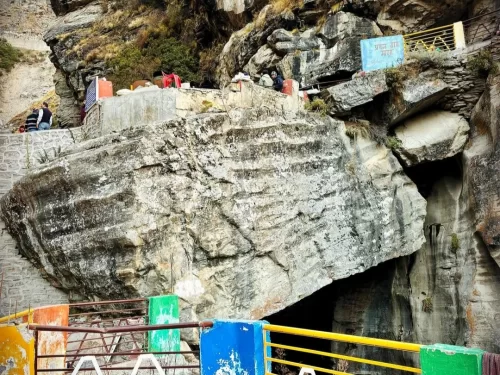
Bheem Pul

Bheem Pul is a natural rock bridge located in Mana village near Badrinath in Chamoli district, Uttarakhand, India.

Vishnu Charan Paduka Badrinath stone shrine red flag offerings orange cloth cave snowy Himalayan peaks valley, Uttarakhand Char Dham tour packages.  Pilgrimage Site

Vishnu Charan Paaduka

Vishnu Charan Paaduka is a revered pilgrimage site near Badrinath, believed to preserve the divine footprints of Lord Vishnu.

Vasudhara Falls Badrinath cloudy sky tall waterfall steep rocky cliffs green grassy slopes trekking path Uttarakhand Char Dham tour packages. Waterfall

Vasudhara Falls

Vasudhara Falls is a high altitude waterfall located near Mana Village, reached through a scenic Himalayan trekking route from Badrinath.

Frequently Asked Questions About Shri Badrinath Dham

Shri Badrinath Dham is located in Chamoli district of Uttarakhand, situated along the banks of the Alaknanda River in the Himalayan region.
Shri Badrinath Dham usually opens between late April and early May and closes around October or November depending on weather conditions in Uttarakhand.
Shri Badrinath Dham generally offers darshan from early morning around 4:30 am until late evening with breaks in between rituals. Timings may vary during special ceremonies in Uttarakhand.
There is no mandatory entry fee for general darshan at Shri Badrinath Dham. Special puja bookings may have separate charges.
Visitors can reach Shri Badrinath Dham by road from Rishikesh or Haridwar in Uttarakhand. The nearest railway station is Rishikesh and the closest airport is Jolly Grant Airport in Dehradun.
The best time to visit Shri Badrinath Dham is between May and June and September to October when weather conditions in Uttarakhand are relatively stable.
Most travelers spend about 2 to 4 hours at Shri Badrinath Dham including darshan, temple rituals, and nearby sightseeing.
Hotels, guesthouses, and dharamshalas are available near Shri Badrinath Dham in Uttarakhand during the pilgrimage season.
Numerous eateries and basic restroom facilities are available in the market area near Shri Badrinath Dham in Uttarakhand.
Shri Badrinath Dham is accessible by road, but the high altitude and cold weather may require senior citizens to take medical advice before planning the visit.

Loved this place ? Let’s Plan Your Uttarakhand Trip

Get customized Uttarakhand tour planning designed around seasonal weather changes, hill road travel timing, pilgrimage flow, and comfort-based pacing. Whether you are visiting for spiritual journeys, Himalayan views, wildlife reserves, river valleys, or p

⚡ Quick Response | 💰 Free consultation | 🕒 24×7 expert support

×

Plan Your Trip