Quick Facts About Shree Kashi Vishwanath Temple Guptkashi
| Entry Fee | Free |
| Timings | 05:00 - 20:00 |
| Altitude (m) | 1319 |
| Ideal Visit Duration (hrs) | 0.5-1.5 |
| Best Time of Day | Early Morning or Late Afternoon |
| Crowd Level | Moderate |
| Distance from Guptkashi (km) | 1 |
| Walking Difficulty | Easy |
| Parking Available | Limited |
| Last Mile Access | Walk |
| Suitable for Kids | Yes |
| Suitable for Seniors | Yes |
| Wheelchair Friendly | Partially |
Why Visit Shree Kashi Vishwanath Temple Guptkashi
Shree Kashi Vishwanath Temple is a significant stop for pilgrims on the Kedarnath and Char Dham routes. It provides a spiritual experience rooted in Garhwali tradition, where visitors can witness authentic Shiva worship and daily aarti rituals.
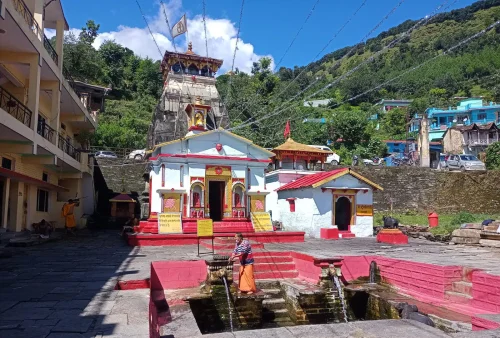
The atmosphere is calm and devotional, with the gentle sound of bells and chants creating a serene environment. The temple is set within the small town of Guptkashi, with views of the surrounding Garhwal Himalayas, giving visitors both spiritual and scenic satisfaction.
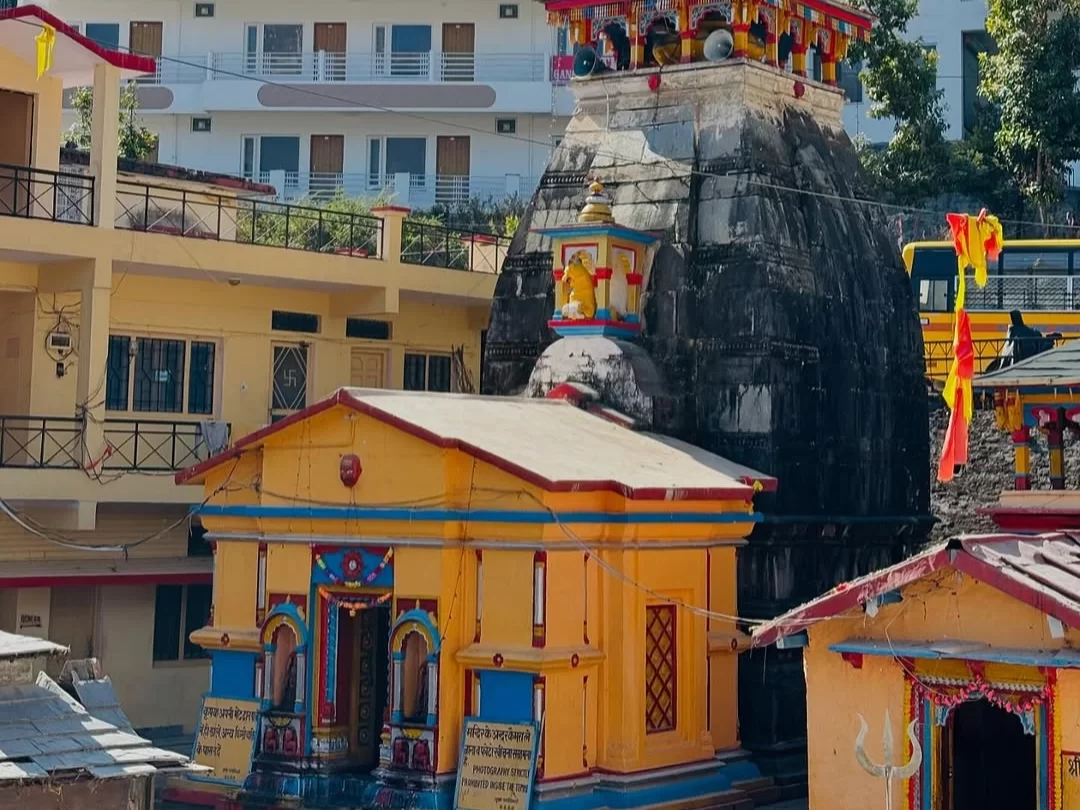
What makes it special is its role as a key pilgrimage waypoint on the Char Dham circuit. The temple’s traditional Himalayan stone architecture, active religious practices, and connection to centuries-old local beliefs make it a meaningful and authentic spiritual stop rather than a commercialized tourist site.
History of Shree Kashi Vishwanath Temple Guptkashi
Shree Kashi Vishwanath Temple in Guptkashi has been an important spiritual site for devotees traveling to Kedarnath for centuries. It serves as a key resting and worship point for pilgrims on the Char Dham route, maintaining traditional daily rituals and aarti ceremonies that have been performed for generations.
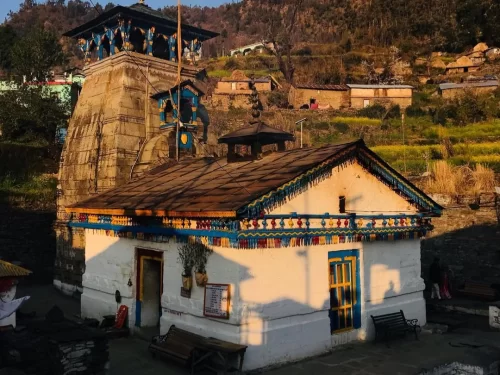
The temple holds special significance for local residents and visiting pilgrims alike. It is a center for community gatherings during festivals like Maha Shivratri and the Shravan month. The modest stone architecture reflects traditional Himalayan temple construction and emphasizes functionality while supporting centuries-old devotional practices.
Best Time to Visit Shree Kashi Vishwanath Temple Guptkashi
The ideal time to visit Shree Kashi Vishwanath Temple is when the weather is comfortable and the pilgrimage route is safe. Guptkashi experiences cold winters, rainy monsoons, and moderate spring and autumn conditions, which affect both access and visitor experience.
- March to June: Spring to early summer offers mild temperatures, clear skies, and safe walking paths. Perfect for both darshan and enjoying the surrounding Himalayan scenery.
- September to November: Post-monsoon months provide crisp, clear weather with minimal rainfall, making it ideal for photography and quieter visits before the winter chill.
- July to August: Monsoon season can make roads slippery and increase the risk of minor landslides. Caution is advised.
- December to February: Winters are cold, sometimes with snow in higher altitudes. Only recommended for visitors prepared for chilly conditions.
- Best time of day: Early morning for quiet darshan; late afternoon provides soft natural lighting and scenic views.
How to Reach Shree Kashi Vishwanath Temple Guptkashi
- By Road: Guptkashi is accessible via well-connected roads from Rishikesh (approx. 210 km) and Rudraprayag (approx. 44 km). Buses, taxis, and private vehicles can reach the town, and the temple is a short walk from the main road.
- By Train: The nearest railway station is in Rishikesh, about 210 km away. From there, taxis or buses connect to Guptkashi. The journey takes 6–7 hours on hilly terrain.
- By Air: Jolly Grant Airport, Dehradun, is around 230 km from Guptkashi. Taxis and buses are available, but the journey is long and winding through Himalayan roads.
- Last Mile Access: A short paved path from the nearest road or parking leads to the temple entrance. The walk is easy and suitable for most visitors.
- Tips: Avoid traveling during heavy monsoon rains due to slippery roads. Early morning or late afternoon travel is recommended for comfort and better light for photography.
What to Expect When You Visit Shree Kashi Vishwanath Temple Guptkashi
- Spiritual Ambience: The temple provides a calm and devotional atmosphere where visitors can observe traditional aarti and prayer rituals dedicated to Lord Shiva.
- Moderate Crowds: The temple is moderately crowded throughout the year, with higher footfall during the Char Dham pilgrimage season and festivals like Maha Shivratri.
- Short Walking Distance: Access from the main road requires only a short, mostly paved walk, making it suitable for most visitors, including seniors and children with assistance.
- Basic Facilities: Limited facilities are available near the temple, such as drinking water and small stalls for offerings. Larger amenities are in nearby Guptkashi town.
- Scenic Surroundings: The Garhwal Himalayan backdrop offers scenic views and opportunities for landscape photography.
- Local Cultural Experience: Visitors can experience authentic Garhwali traditions, temple architecture, and interactions with local devotees.
- Weather Considerations: Mornings are cool, and winter temperatures can be low; monsoon season may bring slippery paths. Sturdy footwear is recommended.
Important Visitor Information
- Crowd & Weather Notes: The temple experiences moderate crowds year-round, with peaks during the Char Dham season (May–October) and festivals like Maha Shivratri. Spring and autumn offer mild weather, winters are cold, and monsoon season can make roads slippery.
- Peak / Quiet Hours: Early morning (5:00–7:00 AM) is the quietest time for darshan and photography. Late afternoon (4:00–6:00 PM) is also pleasant and less crowded.
- Dress Code: Modest clothing is recommended, covering shoulders and knees. Footwear must be removed before entering the temple premises.
- Safety Notes: The short walk to the temple is mostly paved but uneven in parts. Assistance is recommended for children and seniors. Avoid visiting during heavy rains due to slippery paths.
Photography and Viewpoint
- Temple Photography: The temple’s traditional Himalayan stone architecture, sanctum, and carved details provide excellent opportunities for capturing authentic Garhwali religious aesthetics. Early morning light enhances textures and colors.
- Scenic Views: The temple sits against the Garhwal Himalayan backdrop, offering panoramic views of surrounding hills and valleys. Late afternoon light creates soft shadows ideal for landscape photography.
- Ritual Photography: Daily aarti and other devotional rituals offer chances to capture cultural and spiritual practices, especially during festivals when devotees gather in traditional attire.
- Landscape Photography: Short paths around the temple lead to vantage points for capturing both the temple and the surrounding mountain scenery. Morning mist and clouds add a dramatic effect.
- Tips for Photographers: Respect worshippers; avoid flash inside the sanctum. A wide-angle lens works well for landscape shots, and be prepared for changing light due to mountain weather.
- Drone Photography: Drone usage is generally restricted; check local regulations before attempting aerial shots. Surrounding hills provide natural framing for scenic shots if drones are permitted.