Mana Village Badrinath - Last Indian Village Near Indo Tibet Border Uttarakhand

Mana village , Badrinath
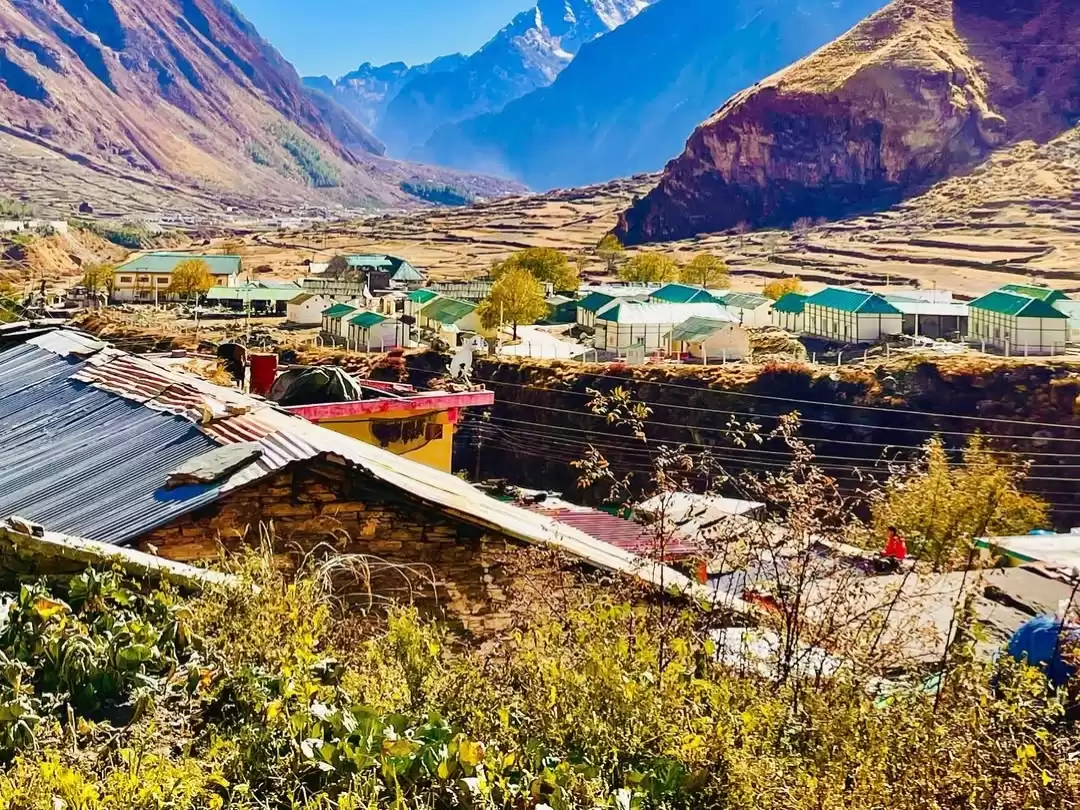
Mana Village lies at an altitude of around 3,200 meters in Chamoli district of Uttarakhand, close to the Indo Tibet border and just 3 km from Badrinath town. Known for its cultural heritage, traditional stone houses, and proximity to mythological sites like Vyas Gufa, Ganesh Gufa, and Bhim Pul, the village is frequently visited by pilgrims and travelers exploring the upper Alaknanda valley. The area offers raw Himalayan landscapes rather than developed tourist infrastructure. Weather remains cold for most of the year, and access is seasonal due to snowfall, typically open between May and October. Facilities are basic, and visitors should not expect luxury services.

Quick Facts About Mana village

Entry Fee Free
Timings Daylight Hours
Altitude (m) 3200
Ideal Visit Duration (hrs) 1-2
Best Time of Day Morning to Early Afternoon
Crowd Level Moderate to High
Distance from Badrinath (km) 3
Walking Difficulty Easy to Moderate
Parking Available Yes
Last Mile Access Walk
Suitable for Kids Yes
Suitable for Seniors Partially
Wheelchair Friendly No

Why visit Mana Village

Mana Village offers a rare look into life in one of the last inhabited settlements near the Indo Tibet border. Unlike developed hill stations, the village retains traditional stone houses, local weaving culture, and a slow mountain lifestyle. Travelers visiting Badrinath often come here to experience a quieter Himalayan environment and to walk through a real high altitude community rather than a constructed tourist zone.

The atmosphere is raw and practical. Expect narrow stone lanes, local wool shops, small tea stalls, and mountain views rather than luxury cafes or polished infrastructure. Weather can change quickly, and oxygen levels are lower due to altitude, which adds to the authentic but physically demanding nature of the visit. Crowds increase during Char Dham season but thin out early in the day.

What makes the village special is its direct connection to nearby mythological and trekking points such as Vyas Gufa, Ganesh Gufa, Bhim Pul, and the Saraswati River origin area. These sites are within walking distance and give visitors a combined experience of culture, local tradition, and dramatic Himalayan landscapes. The setting feels remote and real, offering honest mountain travel rather than curated sightseeing.

Background and Significance

Mana Village has long been an inhabited Himalayan settlement traditionally occupied by the Marcha community, a group historically involved in trans Himalayan trade between India and Tibet before the border closed in the 1960s. The village developed as a seasonal high altitude settlement where locals practiced weaving, wool trade, and limited agriculture adapted to harsh mountain conditions.

The village is closely associated with nearby sacred sites connected to Hindu epics and pilgrimage routes around Badrinath. Locations such as Vyas Gufa and Ganesh Gufa are traditionally linked to the composition of ancient scriptures, while Bhim Pul is locally connected to stories from the Mahabharata. These associations contribute to the steady flow of pilgrims visiting the area alongside general travelers.

Despite increased tourism in recent decades, Mana still reflects the lifestyle of a remote Himalayan border community. Seasonal migration during winter months remains common due to heavy snowfall and extreme weather conditions that make the region uninhabitable for part of the year.

Best Time to Visit

Mana Village remains accessible only during the snow free months because heavy winter snowfall blocks roads and forces seasonal migration of residents. The typical visiting window runs from May to October, aligned with the Badrinath temple opening season. Weather remains cold even in summer due to high altitude, and sudden changes such as rain or fog are common. Monsoon months bring landslide risks on mountain roads, while post monsoon weeks offer clearer skies and more stable travel conditions.

  • May to June: Stable road access, active village life, moderate temperatures but high pilgrimage crowds.
  • July to August: Monsoon season with frequent rain, slippery walking paths, and possible landslides affecting travel routes.
  • September to early October: Clear mountain views, lower crowds, and more comfortable travel conditions.
  • Late October onward: Gradual closure period as snowfall approaches; weather becomes very cold and unpredictable.
  • November to April: Village generally inaccessible due to heavy snowfall and seasonal closure.

How to Reach

  • By Road: Mana Village is located about 3 km from Badrinath town in Chamoli district, Uttarakhand. Badrinath is connected by mountain roads from Rishikesh, Haridwar, Rudraprayag, Joshimath, and other major Garhwal towns. Private taxis and shared jeeps operate during the open season.
  • Last Mile Access: A motorable road reaches near the village entrance. Visitors usually walk short distances on stone paths inside the village and toward nearby sites like Vyas Gufa and Bhim Pul.
  • Nearest Railway Station: Rishikesh Railway Station, approximately 295 km away. From there, road travel by bus or taxi is required.
  • Nearest Airport: Jolly Grant Airport, Dehradun, approximately 310 km away. The remaining journey must be completed by road through the Himalayan route.
  • Seasonal Accessibility: Road access remains open generally from May to October depending on snowfall and weather conditions. Winter travel is not possible due to heavy snow and official road closures.

What to expect when you visit

  • A small high altitude Himalayan village with traditional stone houses, narrow walking lanes, and simple local shops rather than developed tourist infrastructure.
  • Cool to cold weather even in summer months, with strong winds and sudden cloud cover common during the day. Warm clothing is necessary regardless of season.
  • Basic facilities such as small tea stalls, local wool product shops, and limited food options. Clean public toilets and modern amenities are limited.
  • Short walking routes to nearby sites like Vyas Gufa, Ganesh Gufa, Bhim Pul, and the Saraswati River viewpoint, involving uneven stone paths and mild uphill sections.
  • Moderate crowds during Char Dham pilgrimage season, especially midday when tour vehicles arrive from Badrinath. Early morning visits are quieter.
  • Visible presence of local residents continuing traditional mountain life, including weaving and seasonal migration practices due to harsh winter conditions.
  • Clear Himalayan valley views on sunny days, though fog, rain, or snowfall can quickly reduce visibility and change travel conditions.

Important Visitor Information

  • Crowd and Weather Notes: Crowds increase significantly during May to June and September to October due to the Badrinath pilgrimage season. Weather remains cold throughout the year because of the high altitude. Sudden rain, fog, and strong winds are common, while monsoon months bring slippery walking paths and potential road delays.
  • Peak and Quiet Hours: Mid morning to mid afternoon sees the highest number of visitors arriving from Badrinath. Early morning hours generally offer quieter walking conditions and clearer mountain views.
  • Dress Code: Modest and respectful clothing is recommended due to the proximity of sacred sites. Visitors should wear layered warm clothes, sturdy walking shoes, and sun protection because of strong high altitude sunlight.
  • Safety Notes: The village sits above 3200 meters where oxygen levels are lower, so visitors should walk slowly and stay hydrated. Uneven stone paths can be slippery, especially after rain. Limited medical facilities are available locally, so carrying basic medicines and checking weather and road conditions before travel is important.

Important Visitor Information

  • Crowd and Weather Notes: Crowds increase significantly during May to June and September to October due to the Badrinath pilgrimage season. Weather remains cold throughout the year because of the high altitude. Sudden rain, fog, and strong winds are common, while monsoon months bring slippery walking paths and potential road delays.
  • Peak and Quiet Hours: Mid morning to mid afternoon sees the highest number of visitors arriving from Badrinath. Early morning hours generally offer quieter walking conditions and clearer mountain views.
  • Dress Code: Modest and respectful clothing is recommended due to the proximity of sacred sites. Visitors should wear layered warm clothes, sturdy walking shoes, and sun protection because of strong high altitude sunlight.
  • Safety Notes: The village sits above 3200 meters where oxygen levels are lower, so visitors should walk slowly and stay hydrated. Uneven stone paths can be slippery, especially after rain. Limited medical facilities are available locally, so carrying basic medicines and checking weather and road conditions before travel is important.

Near By Attraction

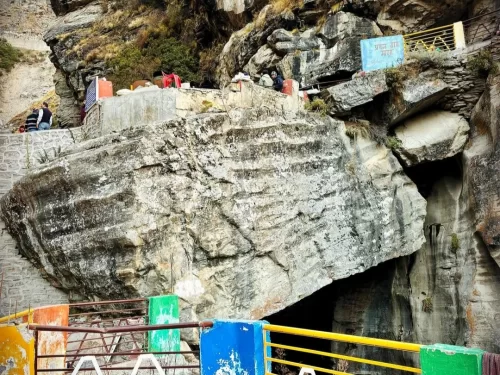
Bheem Pul near Badrinath, Uttarakhand with the massive natural rock bridge spanning a mountain stream, a mythological landmark included in Uttarakhand tour packages Bridge

Bheem Pul

Bheem Pul is a natural rock bridge located in Mana village near Badrinath in Chamoli district, Uttarakhand, India.

Vishnu Charan Paduka Badrinath stone shrine red flag offerings orange cloth cave snowy Himalayan peaks valley, Uttarakhand Char Dham tour packages.  Pilgrimage Site

Vishnu Charan Paaduka

Vishnu Charan Paaduka is a revered pilgrimage site near Badrinath, believed to preserve the divine footprints of Lord Vishnu.

Vasudhara Falls Badrinath cloudy sky tall waterfall steep rocky cliffs green grassy slopes trekking path Uttarakhand Char Dham tour packages. Waterfall

Vasudhara Falls

Vasudhara Falls is a high altitude waterfall located near Mana Village, reached through a scenic Himalayan trekking route from Badrinath.

Frequently Asked Questions About Mana village

Mana Village is located near Badrinath in Chamoli district of Uttarakhand, close to the Indo Tibet border and surrounded by Himalayan mountains.
Visitors can reach Mana Village by road up to Badrinath in Uttarakhand and then drive or take a short taxi ride further to the village parking area.
The best time to visit Mana Village is between May and October when the Badrinath route is open and weather conditions in Uttarakhand are suitable for travel.
There is no entry fee to visit Mana Village. Visitors can explore the village streets and nearby viewpoints freely.
Mana Village is generally accessible during daylight hours throughout the Badrinath Temple opening season in Uttarakhand.
Most travelers spend about 1 to 2 hours in Mana Village exploring local shops, viewpoints, and nearby sites such as Vyas Gufa and Bheem Pul.
Small tea stalls, local eateries, and basic restroom facilities are available in Mana Village during the tourist season in Uttarakhand.
Mana Village is partly accessible for senior citizens as vehicles can reach close to the main area, though some attractions involve short uphill walks on stone paths.
Main attractions in Mana Village include Vyas Gufa, Ganesh Gufa, Bheem Pul, and scenic views of the Saraswati River in Uttarakhand.
Mana Village is commonly visited along with Badrinath Temple as part of a half day sightseeing plan in Uttarakhand.

Loved this place ? Let’s Plan Your Uttarakhand Trip

Get customized Uttarakhand tour planning designed around seasonal weather changes, hill road travel timing, pilgrimage flow, and comfort-based pacing. Whether you are visiting for spiritual journeys, Himalayan views, wildlife reserves, river valleys, or p

⚡ Quick Response | 💰 Free consultation | 🕒 24×7 expert support

×

Plan Your Trip