Nanda Devi National Park Joshimath, Uttarakhand, India

Nanda Devi National Park , Joshimath
Visitors come for regulated trekking routes, alpine meadows, and views of Nanda Devi peak within the core zone of the Nanda Devi Biosphere Reserve. The park is a UNESCO World Heritage Site, and entry is strictly controlled with permits required due to its fragile Himalayan ecosystem.

Quick Facts About Nanda Devi National Park

Entry Fee Yes
Timings 06:00 - 18:00
Altitude (m) 7816
Ideal Visit Duration (hrs) 240
Best Time of Day Morning
Crowd Level Low
Distance from Joshimath (km) 0
Walking Difficulty Hard
Parking Available No
Last Mile Access Trek
Suitable for Kids No
Suitable for Seniors No
Wheelchair Friendly No

Why Visit Nanda Devi National Park, Joshimath

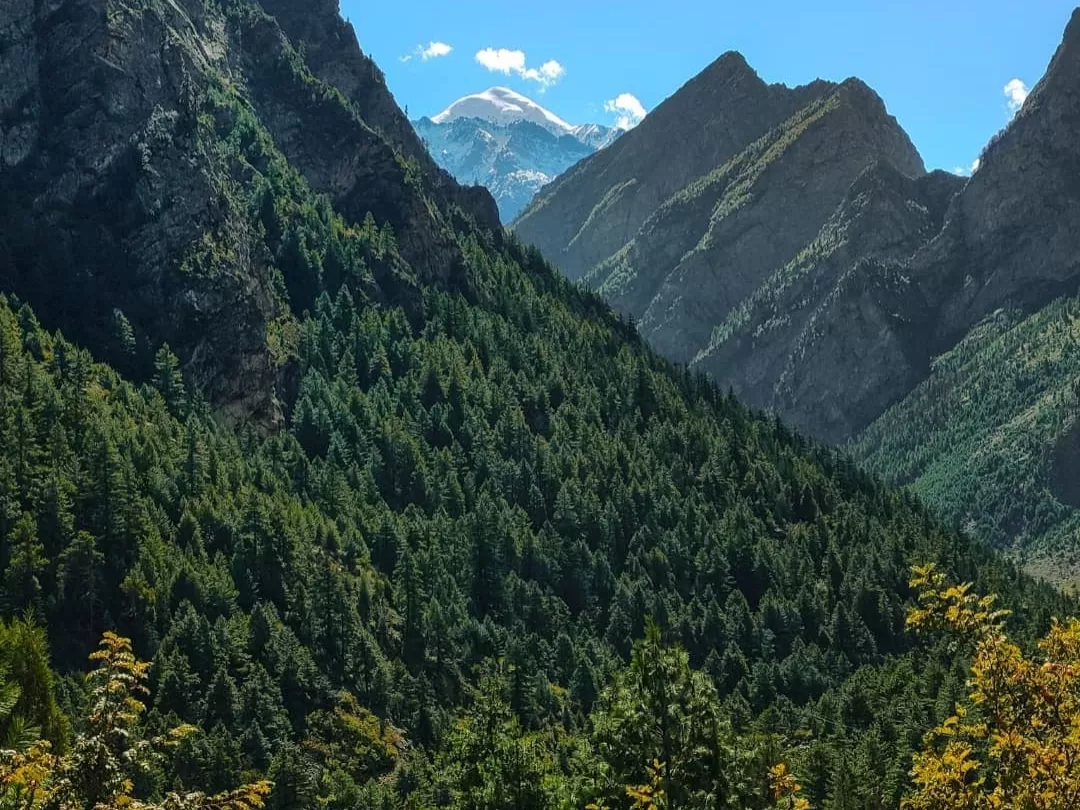
Nanda Devi National Park near Joshimath attracts trekkers and nature-focused travelers for its high-altitude Himalayan ecosystem centered around the Nanda Devi peak, India’s second-highest mountain. Recognized as a UNESCO World Heritage Site, the park forms part of the Nanda Devi Biosphere Reserve and is known for its rugged terrain, alpine meadows, and remote valleys.

The atmosphere within the park is strictly regulated and largely untouched, as entry into the core zone is highly restricted to protect its fragile environment. Surrounding buffer areas and designated trekking routes offer expansive mountain views, glacial landscapes, and seasonal alpine flora under changing weather conditions typical of high elevations.

What makes Nanda Devi National Park distinct is its combination of ecological sensitivity and dramatic mountain geography. Unlike more accessible hill destinations, it remains a protected wilderness area with limited human intervention, offering travelers a rare glimpse into one of the most pristine Himalayan landscapes in Uttarakhand.

History of Nanda Devi National Park, Joshimath

Nanda Devi National Park is located near Joshimath in Chamoli district, Uttarakhand, encompassing the inner sanctuary surrounding the Nanda Devi peak (7,816 meters), India’s second-highest mountain. The region remained largely isolated for centuries due to its difficult terrain and high-altitude geography.

The inner basin was internationally documented in 1934 by British mountaineers Eric Shipton and H.W. Tilman, who successfully entered the previously unexplored sanctuary through the Rishi Ganga gorge. Their exploration brought global recognition to the area’s unique alpine ecosystem and rugged Himalayan landscape.

The area was declared a national park in 1982 under the Wildlife Protection Act, 1972, and later became part of the UNESCO World Heritage Site designation in 1988 (extended in 2005) as the Nanda Devi and Valley of Flowers National Parks. Its historical significance lies in its transition from a remote mountaineering frontier to a strictly protected conservation zone within the Western Himalayas.

Best Time to Visit – Nanda Devi National Park Joshimath

Nanda Devi National Park near Joshimath has highly regulated access due to its UNESCO World Heritage status, and visits are restricted to permitted trekking routes in designated buffer areas, making seasonal weather and official opening windows crucial for planning.
  • Ideal months: May to June and September to October, subject to forest department permits and official opening dates.
  • Weather during the best season: Late spring and early summer bring daytime temperatures of approximately 8–18°C at trekking altitudes, with clearer skies and better high-altitude visibility. Post-monsoon autumn offers crisp air, stable trail conditions, and improved mountain views before winter sets in.
  • Periods to avoid (and why): July to August sees monsoon rainfall in the Chamoli district, increasing landslide risk on approach roads and making high-altitude trails slippery. November to April experiences heavy snowfall in core and upper zones, and the park remains officially closed during winter months.

How to Reach Nanda Devi National Park Joshimath

  • Nearest Airport: Jolly Grant Airport, Dehradun (approximately 280–300 km from Joshimath). The airport has regular connectivity to Delhi and select Indian cities. From Dehradun, taxis to Joshimath typically take 9–10 hours depending on mountain road and weather conditions.
  • Nearest Railway Station: Rishikesh Railway Station (approximately 255 km away) has limited connectivity, while Haridwar Railway Station (around 280 km away) offers broader train services. From either station, buses and taxis operate toward Joshimath via Rudraprayag and Chamoli.
  • Road Access & Last-Mile Connectivity: Nanda Devi National Park is part of the Nanda Devi Biosphere Reserve in Chamoli district. Motorable access is available up to Joshimath via NH 7. Entry into the core zone of the national park is strictly regulated and requires prior permission from the Forest Department. Trek routes toward permitted buffer zones generally begin from villages such as Lata or Tolma, which are accessible by road from Joshimath. Internal access involves multi-day trekking through high-altitude terrain. Roads in this region are mountainous and prone to landslides during the monsoon, and certain routes may close in winter due to heavy snowfall.

What to Expect When You Visit Nanda Devi National Park Joshimath

  • Environment and Surroundings: Nanda Devi National Park is located near Joshimath in Chamoli district, Uttarakhand, and forms part of the Nanda Devi Biosphere Reserve, a UNESCO World Heritage Site. The park lies at high altitude, with elevations ranging from around 3,500 metres to over 7,800 metres at Nanda Devi peak. The terrain consists of rugged Himalayan mountains, deep gorges, alpine meadows, glaciers, and dense high-altitude forests. The core zone is strictly protected and not freely accessible. Winters bring heavy snowfall, and the region remains inaccessible for much of the year. Monsoon (July to September) increases landslide risk and cloud cover.
  • Facilities and Amenities: There are no tourist facilities inside the core national park area. Accommodation, food, and supplies are available only in nearby settlements such as Joshimath, Lata, or other buffer-zone villages. Entry into designated buffer areas requires permits from forest authorities. There are no restaurants, restrooms, or commercial infrastructure within the protected core zone. Visitors must follow strict environmental guidelines.
  • Accessibility and Movement: Access begins by motorable road to villages like Lata or Tolma from Joshimath. Beyond this point, entry into permitted zones involves multi-day trekking through high-altitude terrain under regulated conditions. Independent access to the core sanctuary is generally prohibited to protect fragile ecosystems. Trekking routes involve steep ascents, rocky trails, river crossings, and high-altitude exposure. Physical fitness and acclimatization are essential, and weather conditions can change rapidly.
  • Typical Visitor Behavior and Conditions: The park primarily attracts experienced trekkers, mountaineers, researchers, and conservation-focused visitors rather than casual tourists. Visitor numbers are strictly controlled. Expeditions are seasonal, typically between May and October, depending on weather and permit approval. Wildlife sightings are not guaranteed due to the vast terrain and conservation restrictions. The experience is remote and physically demanding, with limited connectivity and emergency services in higher zones.

Important Visitor Information – Nanda Devi National Park Joshimath

  • Crowd & Weather Notes: Nanda Devi National Park is open seasonally, generally from May to October, depending on weather and forest department notifications. Visitor numbers are regulated due to its UNESCO World Heritage status. Summers (May to June) offer clearer trekking conditions, while monsoon (July to September) brings heavy rainfall, slippery trails, and potential landslides on approach routes. Winters remain closed due to heavy snowfall.
  • Peak / Quiet Hours: Trekkers typically begin early in the morning from permitted entry points such as Lata village. Mid-morning departures are most common during peak trekking season. Early starts are recommended to manage weather shifts and daylight constraints.
  • Dress Code: No formal dress code applies, but high-altitude trekking gear is mandatory. Layered warm clothing, waterproof jackets, sturdy trekking boots, and sun protection are essential due to variable mountain weather.
  • Safety Notes: Entry is strictly regulated by the Uttarakhand Forest Department and requires prior permits; independent access to the core zone is restricted. Treks involve high-altitude terrain with steep ascents and limited infrastructure. Weather can change rapidly, and mobile network coverage is largely unavailable inside the park. Visitors must follow Leave No Trace principles and stay within permitted routes.

Photography and Viewpoints – Nanda Devi National Park Joshimath

  • Best viewpoints/angles: The core Nanda Devi Sanctuary is restricted, so photography is largely limited to designated trekking routes and permitted zones such as the outer buffer areas; elevated stretches along approved trails toward Lata and Tolma villages offer layered Himalayan ridge compositions; clear weather reveals distant views of Nanda Devi peak from specific vantage points outside the strictly protected core zone.
  • Lighting & time-of-day: Early morning provides the clearest mountain visibility before cloud build-up; post-monsoon months (September–October) typically offer sharper Himalayan views; monsoon conditions create dramatic cloud movement but often obscure peak visibility and restrict access.
  • Rules/restrictions: As a UNESCO World Heritage Site and strictly protected national park, entry to the core zone is highly regulated and requires special permits; photography is allowed only in designated areas; drone use is strictly prohibited; off-trail movement and disturbance to wildlife or alpine vegetation are not permitted.
  • Crowd & access factors: Visitor numbers are controlled through permit systems, limiting overcrowding; access requires prior permission and is subject to seasonal openings; trekking routes can be steep and weather-sensitive, with snow, rain, or landslides affecting stability and equipment handling.

Near By Attraction

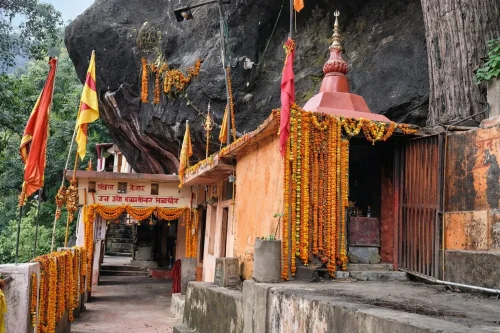
Shri Vridh Badri Temple near Joshimath, Uttarakhand adorned with colorful pillars and floral decorations, a sacred Panch Badri site included in Uttarakhand tour packages Temple

Shri Vridh Badri Temple Panch Badri

Shri Vridh Badri Temple is a Hindu temple dedicated to Lord Vishnu, located in Animath village near Joshimath in Chamoli district, Uttarakhand, India.

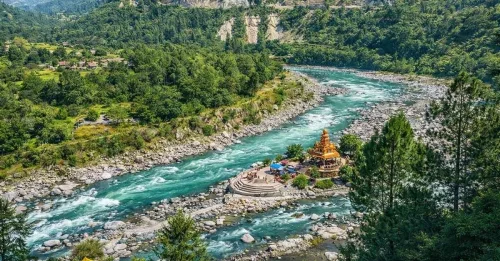
Vishnuprayag sacred confluence of turquoise Alaknanda and Dhauliganga rivers amid lush green forested hills and rocky cliffs, with sunlight sparkling on rushing waters and distant people, perfect Uttarakhand tour package. River Ghat

Vishnuprayag

Vishnuprayag in Joshimath is the sacred confluence of the Alaknanda and Dhauliganga rivers, revered for its spiritual significance and natural beauty.

Amar Kalpvriksh Temple, sacred Shiva shrine with Kalpavriksha tree and Nandi statues in serene natural setting Tourist Attraction

Amar Kalpvriksh

Amar Kalpvriksh in Joshimath is a revered ancient sacred tree, believed to fulfill wishes and offer spiritual blessings to devotees.

Frequently Asked Questions About Nanda Devi National Park

Nanda Devi National Park is located near Joshimath in Chamoli district of Uttarakhand, forming part of the UNESCO listed Nanda Devi Biosphere Reserve.
Visitors can reach Nanda Devi National Park by road up to Joshimath in Uttarakhand, followed by designated trekking routes toward permitted zones of the park.
An entry fee is charged to visit Nanda Devi National Park, and rates vary for Indian and foreign visitors as per Uttarakhand forest department guidelines.
The best time to visit Nanda Devi National Park is between May and June and September to October when weather conditions in Uttarakhand are suitable for trekking.
A valid permit from the forest authorities is required to enter Nanda Devi National Park, and access is restricted to specific buffer zones in Uttarakhand.
Most travelers spend one to two days exploring permitted trekking routes around Nanda Devi National Park from Joshimath in Uttarakhand.
Trekking is allowed only in designated areas of Nanda Devi National Park, and visitors must follow environmental guidelines set by Uttarakhand authorities.
Guesthouses, hotels, and camps are available in Joshimath near Nanda Devi National Park in Uttarakhand for overnight stays.
Food stalls and restroom facilities are not available inside the core zone of Nanda Devi National Park, so visitors should carry essentials from Joshimath in Uttarakhand.
Nanda Devi National Park is more suitable for trekkers and nature enthusiasts, and families with young children should consider fitness levels before planning the visit.

Loved this place ? Let’s Plan Your Uttarakhand Trip

Get customized Uttarakhand tour planning designed around seasonal weather changes, hill road travel timing, pilgrimage flow, and comfort-based pacing. Whether you are visiting for spiritual journeys, Himalayan views, wildlife reserves, river valleys, or p

⚡ Quick Response | 💰 Free consultation | 🕒 24×7 expert support

×

Plan Your Trip