Shri Satyanarayan Tulsi Manas Mandir, Varanasi – Famous Ramayana Temple Near BHU

Shri Satyanarayan Tulsi Manas Mandir , Varanasi
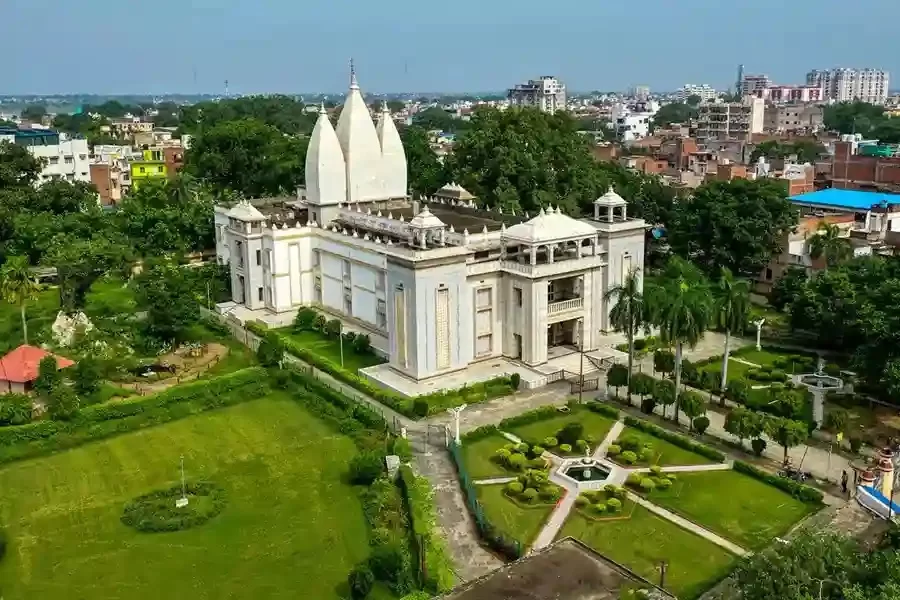
Shri Satyanarayan Tulsi Manas Mandir is one of the most popular religious and cultural attractions in Varanasi, located near Banaras Hindu University (BHU) and close to the famous Durga Kund Temple. The temple is dedicated to Lord Rama and is closely linked with the legacy of Goswami Tulsidas, who wrote the Ramcharitmanas. The temple is famous for its white marble architecture and walls engraved with verses from the Ramcharitmanas in Hindi. Visitors come here to experience a peaceful spiritual atmosphere, admire the temple’s clean and modern design, and learn about the cultural importance of the Ramayana in Indian tradition. The temple is especially visited by devotees, families, and tourists exploring the spiritual circuit of Varanasi.

Quick Facts About Shri Satyanarayan Tulsi Manas Mandir

Entry Fee Free
Timings 05:30 - 12:00, 15:00 - 21:00
Altitude (m) 80
Ideal Visit Duration (hrs) 1
Best Time of Day Morning
Crowd Level Moderate
Distance from City Centre (km) 6
Walking Difficulty Easy
Parking Available Yes
Last Mile Access Road
Suitable for Kids Yes
Suitable for Seniors Yes
Wheelchair Friendly Yes

Why Visit Shri Satyanarayan Tulsi Manas Mandir

Shri Satyanarayan Tulsi Manas Mandir is one of the most peaceful and culturally significant temples in Varanasi, dedicated to Lord Rama. The temple is famous for its strong connection with the Ramayana and the sacred text Ramcharitmanas written by Goswami Tulsidas. Visitors come here to experience a calm spiritual environment, admire the beautiful marble architecture, and read the engraved verses of Ramcharitmanas on the temple walls. Unlike many ancient crowded temples of Varanasi, this temple offers a clean and well-maintained campus, making it a perfect place for both devotees and tourists.

The temple is also an important stop for travelers exploring the religious circuit near BHU, Durgakund Temple, and Sankat Mochan Temple. Many visitors visit Tulsi Manas Mandir to gain spiritual peace, learn about Hindu culture, and enjoy the devotional atmosphere connected with Lord Rama’s life. Its cultural value, artistic design, and educational importance make it one of the best temples to visit in Varanasi for families, pilgrims, and heritage lovers.

Atmosphere

The atmosphere at Shri Satyanarayan Tulsi Manas Mandir is peaceful, devotional, and highly spiritual. The temple complex feels calm and organized, with a clean environment that allows visitors to pray comfortably. The sound of bhajans, chanting of Ram naam, and temple bells creates a soothing spiritual vibe. The surroundings are less chaotic compared to the old city temples, making it ideal for meditation and relaxed temple visits.

In the evening, the temple becomes more lively as devotees gather for prayers and aarti. During festivals like Ram Navami and Diwali, the atmosphere becomes vibrant with decorations, devotional songs, and large gatherings of pilgrims.

What Makes Shri Satyanarayan Tulsi Manas Mandir Special

Tulsi Manas Mandir is special because it is directly associated with the legacy of Goswami Tulsidas and the Ramcharitmanas, one of the most respected religious texts in Hinduism. The temple walls are engraved with beautiful verses and scenes from the Ramayana, making it not only a place of worship but also a cultural learning centre. This unique feature makes the temple highly popular among devotees, students, and tourists.

Another special highlight is the temple’s elegant white marble structure and well-planned campus, which gives visitors a clean and peaceful spiritual experience. Its location near BHU and other major temples also makes it a convenient and important stop in the Varanasi pilgrimage route. The combination of devotion, culture, architecture, and Ramayana heritage makes Shri Satyanarayan Tulsi Manas Mandir one of the most unique temples in Varanasi.

History

Shri Satyanarayan Tulsi Manas Mandir is one of the most well-known modern temples in Varanasi, built in honor of Goswami Tulsidas, the great Hindu saint and poet who composed the sacred epic Ramcharitmanas. The temple was constructed in the mid-20th century and became popular because it celebrates the literary and spiritual legacy of Tulsidas, whose work made the Ramayana accessible to common people through the Awadhi language.

The temple is located near the area traditionally associated with Tulsidas, who is believed to have lived and written parts of the Ramcharitmanas in Varanasi. Because of this connection, the temple was developed as a cultural and devotional landmark, where visitors could not only worship Lord Rama but also experience the teachings and verses of the Ramayana in a sacred environment.

Over time, Tulsi Manas Mandir became one of the most visited temples in the BHU-Durgakund area of Varanasi. Its white marble structure, clean temple campus, and engraved Ramcharitmanas verses have made it an important religious attraction for both pilgrims and tourists.

Cultural Significance

Tulsi Manas Mandir holds strong cultural significance because it represents the living heritage of the Ramayana tradition in North India. The temple is famous for its walls engraved with verses and scenes from the Ramcharitmanas, which makes it a unique cultural monument as well as a place of worship. Visitors can read the sacred text while walking through the temple complex, giving them a spiritual and educational experience at the same time.

The temple is culturally important because it preserves and promotes the teachings of Lord Rama and the devotional literature of Goswami Tulsidas. It is especially respected by devotees who follow the Ram bhakti tradition. During festivals like Ram Navami, the temple becomes a major centre of cultural celebration, devotional singing, and religious gatherings, making it one of the key spiritual-cultural attractions in Varanasi.

Religious Significance

Shri Satyanarayan Tulsi Manas Mandir is religiously significant because it is dedicated to Lord Rama and is closely connected with the worship traditions of the Ramayana. Devotees visit the temple to seek blessings for peace, family well-being, and spiritual strength. The presence of Ramcharitmanas verses throughout the temple makes it a sacred place for those who believe in Ram bhakti and follow the teachings of Lord Rama.

The temple is considered a peaceful spiritual site where visitors can pray, chant Ram naam, and experience the devotional atmosphere of Varanasi beyond the main ghats and Shiva temples. Its connection with Tulsidas makes it a highly respected religious destination for pilgrims visiting the holy city of Kashi.

Best Time to Visit Shri Satyanarayan Tulsi Manas Mandir

The best time to visit Shri Satyanarayan Tulsi Manas Mandir is from October to March, when Varanasi experiences pleasant winter weather and sightseeing becomes comfortable. During this season, the temperature remains cool and ideal for visiting temples, walking around the peaceful temple campus, and exploring nearby attractions like Durgakund Temple, Sankat Mochan Temple, and BHU. Winter is also the peak tourism season in Varanasi, so the temple atmosphere feels lively yet calm, with a good number of pilgrims and tourists.

The most special time to visit the temple is during Ram Navami and Diwali, when the temple becomes beautifully decorated and the devotional atmosphere becomes very vibrant. Summers (April to June) can be hot, but since the temple has a spacious campus, morning and evening visits are still comfortable. Monsoon season (July to September) brings humidity and occasional rainfall, but the temple remains accessible and offers a peaceful spiritual environment even during rainy days.
  • Best Season: October to March (pleasant weather for temple visit)
  • Best Festival Time: Ram Navami and Diwali (high devotional celebrations)
  • Best Time of Day: Morning hours for peaceful darshan and calm atmosphere
  • Evening Visit: Ideal for enjoying bhajans and evening aarti vibes
  • Peak Crowd Days: Weekends and major Hindu festivals
  • Quiet Visit Tip: Weekdays are best for peaceful temple exploration
  • Summer Tip: Avoid afternoon heat and visit early morning or after sunset
  • Monsoon Tip: Carry umbrella; temple surroundings remain pleasant in rain

How to Reach Shri Satyanarayan Tulsi Manas Mandir

  • By Air: The nearest airport is Lal Bahadur Shastri International Airport (Varanasi Airport), located around 28–32 km from Tulsi Manas Mandir. From the airport, you can hire a taxi or book an app-based cab. The travel time is usually 60–90 minutes, depending on traffic.
  • By Train: The nearest major railway station is Varanasi Junction (Cantt Railway Station), located approximately 7–9 km away. From the station, you can reach the temple by taxi, auto-rickshaw, or e-rickshaw within 25–45 minutes.
  • By Road: Tulsi Manas Mandir is well-connected by road and is located in the Durgakund-BHU area of Varanasi. Private taxis, auto-rickshaws, e-rickshaws, and local cabs are easily available from all parts of the city.
  • By Local Transport (Auto/E-Rickshaw): Auto-rickshaws and e-rickshaws are the most convenient and affordable way to reach the temple. Most drivers know the location as it is a popular tourist spot near Durgakund Temple.
  • From BHU (Banaras Hindu University): The temple is located close to BHU and can be reached in about 5–10 minutes by auto-rickshaw or e-rickshaw.
  • From Durgakund Temple: Tulsi Manas Mandir is located very close to Durgakund Temple and can be reached easily on foot in a few minutes, making it a convenient combined visit.
  • From Kashi Vishwanath Temple / Ghats: The temple is around 6–7 km from the main ghat area and Kashi Vishwanath Temple. It usually takes 25–45 minutes to reach depending on traffic.
  • Parking Facility: Parking is available near the temple area. However, during festivals and weekends, parking spaces may become limited due to tourist crowd.
  • Nearest Landmark: The temple is located near Durgakund Tank and close to Sankat Mochan Temple, making it easy to locate for tourists.

What to Expect When You Visit Shri Satyanarayan Tulsi Manas Mandir

  • Peaceful Temple Environment: Visitors can expect a calm and peaceful atmosphere at Tulsi Manas Mandir compared to the crowded temples of old Varanasi. The temple complex is clean, spacious, and well-maintained, making it ideal for relaxed spiritual visits.
  • Beautiful White Marble Architecture: The temple is famous for its elegant white marble structure. Visitors can expect a visually impressive temple with artistic carvings and a modern yet devotional design that stands out among Varanasi’s ancient temples.
  • Ramcharitmanas Verses Engraved on Walls: One of the main highlights is the engraved verses from the Ramcharitmanas on the temple walls. Visitors can expect a unique cultural experience where they can read sacred Ramayana teachings while walking around the temple.
  • Devotional Darshan of Lord Rama: The temple is dedicated to Lord Rama, so visitors can expect a spiritually uplifting darshan experience. The idol area reflects the Ram bhakti tradition and attracts devotees who chant Ram naam with deep devotion.
  • Bhajans and Religious Chanting: Visitors can expect to hear devotional bhajans and Ramayan-related chants inside the temple premises, creating a soothing spiritual environment. The atmosphere feels especially divine during morning and evening prayer time.
  • Family-Friendly Visit: The temple is suitable for families, kids, and seniors. Visitors can expect comfortable walking paths, open space for sitting, and a safe environment for peaceful worship.
  • Moderate Crowd: On normal days, the temple has a moderate crowd. Visitors can expect higher crowd levels during weekends and festivals like Ram Navami, Diwali, and Navratri.
  • Nearby Attractions in One Route: Visitors can expect the convenience of visiting nearby famous places such as Durgakund Temple, Sankat Mochan Temple, and BHU in the same sightseeing route.
  • Photography Opportunities: Visitors can take photos of the temple exterior and marble design, but should expect restrictions in certain inner areas. The temple is a good spot for architecture and cultural photography.
  • Spiritual and Cultural Experience Together: Overall, Tulsi Manas Mandir offers a blend of devotion, Ramayana culture, and peaceful temple exploration, making it one of the best cultural temples to visit in Varanasi.

Important Visitor Information

  • Crowd & Weather Notes: Shri Satyanarayan Tulsi Manas Mandir generally has a moderate crowd compared to the old city temples of Varanasi. The crowd increases during winter season (October to March), weekends, and major festivals like Ram Navami and Diwali. Summers can be hot, but since the temple has an open and spacious campus, visits remain manageable during mornings and evenings. Monsoon season brings humidity and rain, but the temple remains easily accessible and peaceful.
  • Peak Hours: The busiest time is usually 10:00 AM – 12:00 PM and 5:00 PM – 8:00 PM, when most visitors come for darshan and evening prayers. Festival days can be crowded throughout the day.
  • Quiet Hours: The best time for a peaceful visit is early morning (5:30 AM – 8:00 AM) or mid-afternoon (12:30 PM – 2:30 PM), when the crowd is low.
  • Dress Code: There is no strict dress code, but visitors should wear modest and respectful clothing. Traditional attire is preferred. Avoid shorts, sleeveless tops, or revealing outfits as it is a religious place.
  • Safety Notes: The temple premises are generally safe and family-friendly. Still, visitors should take care of personal belongings during peak hours. Avoid touching engraved walls and temple structures unnecessarily. Seniors should walk carefully in crowded areas during festivals. During monsoon, some outdoor surfaces may be slippery, so proper footwear is recommended.

Photography and Viewpoint at Shri Satyanarayan Tulsi Manas Mandir

  • Best Temple Architecture Photography: Shri Satyanarayan Tulsi Manas Mandir is one of the most photogenic temples in Varanasi due to its beautiful white marble structure. Visitors can capture clean and elegant architectural shots of the temple exterior, entrance, and surrounding campus.
  • Ramcharitmanas Engraving Photography: The temple walls are engraved with verses and scenes from the Ramcharitmanas, making it a unique place for cultural photography. Visitors can capture detailed images of these inscriptions, which reflect the artistic and devotional heritage of the Ramayana tradition.
  • Best Time for Photography: Morning hours are ideal for photography because the light is soft and the temple surroundings remain peaceful. Evening time is also good, especially when the temple atmosphere becomes devotional and the lighting creates a calm spiritual mood.
  • Photography Restrictions Inside: Visitors should expect restrictions in certain inner prayer areas. It is recommended to avoid photography near the main sanctum and follow temple rules. Photography is generally easier in the outer courtyard and marble campus area.
  • Peaceful Campus Viewpoint Feel: Tulsi Manas Mandir is not a hilltop or river viewpoint, but its open and spacious campus provides a calm viewpoint-like experience where visitors can sit, relax, and enjoy the peaceful spiritual surroundings.
  • Festival Photography Experience: During Ram Navami and Diwali, the temple is decorated with lights and devotional setups. This creates an excellent opportunity for festive photography, although the crowd can make capturing clean shots difficult.
  • Best Photography Subjects: Popular photography subjects include the marble temple structure, engraved Ramcharitmanas verses, temple courtyard, devotional prayer moments, and the peaceful atmosphere of the complex.
  • Recommended Photography Style: This temple is ideal for architectural photography, cultural documentation, and spiritual travel content creation. Wide-angle photography works best for capturing the full temple structure.
  • Photography Tips: Use wide-angle mode for full temple shots, avoid flash photography, and respect devotees during prayer time. Early morning is recommended for less crowd and better photo angles.
  • Nearby Photography Spots: Visitors can also capture beautiful shots near Durgakund Temple and BHU area after visiting Tulsi Manas Mandir, making it a great route for cultural and spiritual photography in Varanasi.

Near By Attraction

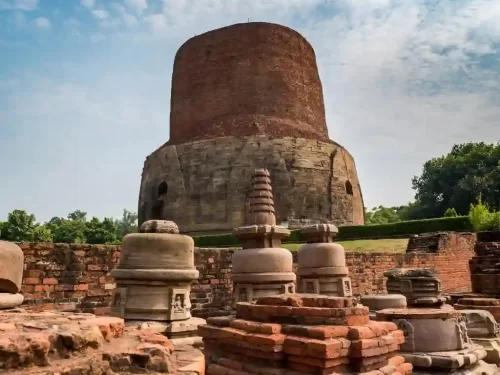
Dhamek Stupa Sarnath, ancient Buddhist monument built of stone and brick marking Buddha’s first sermon site in Uttar Pradesh. Stupa

Dhamek Stupa

Dhamek Stupa in Bodh Gaya is a revered Buddhist monument marking the spot where Buddha delivered his first sermon after attaining enlightenment.

Dashashwamedh Ghat at Varanasi during twilight, featuring temples boats spires reflections, perfect spiritual Uttar Pradesh tour package. River Ghat

Dashashwamedh Ghat

Dashashwamedh Ghat is the most famous and lively ghat in Varanasi, known worldwide for its grand Ganga Aarti and spiritual atmosphere on the River Ganga.

Boat ride at Manikarnika Ghat Varanasi during dusk, featuring temples minarets river reflections, perfect spiritual Uttar Pradesh tour package. River Ghat

Manikarnika Ghat

Manikarnika Ghat is the most sacred cremation ghat in Varanasi, known for its deep spiritual importance and ancient Hindu funeral rituals on the banks of the River Ganga.

Frequently Asked Questions About Shri Satyanarayan Tulsi Manas Mandir

Shri Satyanarayan Tulsi Manas Mandir is located in Varanasi, Uttar Pradesh, near the Durga Kund area. It is associated with Goswami Tulsidas and the composition of the Ramcharitmanas.
Shri Satyanarayan Tulsi Manas Mandir is generally open from early morning around 5:30 AM until late evening around 9:00 PM. Timings may vary during festivals and special religious occasions.
There is no entry fee to visit Shri Satyanarayan Tulsi Manas Mandir. Visitors can enter freely, though donations are accepted for temple maintenance.
Visitors can reach Shri Satyanarayan Tulsi Manas Mandir by taxi, auto rickshaw, or private vehicle within Varanasi, Uttar Pradesh. Varanasi Junction Railway Station is located several kilometers away.
Limited parking is available near Shri Satyanarayan Tulsi Manas Mandir in designated roadside areas. Availability may be restricted during peak tourist seasons.
The best time to visit Shri Satyanarayan Tulsi Manas Mandir is between October and March when the weather in Uttar Pradesh is cooler and comfortable for temple visits.
Most visitors spend about 30 to 60 minutes at Shri Satyanarayan Tulsi Manas Mandir. This allows enough time to view the temple interiors and read inscriptions from the Ramcharitmanas.
Shri Satyanarayan Tulsi Manas Mandir is known for its marble walls engraved with verses from the Ramcharitmanas. The temple complex also includes statues and displays related to Lord Rama.
Shri Satyanarayan Tulsi Manas Mandir is suitable for family visits due to its organized layout and cultural significance. Families visiting Varanasi, Uttar Pradesh often include it in their itinerary.
Basic restroom facilities may be available near Shri Satyanarayan Tulsi Manas Mandir. Food is not allowed inside, but eateries are located nearby in the Durga Kund area.

Loved this place ? Let’s Plan Your Uttar Pradesh Trip

Get customized Uttar Pradesh tour planning designed around seasonal weather, travel distances between heritage regions, spiritual travel flow, and comfortable pacing. Whether you are visiting for historic monuments, temple circuits, river experiences, cul

⚡ Quick Response | 💰 Free consultation | 🕒 24×7 expert support

×

Plan Your Trip