Dhamek Stupa Bodh Gaya – Timings, History & Pilgrimage Guide

Dhamek Stupa , Varanasi
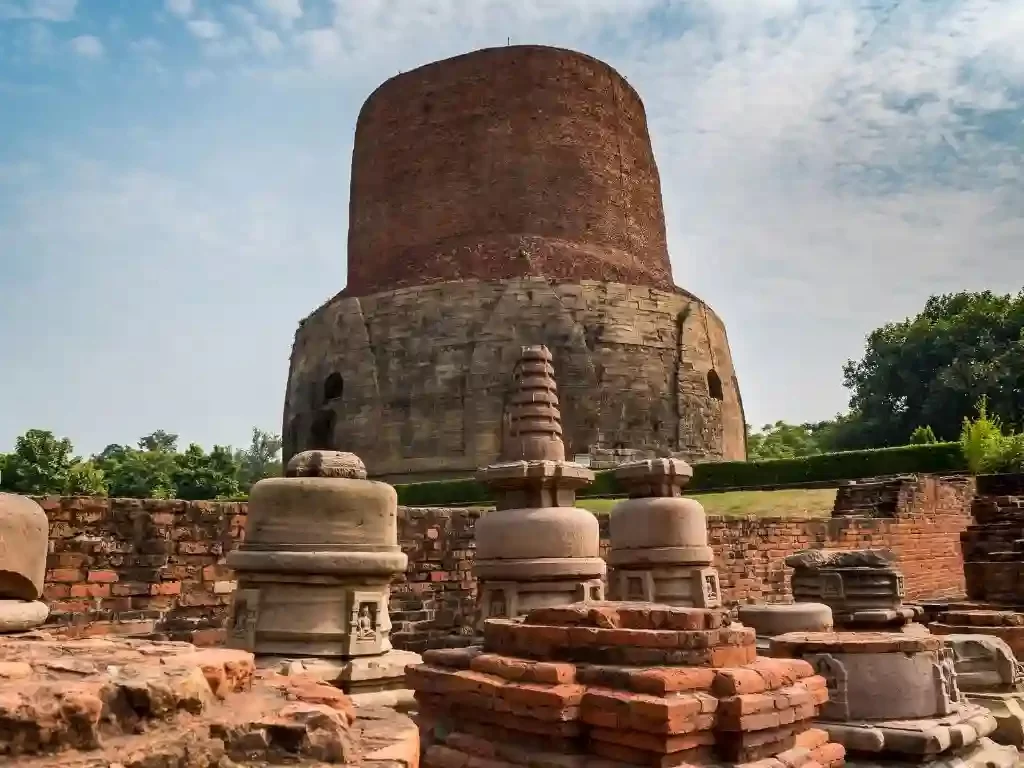
Dhamek Stupa is one of the most significant Buddhist structures in Bodh Gaya, Bihar, located near the Mahabodhi Temple complex. Built to commemorate Buddha’s first sermon at Sarnath, the stupa is a massive cylindrical structure made of brick and stone with intricate carvings and detailed patterns. It attracts pilgrims, monks, and tourists from around the world who come to witness its historical and spiritual significance. The site provides a serene environment for meditation and prayer, making it a vital destination for understanding Buddhist heritage and culture.

Quick Facts About Dhamek Stupa

Entry Fee Free
Timings 05:00 - 19:00
Altitude (m) 115
Ideal Visit Duration (hrs) 1
Best Time of Day Morning
Crowd Level High
Distance from City Centre (km) 1
Walking Difficulty Easy
Parking Available No
Last Mile Access Road
Suitable for Kids Yes
Suitable for Seniors Yes
Wheelchair Friendly Yes

Why Visit Dhamek Stupa

Dhamek Stupa is one of the most important Buddhist monuments in Bodh Gaya, attracting pilgrims, spiritual seekers, and tourists who want to connect with the roots of Buddhism. It is believed to mark the spot where Gautama Buddha delivered his first sermon after attaining enlightenment, making it a symbol of wisdom, teaching, and the beginning of the Buddhist Sangha. Visitors come here to experience the spiritual energy of the site, witness the historic architecture, and engage in meditation or reflection.

The atmosphere around Dhamek Stupa is calm, sacred, and deeply devotional. Despite the presence of tourists and pilgrims, the environment remains peaceful, allowing visitors to sit quietly, meditate, or perform prayers. The sound of chanting, soft footsteps of devotees, and the open courtyard around the stupa creates a serene ambiance that is ideal for spiritual reflection.

What makes Dhamek Stupa special is its impressive cylindrical structure made of brick and stone, with intricate carvings and artistic patterns depicting historical and religious motifs. The massive size and architectural precision of the stupa leave visitors awe-inspired. Its close proximity to Mahabodhi Temple and other key Buddhist sites makes it an essential stop for pilgrims and tourists seeking a comprehensive spiritual and cultural experience in Bodh Gaya.

History of Dhamek Stupa

Dhamek Stupa in Bodh Gaya is a highly significant Buddhist monument, believed to mark the exact location where Lord Buddha delivered his first sermon to his disciples after attaining enlightenment. The stupa symbolizes the spread of Buddha’s teachings and the establishment of the Buddhist Sangha, making it one of the most important pilgrimage sites in India for Buddhists.

The current structure of the stupa was built in the 5th–6th century CE during the Gupta period, replacing an earlier construction. It is a massive cylindrical tower made of brick and stone, adorned with intricate carvings that depict religious motifs and historical figures. The stupa has been preserved over the centuries as a vital monument reflecting the architectural style of ancient Indian Buddhist structures.

Today, Dhamek Stupa stands as a living heritage site, attracting pilgrims and tourists from around the world. It continues to represent the historical and spiritual significance of Buddha’s first sermon, allowing visitors to connect with the origin of Buddhist teachings and experience the sacred energy of this iconic monument.

Best Time to Visit Dhamek Stupa

The ideal time to visit Dhamek Stupa is during the cooler months from October to March, when Bodh Gaya experiences pleasant weather suitable for sightseeing, meditation, and spiritual exploration. Early mornings and late afternoons provide a serene environment with fewer crowds, making it perfect for quiet reflection and photography. Festivals and pilgrimage seasons can enhance the spiritual atmosphere but also bring larger crowds.
  • Best Season: October to March for cool and comfortable weather.
  • Peak Pilgrimage Period: November to February attracts a higher number of international Buddhist pilgrims.
  • Best Time of Day: Early morning (5:00 AM – 8:00 AM) for peaceful visits and minimal crowd.
  • Evening Visit: Late afternoon (4:00 PM – 6:30 PM) provides soft lighting for photography and a tranquil atmosphere.
  • Summer Tip: April to June can be hot and humid; morning or evening visits are recommended.
  • Monsoon Note: July to September brings rain; temple access is possible but paths may be slippery.
  • Festival Time: Buddha Purnima and other Buddhist festivals attract crowds but offer a vibrant cultural and devotional experience.

How to Reach Dhamek Stupa

  • By Air: The nearest airport is Gaya International Airport, located around 7–10 km from Dhamek Stupa. From the airport, visitors can hire taxis or cabs to reach the stupa in approximately 20–30 minutes.
  • By Train: The nearest railway station is Gaya Junction (GAYA), which connects to major cities including Patna, Delhi, Kolkata, and Varanasi. Dhamek Stupa is about 1 km from the station and accessible via auto-rickshaw, taxi, or e-rickshaw.
  • By Road: Bodh Gaya is well-connected by road to nearby cities such as Patna, Rajgir, and Nalanda. Private cars, taxis, and state-run buses provide easy access to the stupa.
  • From Bodh Gaya City Centre: The stupa is around 1 km from Bodh Gaya main market and Mahabodhi Temple complex. Visitors can walk or take a short auto/e-rickshaw ride.
  • Local Transport: E-rickshaws, cycle rickshaws, and taxis are widely available in Bodh Gaya, and most drivers are familiar with the stupa and Mahabodhi Temple landmarks.
  • Last Mile Access: The stupa complex is easily accessible from drop-off points, with well-maintained pathways inside the complex suitable for all age groups and travelers.

What to Expect When You Visit Dhamek Stupa

  • Historical and Spiritual Significance: Dhamek Stupa marks the spot where Gautama Buddha delivered his first sermon, making it a place of immense historical and religious importance. Visitors can expect to experience a strong spiritual atmosphere as they explore the monument.
  • Architectural Grandeur: The stupa is a massive cylindrical structure adorned with intricate carvings and stone patterns. Visitors will be impressed by its size, design, and detailed craftsmanship, which reflect ancient Buddhist architectural style.
  • Peaceful Environment: The stupa complex offers a calm and meditative space, ideal for reflection, prayer, and quiet sightseeing despite the presence of tourists and pilgrims.
  • Devotional Activities: Pilgrims and monks often perform prayers, circumambulations, and rituals around the stupa, creating a devotional and immersive experience for visitors.
  • Photography Opportunities: The monument and its surroundings provide excellent photography options. Wide-angle shots capture the stupa’s grandeur along with pilgrims, while early morning and late afternoon light enhances the visual appeal.
  • Proximity to Other Sites: Dhamek Stupa is located near the Mahabodhi Temple complex, making it easy to combine visits for a full spiritual and cultural experience of Bodh Gaya.
  • Quiet Morning Visit: Early morning visits offer a serene and peaceful experience with fewer crowds, ideal for meditation, contemplation, and photography.
  • Educational Value: Visitors can learn about the origins of Buddhism, Buddha’s teachings, and historical significance while exploring the stupa and its carvings.

Important Visitor Information for Dhamek Stupa

  • Crowd & Weather Notes: Dhamek Stupa is a major Buddhist pilgrimage site and attracts moderate to high crowds, especially during peak season from October to March and on Buddhist festival days such as Buddha Purnima. The weather is most comfortable during winter; summers are hot and humid, and monsoon season may bring rain, making early morning or late afternoon the best times to visit.
  • Peak Hours: The site is busiest between 9:00 AM – 12:00 PM and 4:00 PM – 6:30 PM, especially on weekends and festival days.
  • Quiet Hours: Early morning (5:00 AM – 8:00 AM) is ideal for a peaceful visit, meditation, and photography without crowds.
  • Dress Code: Visitors should wear modest clothing appropriate for a religious site. Avoid shorts, sleeveless tops, or revealing attire. Light cotton clothes are suitable for summer, while warm layers are recommended in winter.
  • Footwear: Shoes should be removed when entering certain sacred areas around the stupa. Wear easily removable footwear for convenience.
  • Safety Notes: Maintain silence and follow the guidelines provided by site authorities. Supervise children during visits, especially in crowded areas, and respect the devotion of pilgrims and monks.
  • Photography Guidelines: Photography is allowed in outdoor areas, but flash photography and filming inside certain sacred zones may be restricted. Follow all signage and instructions from staff.
  • General Tips: Keep the site clean, avoid littering, and maintain respectful behavior to preserve the serene and sacred atmosphere of Dhamek Stupa.

Photography and Viewpoint at Dhamek Stupa

  • Best Photography Spots: Dhamek Stupa is highly photogenic, with its massive cylindrical structure and intricate carvings offering excellent opportunities for wide-angle and detailed shots. The surrounding courtyard and open areas allow visitors to capture the stupa along with pilgrims and monks performing rituals.
  • Best Time for Photography: Early morning (5:00 AM – 8:00 AM) provides soft natural light and fewer crowds, while late afternoon (4:00 PM – 6:30 PM) gives warm lighting that enhances the textures and colors of the stone carvings.
  • Architectural Shots: Close-up photography of the stupa’s detailed carvings and motifs highlights its ancient craftsmanship, while wide-angle shots capture the grandeur and scale of the monument.
  • Viewpoints Around the Stupa: The walking paths and open courtyards surrounding Dhamek Stupa provide multiple viewpoints to photograph the stupa from different angles, including the surrounding smaller shrines and meditation spaces.
  • Cultural and Devotional Photography: Capture monks chanting, pilgrims circumambulating, and devotees offering prayers to portray the living heritage and spiritual significance of the site.
  • Sunrise & Sunset Frames: Sunrise provides soft golden light and a calm atmosphere, while sunset creates warm tones and beautiful shadows for dramatic and serene photos.
  • Rules & Respect: Photography is allowed in the outdoor areas, but visitors should avoid flash near active devotional spaces and respect the privacy of pilgrims and monks. Some inner sacred zones may have restrictions on photography.
  • Travel Reels & Documentation: Dhamek Stupa is ideal for cultural storytelling, travel reels, and heritage documentation, as it combines architectural beauty, historical importance, and active spiritual practices.

Near By Attraction

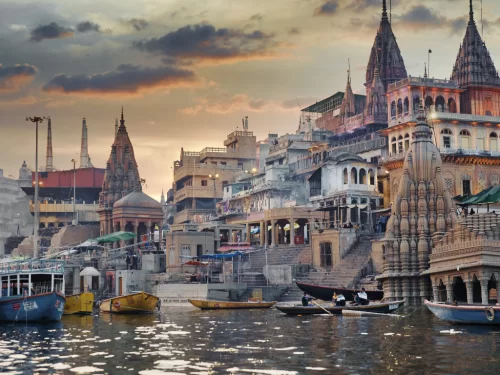
Dashashwamedh Ghat at Varanasi during twilight, featuring temples boats spires reflections, perfect spiritual Uttar Pradesh tour package. River Ghat

Dashashwamedh Ghat

Dashashwamedh Ghat is the most famous and lively ghat in Varanasi, known worldwide for its grand Ganga Aarti and spiritual atmosphere on the River Ganga.
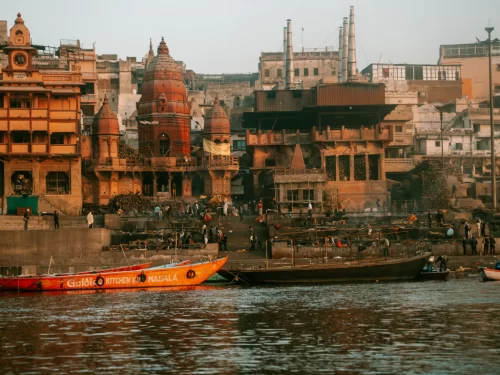
Boat ride at Manikarnika Ghat Varanasi during dusk, featuring temples minarets river reflections, perfect spiritual Uttar Pradesh tour package. River Ghat

Manikarnika Ghat

Manikarnika Ghat is the most sacred cremation ghat in Varanasi, known for its deep spiritual importance and ancient Hindu funeral rituals on the banks of the River Ganga.

Sankat Mochan Hanuman Temple Varanasi, revered Hindu temple dedicated to Lord Hanuman with vibrant facade and spiritual ambiance in Uttar Pradesh. Temple

Sankat Mochan Hanuman Temple

Sankat Mochan Hanuman Temple is one of the most famous temples in Varanasi, dedicated to Lord Hanuman and known for removing obstacles and blessings devotees with strength and protection.

Frequently Asked Questions About Dhamek Stupa

Dhamek Stupa is located in Sarnath, Uttar Pradesh, about 10 kilometers from Varanasi. It is one of the main attractions within the Sarnath archaeological complex.
Dhamek Stupa is generally open from sunrise to sunset, typically around 6:00 AM to 5:00 PM. Visitors should confirm local timings as they may vary seasonally.
An entry fee is charged per person to visit Dhamek Stupa as it is maintained by the Archaeological Survey of India. Ticket prices may differ for Indian and international visitors.
Visitors can reach Dhamek Stupa by taxi, auto rickshaw, or local bus from Varanasi, Uttar Pradesh. The drive usually takes about 30 minutes depending on traffic.
Parking is available near Dhamek Stupa in designated areas close to the Sarnath complex. Spaces may become limited during peak tourist seasons.
The best time to visit Dhamek Stupa is between October and March when the weather in Uttar Pradesh is cooler and more comfortable for outdoor exploration.
Most travelers spend about 45 minutes to one hour at Dhamek Stupa. This allows enough time to walk around the stupa and explore nearby ruins.
Photography is generally allowed at Dhamek Stupa for personal use. Visitors should follow guidelines and avoid restricted areas within the archaeological site.
Dhamek Stupa is suitable for family visits due to its open grounds and manageable walking paths. Families visiting Varanasi, Uttar Pradesh often include it in their Sarnath itinerary.
Basic restroom facilities are available near Dhamek Stupa within the Sarnath complex. Food stalls and small restaurants are located nearby in Sarnath.

Loved this place ? Let’s Plan Your Uttar Pradesh Trip

Get customized Uttar Pradesh tour planning designed around seasonal weather, travel distances between heritage regions, spiritual travel flow, and comfortable pacing. Whether you are visiting for historic monuments, temple circuits, river experiences, cul

⚡ Quick Response | 💰 Free consultation | 🕒 24×7 expert support

×

Plan Your Trip