Dashashwamedh Ghat Varanasi – Famous Ganga Aarti Ghat in Kashi

Dashashwamedh Ghat , Varanasi
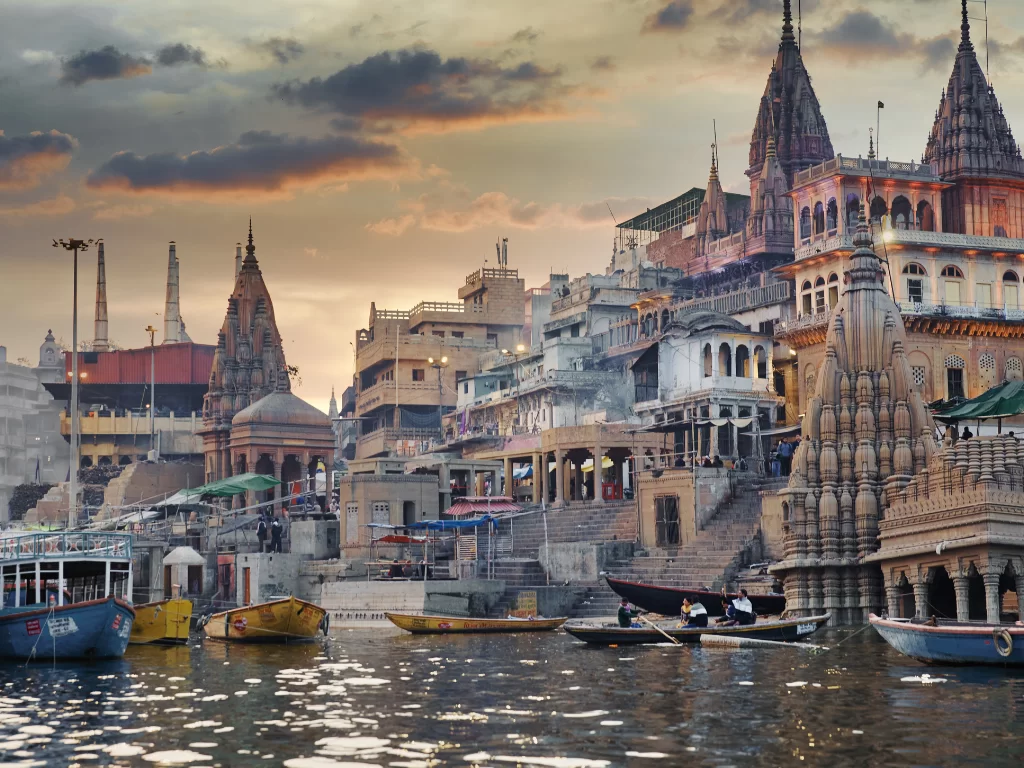
Dashashwamedh Ghat is one of the most important and iconic riverfront ghats in Varanasi, Uttar Pradesh. Located close to the Kashi Vishwanath Temple, this ghat is a major attraction for pilgrims and tourists because of its daily evening Ganga Aarti, where priests perform rituals with fire lamps, chants, and devotional music. The ghat is believed to have ancient origins and is connected with Hindu mythology, making it a sacred site for bathing, prayers, and religious ceremonies. With its vibrant steps, boat rides, temples nearby, and nonstop energy, Dashashwamedh Ghat offers one of the most unforgettable spiritual experiences in Varanasi.

Quick Facts About Dashashwamedh Ghat

Entry Fee Free
Timings 00:00 - 24:00
Altitude (m) 80
Ideal Visit Duration (hrs) 2
Best Time of Day Evening
Crowd Level High
Distance from City Centre (km) 1
Walking Difficulty Moderate
Parking Available No
Last Mile Access Walk
Suitable for Kids Yes
Suitable for Seniors Yes
Wheelchair Friendly No

Why Visit Dashashwamedh Ghat

Dashashwamedh Ghat is the most famous and vibrant ghat in Varanasi, offering one of the strongest spiritual experiences on the banks of the River Ganga. It is best known for its grand daily Ganga Aarti, a powerful ritual of fire, bells, mantras, and devotion performed by priests every evening. Visiting this ghat is a must for anyone who wants to witness the true religious energy of Kashi and experience the traditions that make Varanasi one of the holiest cities in India.

The ghat is also a major pilgrimage spot where devotees take sacred dips in the Ganga, perform prayers, and participate in religious ceremonies. Its central location near the Kashi Vishwanath Temple makes it one of the most visited places in the city. Whether you are a pilgrim, photographer, or cultural traveler, Dashashwamedh Ghat gives you a memorable view of Varanasi’s spiritual life and ancient riverfront heritage.

Atmosphere

The atmosphere at Dashashwamedh Ghat is lively, devotional, and full of energy. From early morning, the ghat remains active with pilgrims, priests, flower sellers, boatmen, and tourists. The sound of temple bells, devotional chants, and flowing river water creates a truly sacred environment. During sunrise hours, the ghat feels calm and peaceful, making it ideal for quiet prayers and scenic river views.

In the evening, the atmosphere becomes grand and electrifying as crowds gather for the Ganga Aarti. The riverfront glows with lamps, incense smoke rises into the air, and the rhythmic chanting creates a magical spiritual mood. The combination of devotion, music, fire rituals, and the holy river makes the experience unforgettable.

What Makes It Special

Dashashwamedh Ghat is special because it is the main centre of spiritual activity in Varanasi and the most famous ghat for experiencing the Ganga Aarti ceremony. The ritual is performed in a highly organized and grand manner, attracting thousands of visitors daily, including international tourists. The sight of priests holding massive fire lamps, synchronized movements, and sacred chants is one of the most iconic scenes of Varanasi.

Another unique feature of this ghat is its mythological significance. According to Hindu belief, Lord Brahma performed a grand sacrifice here and offered ten horses (Dashashwamedh means “ten horses”), which gives the ghat its name and religious importance. Its location close to important temples, boat ride points, and the historic old city lanes makes it one of the best places to experience the cultural soul of Varanasi.

History of Dashashwamedh Ghat

Dashashwamedh Ghat is one of the oldest and most prominent ghats in Varanasi, with a history that dates back to ancient times. It has long been considered a central spiritual and ceremonial location on the banks of the River Ganga. The ghat has been an important gathering point for pilgrims, saints, and worshippers for centuries, making it one of the most historically significant riverfront landmarks in the city of Kashi.

Over the years, Dashashwamedh Ghat has been rebuilt and renovated multiple times due to natural river changes and historical events. The present-day structure and steps were largely developed under the influence of local rulers and patrons who contributed to preserving Varanasi’s sacred riverfront. Today, the ghat remains a key part of the cultural identity of Varanasi and continues to attract thousands of devotees every day.

Religious Significance of Dashashwamedh Ghat

Dashashwamedh Ghat holds immense religious significance in Hinduism and is considered one of the most sacred bathing and worship spots in Varanasi. According to popular Hindu belief, the ghat was established by Lord Brahma, who performed a grand yajna (sacrifice) here and offered ten horses as part of the ritual. This legend is the origin of the name “Dashashwamedh,” meaning “ten-horse sacrifice.”

The ghat is also closely connected with the worship of River Ganga, who is regarded as a divine mother in Hindu tradition. Devotees visit this ghat to take holy dips, offer prayers, perform rituals for ancestors, and seek spiritual purification. It is believed that bathing here helps cleanse sins and brings blessings.

One of the most important religious highlights of Dashashwamedh Ghat is the daily Ganga Aarti, a grand ritual performed every evening. Priests offer fire lamps, incense, flowers, and sacred chants to the river goddess, creating one of the most powerful devotional experiences in India. This daily ceremony has made Dashashwamedh Ghat a spiritual symbol of Varanasi and one of the most visited religious sites along the Ganga.

Best Time to Visit Dashashwamedh Ghat

The best time to visit Dashashwamedh Ghat is from October to March, when Varanasi experiences pleasant winter weather and comfortable temperatures for exploring the ghats. During this season, the riverfront feels lively yet enjoyable, making it ideal for sightseeing, boat rides, and attending the famous Ganga Aarti without discomfort from heat or humidity.

The ghat can be visited throughout the year, but summers (April to June) are extremely hot, with strong sunlight and high temperatures that make walking on the stone steps tiring. The monsoon season (July to September) brings rain and humidity, and the ghat steps can become slippery due to water and river moisture. Winter remains the most recommended season for tourists as the atmosphere becomes more festive and the river views are clearer.

For the best experience, visit early in the morning to enjoy peaceful sunrise views and calm river vibes, or visit in the evening to witness the world-famous Ganga Aarti, which is the highlight of Dashashwamedh Ghat. Evening visits are highly recommended, but visitors should arrive early to get a good spot because crowds become very large.
  • Best Season: October to March (cool and pleasant weather)
  • Best Months: November to February (ideal climate and clear river views)
  • Best Time of Day: Evening for Ganga Aarti and early morning for sunrise
  • Ganga Aarti Time: Around 6:30 PM–7:00 PM (changes slightly by season)
  • Ideal for Boat Ride: Early morning and sunset hours
  • Avoid Visiting During: Afternoon in summer due to extreme heat
  • Festival Season: Dev Deepawali, Kartik Purnima, and Maha Shivratri bring very heavy crowds
  • Monsoon Note: July to September can make steps slippery and weather humid

How to Reach Dashashwamedh Ghat

  • By Air: The nearest airport is Lal Bahadur Shastri International Airport (Varanasi Airport), located around 25–27 km from Dashashwamedh Ghat. From the airport, you can hire a taxi, cab, or prepaid airport transport to reach the Godowlia or Kashi Vishwanath area, and then walk to the ghat.
  • By Train: The nearest major railway station is Varanasi Junction (BSB), about 5–6 km away. Another nearby station is Manduadih Railway Station. From the station, you can take an auto-rickshaw, e-rickshaw, or taxi up to Godowlia Chowk or Vishwanath Corridor, followed by a short walk.
  • By Road: Varanasi is well connected by highways to cities like Prayagraj, Lucknow, Patna, and Gorakhpur. Private taxis, buses, and local transport can bring you to the main city areas such as Cantt or Godowlia, from where Dashashwamedh Ghat is easily accessible.
  • By Auto / E-Rickshaw: Auto-rickshaws and e-rickshaws are the most convenient local transport options. They can drop you near Godowlia Chowk or close to the Vishwanath Corridor entrance, after which you need to walk through narrow lanes to reach the ghat.
  • By Walking (Last Mile Access): The final approach to Dashashwamedh Ghat involves walking through busy old-city lanes. The route is crowded with shops, temples, and pilgrims, especially in the evening. Comfortable footwear is recommended.
  • By Boat: Dashashwamedh Ghat is one of the main boat boarding points in Varanasi. You can also reach here by boat from nearby ghats like Assi Ghat or Manikarnika Ghat. A boat ride offers scenic views of the riverfront and is one of the best ways to experience Varanasi.
  • Nearest Landmark: Dashashwamedh Ghat is located very close to the Kashi Vishwanath Temple, making it easy to combine both attractions in one visit.

What to Expect When You Visit Dashashwamedh Ghat

  • Spiritual Energy and Devotional Atmosphere: Dashashwamedh Ghat is one of the most sacred and active ghats in Varanasi. Visitors can expect a strong spiritual vibe with continuous prayers, rituals, and devotees worshipping the River Ganga.
  • Famous Evening Ganga Aarti: The main highlight of visiting Dashashwamedh Ghat is witnessing the grand Ganga Aarti held every evening. Priests perform synchronized rituals with large fire lamps, bells, incense, and chanting, creating one of the most memorable religious experiences in India.
  • Large Crowds and Busy Movement: This ghat remains extremely crowded, especially during evening Aarti time. Expect heavy footfall of pilgrims, tourists, priests, photographers, and local vendors. Arriving early is recommended to get a good viewing spot.
  • Beautiful Riverfront Views: The ghat offers stunning views of the River Ganga with boats floating, pilgrims bathing, and temple silhouettes in the background. Sunrise and sunset hours provide a peaceful and scenic experience.
  • Boat Rides and River Cruises: Dashashwamedh Ghat is one of the main points for booking boat rides. Visitors can enjoy short boat trips, sunrise cruises, or evening rides during Aarti for a unique viewpoint from the river.
  • Religious Rituals and Holy Dips: You will see people taking sacred baths in the Ganga, offering flowers, lighting diyas, and performing puja rituals. Many pilgrims come here for spiritual cleansing and blessings.
  • Local Vendors and Market Feel: The surrounding lanes near the ghat are filled with shops selling flowers, incense, prasad, souvenirs, and traditional items. The area has a lively marketplace atmosphere, especially in peak season.
  • Steps and Crowded Pathways: The ghat has large stone steps leading down to the river. During peak hours, movement can be difficult due to crowds. The steps may also become slippery in monsoon season.
  • Temple Views and Sacred Surroundings: Dashashwamedh Ghat is close to major temples, including the Kashi Vishwanath Temple area. The surrounding architecture and spiritual landmarks add to the cultural richness of the visit.
  • Strong Cultural Experience: Visitors can expect an authentic cultural experience, with traditional chanting, rituals, priests in ceremonial attire, and the timeless heritage of Varanasi’s riverfront lifestyle.
  • Peaceful Morning Experience: If you visit early morning, you can enjoy calm surroundings, less crowd, fresh air, and scenic sunrise views, which is ideal for quiet photography and meditation.
  • A Memorable and Photogenic Visit: Dashashwamedh Ghat is one of the most photographed places in Varanasi. The combination of river, temples, boats, rituals, and Aarti lights makes it a visually stunning destination.

Important Visitor Information for Dashashwamedh Ghat

  • Crowd Level: Dashashwamedh Ghat is one of the busiest ghats in Varanasi and remains crowded throughout the day. The crowd becomes extremely heavy during the evening Ganga Aarti and major festivals.
  • Peak Hours: The peak crowd time is usually from 5:30 PM to 8:00 PM (during Ganga Aarti). Morning hours between 7:00 AM to 10:00 AM also see large numbers of pilgrims.
  • Quiet Hours: The quietest time to visit is early morning (5:30 AM to 7:00 AM), when the ghat feels peaceful and ideal for photography, meditation, and boat rides.
  • Weather Notes: Winter (October to March) is the best season with pleasant temperatures. Summer (April to June) can be extremely hot and exhausting. Monsoon (July to September) brings humidity and rain, and the ghat steps may become slippery.
  • Rain & Slippery Steps: During monsoon, the stone steps can become very slippery due to rainwater and river moisture. Visitors should walk carefully and wear shoes with a good grip.
  • Dress Code: Wear modest and respectful clothing as it is a sacred religious place. Avoid revealing outfits. Traditional and comfortable clothing is best, especially for attending the evening Aarti.
  • Best Tip for Ganga Aarti: Arrive at least 45–60 minutes early to get a good viewing spot. The ghat becomes packed quickly, and late arrivals may not get proper space.
  • Boat Aarti Viewing: Many tourists choose to watch the Aarti from a boat. If you plan this, confirm the price before boarding and choose official boat operators to avoid overcharging.
  • Safety Notes: Due to heavy crowds, keep your phone, wallet, and valuables secure. Pickpocketing can happen during peak tourist times, especially in the evening.
  • Footwear & Walking: Expect a lot of walking and climbing steps. Comfortable footwear is recommended. Avoid running or rushing on crowded steps.
  • Local Vendors & Scams: Flower sellers and priests may approach you for offerings or donations. Always ask the price in advance and avoid paying unnecessary charges unless you willingly want to donate.
  • Photography Guidelines: Photography is allowed and common, but during Aarti it may be difficult due to crowd movement. Avoid blocking others or entering restricted areas near priests.
  • Kids and Seniors: The ghat is suitable for families, but children and elderly visitors should be carefully guided during peak crowd hours due to pushing and congestion.
  • Emergency Tip: If you feel uncomfortable in the crowd, move toward the upper steps or side lanes where it is easier to breathe and exit quickly.

Photography and Viewpoint at Dashashwamedh Ghat

  • One of the Most Photogenic Ghats in Varanasi: Dashashwamedh Ghat is among the best places in Varanasi for photography because of its wide riverfront steps, constant activity, colorful boats, and the spiritual vibe of the Ganga.
  • Best Viewpoint for Ganga Aarti: The best viewpoint is from the middle or upper steps of the ghat, where you can clearly see the priests performing the Aarti, the fire lamps, and the crowd atmosphere.
  • Boat Viewpoint (Highly Recommended): Watching the evening Ganga Aarti from a boat is one of the most popular and scenic experiences. From the river, you get a wide-angle view of the entire ghat, the glowing lamps, chanting priests, and reflections on the Ganga water.
  • Sunrise Photography: Early morning is perfect for photography. The sunrise light over the Ganga, boats floating quietly, and pilgrims performing rituals create peaceful and cinematic shots.
  • Sunset and Evening Lighting: The evening atmosphere becomes extremely vibrant, especially before Aarti. Sunset gives golden reflections on the river, and after dark the ghat lights create dramatic visuals.
  • Best Angles for Wide Shots: Wide-angle photos work best here. Capture the ghat steps, boats lined up, riverfront temples, and crowds gathering for Aarti for the most iconic Varanasi views.
  • Photography During Ganga Aarti: Photography is allowed during Aarti, but the crowd can make it difficult. Arrive early to secure a stable position and avoid blocking others.
  • Drone Photography: Drone use is generally restricted in sensitive and crowded areas like ghats. Tourists should avoid drone flying unless they have official permissions.
  • Night Photography: Night photography is excellent at Dashashwamedh Ghat because the Aarti lamps, temple lights, and glowing diyas on the river create a magical scene. A tripod is useful, but in crowds it may not be practical.
  • Street Photography in Nearby Lanes: The lanes near Dashashwamedh Ghat offer rich cultural photography opportunities including flower markets, temple entrances, pilgrims, sadhus, and local life in the old city.
  • Respect and Crowd Awareness: While photography is common here, visitors should remain respectful, especially around priests, worshippers, and people performing rituals. Avoid pushing or taking close-up shots of individuals without permission.
  • Best Photo Spots Nearby: Some of the best views of Dashashwamedh Ghat can also be captured from nearby ghats such as Man Mandir Ghat and Scindia Ghat, which provide a wider perspective of the riverfront.

Near By Attraction

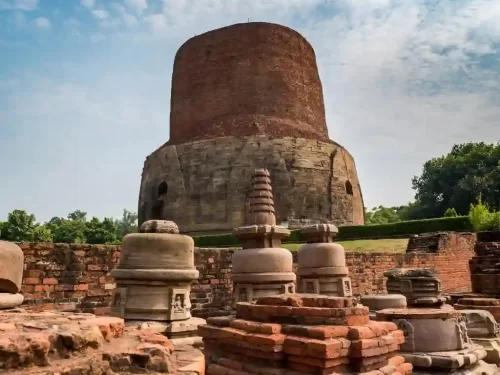
Dhamek Stupa Sarnath, ancient Buddhist monument built of stone and brick marking Buddha’s first sermon site in Uttar Pradesh. Stupa

Dhamek Stupa

Dhamek Stupa in Bodh Gaya is a revered Buddhist monument marking the spot where Buddha delivered his first sermon after attaining enlightenment.
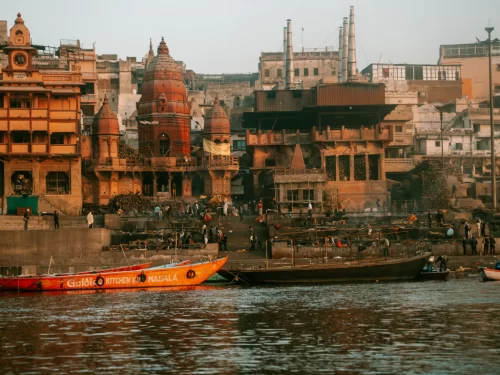
Boat ride at Manikarnika Ghat Varanasi during dusk, featuring temples minarets river reflections, perfect spiritual Uttar Pradesh tour package. River Ghat

Manikarnika Ghat

Manikarnika Ghat is the most sacred cremation ghat in Varanasi, known for its deep spiritual importance and ancient Hindu funeral rituals on the banks of the River Ganga.

Sankat Mochan Hanuman Temple Varanasi, revered Hindu temple dedicated to Lord Hanuman with vibrant facade and spiritual ambiance in Uttar Pradesh. Temple

Sankat Mochan Hanuman Temple

Sankat Mochan Hanuman Temple is one of the most famous temples in Varanasi, dedicated to Lord Hanuman and known for removing obstacles and blessings devotees with strength and protection.

Frequently Asked Questions About Dashashwamedh Ghat

Dashashwamedh Ghat is located in Varanasi, Uttar Pradesh, along the banks of the Ganga River near the old city area. It is one of the most prominent ghats in Varanasi.
Dashashwamedh Ghat is open throughout the day and night, as it is a public riverfront ghat. Visitors can access it at any time, though evenings are the most crowded.
There is no entry fee to visit Dashashwamedh Ghat. Visitors can access the ghat freely, though boat rides and special seating for aarti may have separate charges.
Visitors can reach Dashashwamedh Ghat by auto rickshaw, taxi, or on foot from nearby roads in Varanasi, Uttar Pradesh. The nearest major railway station is Varanasi Junction.
Limited parking is available near the main road areas close to Dashashwamedh Ghat. Visitors usually need to walk through narrow lanes to reach the ghat.
The best time to visit Dashashwamedh Ghat is between October and March when the weather in Uttar Pradesh is cooler and more comfortable for outdoor visits.
Most visitors spend about one to two hours at Dashashwamedh Ghat. This allows time to explore the riverfront and attend the evening aarti ceremony.
A grand Ganga aarti is held every evening at Dashashwamedh Ghat. Visitors are advised to arrive early to secure a good viewing spot or arrange boat seating.
Dashashwamedh Ghat is suitable for family visits, though visitors should be prepared for large crowds, especially during evenings and festivals.
Basic restroom facilities may be available near Dashashwamedh Ghat. Numerous eateries, tea stalls, and shops are located nearby in the old city area.

Loved this place ? Let’s Plan Your Uttar Pradesh Trip

Get customized Uttar Pradesh tour planning designed around seasonal weather, travel distances between heritage regions, spiritual travel flow, and comfortable pacing. Whether you are visiting for historic monuments, temple circuits, river experiences, cul

⚡ Quick Response | 💰 Free consultation | 🕒 24×7 expert support

×

Plan Your Trip