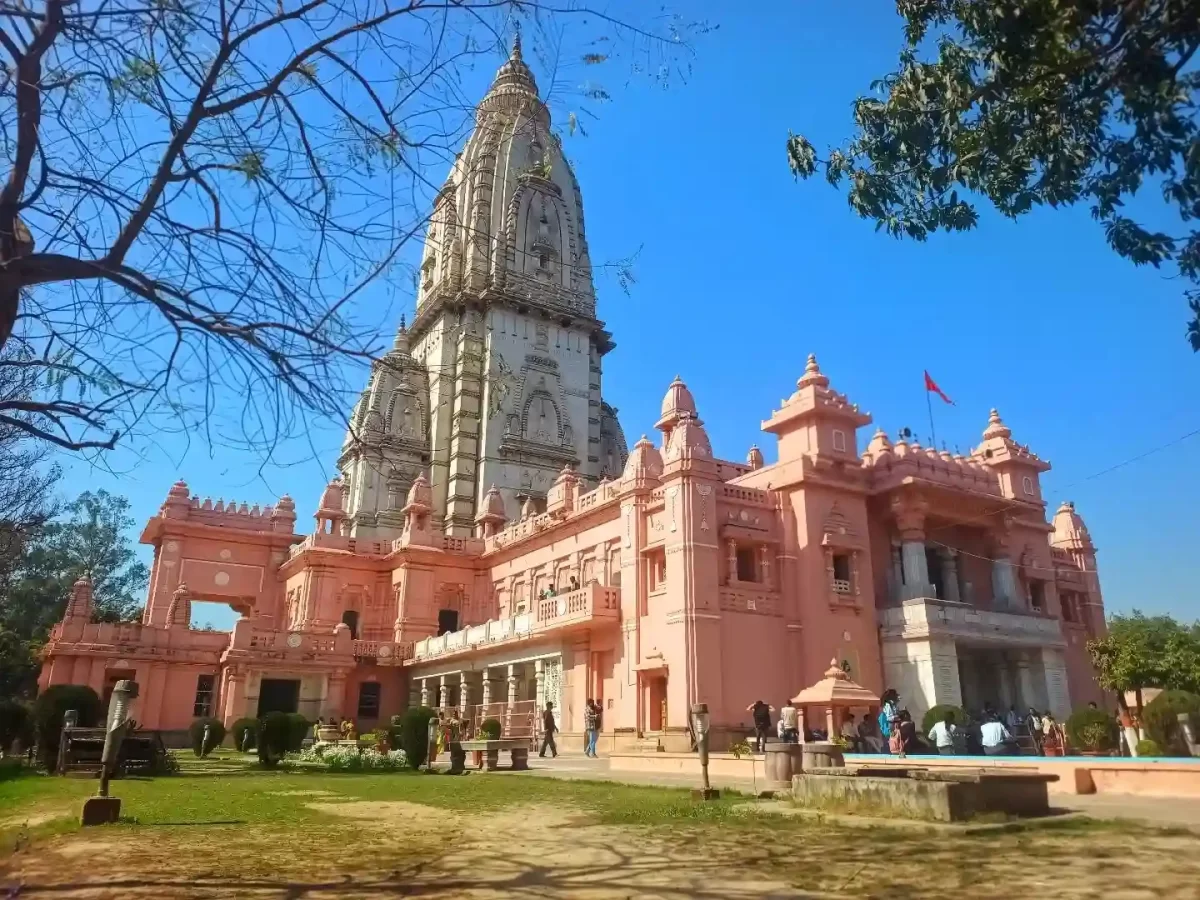
Shri Kashi Vishwanath Temple, Varanasi – Most Sacred Shiva Temple in India

Shri Kashi Vishwanath Temple , Varanasi
Shri Kashi Vishwanath Temple is among the most important pilgrimage sites in India and is one of the 12 Jyotirlingas of Lord Shiva. Located in the heart of Varanasi near the Ganga ghats, the temple attracts millions of devotees every year who come to seek blessings and experience the divine energy of Kashi. The temple is known for its powerful spiritual atmosphere, ancient religious significance, and the famous Kashi Vishwanath Corridor that connects the temple directly to the riverfront. Devotees believe that visiting this temple and offering prayers to Lord Shiva brings liberation (moksha). The temple remains crowded throughout the year, especially during festivals like Mahashivratri, Shravan month, and Mondays. For pilgrims and spiritual travelers, Shri Kashi Vishwanath Temple is the most essential place to visit in Varanasi.

Quick Facts About Shri Kashi Vishwanath Temple

Entry Fee Free
Timings 00:00 - 24:00
Altitude (m) 80
Ideal Visit Duration (hrs) 2
Best Time of Day Morning
Crowd Level High
Distance from City Centre (km) 3
Walking Difficulty Moderate
Parking Available No
Last Mile Access Walk
Suitable for Kids Yes
Suitable for Seniors Yes
Wheelchair Friendly Yes

Why Visit Shri Kashi Vishwanath Temple

Shri Kashi Vishwanath Temple is one of the most sacred temples in India and a must-visit destination for every Hindu pilgrim. Dedicated to Lord Shiva, this temple is among the 12 holy Jyotirlingas and holds immense spiritual importance in Hinduism. Located in the heart of Varanasi near the River Ganga, the temple is believed to be a divine place where Lord Shiva resides as Vishwanath, the “Lord of the Universe.” Devotees visit the temple to seek blessings for peace, health, prosperity, and liberation (moksha). It is widely believed that a visit to Kashi Vishwanath Temple removes sins and grants spiritual enlightenment.

The temple is also famous for the grand Kashi Vishwanath Corridor, which connects the shrine to the Ganga ghats and provides a smooth pilgrimage experience. Tourists and devotees visit not only for darshan but also to experience the powerful spiritual energy of Kashi, where ancient rituals and devotion continue daily. The temple becomes even more significant during festivals like Mahashivratri and Shravan month, when the entire city transforms into a major pilgrimage centre. For spiritual travelers, Kashi Vishwanath Temple is the soul of Varanasi and the most important place to visit in the city.

Atmosphere

The atmosphere at Shri Kashi Vishwanath Temple is intensely devotional, energetic, and spiritually overwhelming. The temple complex is filled with the sound of bells, Vedic chants, and Shiva mantras echoing throughout the corridor. Devotees from across India stand in long queues, carrying offerings like milk, flowers, bilva leaves, and sacred water from the Ganga.

Despite the crowd, the atmosphere feels divine and deeply emotional, especially during aarti time. The surrounding area reflects the true spiritual identity of Varanasi, with priests, pilgrims, and sacred rituals happening continuously. The temple’s location near the ghats adds to the holy environment, making the entire visit feel like a complete spiritual journey.

What Makes Shri Kashi Vishwanath Temple Special

Shri Kashi Vishwanath Temple is special because it houses one of the most powerful Jyotirlingas of Lord Shiva, making it one of the highest-ranking pilgrimage sites in Hinduism. The belief that Kashi is the city of moksha and that Lord Shiva grants liberation here makes this temple spiritually unmatched. The temple is not only a place of worship but also a symbol of India’s ancient religious heritage and living traditions.

Another major highlight is the Kashi Vishwanath Corridor, which has transformed the pilgrimage experience by providing a grand and organized pathway from the temple to the River Ganga. The temple’s deep connection with centuries-old traditions, its sacred rituals, and its spiritual energy make it one of the most special and unforgettable religious attractions in the world.

History

Shri Kashi Vishwanath Temple is one of the most ancient and most revered temples in India, located in the holy city of Varanasi. Dedicated to Lord Shiva, the temple is believed to have existed since ancient times and has been mentioned in various Hindu scriptures, Puranas, and historical records. Kashi (Varanasi) is considered the eternal city of Lord Shiva, and the Kashi Vishwanath Jyotirlinga is worshipped as one of the most powerful spiritual centres in Hinduism.

Throughout history, the temple has undergone multiple reconstructions due to invasions and destruction. The present structure of the temple was built in the 18th century by Maharani Ahilyabai Holkar of Indore, who played a major role in restoring Hindu temples across India. The temple later gained further prominence when its iconic gold-plated spire and dome were donated by Maharaja Ranjit Singh of Punjab, which is why the temple is also popularly called the “Golden Temple of Varanasi.”

In modern times, the temple’s surroundings were transformed with the development of the Kashi Vishwanath Corridor, which created a direct connection between the temple and the River Ganga, improving accessibility and enhancing the overall pilgrimage experience. Today, the temple remains one of the most visited religious sites in the world, drawing millions of devotees each year.

Religious Significance

Shri Kashi Vishwanath Temple holds immense religious significance because it is one of the 12 Jyotirlingas of Lord Shiva, making it among the most sacred pilgrimage destinations in Hinduism. Devotees believe that worshipping Lord Shiva here brings spiritual purification and blessings for health, prosperity, and peace. It is also believed that anyone who attains darshan of Kashi Vishwanath Jyotirlinga is blessed with liberation (moksha), as Varanasi is considered the ultimate city of salvation.

The temple is also closely linked with the sacred River Ganga, and pilgrims often perform ritual baths and offer holy water to Lord Shiva. Visiting Kashi Vishwanath Temple is considered one of the most important spiritual journeys in Hindu tradition, and it becomes especially sacred during Shravan month, Mahashivratri, and Mondays, when devotees gather in huge numbers for darshan and aarti. The temple’s divine energy, ancient traditions, and Jyotirlinga status make it one of the holiest Shiva temples in India.

Best Time to Visit Shri Kashi Vishwanath Temple

The best time to visit Shri Kashi Vishwanath Temple is from October to March, when Varanasi experiences pleasant winter weather and the overall pilgrimage experience becomes comfortable. During these months, the temperature remains cool, making it easier for devotees to stand in queues, walk through the Vishwanath Corridor, and explore nearby ghats like Dashashwamedh Ghat and Manikarnika Ghat. Winter is also the peak tourist season in Varanasi, so the temple area feels vibrant and spiritually active.

The most sacred time to visit the temple is during the Shravan month (July–August), when Lord Shiva is worshipped with special devotion and thousands of pilgrims arrive daily. Another highly important time is Mahashivratri, when the temple becomes the centre of grand celebrations and night-long worship. However, during these festival periods, the crowd becomes extremely heavy, and waiting time may increase significantly. For a peaceful darshan, early mornings or late-night hours are the best.
  • Best Season: October to March (pleasant weather and comfortable darshan)
  • Most Sacred Season: Shravan month (July–August) for Shiva devotees
  • Best Festival Time: Mahashivratri (highly spiritual but extremely crowded)
  • Best Time of Day: Early morning (Mangala Aarti time) for divine experience
  • Evening Visit: Ideal for experiencing aarti and corridor atmosphere
  • Peak Crowd Days: Mondays, weekends, Shravan days, and festival dates
  • Quiet Visit Tip: Visit late night or early morning on weekdays for shorter queues
  • Summer Tip: Avoid afternoon hours due to heat and heavy crowd in lanes

How to Reach Shri Kashi Vishwanath Temple

  • By Air: The nearest airport is Lal Bahadur Shastri International Airport (Varanasi Airport), located around 25–27 km from Shri Kashi Vishwanath Temple. From the airport, you can hire a prepaid taxi or book an app-based cab to reach the Vishwanath Corridor entry point. Travel time is usually 60–90 minutes, depending on traffic.
  • By Train: The nearest major railway station is Varanasi Junction (Cantt Railway Station), located approximately 4–5 km away. From the station, you can take an auto-rickshaw, e-rickshaw, or taxi to reach the temple area in about 20–35 minutes. Another nearby station is Banaras Railway Station, which is also well-connected to major Indian cities.
  • By Road: Varanasi is well-connected by road to major cities like Prayagraj, Lucknow, Patna, and Gorakhpur. Private taxis, buses, and self-drive vehicles can reach Varanasi easily. The temple is located in the old city area, where roads become narrow and traffic can be heavy.
  • By Local Transport (Auto/E-Rickshaw): Auto-rickshaws and e-rickshaws are the most common and budget-friendly way to reach the temple area. You can reach major access points like Godowlia or Maidagin and then proceed towards the Vishwanath Corridor entrance.
  • Last Mile Access: Vehicles are restricted near the main temple area due to security and crowd control. Visitors must walk through the designated corridor entry route after security checks. The Kashi Vishwanath Corridor provides a smooth walking pathway connecting the temple to the Ganga ghats.
  • By Boat (Scenic Route): Many tourists prefer reaching the temple area by taking a boat ride to nearby ghats such as Lalita Ghat or Dashashwamedh Ghat, and then walking through the Vishwanath Corridor route for a unique spiritual experience.
  • Nearest Landmark: The temple is located near Dashashwamedh Ghat and the famous Kashi Vishwanath Corridor, making it one of the most recognizable landmarks in Varanasi.
  • Travel Tip: It is recommended to visit early morning or late night to avoid heavy crowd and traffic in the old city lanes, especially during festivals and Mondays.

What to Expect When You Visit Shri Kashi Vishwanath Temple

  • Powerful Jyotirlinga Darshan: Shri Kashi Vishwanath Temple is one of the 12 Jyotirlingas, so visitors can expect a deeply spiritual and emotional darshan experience. Devotees come here with strong faith, believing that Lord Shiva blesses them with peace and moksha.
  • High Security and Entry Checks: Due to the importance of the temple, visitors should expect strict security checks at the entry points. Carry minimal belongings, as large bags and restricted items may not be allowed inside.
  • Long Queues and Heavy Crowd: The temple is extremely crowded almost every day. Visitors should expect long queues, especially on Mondays, during Shravan month, and festivals like Mahashivratri. Waiting time may vary from 30 minutes to several hours depending on the crowd.
  • Grand Kashi Vishwanath Corridor Experience: Visitors can expect a smooth and organized walking path through the Kashi Vishwanath Corridor. The corridor is spacious and beautifully designed, connecting the temple directly to the River Ganga, creating a complete pilgrimage experience.
  • Traditional Rituals and Offerings: You will see devotees offering milk, water, bilva leaves, flowers, and sacred Ganga jal to Lord Shiva. Priests perform regular puja rituals, and the temple remains active with spiritual chanting throughout the day.
  • Divine Aarti Experience: Visitors can expect a powerful atmosphere during aarti times, especially Mangala Aarti early morning and evening aarti. The temple bells, Vedic chants, and devotional energy make the experience unforgettable.
  • Spiritual Energy of Old Kashi: The surroundings of the temple reflect the ancient spiritual identity of Varanasi. Visitors can expect narrow old lanes, traditional markets, religious shops, and a strong devotional environment around the temple zone.
  • Nearby Sacred Attractions: After visiting the temple, tourists often explore nearby ghats like Dashashwamedh Ghat and Manikarnika Ghat. Visitors can expect an easy connection between temple darshan and Ganga river rituals.
  • Limited Photography Inside: Visitors should expect restrictions on photography inside the temple premises. Photography is usually not allowed near the sanctum, so it is best to capture photos only in permitted corridor areas.
  • Emotionally Uplifting Experience: Overall, visiting Shri Kashi Vishwanath Temple is a life-changing spiritual journey for many devotees. Visitors can expect a powerful combination of devotion, sacred rituals, crowd energy, and the divine presence of Lord Shiva.

Important Visitor Information

  • Crowd & Weather Notes: Shri Kashi Vishwanath Temple remains extremely crowded throughout the year due to its Jyotirlinga importance. The crowd becomes massive during Shravan month (July–August), Mondays, Mahashivratri, and major Hindu festivals. Winter season (October to March) is the most comfortable for visiting, but it is also the busiest tourist period. Summers can be very hot, and waiting in queues may feel exhausting. During monsoon, humidity and rain can increase discomfort, especially in the old city lanes.
  • Peak Hours: The busiest time is usually 6:00 AM – 11:00 AM and 5:00 PM – 10:00 PM, when most pilgrims arrive for darshan and aarti. Mondays and festival days remain crowded all day.
  • Quiet Hours: The best time for relatively peaceful darshan is late night (11:00 PM – 3:00 AM) or early morning (4:00 AM – 6:00 AM). Weekdays outside Shravan month offer shorter queues.
  • Dress Code: There is no strict dress code, but visitors should wear modest and traditional clothing as it is a highly sacred Shiva temple. Avoid shorts, sleeveless outfits, or revealing clothes. Comfortable clothing is recommended due to long queues. Footwear must be removed before entering the temple area.
  • Safety Notes: Due to heavy crowd and security checks, visitors should carry minimal valuables and avoid bringing large bags. Pickpocketing can happen in crowded areas, so keep phones and wallets secure. Seniors and children should stay with family members as the crowd can be overwhelming. During summer, carry water and avoid afternoon heat. Always follow temple security rules, avoid photography in restricted areas, and maintain discipline inside the corridor and temple premises.

Photography and Viewpoint at Shri Kashi Vishwanath Temple

  • Spiritual Photography Experience: Shri Kashi Vishwanath Temple is one of the most iconic religious sites in India, offering a unique opportunity to capture the spiritual essence of Varanasi. The surroundings of the temple, including the Vishwanath Corridor and nearby ghats, provide excellent frames for devotional travel photography.
  • Kashi Vishwanath Corridor Photography: The newly developed Kashi Vishwanath Corridor is one of the best places for photography. Visitors can capture wide-angle shots of the grand corridor architecture, decorative pillars, open pathways, and the well-organized spiritual complex.
  • Ganga River Viewpoint Connection: The temple is directly connected to the River Ganga through the corridor. Visitors can enjoy a viewpoint-like experience where the spiritual energy of the temple blends with the sacred riverfront atmosphere. The nearby ghats provide scenic views of the river and temple surroundings.
  • Best Time for Photography: Early morning is ideal for photography as the corridor looks peaceful and the light is soft. Evening time is also excellent, especially during sunset hours, when the Ganga ghats glow and the corridor lighting creates a beautiful spiritual ambiance.
  • Photography Restrictions Inside Temple: Visitors should expect strict restrictions on photography inside the main temple sanctum and near the Jyotirlinga area. Photography is usually not allowed inside the shrine, and visitors should respect the rules for security and religious discipline.
  • Best Photography Subjects: Popular subjects include the corridor entrance, temple surroundings, devotees walking with offerings, spiritual rituals, aarti atmosphere, and panoramic riverfront scenes from nearby ghats.
  • Old City Lane Photography: The lanes near the temple offer authentic Banaras street photography. Visitors can capture traditional shops selling rudraksha, prasad, sweets, puja items, and the lively pilgrimage culture of Varanasi.
  • Festival Photography Experience: During Mahashivratri and Shravan month, the temple area becomes highly vibrant with massive crowds and devotional celebrations. This is a great time for capturing cultural pilgrimage scenes, although photography becomes challenging due to crowd and restrictions.
  • Viewpoint Type: Shri Kashi Vishwanath Temple is not a hilltop viewpoint, but it offers one of the most powerful spiritual viewpoints in India, where visitors can experience the sacred connection between the Jyotirlinga and the River Ganga.
  • Photography Tips: Carry a mobile or compact camera for easy handling. Avoid flash photography. Keep your device secure in crowded areas. Capture photos mainly in permitted corridor and ghat zones, and avoid taking pictures inside restricted sanctum areas.

Near By Attraction

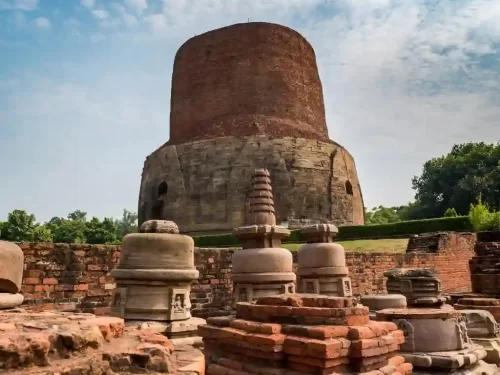
Dhamek Stupa Sarnath, ancient Buddhist monument built of stone and brick marking Buddha’s first sermon site in Uttar Pradesh. Stupa

Dhamek Stupa

Dhamek Stupa in Bodh Gaya is a revered Buddhist monument marking the spot where Buddha delivered his first sermon after attaining enlightenment.
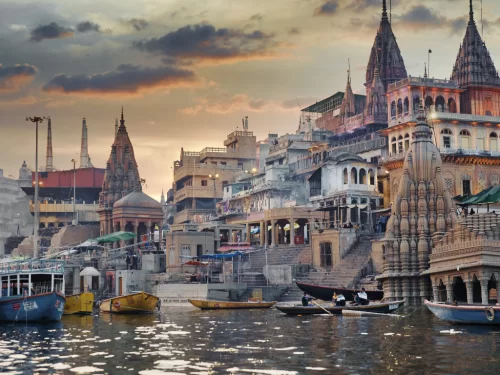
Dashashwamedh Ghat at Varanasi during twilight, featuring temples boats spires reflections, perfect spiritual Uttar Pradesh tour package. River Ghat

Dashashwamedh Ghat

Dashashwamedh Ghat is the most famous and lively ghat in Varanasi, known worldwide for its grand Ganga Aarti and spiritual atmosphere on the River Ganga.

Boat ride at Manikarnika Ghat Varanasi during dusk, featuring temples minarets river reflections, perfect spiritual Uttar Pradesh tour package. River Ghat

Manikarnika Ghat

Manikarnika Ghat is the most sacred cremation ghat in Varanasi, known for its deep spiritual importance and ancient Hindu funeral rituals on the banks of the River Ganga.

Frequently Asked Questions About Shri Kashi Vishwanath Temple

Shri Kashi Vishwanath Temple is located in Varanasi, Uttar Pradesh, near the banks of the Ganga River in the old city area. It is one of the most important Shiva temples in India.
Shri Kashi Vishwanath Temple is generally open from early morning around 3:00 AM until late evening around 11:00 PM, with specific time slots for different rituals. Timings may vary during festivals.
There is no general entry fee to visit Shri Kashi Vishwanath Temple. Special darshan or pooja services may require separate booking and charges.
Visitors can reach Shri Kashi Vishwanath Temple by taxi or auto rickshaw to designated drop-off points, followed by a short walk through secured corridors in Varanasi, Uttar Pradesh.
Online darshan and pooja booking is available for Shri Kashi Vishwanath Temple through the official temple website. Advance booking is recommended during peak seasons.
The best time to visit Shri Kashi Vishwanath Temple is between October and March when the weather in Uttar Pradesh is cooler and more comfortable for waiting in queues.
Most visitors spend about one to two hours at Shri Kashi Vishwanath Temple, depending on crowd levels and selected darshan options.
Security checks are mandatory at Shri Kashi Vishwanath Temple, and items such as mobile phones, bags, and electronics may be restricted inside the main sanctum area.
Shri Kashi Vishwanath Temple is suitable for family visits, though visitors should be prepared for crowd management procedures and security screenings.
Basic restroom facilities are available near the temple corridor of Shri Kashi Vishwanath Temple. Numerous eateries and shops are located nearby in Varanasi.

Loved this place ? Let’s Plan Your Uttar Pradesh Trip

Get customized Uttar Pradesh tour planning designed around seasonal weather, travel distances between heritage regions, spiritual travel flow, and comfortable pacing. Whether you are visiting for historic monuments, temple circuits, river experiences, cul

⚡ Quick Response | 💰 Free consultation | 🕒 24×7 expert support

×

Plan Your Trip