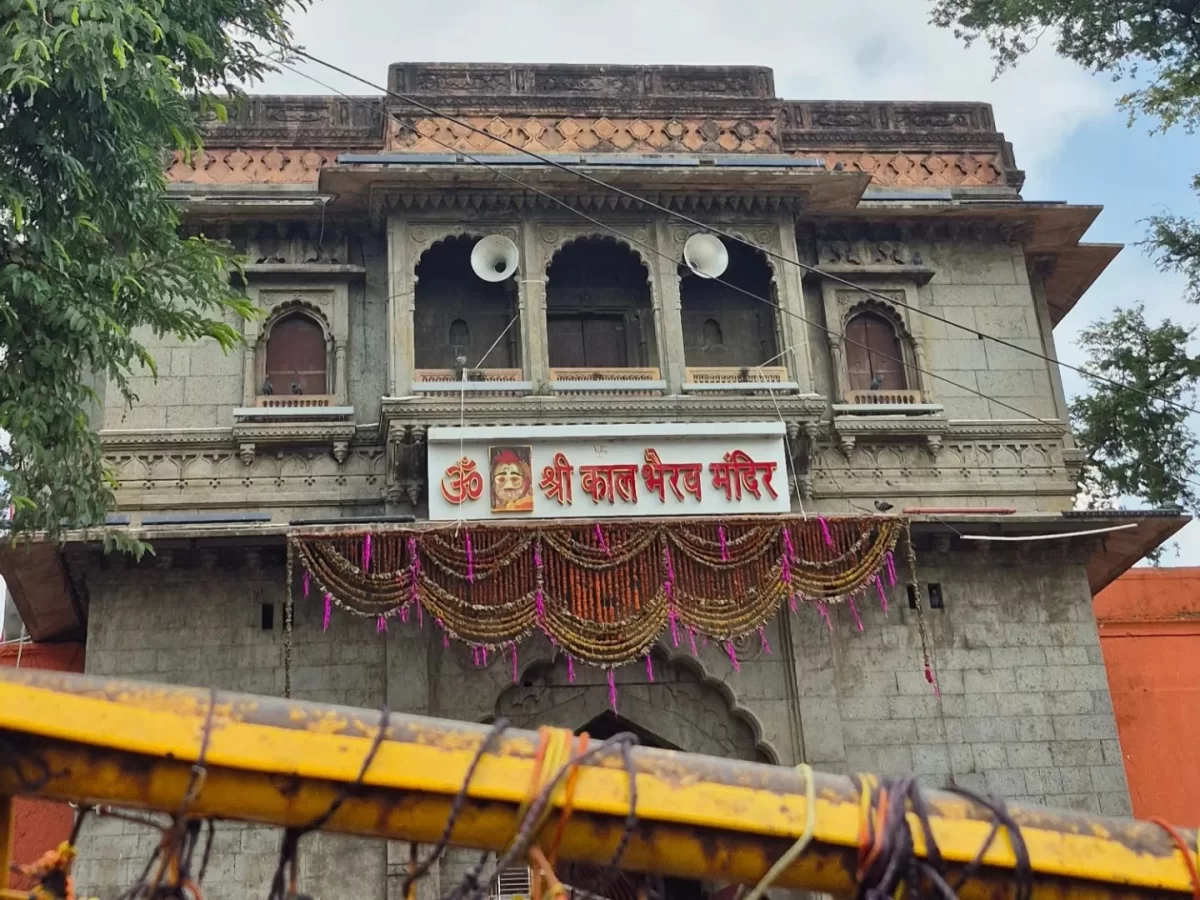
Shree Kaal Bhairav Temple, Varanasi – Famous Guardian Temple of Kashi

Shree Kaal Bhairav Temple , Varanasi
Shree Kaal Bhairav Temple is a highly significant Hindu temple located in Varanasi, believed to be the sacred seat of Lord Kaal Bhairav, a fierce form of Lord Shiva. The temple is widely known as the place where devotees seek protection, blessings, and permission before visiting major spiritual sites in Kashi. It is considered that no pilgrimage to Varanasi is complete without paying respects at this temple. The temple attracts a huge number of devotees throughout the year, especially on Sundays and during special religious occasions. The atmosphere is deeply spiritual, with continuous chanting, offerings, and traditional rituals making it a must-visit religious attraction in Varanasi.

Quick Facts About Shree Kaal Bhairav Temple

Entry Fee Free
Timings 05:30 - 13:00, 16:30 - 21:30
Altitude (m) 80
Ideal Visit Duration (hrs) 1
Best Time of Day Morning
Crowd Level High
Distance from City Centre (km) 3
Walking Difficulty Easy
Parking Available No
Last Mile Access Walk
Suitable for Kids Yes
Suitable for Seniors Yes
Wheelchair Friendly No

Why Visit Shree Kaal Bhairav Temple

Shree Kaal Bhairav Temple is one of the most spiritually powerful and highly respected temples in Varanasi, dedicated to Lord Kaal Bhairav, the fierce protector form of Lord Shiva. The temple is believed to be the divine seat of Kaal Bhairav, who is worshipped as the guardian deity of Kashi. Many devotees strongly believe that visiting Varanasi is incomplete without taking blessings from Kaal Bhairav, as he is considered the spiritual gatekeeper of the city. Tourists and pilgrims visit this temple to seek protection, remove negative energies, and experience one of the most intense and sacred religious atmospheres in the holy city.

Another reason to visit Shree Kaal Bhairav Temple is its unique devotional environment and ancient cultural importance. The temple is famous for its powerful rituals, traditional offerings, and the deep faith of devotees who come from different parts of India. It is also well known for offerings like flowers, sweets, and mustard oil, which are traditionally presented as part of worship. Located in the heart of Varanasi, the temple is easily accessible and is often included in major pilgrimage circuits along with Kashi Vishwanath Temple, Sankat Mochan Temple, and the ghats. For those interested in spiritual tourism, temple heritage, and local religious traditions, this temple is a must-visit destination.

Atmosphere

The atmosphere at Shree Kaal Bhairav Temple is highly energetic, devotional, and deeply spiritual. The temple remains busy throughout the day with constant chanting of prayers, ringing of bells, and devotees waiting in queues for darshan. The surroundings are filled with religious shops selling offerings, garlands, rudraksha beads, and prasad, adding to the authentic temple-town feel of Varanasi.

During early mornings and evenings, the spiritual energy feels even stronger, with devotees performing rituals and priests conducting traditional worship ceremonies. The crowd and the intense devotional environment create a powerful experience, especially for pilgrims who come seeking blessings, protection, and spiritual peace.

What Makes Shree Kaal Bhairav Temple Special

Shree Kaal Bhairav Temple is special because Lord Kaal Bhairav is worshipped as the Kotwal of Kashi, meaning the guardian and protector of the city. It is widely believed that no one can stay in Kashi without his divine permission, and therefore devotees visit the temple before beginning their pilgrimage in Varanasi. This belief makes the temple one of the most important spiritual landmarks in the city.

Another unique feature is the powerful idol of Lord Bhairav, which is worshipped with deep faith and traditional offerings. The temple is known for its intense spiritual energy and strong cultural relevance, attracting not only local devotees but also tourists who want to witness the true religious traditions of Varanasi. Its sacred reputation, ancient legacy, and guardian deity status make it one of the most unique temples in North India.

History

Shree Kaal Bhairav Temple in Varanasi is one of the oldest and most revered temples in the city, dedicated to Lord Kaal Bhairav, a fierce manifestation of Lord Shiva. The temple holds a deep connection with ancient Shaivite traditions and is believed to have existed for centuries as an important centre of Bhairav worship in Kashi. According to local beliefs, Kaal Bhairav is the protector of Varanasi, and the temple has long been visited by saints, pilgrims, and devotees who come to seek divine protection and spiritual strength.

Historically, the temple gained importance because of its association with the traditional belief that Kaal Bhairav acts as the guardian deity of Kashi. Many devotees believe that before visiting the major sacred sites of Varanasi, one must seek blessings here. Over time, the temple became a key spiritual stop in the pilgrimage circuit of Varanasi, attracting worshippers from across India, especially followers of Lord Shiva.

The temple has also remained culturally significant as part of the living religious heritage of Varanasi. Its surrounding lanes, markets, and daily rituals reflect the traditional temple culture of Kashi, where worship continues uninterrupted from early morning till night. Even today, the temple remains one of the most powerful religious centres in the city, known for its intense spiritual energy and traditional worship practices.

Religious Significance

Shree Kaal Bhairav Temple is religiously significant because Lord Kaal Bhairav is worshipped as the Kotwal of Kashi, meaning the divine guardian and protector of Varanasi. It is strongly believed that no pilgrimage to Kashi is complete without visiting this temple, and devotees consider it essential to seek Kaal Bhairav’s blessings before beginning their spiritual journey in the city.

Devotees visit the temple to remove fear, negativity, and obstacles, and to gain protection and spiritual strength. The worship of Kaal Bhairav is also linked with tantric and traditional Shaivite practices, making the temple a spiritually intense destination. Special prayers are offered on Sundays, Ashtami tithis, and during festivals related to Lord Shiva, when the temple receives heavy crowds of devotees.

Best Time to Visit Shree Kaal Bhairav Temple

The best time to visit Shree Kaal Bhairav Temple is between October and March, when Varanasi experiences pleasant winter weather and temple visits become more comfortable. During this season, the climate is cool and ideal for exploring the spiritual sites of the city without the discomfort of extreme heat. The temple atmosphere also feels more vibrant in winter because many pilgrims visit Varanasi during this period for religious tours and sacred rituals.

The summer months from April to June can be very hot, with temperatures often rising above 40°C, making daytime visits tiring. If visiting in summer, it is best to go early in the morning. The monsoon season from July to September brings humidity and occasional rainfall, which may cause crowded and slippery lanes around the temple. For the most peaceful darshan experience, visiting during weekdays and non-festival days is recommended.
  • Best Season: October to March (pleasant weather for temple visits)
  • Best Time of Day: Early morning (less crowd and peaceful darshan)
  • Evening Visit: Ideal for experiencing a powerful devotional atmosphere
  • Best Day to Visit: Weekdays for shorter queues
  • Peak Crowd Days: Sundays and Ashtami days (heavy crowds expected)
  • Festival Season: Mahashivratri and Bhairav Ashtami bring major pilgrim gatherings
  • Summer Tip: Avoid afternoon hours due to high heat and crowd rush

How to Reach Shree Kaal Bhairav Temple

  • By Air: The nearest airport is Lal Bahadur Shastri International Airport (Varanasi Airport), located around 22–25 km from Shree Kaal Bhairav Temple. From the airport, you can hire a prepaid taxi or app-based cab. The journey usually takes 45–70 minutes, depending on city traffic.
  • By Train: The nearest major railway station is Varanasi Junction (Cantt Railway Station), located approximately 3–4 km away. From the station, you can reach the temple easily by auto-rickshaw, e-rickshaw, or taxi within 15–25 minutes. Another station option is Banaras Railway Station, which is slightly farther but also well-connected.
  • By Road: Shree Kaal Bhairav Temple is well-connected by road from all major areas of Varanasi. You can travel by taxi, private cab, auto-rickshaw, or e-rickshaw. The temple is located in the old city area, so some lanes may be narrow and busy during peak hours.
  • By Local Transport (Auto/E-Rickshaw): E-rickshaws and auto-rickshaws are the most convenient and budget-friendly options to reach the temple. Most local drivers recognize the temple easily because it is a major pilgrimage destination in Varanasi.
  • Last Mile Access: The final approach to the temple often involves a short walk through crowded market lanes with shops selling flowers, sweets, incense, and religious items. The walking route is short but may feel busy during peak darshan hours.
  • From Kashi Vishwanath Temple: Shree Kaal Bhairav Temple is located around 2–3 km from the Kashi Vishwanath Temple area. You can reach it easily by e-rickshaw or auto-rickshaw within 10–20 minutes, depending on traffic.
  • Nearest Landmark: The temple is located near Visheshwarganj and is close to the central market areas of old Varanasi, making it easy to locate using local navigation.

What to Expect When You Visit Shree Kaal Bhairav Temple

  • Powerful Spiritual Atmosphere: Shree Kaal Bhairav Temple is known for its intense devotional energy. As soon as you enter, you will feel a strong spiritual environment with continuous chanting, temple bells, and devotees offering prayers with deep faith.
  • Long Queues During Peak Hours: The temple is one of the most visited religious sites in Varanasi, so you should expect long queues, especially on Sundays, Ashtami days, and during festivals like Mahashivratri and Bhairav Ashtami.
  • Unique Darshan Experience: The idol of Lord Kaal Bhairav is worshipped as the guardian of Kashi. Devotees offer flowers, sweets, and traditional items like mustard oil, and the darshan is considered very powerful and spiritually significant.
  • Busy Market Lanes Around the Temple: The temple is surrounded by narrow old city lanes filled with shops selling garlands, prasad, incense sticks, rudraksha beads, and religious souvenirs. Walking through this market gives a true feel of Varanasi’s traditional temple culture.
  • Traditional Rituals and Offerings: You will see priests performing daily rituals, devotees lighting lamps, and people offering prayers for protection and removal of negativity. Many visitors come here to seek blessings for success, safety, and peace of mind.
  • Strong Local Belief of Kashi’s Guardian: A major cultural belief linked with this temple is that Lord Kaal Bhairav is the Kotwal (guardian) of Kashi. Many pilgrims visit this temple before going to Kashi Vishwanath Temple, believing that the pilgrimage is incomplete without his blessings.
  • Crowded but Well-Managed Entry: Even though the temple remains crowded, the darshan process is generally well-managed with queue systems, especially during peak seasons. Still, you should expect a fast-moving but packed darshan line.
  • Short but Meaningful Visit: The temple visit usually does not take very long, but the experience is spiritually memorable. Even a short darshan is considered highly rewarding for devotees.
  • Photography Restrictions: You should expect restrictions on photography inside the temple premises. It is best to avoid taking photos near the sanctum and respect temple rules.
  • Authentic Varanasi Pilgrimage Feel: Overall, visiting Shree Kaal Bhairav Temple gives you an authentic glimpse of Varanasi’s religious traditions, deep faith culture, and the powerful spiritual identity of the city.

Important Visitor Information

  • Crowd & Weather Notes: Shree Kaal Bhairav Temple is one of the most crowded temples in Varanasi throughout the year. The crowd becomes very heavy during winter season (October to March), Sundays, Ashtami tithis, and major festivals like Mahashivratri and Bhairav Ashtami. Summers can be extremely hot, and the narrow lanes around the temple may feel uncomfortable during daytime. Monsoon months bring humidity and occasional waterlogging in some nearby areas, making the visit slightly difficult.
  • Peak Hours: The busiest time is usually 7:00 AM – 11:00 AM and 6:00 PM – 9:00 PM, when most devotees come for darshan. Sundays and festival days can be extremely crowded with long waiting times.
  • Quiet Hours: The best time for a peaceful visit is early morning (5:30 AM – 7:00 AM) or mid-afternoon (12:00 PM – 1:00 PM) before the temple closes. Weekdays are usually calmer compared to weekends.
  • Dress Code: There is no strict dress code, but visitors should wear traditional or modest clothing as it is a highly religious site. Avoid shorts, sleeveless outfits, or revealing clothes. Comfortable footwear is recommended, but you may need to remove shoes before entering the temple premises.
  • Safety Notes: Due to heavy crowds and narrow market lanes, visitors should keep valuables secure and stay alert against pickpocketing. The area can get congested, so avoid carrying large bags. Seniors and children should be accompanied, as pushing crowds may occur during peak hours. If visiting in summer, carry water and avoid midday heat. Always follow temple rules and avoid photography near the sanctum area.

Photography and Viewpoint at Shree Kaal Bhairav Temple

  • Traditional Temple Photography: Shree Kaal Bhairav Temple is a culturally rich place where you can capture the true religious atmosphere of Varanasi. The temple surroundings, filled with devotees, flower sellers, and prayer items, offer excellent opportunities for street-style and pilgrimage photography.
  • Best Time for Photography: Early morning is the best time to capture peaceful scenes around the temple. The light is soft, the crowd is comparatively less, and the market lanes look more authentic and clean for photography.
  • Old City Lane Photography: The approach road to the temple passes through narrow traditional lanes of Varanasi. These lanes are lined with small shops selling garlands, incense, rudraksha beads, and sweets, making it a perfect spot to capture the local culture and heritage lifestyle of Kashi.
  • Festival Photography Experience: During major festivals like Mahashivratri and Bhairav Ashtami, the temple area becomes highly vibrant with decorated entrances, crowds of devotees, and spiritual celebrations. This is one of the best times to capture the grand devotional atmosphere of the temple.
  • Photography Restrictions Inside: Visitors should expect restrictions on photography inside the temple premises, especially near the sanctum and idol area. It is recommended to avoid taking photos inside unless clearly permitted by temple authorities.
  • Best Viewpoint Type: Shree Kaal Bhairav Temple is not a viewpoint or scenic landscape spot. Instead, it offers a spiritual and cultural viewpoint into the religious life of Varanasi, where you can witness traditional worship rituals, temple culture, and the deep faith of devotees.
  • Best Shots to Capture: Popular photography subjects include the temple entrance, devotees carrying offerings, flower and prasad shops, sacred bells, and the busy temple lane atmosphere that represents authentic Banarasi culture.
  • Recommended Photography Style: This location is ideal for documentary-style photography, cultural travel photography, and capturing spiritual street scenes. Natural light photography works best due to crowd movement and limited space.
  • Photography Tips: Avoid using flash, respect devotees, and do not capture close-up images of worshippers without permission. Carry a small camera or mobile phone for easy handling, as the lanes are crowded and space is limited.
  • Best Nearby Photo Spots: After visiting the temple, you can also explore nearby old city streets and local markets, which offer excellent heritage photography opportunities and traditional Banaras lifestyle visuals.

Near By Attraction

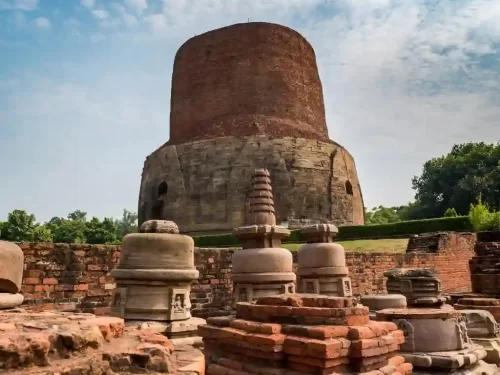
Dhamek Stupa Sarnath, ancient Buddhist monument built of stone and brick marking Buddha’s first sermon site in Uttar Pradesh. Stupa

Dhamek Stupa

Dhamek Stupa in Bodh Gaya is a revered Buddhist monument marking the spot where Buddha delivered his first sermon after attaining enlightenment.
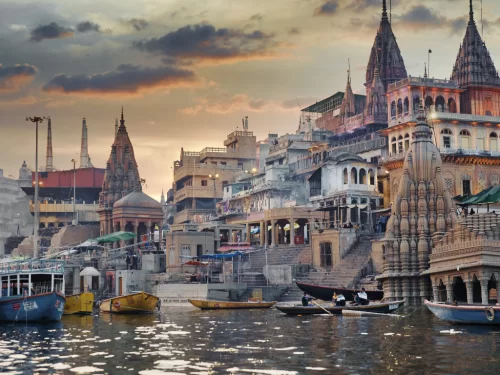
Dashashwamedh Ghat at Varanasi during twilight, featuring temples boats spires reflections, perfect spiritual Uttar Pradesh tour package. River Ghat

Dashashwamedh Ghat

Dashashwamedh Ghat is the most famous and lively ghat in Varanasi, known worldwide for its grand Ganga Aarti and spiritual atmosphere on the River Ganga.

Boat ride at Manikarnika Ghat Varanasi during dusk, featuring temples minarets river reflections, perfect spiritual Uttar Pradesh tour package. River Ghat

Manikarnika Ghat

Manikarnika Ghat is the most sacred cremation ghat in Varanasi, known for its deep spiritual importance and ancient Hindu funeral rituals on the banks of the River Ganga.

Frequently Asked Questions About Shree Kaal Bhairav Temple

Shree Kaal Bhairav Temple is located in Varanasi, Uttar Pradesh, near the Visheshwarganj area of the old city. It is regarded as one of the important guardian deity temples of Kashi.
Shree Kaal Bhairav Temple is generally open from early morning around 5:00 AM until late evening around 9:00 PM. Timings may vary during major Hindu festivals.
There is no entry fee to visit Shree Kaal Bhairav Temple. Visitors can enter freely, though donations are accepted for temple maintenance.
Visitors can reach Shree Kaal Bhairav Temple by auto rickshaw or taxi to the nearest road point, followed by a short walk through the lanes of Varanasi, Uttar Pradesh.
Limited parking is available near the main road areas close to Shree Kaal Bhairav Temple. Visitors usually need to walk through narrow streets to reach the temple.
The best time to visit Shree Kaal Bhairav Temple is between October and March when the weather in Uttar Pradesh is cooler and comfortable for walking in the old city.
Most visitors spend about 30 to 45 minutes at Shree Kaal Bhairav Temple. This allows enough time for darshan and offering prayers.
Sundays and certain auspicious days dedicated to Lord Bhairav are considered special at Shree Kaal Bhairav Temple, and the temple experiences higher footfall on these occasions.
Shree Kaal Bhairav Temple is suitable for family visits, though visitors should be prepared for moderate crowds and narrow access lanes.
Basic restroom facilities are limited near Shree Kaal Bhairav Temple. Numerous eateries and small shops are located nearby in Varanasi.

Loved this place ? Let’s Plan Your Uttar Pradesh Trip

Get customized Uttar Pradesh tour planning designed around seasonal weather, travel distances between heritage regions, spiritual travel flow, and comfortable pacing. Whether you are visiting for historic monuments, temple circuits, river experiences, cul

⚡ Quick Response | 💰 Free consultation | 🕒 24×7 expert support

×

Plan Your Trip