+91 9910402252
admin@chalbanjare.com


| Entry Fee | Free |
| Timings | 05:00 - 22:00 |
| Altitude (m) | 80 |
| Ideal Visit Duration (hrs) | 1 |
| Best Time of Day | Morning |
| Crowd Level | High |
| Distance from City Centre (km) | 6 |
| Walking Difficulty | Easy |
| Parking Available | No |
| Last Mile Access | Road |
| Suitable for Kids | Yes |
| Suitable for Seniors | Yes |
| Wheelchair Friendly | No |
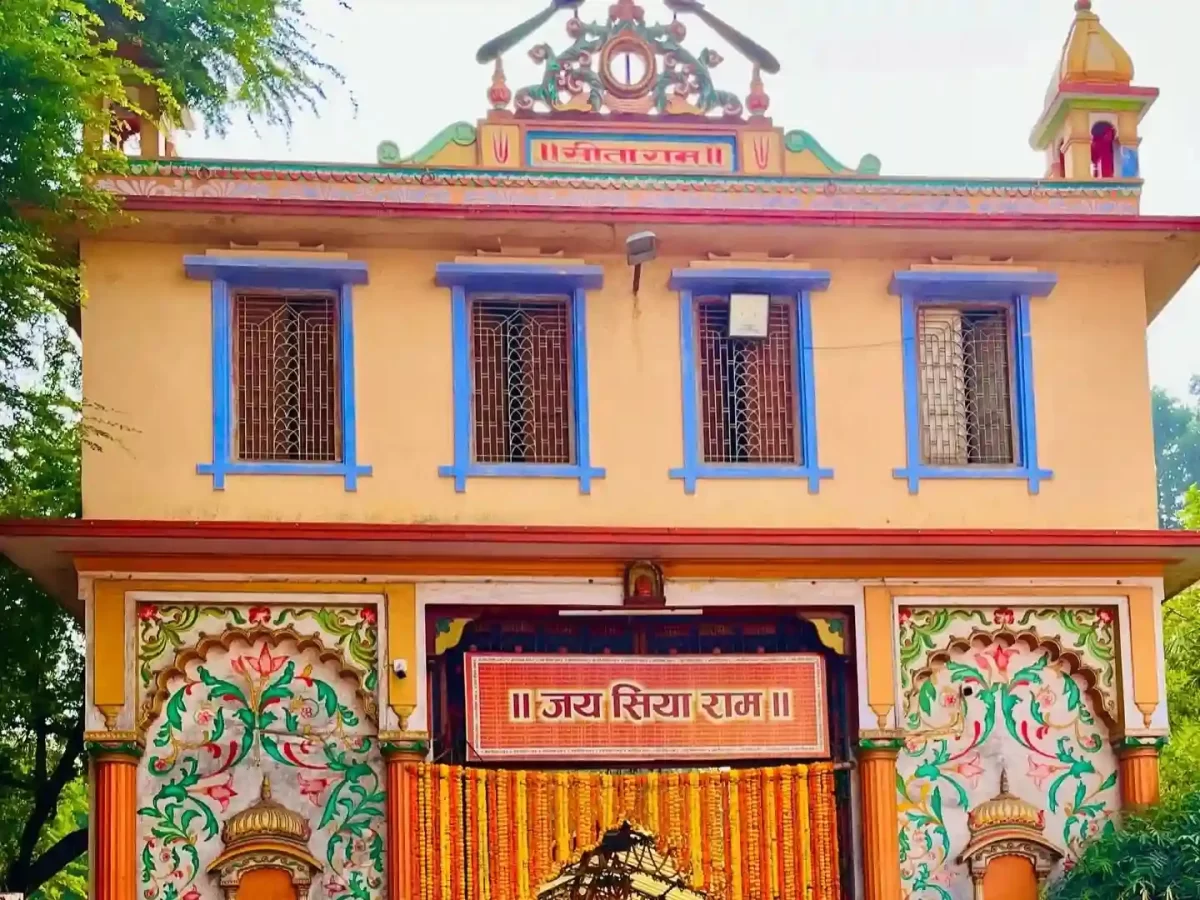
Sankat Mochan Hanuman Temple is one of the most powerful and most visited temples in Varanasi, dedicated to Lord Hanuman, the symbol of strength, devotion, and protection. Devotees believe that praying here helps remove life troubles, fears, negative energy, and obstacles, which is why Lord Hanuman is worshipped here as “Sankat Mochan,” meaning the remover of problems. People from across India visit this temple to seek blessings for health, success, courage, and peace of mind. The temple is especially popular among students, working professionals, and families who come to offer laddoos, flowers, sindoor, and sacred prayers.
The temple is also a major spiritual stop for tourists exploring the BHU-Durgakund area of Varanasi. Its peaceful surroundings, devotional environment, and strong religious importance make it a must-visit attraction for pilgrims. Visiting Sankat Mochan Temple is not only a religious experience but also a cultural experience, as the temple reflects the traditional worship style of Hanuman ji in North India. For devotees and spiritual travelers, this temple is one of the most essential places to visit in Varanasi.
The atmosphere at Sankat Mochan Hanuman Temple is highly devotional, energetic, and spiritually uplifting. The temple remains filled with the sound of Hanuman Chalisa chanting, bells, and devotional bhajans. The crowd includes devotees from all age groups, creating a strong spiritual vibration inside the temple complex. The surrounding area feels calm and green compared to the old city lanes of Varanasi, which adds a peaceful touch to the visit.
On Tuesdays and Saturdays, the atmosphere becomes extremely vibrant due to heavy crowd and special worship rituals. During festivals like Hanuman Jayanti, the temple is decorated beautifully, and the entire environment becomes festive, devotional, and full of religious energy.
Sankat Mochan Temple is special because it is one of the most respected Hanuman temples in India and is believed to have been established by Goswami Tulsidas, the great saint who wrote the Ramcharitmanas. This historical and devotional connection makes the temple highly significant for devotees of Lord Rama and Hanuman.
Another unique highlight of this temple is the tradition of offering laddoos as prasad, which is considered one of the most famous offerings in Varanasi. The temple is also known for its strong belief system, where devotees trust that Lord Hanuman fulfills wishes and protects them from evil forces. Its spiritual power, cultural heritage, and vibrant devotional atmosphere make Sankat Mochan Hanuman Temple one of the most special and must-visit religious attractions in Varanasi.
Sankat Mochan Hanuman Temple is one of the most famous and most respected temples in Varanasi, dedicated to Lord Hanuman. The temple is traditionally believed to have been established in the 16th century by Goswami Tulsidas, the great Hindu saint and poet who wrote the sacred epic Ramcharitmanas. According to popular belief, Tulsidas had a divine vision of Lord Hanuman at this location, after which he founded the temple and began regular worship here.
Over time, the temple became a major spiritual centre for Hanuman devotees and gained wide recognition across North India. Its location near the BHU area and its connection with the Ram bhakti tradition helped it grow into one of the most visited religious sites in Varanasi. Today, the temple continues to attract thousands of devotees daily and remains an important part of Varanasi’s spiritual heritage.
Sankat Mochan Hanuman Temple holds immense religious significance because Lord Hanuman is worshipped here as the protector and remover of troubles. The name “Sankat Mochan” itself means the one who relieves devotees from pain, fear, obstacles, and negative influences. Many devotees believe that visiting this temple and chanting Hanuman Chalisa brings courage, strength, and protection from evil energies.
The temple is especially sacred for people seeking blessings for success, good health, and relief from hardships. Tuesdays and Saturdays are considered highly auspicious for Hanuman worship, which is why the temple sees massive crowds on these days. The temple’s strong connection with Goswami Tulsidas and the Ramayana tradition makes it one of the most spiritually powerful Hanuman temples in India.
Sankat Mochan Temple is culturally important because it reflects the deep-rooted Hanuman worship tradition of Varanasi and North India. The temple is well known for its devotional practices, including the offering of laddoos, flowers, sindoor, and sacred prayers. The temple complex often hosts bhajans, kirtans, and religious gatherings, creating a strong cultural atmosphere.
The temple is also famous for the annual Sankat Mochan Sangeet Samaroh (music festival), which highlights India’s classical music heritage and attracts renowned artists. This unique combination of devotion and cultural celebration makes Sankat Mochan Hanuman Temple not only a religious site but also a symbol of Varanasi’s spiritual and cultural identity.
The best time to visit Sankat Mochan Hanuman Temple is from October to March, when Varanasi experiences pleasant winter weather and temple visits become comfortable. During this season, the temperature remains cool, making it easy for devotees to stand in queues, walk around the temple complex, and explore nearby attractions like BHU, Tulsi Manas Mandir, and Durgakund Temple. Winter is also the peak tourist season in Varanasi, so the temple atmosphere feels spiritually active and vibrant.
The most special time to visit the temple is on Tuesdays and Saturdays, which are considered highly auspicious for Lord Hanuman worship. On these days, devotees gather in large numbers for darshan and offerings. Another excellent time is during Hanuman Jayanti, when the temple becomes beautifully decorated and filled with devotional celebrations. Summers (April to June) can be hot, so morning and evening visits are recommended. Monsoon season (July to September) brings humidity and rain, but the temple remains accessible and peaceful.
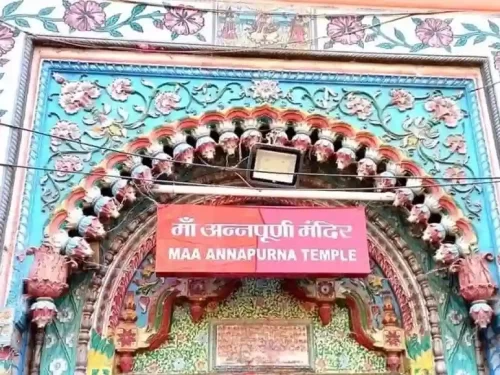 Temple
Annapurna Temple is a revered Hindu temple in Varanasi dedicated to Goddess Annapurna, the deity of nourishment and food.
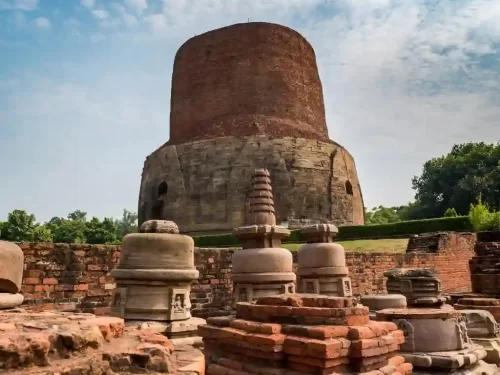 Stupa
Stupa
Dhamek Stupa in Bodh Gaya is a revered Buddhist monument marking the spot where Buddha delivered his first sermon after attaining enlightenment.
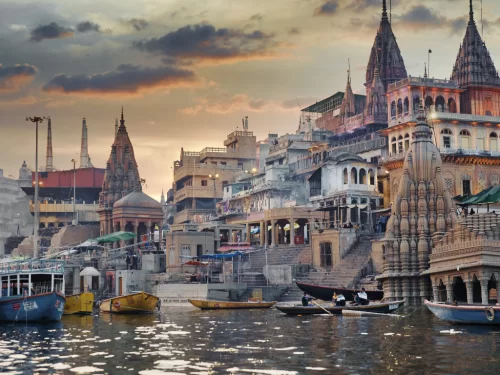 River Ghat
Dashashwamedh Ghat is the most famous and lively ghat in Varanasi, known worldwide for its grand Ganga Aarti and spiritual atmosphere on the River Ganga.
Get customized Uttar Pradesh tour planning designed around seasonal weather, travel distances between heritage regions, spiritual travel flow, and comfortable pacing. Whether you are visiting for historic monuments, temple circuits, river experiences, cul
⚡ Quick Response | 💰 Free consultation | 🕒 24×7 expert support

