+91 9910402252
admin@chalbanjare.com


| Entry Fee | 50 |
| Timings | 10:00 - 17:00 |
| Altitude (m) | 80 |
| Ideal Visit Duration (hrs) | 3 |
| Best Time of Day | Morning |
| Crowd Level | Moderate |
| Distance from City Centre (km) | 14 |
| Walking Difficulty | Moderate |
| Parking Available | Yes |
| Last Mile Access | Road |
| Suitable for Kids | Yes |
| Suitable for Seniors | Yes |
| Wheelchair Friendly | No |
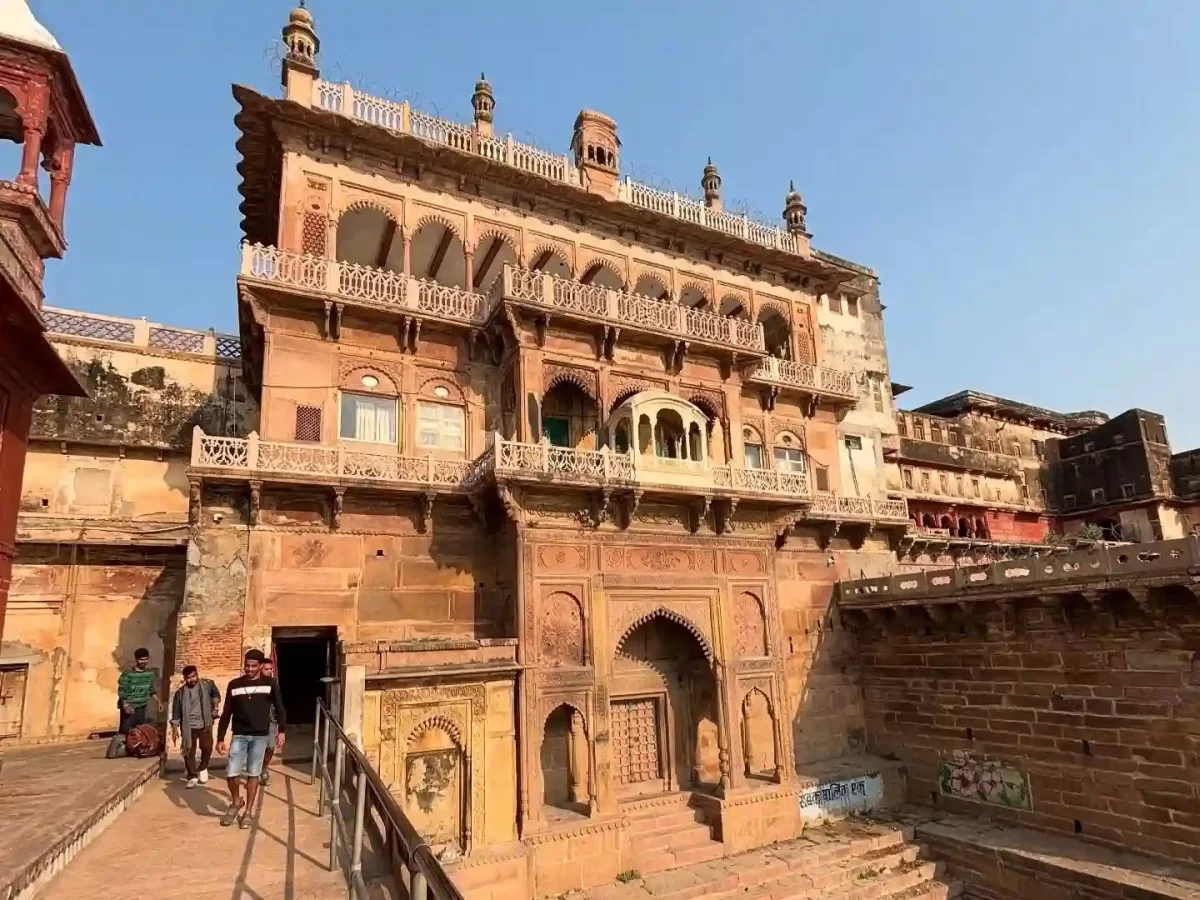
Ramnagar Fort is one of the most important historical and heritage attractions near Varanasi, offering visitors a unique glimpse into the royal lifestyle and cultural legacy of the Kashi Naresh (King of Varanasi). Located on the eastern bank of the River Ganga, this fort is famous for its grand architecture, ancient walls, and its beautiful riverside setting. Tourists visit Ramnagar Fort to explore its museum, which displays rare collections of royal costumes, weapons, old manuscripts, vintage cars, and traditional artifacts. It is one of the best places in Varanasi for travelers who want to explore history and heritage beyond temples and ghats.
Another major reason to visit Ramnagar Fort is its strong cultural connection with the famous Ramnagar Ramleela, one of the most celebrated and traditional Ramleela performances in India. During this season, the fort area becomes a cultural hub, attracting thousands of devotees and tourists. The fort also offers scenic views of the Ganga riverfront and is a great place for photography and sightseeing. For anyone interested in royal heritage, history tourism, and cultural exploration, Ramnagar Fort is a must-visit destination near Varanasi.
The atmosphere at Ramnagar Fort is historical, peaceful, and culturally rich. The fort surroundings feel calm compared to the crowded streets of central Varanasi. The riverside location adds a scenic charm, and the old fort walls create a strong heritage vibe. Inside the museum, the atmosphere is quiet and educational, making it ideal for visitors who enjoy history, artifacts, and cultural learning.
During the Ramleela season, the atmosphere becomes highly vibrant and festive, with cultural performances, crowds of devotees, and traditional celebrations. On normal days, the fort offers a relaxed sightseeing environment where visitors can explore the heritage architecture and enjoy panoramic river views.
Ramnagar Fort is special because it is still closely linked to the royal family of Varanasi and represents the living heritage of the Kashi Naresh. Unlike many forts that are only historical monuments, Ramnagar Fort continues to hold cultural and traditional importance in the region. The fort’s museum collections, including antique weapons, royal belongings, manuscripts, and vintage cars, make it one of the most interesting heritage sites in Uttar Pradesh.
Another unique highlight is its riverside location on the Ganga, offering a scenic and peaceful environment for visitors. The fort also plays a central role in the famous Ramnagar Ramleela, which is known for its traditional and grand scale performances. This combination of royal heritage, cultural importance, museum experience, and riverfront beauty makes Ramnagar Fort one of the most special and must-visit attractions near Varanasi.
Ramnagar Fort is one of the most significant historical landmarks near Varanasi, located on the eastern bank of the River Ganga. The fort was built in the 18th century by Maharaja Balwant Singh, the ruler of the Kingdom of Kashi. Constructed using sandstone, the fort was designed as a royal residence and a defensive structure, reflecting the traditional architectural style of the region. Its strategic riverside location helped the royal family maintain control and protection over the surrounding areas of Varanasi.
Over the years, Ramnagar Fort became the main seat of the Kashi Naresh (King of Varanasi) and played an important role in preserving the royal heritage of Kashi. The fort complex includes courtyards, temples, residential sections, and a museum that houses valuable collections of royal belongings such as vintage cars, weapons, manuscripts, and costumes. These collections provide visitors with a detailed glimpse into the lifestyle, culture, and traditions of the royal family of Varanasi.
Even today, Ramnagar Fort is closely associated with the Kashi royal family and remains a symbol of Varanasi’s historical identity. Its heritage structure, riverside charm, and museum significance make it one of the most important monuments for history lovers and cultural tourists visiting Varanasi.
Ramnagar Fort holds major cultural importance because it is strongly connected with the famous Ramnagar Ramleela, one of the most traditional and grand Ramleela performances in India. This Ramleela is celebrated annually during the Navratri season and continues for several days, attracting thousands of devotees and tourists. The Kashi Naresh has traditionally played an important role in these celebrations, and the fort acts as a central point for cultural gatherings during the festival.
The fort is also culturally significant as it represents the royal traditions and heritage lifestyle of Varanasi. Through its museum collections, architecture, and preserved royal objects, the fort reflects the historical connection between the rulers of Kashi and the cultural development of the city. It remains one of the best places in Varanasi to experience royal heritage and traditional cultural identity in a single visit.
The best time to visit Ramnagar Fort is from October to March, when Varanasi experiences pleasant winter weather and sightseeing becomes comfortable. During this period, the temperature remains cool, making it ideal for exploring the fort complex, walking through museum galleries, and enjoying the scenic riverside surroundings without heat discomfort. Winter is also the peak tourism season in Varanasi, so visitors can easily combine the fort visit with ghats, temples, and cultural attractions.
The most special time to visit Ramnagar Fort is during the Ramnagar Ramleela season, usually held around September to October during Navratri and Dussehra. During this time, the fort area becomes a major cultural centre with festive celebrations and traditional performances, offering tourists a unique cultural tourism experience. Summers (April to June) can be very hot, making daytime visits tiring, while monsoon season (July to September) brings humidity and occasional rain, but the riverfront scenery becomes more dramatic.
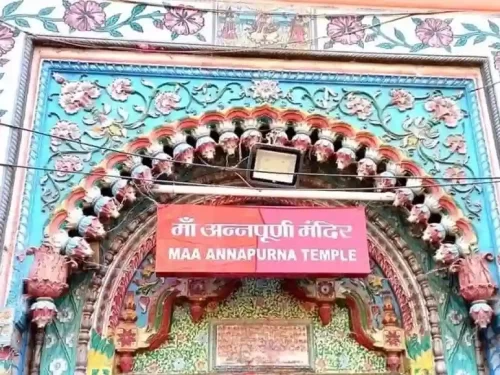 Temple
Annapurna Temple is a revered Hindu temple in Varanasi dedicated to Goddess Annapurna, the deity of nourishment and food.
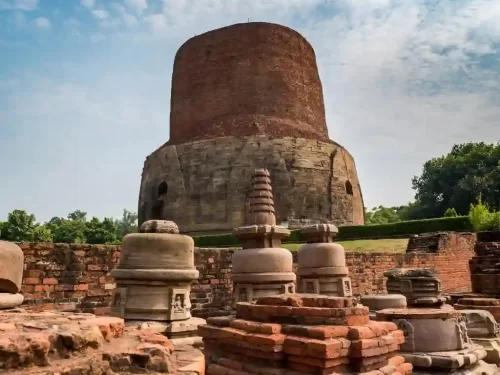 Stupa
Stupa
Dhamek Stupa in Bodh Gaya is a revered Buddhist monument marking the spot where Buddha delivered his first sermon after attaining enlightenment.
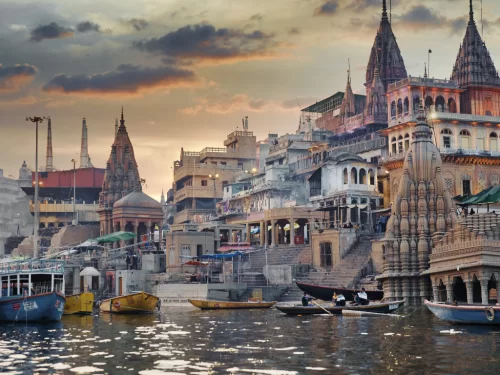 River Ghat
Dashashwamedh Ghat is the most famous and lively ghat in Varanasi, known worldwide for its grand Ganga Aarti and spiritual atmosphere on the River Ganga.
Get customized Uttar Pradesh tour planning designed around seasonal weather, travel distances between heritage regions, spiritual travel flow, and comfortable pacing. Whether you are visiting for historic monuments, temple circuits, river experiences, cul
⚡ Quick Response | 💰 Free consultation | 🕒 24×7 expert support

