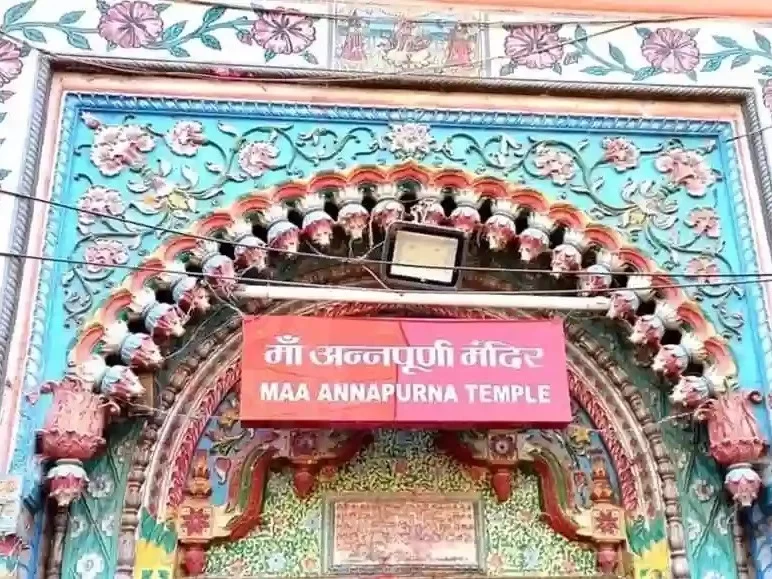
Annapurna Temple, Varanasi, Uttar Pradesh, India

Shree Annapurna Mandir , Varanasi
Located near Kashi Vishwanath Temple, the shrine is an important stop for pilgrims visiting Varanasi. Visitors come to offer prayers to Goddess Annapurna, seek blessings for prosperity and well-being, and witness traditional temple rituals associated with the city\'s religious heritage.

Quick Facts About Shree Annapurna Mandir

Annapurna Temple, Varanasi, Uttar Pradesh Quick Facts

Entry Fee No entry fee
Timings Generally open daily from 5:00 AM to 12:00 PM and 4:00 PM to 9:00 PM; timings may vary during festivals and special rituals
Altitude (m) Approximately 81 m above sea level
Ideal Visit Duration 30 minutes to 1 hour
Best Time of Day Early morning or evening during aarti
Crowd Level Moderate; very high during Annakut, Navratri, and major Hindu festivals
Distance from City Centre (km) Approximately 4 km from Varanasi city centre (Godowlia area)
Walking Difficulty Easy to moderate; narrow lanes near the temple require walking
Parking Available No dedicated parking; public parking is available near Godowlia with a walk to the temple
Last Mile Access Accessible by auto-rickshaw or e-rickshaw to nearby roads, followed by a short walk through the old city lanes
Suitable for Kids Yes
Suitable for Seniors Yes, though walking through crowded lanes may require assistance
Wheelchair Friendly Partially accessible; narrow lanes and steps may restrict wheelchair access

Why Visit Annapurna Temple, Varanasi, Uttar Pradesh

Visitors come to Annapurna Temple to offer prayers to Goddess Annapurna, revered as the deity of food and prosperity. Located close to Kashi Vishwanath Temple, it is an important stop for pilgrims exploring Varanasi's sacred temple circuit.

The on-ground atmosphere is devotional and traditional, with daily aarti, offerings of prasad, and a steady stream of worshippers throughout the day. The narrow lanes surrounding the temple reflect the vibrant rhythm of Varanasi's old city and its living religious traditions.

What makes Annapurna Temple distinct is its dedicated worship of Goddess Annapurna within one of India's most significant pilgrimage destinations. Its close association with nearby sacred shrines and its role in Varanasi's spiritual landscape provide visitors with a meaningful and authentic temple experience.

History of Annapurna Temple, Varanasi, Uttar Pradesh

Annapurna Temple in Varanasi is dedicated to Goddess Annapurna, the Hindu deity of food and nourishment and a manifestation of Goddess Parvati. Located near the Kashi Vishwanath Temple, it has long been an integral part of the city's sacred religious landscape.

According to Hindu tradition, Goddess Annapurna provided food to Lord Shiva at this sacred site, symbolizing the importance of nourishment and prosperity. The temple has been an important center of worship for devotees seeking blessings for abundance and well-being for centuries.

The present temple is believed to have been built during the 18th century under the patronage of Maratha ruler Peshwa Bajirao I. It continues to attract pilgrims throughout the year, particularly during Annapurna Jayanti and other Hindu festivals.

Best Time to Visit Annapurna Temple, Varanasi, Uttar Pradesh

Annapurna Temple can be visited throughout the year, but the cooler months provide the most comfortable conditions for exploring the temple, nearby lanes of the old city, and adjoining sacred sites such as Kashi Vishwanath Temple.
  • Ideal Months: October to March is the best time for temple visits, sightseeing, and experiencing Varanasi's religious atmosphere.
  • Weather Conditions: Pleasant to cool temperatures make it easier to walk through the narrow streets, attend darshan, and visit nearby ghats and temples.
  • Periods to Avoid: April to June can be extremely hot, making long walks through the old city less comfortable. During major festivals such as Annakut, Deepavali, and Dev Deepawali, expect heavy crowds and longer waiting times.

How to Reach Annapurna Temple, Varanasi

  • By Air: The nearest airport is Lal Bahadur Shastri International Airport, Varanasi, about 25 km from Annapurna Temple. Prepaid taxis, app-based cabs, and local taxis provide convenient access to the temple area.
  • By Train: Varanasi Junction (Cantt) is the nearest major railway station, approximately 5 km away. Banaras Railway Station is another nearby option, around 6 km from the temple. Auto-rickshaws, cycle rickshaws, e-rickshaws, and taxis are available from both stations.
  • By Road: Annapurna Temple is located near Shri Kashi Vishwanath Temple in the old city of Varanasi, close to Dashashwamedh Ghat. The surrounding lanes are narrow and largely pedestrian-only, so visitors should expect to walk the final stretch after being dropped at designated access points. Traffic congestion is common during festivals, weekends, and peak pilgrimage periods.

What to Expect When You Visit Annapurna Temple, Varanasi, Uttar Pradesh

  • Annapurna Temple is located in the narrow lanes near Kashi Vishwanath Temple, placing it within one of Varanasi's busiest and most active pilgrimage areas, surrounded by temples, shops, and constant pedestrian movement.
  • The temple has a traditional North Indian architectural style and serves as an active place of worship dedicated to Goddess Annapurna. The atmosphere is devotional, with regular prayers, offerings, and aarti ceremonies throughout the day.
  • Basic facilities such as drinking water, footwear storage, and shops selling flowers, prasad, and religious items are available nearby. Most visitor amenities are shared with the surrounding temple district rather than provided within the temple premises.
  • Access usually involves walking through narrow lanes, as private vehicles cannot reach the temple entrance directly. Visitors commonly use auto-rickshaws or taxis to nearby drop-off points before continuing on foot.
  • The temple experiences heavy footfall during Navratri, Annakut, Diwali, and other major Hindu festivals, while daily pilgrim traffic remains steady due to its proximity to Kashi Vishwanath Temple.
  • Visitors often combine their visit with nearby sacred sites, so the surrounding streets remain busy with pilgrims, local vendors, and guided religious tours throughout the day.
  • Visitors should wear modest clothing, remove footwear before entering the temple, and follow local customs. Photography may be restricted inside the sanctum and during religious rituals.

Important Visitor Information for Annapurna Temple, Varanasi, Uttar Pradesh

  • The temple experiences its highest footfall during Annapurna Puja, Navratri, Diwali, and other major Hindu festivals, while weekday mornings are generally less crowded.
  • Early morning darshan offers a quieter devotional atmosphere, whereas evenings become busier during aarti and peak pilgrimage hours around the nearby Kashi Vishwanath Temple.
  • Varanasi's summer season (April to June) is hot and humid, making morning or evening visits more comfortable, while winter provides pleasant conditions for walking through the old city.
  • Visitors should wear modest clothing suitable for a Hindu temple, and footwear must be removed before entering the temple premises.
  • The temple is located within Varanasi's narrow lanes, which can become congested during festivals and peak pilgrimage periods, so visitors should allow extra time to reach the entrance.
  • Stone floors and entrance steps may become slippery during monsoon rains or after ritual cleaning, so visitors should walk carefully inside the temple complex.

Photography and Viewpoints at Annapurna Temple, Varanasi, Uttar Pradesh

  • The main entrance courtyard offers the best frontal view of Annapurna Temple, showcasing its traditional North Indian temple architecture and decorative gateway within the narrow lanes near Kashi Vishwanath Temple.
  • Photographs taken from the approach lane capture the temple entrance in its authentic old-city setting, reflecting the character of Varanasi's historic pilgrimage district.
  • Morning hours provide softer natural light in the surrounding lanes and fewer visitors, while evening illumination during aarti adds a devotional ambiance around the temple entrance.
  • Photography inside the sanctum is generally restricted, and visitors should follow instructions issued by temple authorities, especially during darshan, festivals, and religious ceremonies.
  • The temple experiences heavy footfall during Annakut, Navratri, Diwali, and other major Hindu festivals, making clear architectural photography around the entrance more difficult.
  • Narrow lanes leading to the temple limit wide-angle compositions, and pedestrian congestion during peak pilgrimage hours can affect access to the best viewpoints.
  • Since the temple lies within the high-security Kashi Vishwanath corridor area, visitors should be aware that additional security measures may influence photography and movement near the entrance.

Near By Attraction

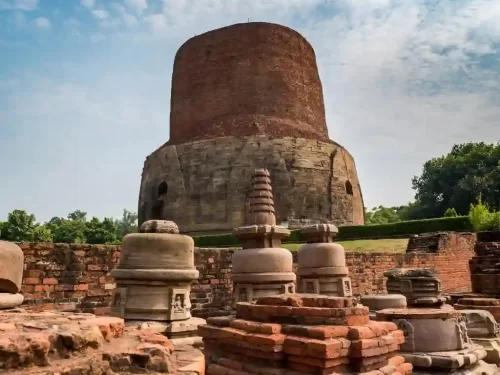
Dhamek Stupa Sarnath, ancient Buddhist monument built of stone and brick marking Buddha’s first sermon site in Uttar Pradesh. Stupa

Dhamek Stupa

Dhamek Stupa in Bodh Gaya is a revered Buddhist monument marking the spot where Buddha delivered his first sermon after attaining enlightenment.
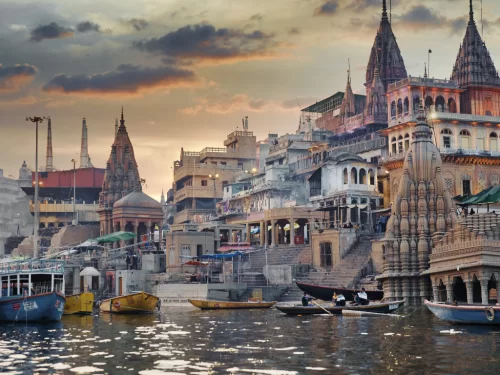
Dashashwamedh Ghat at Varanasi during twilight, featuring temples boats spires reflections, perfect spiritual Uttar Pradesh tour package. River Ghat

Dashashwamedh Ghat

Dashashwamedh Ghat is the most famous and lively ghat in Varanasi, known worldwide for its grand Ganga Aarti and spiritual atmosphere on the River Ganga.
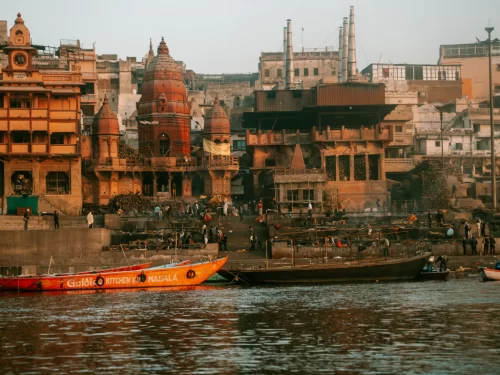
Boat ride at Manikarnika Ghat Varanasi during dusk, featuring temples minarets river reflections, perfect spiritual Uttar Pradesh tour package. River Ghat

Manikarnika Ghat

Manikarnika Ghat is the most sacred cremation ghat in Varanasi, known for its deep spiritual importance and ancient Hindu funeral rituals on the banks of the River Ganga.

Frequently Asked Questions About Shree Annapurna Mandir

Loved this place ? Let’s Plan Your Uttar Pradesh Trip

Get customized Uttar Pradesh tour planning designed around seasonal weather, travel distances between heritage regions, spiritual travel flow, and comfortable pacing. Whether you are visiting for historic monuments, temple circuits, river experiences, cul

⚡ Quick Response | 💰 Free consultation | 🕒 24×7 expert support

×

Plan Your Trip