+91 9910402252
admin@chalbanjare.com


| Entry Fee | Free |
| Timings | 00:00 - 24:00 |
| Altitude (m) | 80 |
| Ideal Visit Duration (hrs) | 1 |
| Best Time of Day | Morning |
| Crowd Level | Moderate |
| Distance from City Centre (km) | 4 |
| Walking Difficulty | Moderate |
| Parking Available | No |
| Last Mile Access | Walk |
| Suitable for Kids | Yes |
| Suitable for Seniors | Yes |
| Wheelchair Friendly | No |
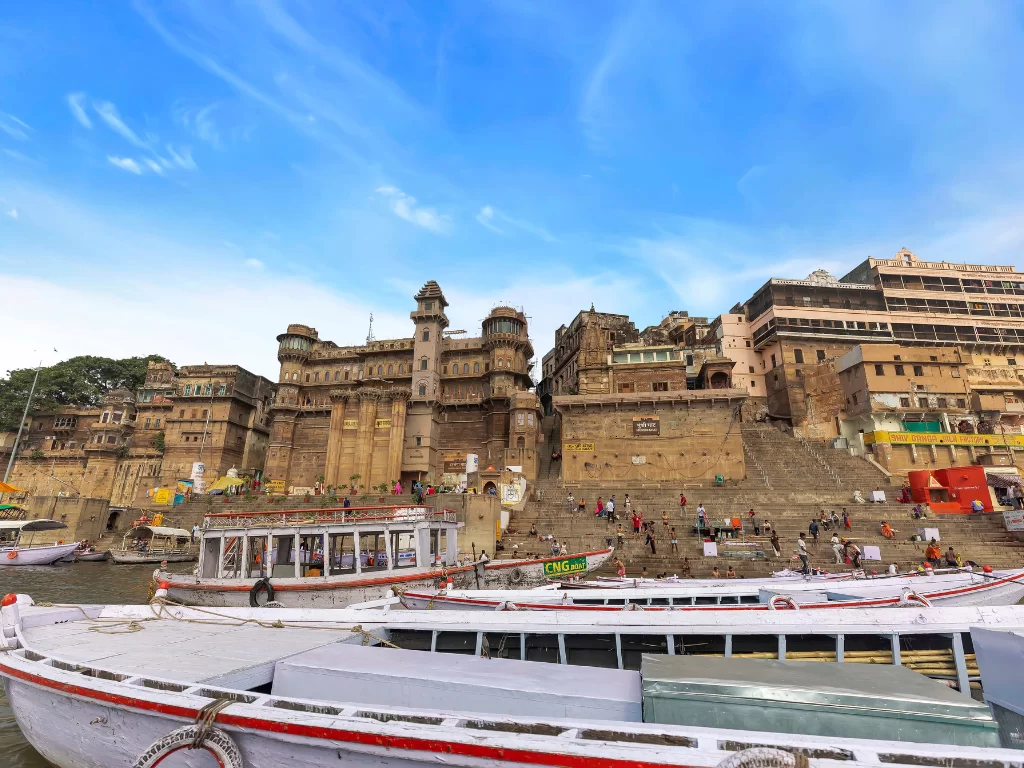
Darbhanga Ghat is one of the most visually impressive and historically rich ghats in Varanasi, known for its grand palace-like architecture and peaceful riverside environment. It is a perfect place for travelers who want to experience the beauty of Varanasi’s ghats without the extreme crowd of Dashashwamedh Ghat. The ghat is famous for its massive stone steps, old heritage buildings, and scenic riverfront views that give visitors a true feeling of the timeless charm of Kashi. Tourists often visit Darbhanga Ghat to enjoy calm morning walks, watch local rituals, and capture some of the best photographs of traditional ghat architecture.
Another major reason to visit Darbhanga Ghat is its excellent location near some of Varanasi’s most important attractions. It is situated close to Kashi Vishwanath Temple, Manikarnika Ghat, and Dashashwamedh Ghat, making it an ideal stop while exploring the main spiritual zone of the city. The ghat is also a popular point for boat rides, especially during sunrise and evening hours, when the riverfront looks magical. For visitors interested in heritage tourism, Darbhanga Ghat offers a royal and historical atmosphere that makes it one of the must-visit ghats in Varanasi.
The atmosphere of Darbhanga Ghat is calm, traditional, and deeply spiritual. Compared to the highly crowded and commercial ghats nearby, Darbhanga Ghat feels quieter and more relaxed, especially during mornings. You can see devotees performing prayers, pilgrims taking holy dips, and local priests conducting rituals along the riverbanks. The sound of temple bells, river waves, and distant chanting creates a peaceful and authentic Banaras vibe.
In the evening, the ghat becomes livelier with visitors walking along the riverfront, boatmen preparing rides, and tourists gathering to enjoy sunset views. Even during busy seasons, the ghat maintains a heritage-rich atmosphere, with its grand stone structures giving a royal feeling that sets it apart from many other ghats.
Darbhanga Ghat is special because of its majestic architectural style and royal legacy. The ghat is associated with the Darbhanga royal family and is known for its palace-like building, which stands prominently along the riverfront and adds a unique heritage identity to the area. The strong stone construction, wide steps, and historic appearance make it one of the most photogenic ghats in Varanasi.
Another highlight is its strategic location in the heart of the old city ghat belt, making it a convenient stop during boat tours and walking tours. The ghat offers stunning panoramic views of the River Ganga, especially during sunrise and sunset. Its combination of history, royal architecture, spiritual environment, and scenic riverfront experience makes Darbhanga Ghat a unique attraction for both pilgrims and tourists.
Darbhanga Ghat is one of the most historically significant and architecturally grand ghats in Varanasi, known for its strong connection with the royal Darbhanga estate of Bihar. The ghat is believed to have been developed and maintained by the Maharajas of Darbhanga, who were among the most influential zamindars and patrons of religion and culture during the British era. Their contribution to Varanasi is visible through the palace-like structure and massive stone construction that still dominates the ghat’s riverfront.
The ghat is famous for its magnificent building, often referred to as the Darbhanga Palace, which was constructed to serve as a residence and resting place for the royal family during their visits to the holy city of Kashi. Over time, the ghat became an important part of the main ghat belt of Varanasi and continues to be recognized as a heritage landmark that reflects the architectural and historical richness of the city.
Due to its location near major ghats like Dashashwamedh and Manikarnika, Darbhanga Ghat has also remained a significant point for travelers and pilgrims who explore the ancient riverfront traditions of Varanasi. Today, it is admired as one of the finest examples of royal patronage and heritage architecture along the sacred River Ganga.
Darbhanga Ghat holds cultural importance because it represents the historic relationship between royal families and the spiritual city of Varanasi. The ghat is not just a riverbank location but a symbol of heritage preservation, showcasing grand stone architecture, traditional ghat life, and the cultural depth of Kashi. Visitors can observe daily rituals, traditional bathing practices, and local customs that continue to define the living culture of the ghats.
It is also a popular spot for photography, heritage walks, and boat tours, making it a culturally rich destination for tourists who want to experience Varanasi beyond temples. The presence of the palace-like structure adds an old-world charm, making the ghat a strong cultural landmark along the riverfront.
Darbhanga Ghat is religiously significant because it is part of the sacred chain of ghats along the River Ganga, where devotees come to perform holy bathing rituals and offer prayers. Like other ghats in Varanasi, it is considered spiritually purifying to visit and spend time here, especially during early morning hours when pilgrims perform rituals on the riverbank.
Its close proximity to important spiritual sites such as Kashi Vishwanath Temple and nearby major ghats increases its importance for pilgrims. Many visitors stop here during boat journeys and ghat walks as part of their spiritual exploration of Varanasi, making it a meaningful place for both worship and peaceful reflection.
The best time to visit Darbhanga Ghat is between October and March, when Varanasi experiences pleasant winter weather and the riverside atmosphere becomes ideal for sightseeing. During these months, the temperature remains comfortable, making it perfect for walking along the ghats, exploring the heritage architecture, and enjoying scenic boat rides on the River Ganga. The winter season also brings a clear sky and soft sunlight, which enhances the beauty of Darbhanga Ghat’s palace-like structure and makes it an excellent time for photography.
The summer season from April to June can be extremely hot, with daytime temperatures often reaching above 40°C. If visiting during summer, it is recommended to explore Darbhanga Ghat early in the morning or after sunset. The monsoon season from July to September offers a dramatic riverfront view with higher water levels, but humidity and slippery steps may reduce comfort. For the best overall experience, visiting in winter or during festival season is highly recommended.
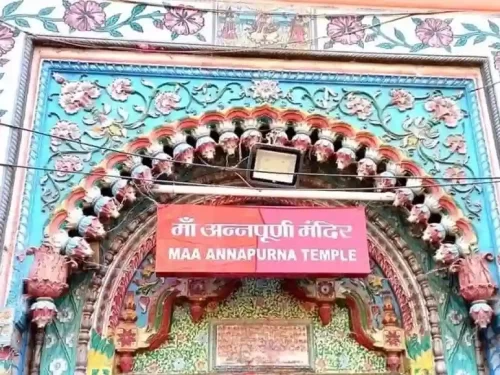 Temple
Annapurna Temple is a revered Hindu temple in Varanasi dedicated to Goddess Annapurna, the deity of nourishment and food.
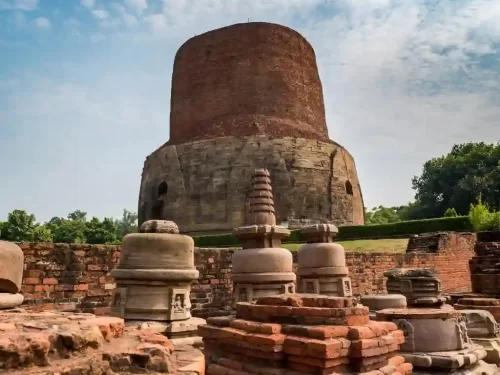 Stupa
Stupa
Dhamek Stupa in Bodh Gaya is a revered Buddhist monument marking the spot where Buddha delivered his first sermon after attaining enlightenment.
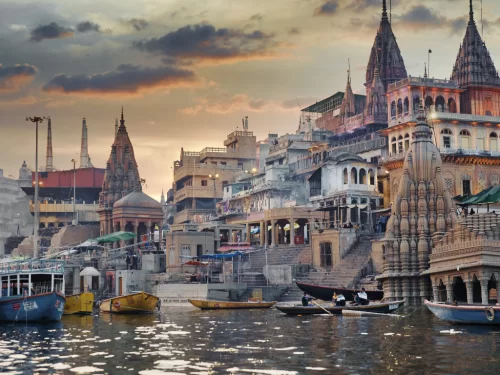 River Ghat
Dashashwamedh Ghat is the most famous and lively ghat in Varanasi, known worldwide for its grand Ganga Aarti and spiritual atmosphere on the River Ganga.
Get customized Uttar Pradesh tour planning designed around seasonal weather, travel distances between heritage regions, spiritual travel flow, and comfortable pacing. Whether you are visiting for historic monuments, temple circuits, river experiences, cul
⚡ Quick Response | 💰 Free consultation | 🕒 24×7 expert support

