+91 9910402252
admin@chalbanjare.com


| Entry Fee | 20 |
| Timings | 10:00 - 17:00 |
| Altitude (m) | 80 |
| Ideal Visit Duration (hrs) | 1 |
| Best Time of Day | Late morning |
| Crowd Level | Moderate |
| Distance from City Centre (km) | 7 |
| Walking Difficulty | Easy |
| Parking Available | Yes |
| Last Mile Access | Road |
| Suitable for Kids | Yes |
| Suitable for Seniors | Yes |
| Wheelchair Friendly | Yes |
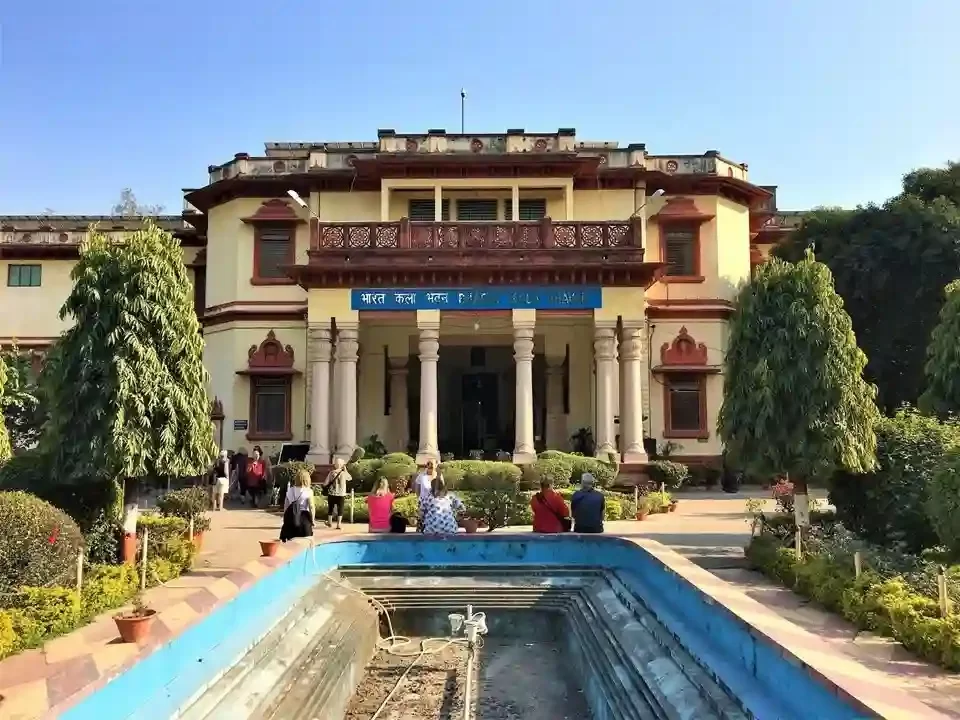
Bharat Kala Bhavan Museum is one of the most important cultural attractions in Varanasi and a must-visit place for travelers who want to explore India’s artistic and historical heritage. Located inside the Banaras Hindu University (BHU) campus, this museum is famous for its rare and valuable collections of sculptures, paintings, archaeological artifacts, coins, manuscripts, textiles, and traditional Indian handicrafts. Unlike the spiritual ghats and temples of Varanasi, Bharat Kala Bhavan offers a different side of the city by showcasing the rich cultural identity of Kashi and India through centuries of art and history. It is a perfect place for tourists, students, and art lovers who want a deeper understanding of Indian civilization.
Visitors come to Bharat Kala Bhavan Museum to witness well-preserved collections that reflect India’s ancient traditions, religious art forms, and royal heritage. The museum is especially known for its collection of miniature paintings, terracotta works, bronze sculptures, and artifacts related to Hindu, Buddhist, and Jain traditions. It is also a peaceful and educational attraction, making it ideal for families and those who prefer quiet cultural sightseeing. If you want to explore Varanasi beyond temples and river rituals, this museum provides a meaningful and enriching experience.
The atmosphere inside Bharat Kala Bhavan Museum is calm, scholarly, and well-organized. Since it is located within the BHU campus, the surroundings feel peaceful and clean compared to the crowded streets of central Varanasi. The museum galleries are designed for quiet exploration, allowing visitors to observe artifacts comfortably without rushing. You will often find students, researchers, and tourists walking through the exhibits, creating an environment that feels educational and culturally engaging.
The museum provides a relaxed sightseeing experience where you can take your time appreciating historical artworks and cultural treasures. The overall vibe is ideal for those who enjoy museums, heritage tourism, and learning-based travel experiences.
Bharat Kala Bhavan Museum is special because it is one of India’s most respected university museums and holds a rich collection of Indian art and archaeological heritage under one roof. The museum is known for preserving rare historical pieces that represent multiple eras of Indian history, from ancient sculptures and religious artifacts to traditional textiles and classical paintings. Its collections help visitors understand the artistic evolution of India and the cultural significance of Varanasi as a centre of learning and tradition.
Another unique feature is its strong academic connection with Banaras Hindu University, which gives the museum high credibility and cultural importance. The museum is not only a tourist attraction but also a research and educational centre, making it a valuable place for heritage lovers. The well-maintained galleries, rare collections, and peaceful environment make Bharat Kala Bhavan Museum one of the finest cultural attractions to visit in Varanasi.
Bharat Kala Bhavan Museum is one of the most important cultural institutions of Varanasi and is closely connected with the academic and heritage legacy of Banaras Hindu University (BHU). The museum was established to preserve and showcase India’s artistic, archaeological, and cultural treasures, especially those linked with the heritage of Kashi and the broader traditions of Indian civilization. Over time, it developed into a highly respected museum known for its rare collections of paintings, sculptures, manuscripts, coins, textiles, and historical artifacts.
The museum gained recognition for its role in collecting and protecting valuable pieces of Indian art and heritage from different periods, including ancient, medieval, and modern eras. Its collections represent the artistic excellence of India, including traditional handicrafts and religious art forms. The museum became an important centre for cultural learning and historical preservation, attracting scholars, researchers, and art lovers from across the country.
Today, Bharat Kala Bhavan is considered one of the finest university museums in India. It stands as a symbol of BHU’s contribution to education, heritage conservation, and cultural awareness, offering visitors a deep insight into India’s artistic and historical journey.
Bharat Kala Bhavan Museum holds major cultural significance because it preserves and represents the rich artistic identity of India through centuries of history. The museum’s galleries showcase traditional Indian art forms, rare miniature paintings, ancient sculptures, decorative objects, and heritage textiles, reflecting the cultural depth of the country. It plays an important role in protecting the cultural legacy of Varanasi, a city known worldwide as a spiritual and cultural capital.
The museum is also culturally significant because it serves as a learning hub for students, historians, and researchers. By displaying authentic artifacts and historical artworks, it helps visitors understand the evolution of Indian culture, craftsmanship, and artistic traditions. Its connection with BHU strengthens its identity as a cultural heritage institution that supports education and preservation at a national level.
The best time to visit Bharat Kala Bhavan Museum is from October to March, when Varanasi experiences pleasant winter weather and sightseeing becomes comfortable. During these months, the climate remains cool and ideal for exploring the BHU campus and visiting the museum without heat or humidity. Since the museum visit involves walking through multiple indoor galleries, winter makes the overall experience more enjoyable, especially for tourists who also plan to visit nearby attractions like Sarnath, Kashi Vishwanath Temple, and the ghats.
The summer season from April to June can be very hot in Varanasi, and traveling around the city during the daytime may feel tiring. However, because the museum is mostly an indoor attraction, it can still be visited in summer, especially during late morning hours. The monsoon season from July to September brings humidity and occasional heavy rainfall, but the museum remains a good cultural sightseeing option during this time as well. For a peaceful experience, visiting on weekdays is recommended, as weekends may attract more students and tourist groups.
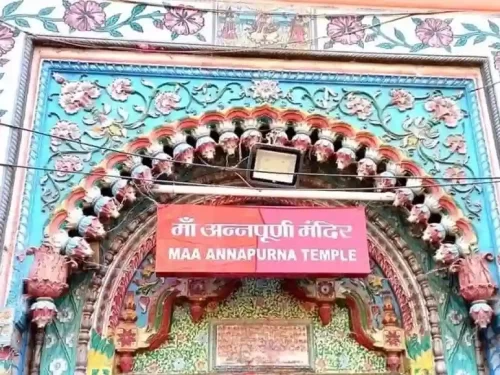 Temple
Annapurna Temple is a revered Hindu temple in Varanasi dedicated to Goddess Annapurna, the deity of nourishment and food.
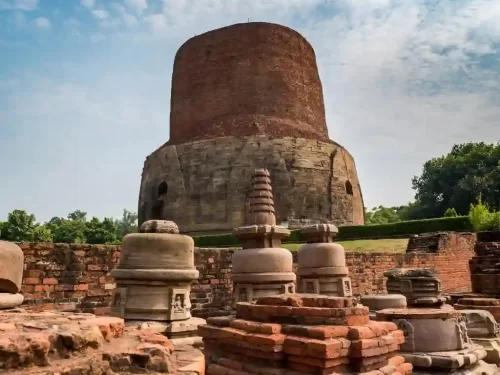 Stupa
Stupa
Dhamek Stupa in Bodh Gaya is a revered Buddhist monument marking the spot where Buddha delivered his first sermon after attaining enlightenment.
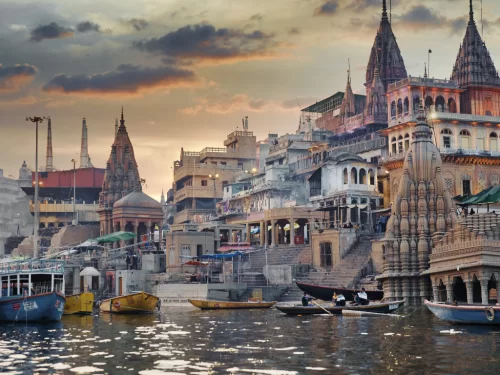 River Ghat
Dashashwamedh Ghat is the most famous and lively ghat in Varanasi, known worldwide for its grand Ganga Aarti and spiritual atmosphere on the River Ganga.
Get customized Uttar Pradesh tour planning designed around seasonal weather, travel distances between heritage regions, spiritual travel flow, and comfortable pacing. Whether you are visiting for historic monuments, temple circuits, river experiences, cul
⚡ Quick Response | 💰 Free consultation | 🕒 24×7 expert support