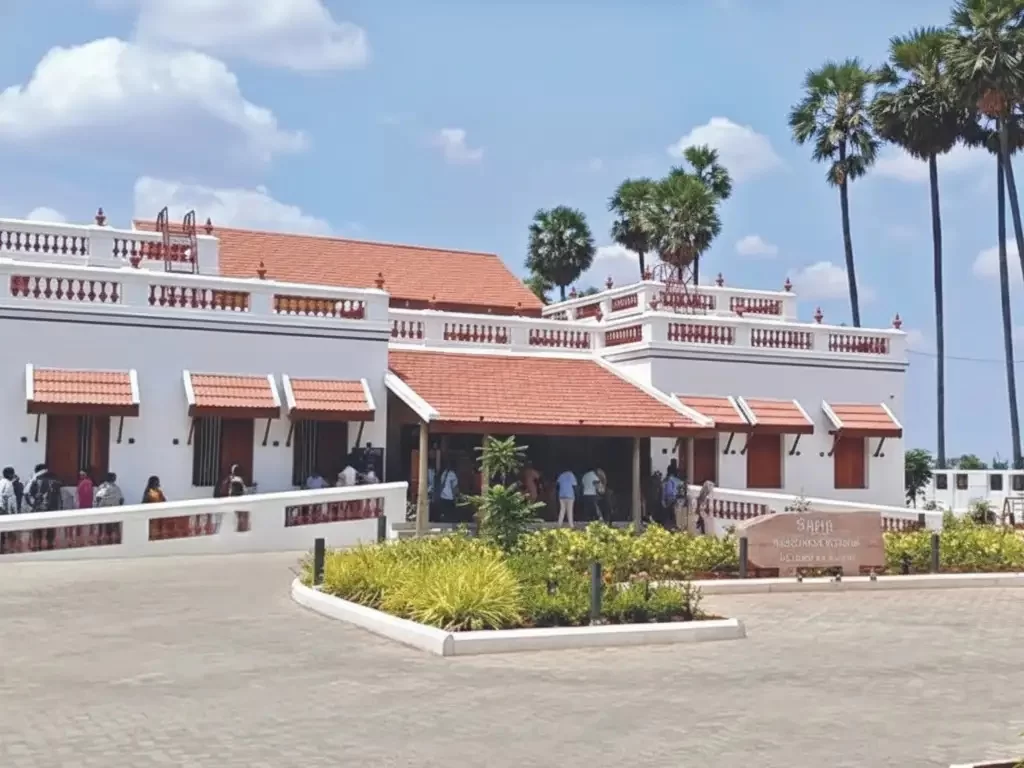
Keeladi Museum, Keeladi, Sivaganga, Tamil Nadu, India

Keeladi Museum , Madurai
Tourists visit Keeladi Museum to see excavated artefacts such as pottery, beads, tools, and cultural materials that provide insight into early urban life in Tamil Nadu. It is also visited by history-focused travelers and students interested in Sangam-age archaeology and heritage displays.

Quick Facts About Keeladi Museum

Quick Facts About Keeladi Museum, Sivaganga

Entry Fee Free entry (no ticket fee)
Timings 9:00 AM to 5:00 PM (Tuesday to Sunday); Closed on Mondays
Altitude (m) Approx. 70 m above sea level
Ideal Visit Duration 45 minutes to 1.5 hours
Best Time of Day Late morning or early afternoon (for clear museum viewing and less heat)
Crowd Level Low to moderate on weekdays; moderate on weekends and school visit days
Distance from City Centre (km) Approx. 12 km from Madurai city centre
Walking Difficulty Easy (indoor museum walking)
Parking Available Yes, basic parking available near the museum premises
Last Mile Access Accessible by car, taxi, and local auto-rickshaw; limited direct public bus connectivity to the museum gate
Suitable for Kids Yes, suitable for educational visits
Suitable for Seniors Yes, comfortable indoor visit with minimal walking strain
Wheelchair Friendly Yes, largely accessible (entry and indoor pathways are generally suitable)

Why Visit Keeladi Museum, Sivaganga, Tamil Nadu

Keeladi Museum is visited to view archaeological artefacts recovered from the Keeladi excavation site, including pottery, beads, iron tools, household materials, and ancient inscriptions. Tourists and students come here to understand early Tamil settlement patterns through real excavation evidence displayed in a structured format.

The on-ground atmosphere is quiet and educational, with indoor gallery spaces designed for slow viewing and reading. The museum is usually calm on weekdays, while weekends and school group visits can make certain display sections busier, especially near key artefact panels.

What makes Keeladi Museum distinct is its direct connection to one of Tamil Nadu’s most discussed archaeological sites, allowing travelers to see excavation-based exhibits rather than general cultural displays. The museum visit is often combined with a short trip to the nearby excavation area, making it a focused heritage stop near Madurai.

History of Keeladi Museum, Sivaganga, Tamil Nadu

Keeladi Museum was established to display and interpret artefacts excavated from the Keeladi archaeological site located near the Vaigai River basin. The excavation findings brought national attention due to evidence of organised ancient settlement activity, including urban-style living materials such as brick structures, pottery, tools, and industrial remains.

The museum’s exhibits are directly based on documented excavation work carried out in phases by archaeological teams, and the displayed objects are catalogued as part of Tamil Nadu’s heritage records. Today, the museum serves as a public interpretation centre that helps visitors understand the scale and lifestyle evidence discovered at Keeladi.

Best Time to Visit Keeladi Museum, Sivaganga, Tamil Nadu

Keeladi Museum can be visited year-round since it is primarily an indoor attraction, but the overall trip is more comfortable during cooler months because the museum is often combined with nearby outdoor excavation-area visits and village travel routes.
  • Ideal months: November to February for cooler daytime temperatures, making travel from Madurai and walking around nearby areas more comfortable.
  • Weather during the best season: Mild heat with lower humidity compared to summer, suitable for longer museum viewing and combined heritage stops.
  • Good season for combined site visits: July to September, when the surrounding Vaigai basin landscape is greener, though occasional rain can affect road comfort.
  • Periods to avoid (if possible): April to June afternoons, as the region experiences strong heat which can make travel and outdoor movement tiring.
  • Festival and crowd note: Weekends and public holidays may see more visitors and school groups, so weekday mornings offer a quieter museum experience.

How to Reach Keeladi Museum, Sivaganga, Tamil Nadu

  • Nearest airport: Madurai Airport (IXM), approx. 20–25 km away. Taxis and app-based cabs are available from the airport to reach Keeladi via Madurai city routes.
  • Nearest railway station: Madurai Junction (MDU), approx. 12–15 km away. From the station, visitors can hire taxis or autos for direct travel to the museum.
  • Road access: Keeladi Museum is connected by road from Madurai through Thiruppuvanam-side routes. The drive is commonly done by private vehicle, taxi, or hired cab.
  • Last-mile connectivity: Local autos can reach the museum, but direct public transport options may be limited depending on the time of day, so return travel is easier with a pre-booked cab.
  • Travel conditions to note: The approach involves village roads that are generally motorable but may slow down during rainy days or peak school-visit hours due to vehicle congestion near the entrance.

What to Expect When You Visit Keeladi Museum, Sivaganga, Tamil Nadu

  • Expect an indoor museum setup with well-organised display sections featuring pottery fragments, excavation tools, household artefacts, and interpretation panels linked to the Keeladi excavation site.
  • The museum environment is quiet and designed for slow reading and observation, making it suitable for students, researchers, and travelers interested in archaeology.
  • Visitors typically spend time at exhibit boards explaining excavation phases, settlement patterns, and artefact classification, so the experience is more informational than visual-only.
  • Facilities are basic but visitor-friendly, usually including entry support staff, simple seating areas, and open spaces for group visits.
  • The museum is generally easy to walk through, with minimal physical effort required compared to outdoor heritage sites.
  • Weekdays are usually calm, but weekends and school trip days can create crowding near key artefact showcases and information panels.
  • The museum is often combined with a short visit to the nearby excavation region, but the surrounding area is rural with limited food outlets close to the museum.
  • Photography may be allowed in most display areas, but certain sections may restrict flash or close-up photography depending on exhibit protection rules.

Important Visitor Information for Keeladi Museum, Sivaganga, Tamil Nadu

  • Crowd and weather notes: The museum is mostly calm on weekdays, but weekends and school group visits can increase crowd levels inside the galleries. Since it is an indoor attraction, weather impact is minimal, but travel from Madurai can be uncomfortable during peak summer heat.
  • Peak visiting hours: 11:00 AM to 2:00 PM is usually the busiest time, especially when educational tour groups arrive.
  • Quiet visiting hours: 9:00 AM to 11:00 AM is generally quieter and better for reading exhibit panels without disturbance.
  • Dress code: No formal dress code is required, but comfortable clothing is recommended as the visit involves standing and reading for extended periods.
  • Safety notes: The museum is a controlled indoor space with low physical risk, but visitors should avoid touching display items or leaning on protected exhibit areas.
  • Photography caution: Photography may be allowed in many sections, but flash use or close-up shots may be restricted in certain exhibit zones depending on preservation rules.
  • Food and amenities limitation: Food options near the museum are limited due to the rural setting, so visitors often plan meals in Madurai or on the highway route.
  • Closure note: The museum is typically closed on Mondays, so tourists should confirm the working day before planning a visit.

Photography and Viewpoints at Keeladi Museum, Sivaganga, Tamil Nadu

  • Best photography areas: The main gallery sections with pottery displays, excavation artefacts, and labelled panels are the most photographed zones, especially where artefacts are arranged in clear chronological formats.
  • Exhibit-focused photography: Visitors commonly take photos of key artefacts such as ancient pottery fragments, beads, iron tools, and inscription-related displays that represent Keeladi’s excavation identity.
  • Lighting conditions: Indoor lighting is consistent, but some glass-covered exhibits may create reflections, especially when the museum is crowded and visitors stand close to display cases.
  • Best time for a clear photo experience: Morning hours (9:00 AM – 11:00 AM) are best for unobstructed photos, as visitor movement is lower and exhibit spaces are less congested.
  • Crowd impact: During weekends and school tour hours, photography becomes difficult near popular exhibit boards due to groups stopping for explanations.
  • Photography restrictions: Photography is usually allowed in public museum areas, but flash photography may be restricted near protected artefacts to prevent damage.
  • Outdoor viewpoint limitation: The museum itself is mainly an indoor experience, so there are limited scenic outdoor viewpoints compared to nature-based attractions.
  • Access factor: Some exhibit spaces are narrow, so visitors may need to wait briefly to capture close-up shots without blocking the walking path.

Near By Attraction

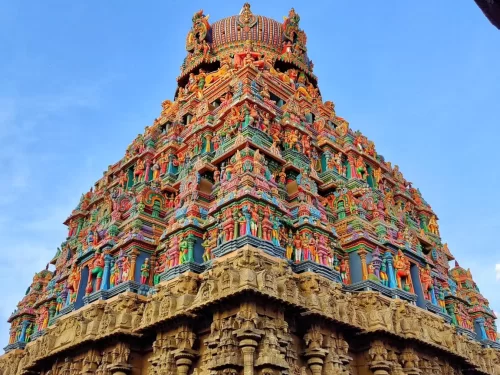
Upward perspective of vibrantly sculpted five-tiered Rajagopuram Arulmigu Koodal Azhagar Temple Madurai Tamil Nadu with intricate Dravidian stucco deities detailed stone base against clear blue sky, ideal for Madurai temple architecture photography Temple

Arulmigu Koodal Azhagar Temple

Arulmigu Koodal Azhagar Temple is a prominent Vishnu temple in central Madurai dedicated to Lord Koodal Azhagar.
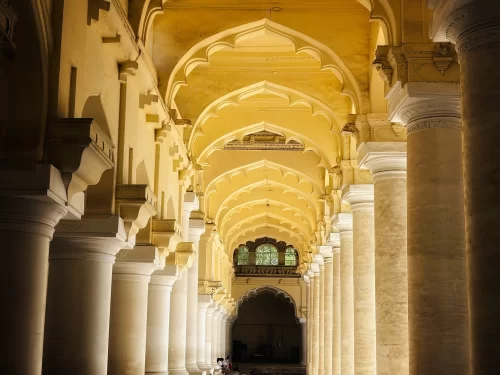
Thirumalai Nayakkar Mahal Palace

Thirumalai Nayakkar Mahal

Thirumalai Nayakkar Mahal is a 17th-century palace complex in Madurai built by Nayak ruler Thirumalai Nayak.
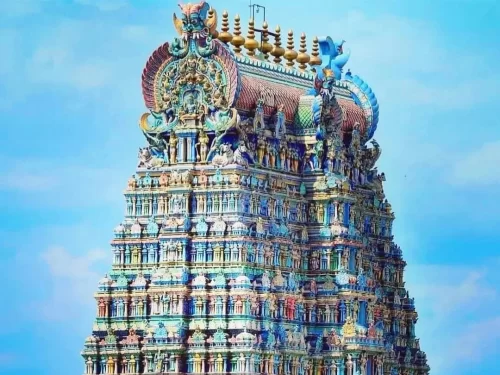
Meenakshi Amman Temple Madurai Tamil Nadu stunning vertical view of ornate multi-tiered gopuram with golden vimana intricate rainbow deity carvings mythical birds under clear blue sky, legendary Dravidian Hindu temple tower architectural splendor heritage Temple

Meenakshi Amman Temple

Meenakshi Amman Temple is a major Dravidian-style Hindu temple complex in Madurai dedicated to Goddess Meenakshi and Lord Sundareswarar.

Frequently Asked Questions About Keeladi Museum

The best time to visit Keeladi Museum is from October to March when the weather is pleasant for travel and exploration. Morning hours provide a comfortable indoor viewing experience.
Keeladi Museum is generally open during standard daytime hours and remains closed on certain weekly holidays. Visitors should verify official timings before planning.
Keeladi Museum charges a nominal entry fee for visitors. Separate charges may apply for cameras and special exhibitions.
Keeladi Museum can be reached easily by taxi bus or private vehicle as it is located along a well connected road network. The museum has designated entry access from the main route.
Most travelers spend one to two hours at Keeladi Museum. The visit includes exploring artifact galleries and reading informational displays.
Keeladi Museum features archaeological artifacts ancient pottery inscriptions and excavation findings displayed in organized galleries. Informational panels explain the cultural context of the discoveries.
Keeladi Museum is suitable for families students and history enthusiasts due to its structured layout and educational exhibits. The indoor setting allows relaxed exploration.
Guided tours may be available at Keeladi Museum depending on staff availability. Visitors can also explore independently using display descriptions and exhibit labels.
Keeladi Museum can be visited during monsoon as it is primarily an indoor attraction. Rain may affect travel conditions but not the museum experience.
Keeladi Museum can be combined with nearby temples heritage sites and city landmarks. These attractions are usually accessible within short travel distance.

Loved this place ? Let’s Plan Your Tamil Nadu Trip

Get customized Tamil Nadu tour planning designed around temple visit timing, seasonal weather comfort, road travel distances, and realistic pacing across regions. Whether you are visiting for architectural heritage, spiritual journeys, coastal relaxation,

⚑ Quick Response | πŸ’° Free consultation | πŸ•’ 24Γ—7 expert support

×

Plan Your Trip