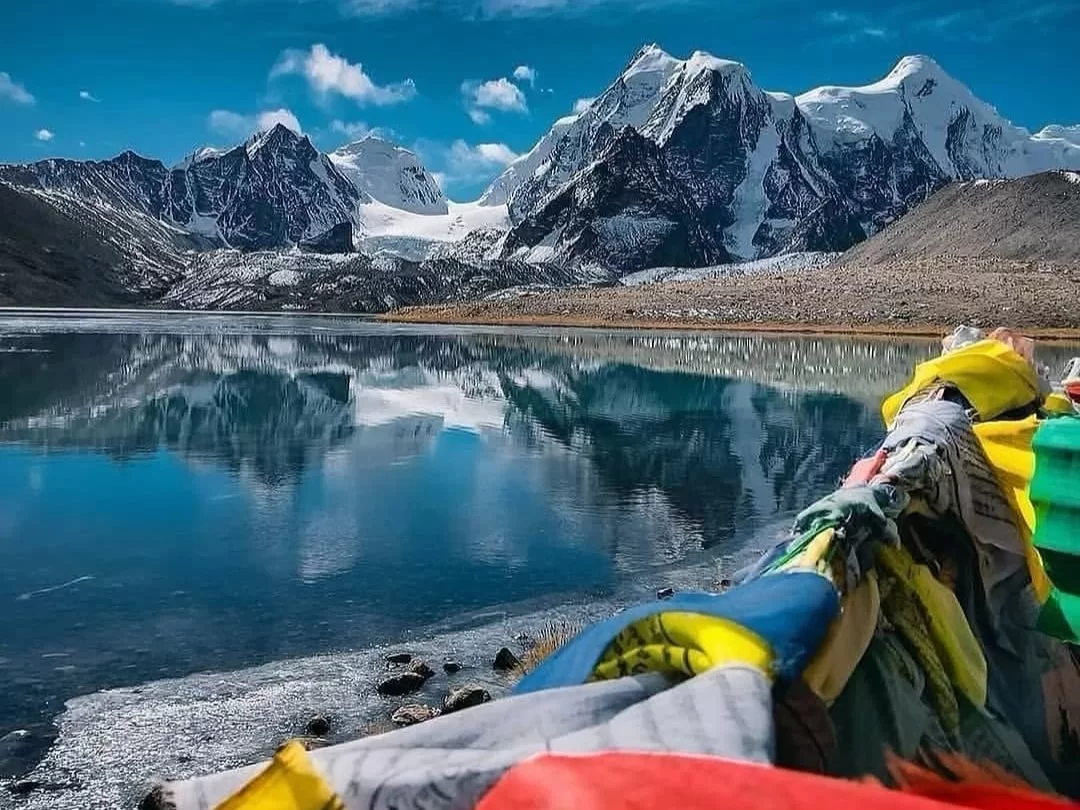
Tsomgo Lake, Gangtok Region, East Sikkim, Sikkim, India

Tsomgo Lake , Gangtok
Visitors travel to Tsomgo Lake to observe its seasonal frozen and unfrozen conditions depending on the time of year. It is part of a regulated tourist route from Gangtok and is typically visited along with nearby sites such as Baba Mandir and Nathula Pass when permits are allowed.

Quick Facts About Tsomgo Lake

Tsomgo Lake, Gangtok, Sikkim Quick Facts

Entry Fee No separate entry fee; special permit required for Indian and foreign visitors (arranged through registered tour operators)
Timings Generally open from 8:00 AM to 3:00–4:00 PM (restricted hours due to weather and permit regulations)
Altitude (m) Approximately 3,753 m above sea level
Ideal Visit Duration 1–2 hours
Best Time of Day Morning for clearer reflections and better weather conditions
Crowd Level High during peak tourist season (March–June, October–December); moderate in off-season
Distance from City Centre (km) Approximately 40–45 km from Gangtok city centre
Walking Difficulty Easy; minimal walking near lake area but caution needed due to high altitude
Parking Available Yes, designated parking available near the lake entrance area
Last Mile Access Accessible by road with a short walk from parking zone to the lake viewpoint
Suitable for Kids Yes, but not recommended for very young children due to high altitude
Suitable for Seniors Partially suitable; high altitude may cause discomfort for some visitors
Wheelchair Friendly No; uneven terrain and altitude constraints limit accessibility

Why Visit Tsomgo Lake, Gangtok, Sikkim

Visitors come to Tsomgo Lake near Gangtok to experience a high-altitude glacial lake surrounded by snow-covered mountains and rugged Himalayan terrain. It is one of the most visited natural attractions in East Sikkim and a key stop on the route toward Nathula.

The on-ground atmosphere is cold and dynamic, with shifting weather, reflective lake waters, and snow depending on the season. Yak rides, prayer flags, and designated viewpoints create a structured visitor experience around the natural landscape.

What makes Tsomgo Lake distinct is its elevation and seasonal transformation, where the lake often freezes in winter and reflects alpine scenery in warmer months. Its proximity to Gangtok and dramatic Himalayan setting make it one of Sikkim’s most recognizable high-altitude destinations.

History of Tsomgo Lake, Gangtok, Sikkim

Tsomgo Lake, also known as Changu Lake, is a glacial lake located in East Sikkim on the route from Gangtok toward the Nathula region. The lake is formed from snowmelt and natural glacial activity in the eastern Himalayas.

The site holds cultural and religious significance for local communities, who traditionally regard the lake as sacred and associated with spiritual beliefs linked to the Himalayan landscape and Buddhist traditions of Sikkim.

Today, Tsomgo Lake is a regulated tourist destination and an important part of the Gangtok travel circuit, known for its high-altitude setting and seasonal changes in its frozen and unfrozen states.

Best Time to Visit Tsomgo Lake, Gangtok, Sikkim

Tsomgo Lake is best visited during the months when the Nathula–Gangtok road remains open and weather conditions allow safe high-altitude travel, as the lake’s appearance changes significantly with snow cover and seasonal visibility.
  • Ideal Months: April to June and October to early December are generally the most suitable periods for visiting, depending on permit availability and road conditions.
  • Weather Conditions: These months typically bring cold, crisp high-altitude weather with clear to partly cloudy skies, offering striking views of the glacial lake and surrounding snow-clad mountains.
  • Periods to Avoid: July to September should be avoided due to heavy monsoon rainfall, fog, and frequent landslides on the Gangtok–Tsomgo route. January to March may also see heavy snowfall and restricted access due to road closures.

How to Reach Tsomgo Lake, Gangtok, Sikkim

  • By Air: The nearest airport is Pakyong Airport, located approximately 45–50 km from Tsomgo Lake. Bagdogra Airport in West Bengal, around 130–140 km away, offers wider flight connectivity. From both airports, travelers must reach Gangtok first and then continue onward by road.
  • By Train: New Jalpaiguri (NJP) Railway Station is the nearest major railhead, situated about 120–125 km from Tsomgo Lake. From NJP or Siliguri, the journey continues by road via Gangtok using shared jeeps or private taxis.
  • By Road: Tsomgo Lake is located about 40–45 km from Gangtok on the Gangtok–Nathula road at high altitude. The route is accessible only via registered vehicles with a mandatory Sikkim Tourism permit arranged through approved operators. The road is steep, winding, and prone to snowfall, fog, and occasional closures during winter or adverse weather, which may temporarily restrict access.

What to Expect When You Visit Tsomgo Lake, Gangtok, Sikkim

  • Tsomgo Lake is a high-altitude glacial lake located on the Gangtok–Nathula route, surrounded by steep snow-covered mountains, rocky terrain, and a cold alpine environment that changes sharply with seasons.
  • The area experiences very low temperatures for most of the year, with frozen lake conditions in winter and mist, rain, or fog common during other seasons, often limiting long-distance visibility.
  • Facilities are basic and concentrated near the parking and entry zone, including small food stalls, tea shops, and pony services. Restrooms and shelter options are limited and functional rather than developed.
  • Access requires a regulated permit and travel by vehicle from Gangtok on winding mountain roads. Movement around the lake is restricted to designated walking areas, with short distances due to high altitude conditions.
  • Visitors typically spend a brief time viewing the lake, taking photographs, and sometimes using ponies or walking around marked sections, as prolonged activity is difficult at this altitude.
  • Crowd levels can be moderate to high during peak tourist seasons due to limited parking and restricted entry slots, leading to wait times for vehicles and viewpoints.
  • Visitors should expect altitude-related effects, cold winds, and limited oxygen levels, making slow movement, warm clothing, and short stays essential for safety and comfort.

Important Visitor Information for Tsomgo Lake, Gangtok, Sikkim

  • Tsomgo Lake experiences peak visitor flow between March–June and October–December, while weekdays and early morning departures from Gangtok are comparatively less crowded.
  • The lake remains extremely cold throughout the year, with winter bringing heavy snowfall and partial freezing, often limiting movement and visibility around the lake.
  • Early morning visits offer clearer mountain reflections and fewer crowds before tourist convoy traffic increases later in the day.
  • Warm layered clothing is essential in all seasons due to high-altitude conditions and sudden temperature drops near the lake surface.
  • Visitors should avoid stepping onto frozen or unstable ice areas around the lake, as surface strength can vary and pose safety risks.
  • Restricted area permits are required for Tsomgo Lake access, and travelers must follow army checkpoints and local regulations strictly during the visit.

Photography and Viewpoints at Tsomgo Lake, Gangtok, Sikkim

  • The main lakeside promenade offers the most iconic framing of Tsomgo Lake, capturing the glacial water, surrounding snow-covered peaks, and yak-dotted shoreline in a single wide composition.
  • Elevated roadside bends on the Gangtok–Nathula route provide sweeping top-down views of the lake, especially effective for panoramic shots of the oval-shaped basin and surrounding ridgelines.
  • Early morning light provides the clearest reflection of mountains on the lake surface before wind activity increases, while midday often introduces stronger contrast in snow and water textures.
  • Photography is permitted in designated visitor areas, but access beyond marked boundaries near the lake edge is restricted to protect the fragile high-altitude environment.
  • During winter months (December–February), the lake is often partially frozen, creating unique reflective ice patterns, while peak tourist seasons increase crowd density along the viewing platform.
  • Weather conditions change rapidly at high altitude, and sudden fog or snowfall can limit visibility, resulting in short but highly dynamic photography windows.
  • Access is controlled along the single approach road from Gangtok, with designated stop points used for short-duration photography due to time limits and vehicle movement regulations.

Near By Attraction

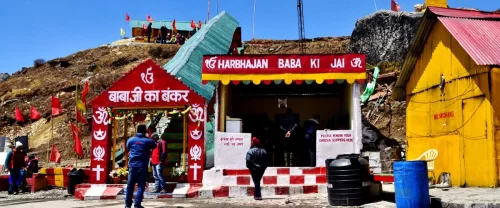
Baba Harbhajan Singh Shrine Temple

Baba Harbhajan Singh Shrine

Baba Harbhajan Singh Temple is a memorial shrine located on the Gangtok–Nathula road in East Sikkim.
 Waterfall

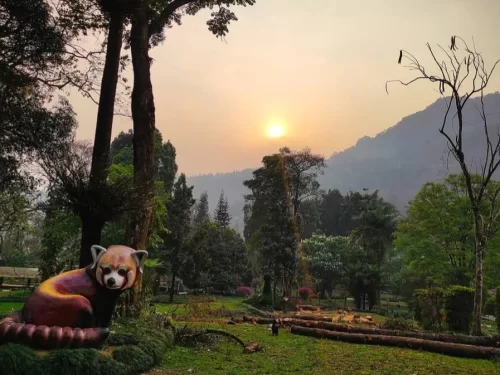
Mandakini waterfall

Mandakini Waterfall is a natural waterfall located in West Sikkim along forested mountain terrain.

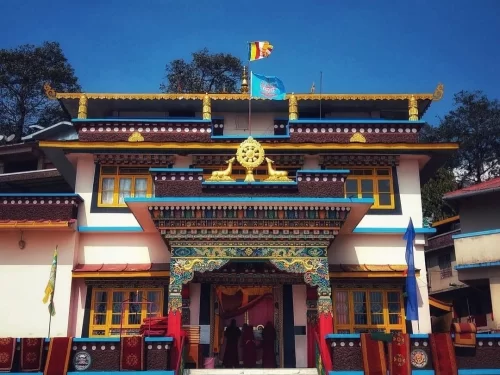
Gonjang Monastery Gangtok Sikkim Buddhist monastery with colorful Tibetan architecture and prayer flags Monastery

Gonjang Monastery

Gonjang Monastery is a Tibetan Buddhist monastery located on the outskirts of Gangtok in Sikkim.
Frequently Asked Questions About Tsomgo Lake

It is one of the most popular high altitude attractions near Gangtok, known for its glacial lake, changing seasonal scenery, and Himalayan views.
April to June and October to early December usually provide the most reliable weather and road access.
Travel from Gangtok by registered taxi on the Nathula route with the required permit.
Yes visitors need a permit arranged through authorized operators before traveling.
There is no separate entry fee although permits are mandatory.
Most travelers spend about one to two hours at the lake.
The lake is located at approximately 3753 meters above sea level.
Yes but very young children should be taken with caution because of the high altitude.
It can be visited but seniors should consider altitude related health concerns.
Yes the lake offers excellent mountain and landscape photography opportunities.
Carry warm clothing drinking water sunglasses sunscreen and your travel permit.
Many visitors combine the trip with Baba Mandir and Nathula Pass when permitted.

Loved this place ? Let’s Plan Your Sikkim Trip

Get customized Sikkim tour planning based on season, altitude comfort, travel permits, and realistic road travel time. Whether you are visiting for scenic landscapes, monastery circuits, mountain views, or peaceful hill stays, our experts design practical

⚡ Quick Response | 💰 Free consultation | 🕒 24×7 expert support

×

Plan Your Trip