Quick Facts About Gonjang Monastery
Gonjang Monastery, Gangtok, Sikkim Quick Facts
| Entry Fee | No entry fee |
| Timings | Generally open daily from 8:00 AM to 5:00 PM; timings may vary during religious ceremonies and festivals |
| Altitude (m) | Approximately 1,650 m above sea level |
| Ideal Visit Duration | 45 minutes to 1 hour |
| Best Time of Day | Morning for clear mountain views and a peaceful atmosphere |
| Crowd Level | Low; moderate during Buddhist festivals and holidays |
| Distance from City Centre (km) | Approximately 8 km from Gangtok city centre (MG Marg) |
| Walking Difficulty | Easy to moderate; includes a gentle uphill walk and a few steps |
| Parking Available | Yes, limited parking is available near the monastery |
| Last Mile Access | Accessible by taxi or private vehicle, followed by a short walk to the monastery entrance |
| Suitable for Kids | Yes |
| Suitable for Seniors | Yes, though some steps may require assistance |
| Wheelchair Friendly | Partially accessible; outdoor areas are accessible, but steps limit access to some sections |
Why Visit Gonjang Monastery, Gangtok
Visitors come to Gonjang Monastery to experience a peaceful Buddhist monastery away from Gangtok's busy town center. It is known for its prayer hall, large Buddha statue, and scenic setting overlooking the surrounding Himalayan landscape.
The atmosphere is quiet and contemplative, with fluttering prayer flags, the sound of monks chanting during prayer sessions, and panoramic hill views. The elevated location provides a calm environment for reflection and photography.
What makes Gonjang Monastery distinct is its combination of spiritual significance and uninterrupted views of the Gangtok valley and nearby mountains. Its less-crowded setting offers travelers a more relaxed monastery experience while remaining easily accessible from the city.
History of Gonjang Monastery, Gangtok, Sikkim
Gonjang Monastery was established in 1981 under the guidance of H.E. Tingkye Gonjang Rinpoche. It belongs to the Nyingma school of Tibetan Buddhism, the oldest of the four major traditions of Tibetan Buddhism, and was founded to promote Buddhist teachings and monastic education in Sikkim.
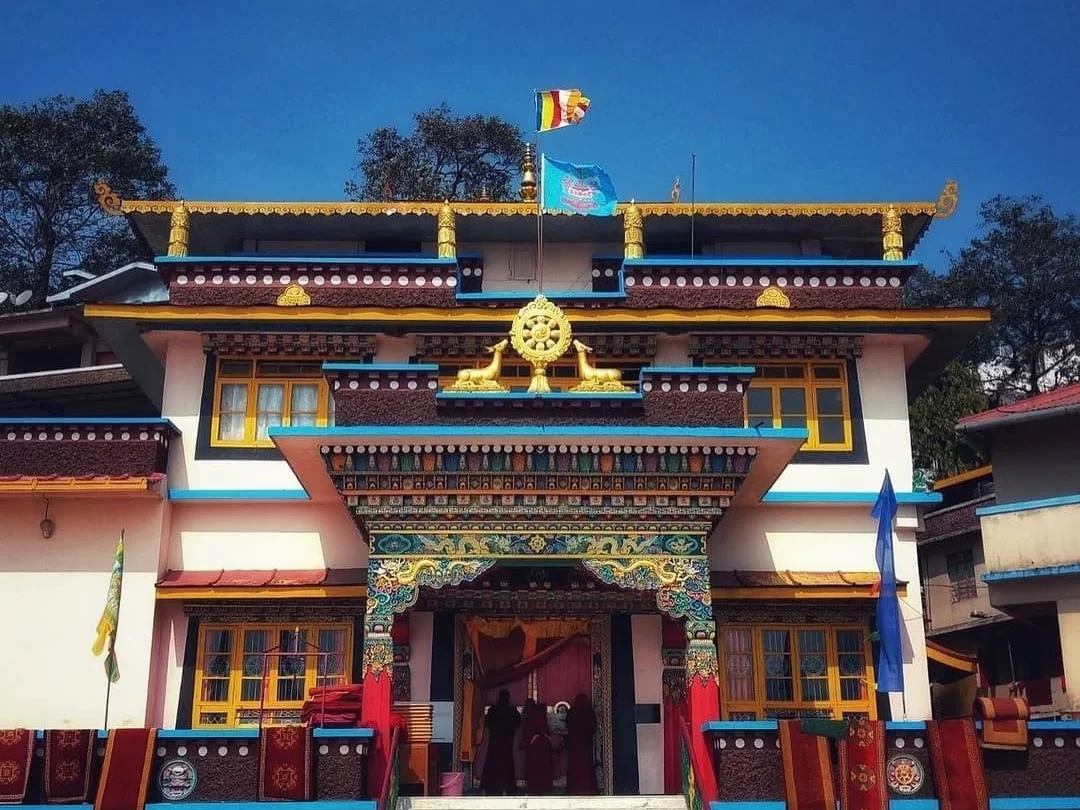
The monastery holds religious importance for the local Buddhist community and houses prayer halls, sacred scriptures, statues, and traditional Buddhist artwork. It serves as an active center for daily prayers, meditation, and religious ceremonies.
Today, Gonjang Monastery continues to function as a place of worship and learning while welcoming visitors interested in Tibetan Buddhist culture, architecture, and the spiritual heritage of Gangtok.
Best Time to Visit Gonjang Monastery, Gangtok, Sikkim
Gonjang Monastery is best visited between October and April, when the weather is generally pleasant and clearer skies offer better views of the surrounding Himalayan landscape. The monastery remains open year-round, but seasonal conditions can influence visibility and road travel.
- Ideal Months: October to April is the most favorable period for visiting the monastery, sightseeing, and enjoying the peaceful hilltop setting.
- Weather Conditions: Cool, comfortable temperatures and relatively clear weather make it easier to explore the monastery grounds and enjoy panoramic views of the nearby mountains and valleys.
- Periods to Avoid: June to September is the monsoon season, when frequent rainfall, fog, and occasional landslides may affect road conditions and reduce mountain visibility.
How to Reach Gonjang Monastery, Gangtok, Sikkim
- By Air: The nearest airport is Pakyong Airport, approximately 35 km from Gonjang Monastery. Bagdogra Airport, about 125 km away in West Bengal, offers better flight connectivity. Taxis are available from both airports for the onward journey to Gangtok.
- By Train: New Jalpaiguri (NJP) Railway Station, around 120 km from the monastery, is the nearest major railhead. Regular taxis and shared vehicles operate between NJP, Siliguri, and Gangtok.
- By Road: Gonjang Monastery is located about 8 km north of Gangtok town on the Gangtok–Mangan Road (NH 10/North Sikkim Highway). It is easily accessible by taxi or private vehicle, with the final approach directly connected by a motorable road. Mountain roads may experience delays during the monsoon due to landslides or heavy rainfall, so travelers should check local road conditions before departure.
What to Expect When You Visit Gonjang Monastery, Gangtok, Sikkim
- Gonjang Monastery is situated on a hillside north of Gangtok, surrounded by forested slopes and mountain scenery, offering a quieter setting than the city's more frequently visited monasteries.
- The monastery complex includes a prayer hall, open courtyards, and landscaped grounds. Visitor facilities are limited, while restaurants, shops, and accommodation are available in central Gangtok.
- The site is accessible by road from Gangtok, with the final approach involving a short walk from the parking area. Internal pathways are generally manageable but may include steps and uneven surfaces.
- Visitors typically spend time observing Buddhist architecture, prayer ceremonies, prayer wheels, and panoramic views of the surrounding hills. The monastery remains peaceful outside festival periods and organized religious events.
- Photography is generally permitted in outdoor areas, but restrictions may apply inside prayer halls or during religious rituals. Visitors should follow posted guidance and respect monks and worshippers.
- The hilltop location can experience cool temperatures, mist, and changing weather throughout the year, which may reduce visibility and make outdoor surfaces slippery after rain.
- Visitors are expected to dress modestly, maintain silence inside prayer areas, remove footwear where required, and avoid interrupting ongoing religious practices.
Important Visitor Information for Gonjang Monastery, Gangtok
- The monastery is generally uncrowded, with slightly higher visitor numbers on weekends, Buddhist festival days, and local holidays.
- Morning hours provide the quietest atmosphere for prayer, meditation, and photography, while afternoons may see more visitors.
- Gangtok experiences cool weather for much of the year, while monsoon rains can make the approach road and pathways wet and slippery.
- Visitors should wear modest clothing suitable for a place of worship and remove footwear before entering designated prayer halls.
- Maintain silence inside the monastery, avoid interrupting religious ceremonies, and seek permission before photographing monks or prayer rituals.
- Walk carefully on steps and sloping pathways, especially during rainy weather, and follow any instructions displayed within the monastery premises.
Photography and Viewpoints at Gonjang Monastery, Gangtok
- The monastery courtyard and terrace provide wide views of Gangtok, the surrounding valleys, and the Kanchenjunga range on clear days, making them the best photography spots within the complex.
- The colorful prayer flags, traditional monastery architecture, and large statue of Buddha create striking foreground compositions against the Himalayan landscape.
- Early morning offers the clearest mountain visibility and soft natural light, while late afternoon produces warm illumination across the monastery buildings and nearby hills.
- Photography is generally allowed in the outdoor areas, but visitors should seek permission before taking photographs inside prayer halls, where restrictions may apply during religious activities.
- The monastery remains relatively peaceful compared to central Gangtok attractions, although weekends and Buddhist festivals may bring larger numbers of visitors that can affect unobstructed photography.
- Seasonal fog and monsoon clouds can limit long-distance views, while the post-monsoon months from October to December typically provide the best visibility for landscape photography.
- Visitors should remain within designated pathways and viewing areas, respecting prayer spaces and avoiding disruption to monks and worshippers while taking photographs.