Quick Facts About Saramsa Garden
| Entry Fee | 20 |
| Timings | 09:00 - 18:00 |
| Altitude (m) | 1450 |
| Ideal Visit Duration (hrs) | 2 |
| Best Time of Day | Morning |
| Crowd Level | Moderate |
| Distance from Gangtok (km) | 11 |
| Walking Difficulty | Easy |
| Parking Available | Yes |
| Last Mile Access | Walk |
| Suitable for Kids | Yes |
| Suitable for Seniors | Yes |
| Wheelchair Friendly | No |
Why Visit Saramsa Garden
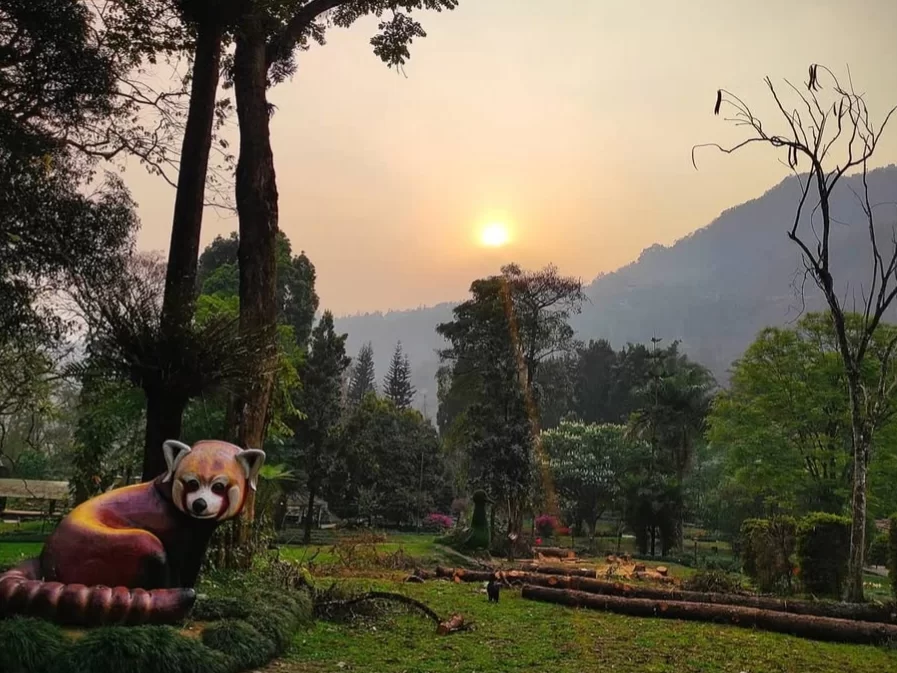
Why Visit: Saramsa Garden is a must-visit destination for nature lovers, families, and anyone seeking a peaceful escape from the bustling streets of Gangtok. Its lush greenery, colorful flower beds, and well-maintained pathways make it ideal for leisurely strolls and photography.
Atmosphere: The garden exudes a tranquil and refreshing atmosphere, with the scent of flowers, chirping birds, and the gentle rustle of leaves creating a serene environment. It is perfect for morning walks, meditation, or simply enjoying a quiet moment amidst nature.
What Makes it Special: Saramsa Garden stands out for its combination of natural beauty and recreational facilities. Seasonal flower exhibitions, neatly landscaped lawns, and scenic viewpoints offer unique photo opportunities, while family-friendly areas make it an enjoyable destination for all ages.
History of Saramsa Garden
Saramsa Garden, originally established during the British colonial period, was designed as a recreational and botanical space to promote horticulture and provide a serene environment for relaxation. Over the years, it has evolved into a major public garden in Gangtok, showcasing a variety of local and exotic flora.
The garden has also hosted several flower shows and exhibitions, making it an important center for horticultural learning and public enjoyment. Its development reflects Sikkim’s emphasis on preserving natural beauty while providing accessible green spaces for both residents and tourists.
Best Time to Visit Saramsa Garden
The ideal time to visit Saramsa Garden is when the weather is pleasant and the flowers are in full bloom. Seasonal variations provide different experiences, making each visit unique and enjoyable.
- Spring (March – May): This is the most vibrant season, with colorful blooms, fresh greenery, and comfortable temperatures for walking and photography.
- Autumn (September – November): Cooler temperatures and clear skies make it perfect for scenic walks and capturing the garden’s beauty without the summer crowds.
- Monsoon (June – August): The garden is lush and green, but some paths may be slippery due to rain, so caution is advised.
- Winter (December – February): Chilly mornings and mild afternoons offer a peaceful experience, though some seasonal flowers may not be in bloom.
- Best Time of Day: Early morning (09:00 AM – 11:00 AM) is ideal for fresh air, fewer crowds, and optimal lighting for photography.
How to Reach Saramsa Garden
- By Air: The nearest airport is Pakyong Airport, approximately 35 km from Gangtok. From the airport, hire a taxi or cab to reach Saramsa Garden.
- By Train: New Jalpaiguri (NJP) Railway Station is the closest major railhead, around 125 km from Gangtok. From NJP, take a taxi or shared cab to Gangtok and then proceed to Saramsa Garden.
- By Road: Saramsa Garden is located 11 km from central Gangtok and is easily accessible via NH10. Private taxis, rental cars, or shared cabs can reach the garden within 30–40 minutes from the city center.
- Local Transport: Auto-rickshaws, local taxis, and buses are available from Gangtok for convenient last-mile connectivity to the garden.
- Parking: Ample parking is available near the garden entrance for private vehicles.
What to Expect When You Visit Saramsa Garden
- Lush Greenery and Flower Beds: Visitors can enjoy well-maintained lawns, seasonal flower beds, and a variety of local and exotic plants perfect for leisurely walks and photography.
- Peaceful Ambience: The garden offers a serene and calm environment, ideal for morning walks, meditation, or simply relaxing amidst nature.
- Recreational Facilities: Open spaces for picnics, seating areas, and shaded pathways make it suitable for families and children.
- Scenic Walkways: Winding pathways through trees and flower beds provide excellent viewpoints for nature photography and casual exploration.
- Educational Experience: The garden also serves as a learning opportunity for horticulture enthusiasts with diverse plant species and occasional flower exhibitions.
- Accessibility: Most areas are easily walkable with gentle slopes, making it enjoyable for seniors and children, though some steeper sections may require moderate effort.
Important Visitor Information for Saramsa Garden
- Crowd & Weather Notes: The garden experiences moderate crowds, especially on weekends and public holidays. Spring and autumn offer pleasant weather, while monsoon months may make pathways slippery.
- Peak / Quiet Hours: Early mornings (09:00 AM – 11:00 AM) are the quietest and most peaceful times to enjoy the garden. Afternoons tend to be busier with families and tourists.
- Dress Code: Comfortable, casual clothing is recommended. Wear sturdy shoes for walking along pathways and exploring different sections of the garden.
- Safety Notes: Visitors should supervise children, stay on designated paths, and avoid disturbing plant life. Carry water, especially on warmer days, and take care while using stairs or sloped areas.
Photography and Viewpoint at Saramsa Garden
- Flower Beds and Landscaping: Capture vibrant seasonal flowers, neatly manicured lawns, and landscaped sections that highlight the garden’s natural beauty.
- Scenic Walkways: Winding pathways and tree-lined avenues offer excellent angles for photography, creating a sense of depth and serenity in your shots.
- Morning Light: Early morning visits provide soft natural lighting, enhancing colors and textures in photographs and offering a peaceful, less crowded environment.
- Seasonal Highlights: Spring and autumn are particularly photogenic, with full blooms and colorful foliage making the garden a visual delight.
- Family and Leisure Shots: The open spaces and recreational areas allow visitors to capture candid family moments, picnics, and children playing amidst nature.
- Viewpoints: Elevated sections of the garden provide panoramic views of surrounding hills and distant Gangtok cityscape, perfect for wide-angle shots.