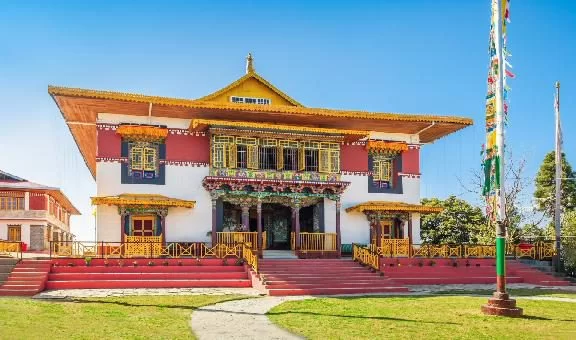
Tashiding Monastery, Gyalshing District, Sikkim, India

Tashiding Monastery , Ravangla
Visitors come to the monastery for its religious significance in Tibetan Buddhism and its association with sacred pilgrimage circuits in Sikkim. It is known for its historic chortens, prayer flags, and its location overlooking surrounding valleys and river confluences.

Quick Facts About Tashiding Monastery

Tashiding Monastery, Ravangla, Sikkim Quick Facts

Entry Fee No entry fee
Timings Generally open daily from 7:00 AM to 5:00 PM; timings may vary during rituals and festival days
Altitude (m) Approximately 1,460 m above sea level
Ideal Visit Duration 1–2 hours
Best Time of Day Morning for clear views and peaceful monastery atmosphere
Crowd Level Low; moderate during Buddhist festivals such as Bumchu
Distance from City Centre (km) Approximately 40–45 km from Ravangla town centre
Walking Difficulty Moderate; involves uphill walking and steps within monastery approach
Parking Available Yes, limited parking available near the monastery access point
Last Mile Access Accessible by road up to base area followed by a short uphill walk
Suitable for Kids Yes, with supervision due to slopes and steps
Suitable for Seniors Partially suitable; uphill terrain may be challenging for some visitors
Wheelchair Friendly No; steep approach paths and steps limit wheelchair access

Why Visit Tashiding Monastery, Ravangla, Sikkim

Visitors come to Tashiding Monastery to experience one of the most respected Buddhist pilgrimage sites in Sikkim, located on a hilltop overlooking the Rathong and Rangeet river valleys. It attracts pilgrims and travelers interested in Tibetan Buddhist practices and Himalayan monastery culture.

The on-ground atmosphere is serene and spiritual, with prayer flags covering the pathways, monks performing rituals, and quiet spaces for meditation. The elevated setting offers wide views of surrounding hills and forests, enhancing the sense of calm throughout the day.

What makes Tashiding Monastery distinct is its strong spiritual significance within Sikkim’s Buddhist tradition combined with its natural hilltop location. The combination of active worship, sacred stupas, and expansive Himalayan scenery creates a focused and immersive experience for visitors.

History of Tashiding Monastery, Ravangla, Sikkim

Tashiding Monastery is one of the most important and sacred monasteries in Sikkim, associated with the Nyingma tradition of Tibetan Buddhism. It is believed to have been established in the 17th century by Ngadak Sempa Chempo, a follower of Guru Padmasambhava.

The monastery holds deep religious significance as it is linked to the sacred geography of Sikkim and the concept of hidden spiritual treasures (terma) in Tibetan Buddhism. It is also closely associated with the annual Bumchu festival, which attracts devotees from across the region.

Today, Tashiding Monastery remains a major pilgrimage site and an active center of worship, preserving centuries-old Buddhist traditions and playing a key role in the spiritual life of Sikkim.

Best Time to Visit Tashiding Monastery, Ravangla, Sikkim

Tashiding Monastery is best visited during clear and stable weather periods when travel through South Sikkim is smoother and the monastery’s hilltop setting offers better views of the surrounding valleys and distant Himalayan ranges.
  • Ideal Months: October to April is the most suitable period for visiting, especially for comfortable travel and clearer visibility in the region.
  • Weather Conditions: These months generally bring cool to cold conditions with relatively dry weather, allowing better access to the monastery and improved chances of clear mountain views.
  • Periods to Avoid: June to September should be avoided due to heavy monsoon rainfall, frequent fog cover, and potential landslides in South Sikkim that can disrupt road access and limit visibility.

How to Reach Tashiding Monastery, Ravangla, Sikkim

  • By Air: The nearest airport is Pakyong Airport, located approximately 80–85 km from Tashiding Monastery. Bagdogra Airport in West Bengal, around 130–140 km away, provides more frequent flight connectivity. Taxis and shared cabs are available, but travel time may increase due to mountainous terrain.
  • By Train: New Jalpaiguri (NJP) Railway Station is the nearest major railhead, situated about 125–130 km away. From NJP or Siliguri, visitors can hire shared jeeps or private taxis via Jorethang and Legship routes to reach Tashiding.
  • By Road: Tashiding Monastery is located in West Sikkim and is accessible via road from Ravangla (around 40–45 km) and Geyzing/Pelling regions. The final stretch involves narrow and steep hill roads with limited public transport, so private taxis are the most reliable option. Landslides, fog, and monsoon rains can occasionally disrupt travel, requiring flexible timing and caution on hill routes.

What to Expect When You Visit Tashiding Monastery, Ravangla, Sikkim

  • Tashiding Monastery is located on a hilltop in West Sikkim near Ravangla, surrounded by dense forests, river valleys, and Himalayan landscapes, offering a remote and elevated spiritual setting.
  • The monastery complex includes traditional Tibetan Buddhist structures, chortens, prayer halls, and sacred stupas, with a strong emphasis on religious heritage and ritual practices.
  • Basic visitor facilities are limited to small resting areas and minimal amenities near the site, while food, accommodation, and transport services are primarily available in nearby towns such as Ravangla or Yuksom.
  • Access requires a road journey through hilly terrain followed by a short uphill walk or steps to reach the monastery complex. The route can feel steep and may be challenging for visitors with limited mobility.
  • Visitors typically come to observe religious rituals, explore the historic monastery architecture, and experience the peaceful hilltop environment. Footfall increases during Buddhist festivals such as Bumchu, when large pilgrim gatherings take place.
  • Weather conditions are often cool, misty, and unpredictable, with reduced visibility common during monsoon and winter seasons, affecting long-distance views of the surrounding valleys.
  • Visitors are expected to follow monastic etiquette, including maintaining silence in prayer areas, dressing modestly, removing footwear where required, and avoiding disruption of ongoing religious ceremonies.

Important Visitor Information for Tashiding Monastery, Ravangla, Sikkim

  • The monastery attracts the highest number of pilgrims during Bumchu festival and other Buddhist religious occasions, while regular weekdays remain relatively quiet and peaceful.
  • Early morning hours are ideal for a calm visit and clear mountain views, while afternoons may bring mist and light rain, especially during monsoon season.
  • The region experiences cool temperatures throughout the year, with heavy rainfall during monsoon months making access roads and stone pathways slippery.
  • Modest and respectful clothing is required inside the monastery complex, and footwear must be removed before entering prayer halls and sacred zones.
  • Visitors should maintain silence during rituals and avoid disturbing monks or ongoing prayer ceremonies inside the monastery premises.
  • Care is advised on steep stairways leading to the monastery, particularly in wet weather when moss-covered stone surfaces can become slippery.

Photography and Viewpoints at Tashiding Monastery, Ravangla, Sikkim

  • The main monastery courtyard offers the most balanced viewpoint, capturing the traditional Sikkimese architecture, prayer flags, and surrounding forested hills in a single wide frame.
  • The hilltop approach path provides elevated angles where the monastery can be photographed with layered Himalayan ridgelines and valley settlements in the background on clear days.
  • Early morning light is ideal for photography, as it softly illuminates the whitewashed structures and enhances visibility of distant mountain contours before mist builds up in the valley.
  • Late afternoon light adds warm tones to the monastery walls and prayer flags, though direct shadows may reduce detail in narrow courtyard sections.
  • Photography is generally allowed in outdoor areas, but restrictions may apply inside prayer halls and during ceremonies; visitors should follow monk instructions and avoid flash in sacred spaces.
  • Crowd levels remain low on most weekdays, but festival periods such as Bumchu and important Buddhist rituals can significantly increase visitor activity around the main courtyard.
  • Access involves a moderate uphill walk through forested paths, and viewpoints along the approach route offer intermittent framing opportunities of the monastery against the hillside terrain.

Near By Attraction

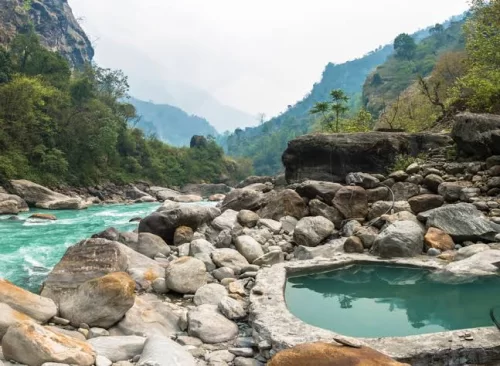
Ralong Hot Springs Hot Spring

Ralong Hot Springs

Ralong Hot Springs are natural sulfur springs located near Ravangla in South Sikkim.
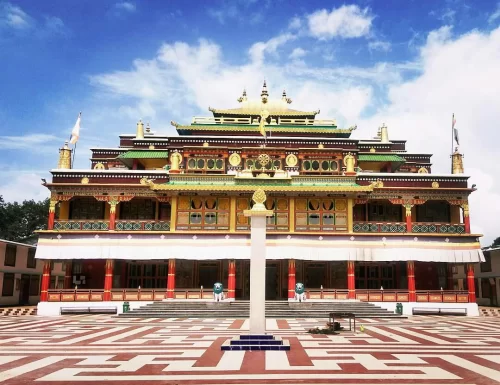
Ralang New Monastery Monastery

Ralang New Monastery

Ralang New Monastery is a Tibetan Buddhist monastery located near Ravangla in South Sikkim.
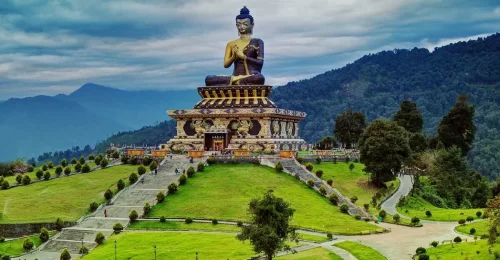
Buddha Park Garden

Buddha Park

Buddha Park, also known as Tathagata Tsal, is a Buddhist monument park in Ravangla featuring a large statue of Lord Buddha.

Frequently Asked Questions About Tashiding Monastery

Tashiding Monastery is located in West Sikkim near Ravangla on a hilltop overlooking the Rathong and Rangeet river valleys.
There is no entry fee for visiting Tashiding Monastery and visitors may offer voluntary donations.
The monastery is generally open daily from 7 AM to 5 PM although timings may vary during festivals and rituals.
October to April is the ideal period with clear weather comfortable temperatures and better road conditions.
Travel by road from Ravangla Geyzing or nearby towns using a private taxi followed by a short uphill walk.
Most travelers spend one to two hours exploring the monastery and enjoying the viewpoints.
It is partially suitable because the approach includes uphill walking and steps.
Yes children can visit with supervision especially on steep paths and stairways.
Photography is generally allowed outdoors but restrictions may apply inside prayer halls and during ceremonies.
Limited parking is available near the monastery access point.
Visitors should wear modest clothing maintain silence and remove footwear where required inside prayer areas.
Heavy monsoon months from June to September are less suitable because rain fog and landslides may affect road access.

Loved this place ? Let’s Plan Your Sikkim Trip

Get customized Sikkim tour planning based on season, altitude comfort, travel permits, and realistic road travel time. Whether you are visiting for scenic landscapes, monastery circuits, mountain views, or peaceful hill stays, our experts design practical

⚑ Quick Response | πŸ’° Free consultation | πŸ•’ 24Γ—7 expert support

×

Plan Your Trip