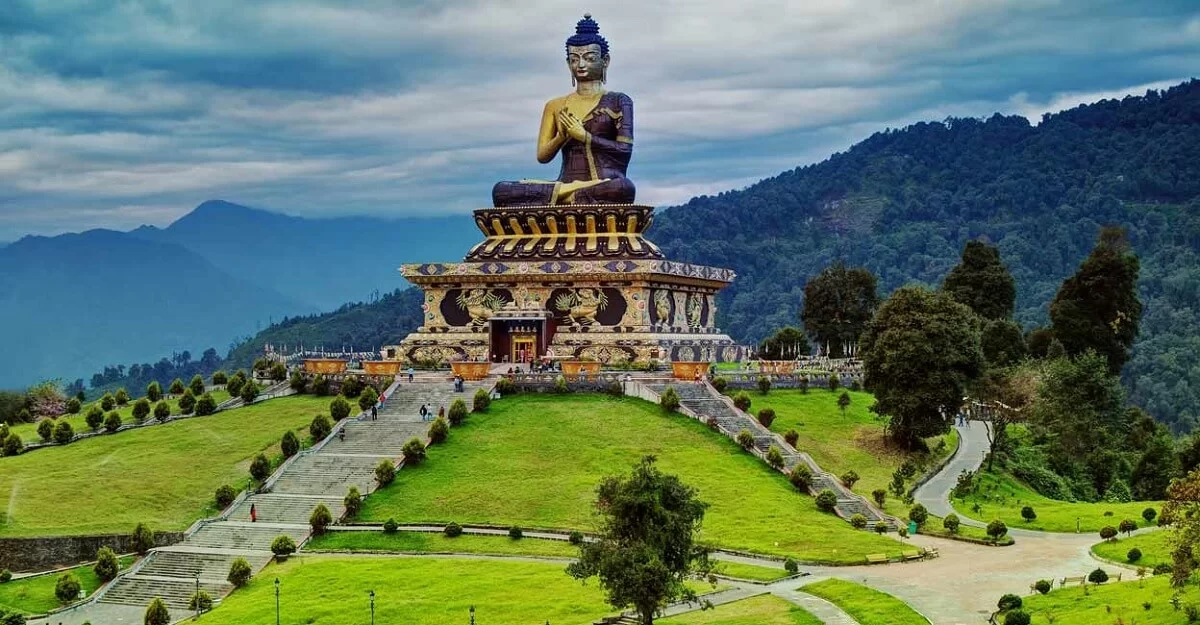
Buddha Park (Tathagata Tsal), Ravangla, South Sikkim, Sikkim, India

Buddha Park , Ravangla
Visitors come to the park to see the 130-foot Buddha statue and explore the landscaped gardens set against views of the Himalayan range. It is an important cultural and religious site in South Sikkim and is often included in travel routes between Pelling, Namchi, and Ravangla.

Quick Facts About Buddha Park

Buddha Park, Ravangla, Sikkim Quick Facts

Entry Fee Nominal entry fee applicable (varies for Indian and foreign visitors); camera charges may apply separately
Timings Generally open daily from 8:00 AM to 5:00 PM; timings may vary during festivals and maintenance days
Altitude (m) Approximately 2,000 m above sea level
Ideal Visit Duration 1–2 hours
Best Time of Day Morning for clear views of the Himalayas and peaceful ambience
Crowd Level Moderate; higher during weekends and Buddhist festivals
Distance from City Centre (km) Approximately 1 km from Ravangla town centre
Walking Difficulty Easy to moderate; involves walking within the park complex and gentle slopes
Parking Available Yes, parking available near the entrance gate
Last Mile Access Accessible by road followed by a short walk inside the park premises
Suitable for Kids Yes
Suitable for Seniors Yes
Wheelchair Friendly Partially accessible; main pathways are usable, but some areas have slopes and steps

Why Visit Buddha Park, Ravangla, Sikkim

Visitors come to Buddha Park in Ravangla to see the large seated Buddha statue set against the backdrop of the Himalayas. The site is part of a peaceful monastery complex and is a key stop for travelers exploring South Sikkim’s spiritual and scenic attractions.

The on-ground atmosphere is calm and open, with landscaped gardens, prayer flags, and wide walkways that allow slow exploration. The surrounding hills and changing mountain weather add to a quiet, reflective environment throughout the day.

What makes Buddha Park distinct is the combination of a monumental Buddha statue with uninterrupted views of the surrounding valleys and snow-clad peaks on clear days. Its spacious layout and elevated location offer a balanced experience of spirituality and Himalayan landscape without heavy crowding.

History of Buddha Park, Ravangla, Sikkim

Buddha Park in Ravangla, also known as Tathagata Tsal, was developed as a major Buddhist pilgrimage and cultural site in South Sikkim. The park was inaugurated in 2013 to commemorate the 2550th birth anniversary of Gautama Buddha.

The central attraction of the park is a large statue of Lord Buddha, built under the guidance of the Government of Sikkim in collaboration with religious authorities. The site reflects the region’s strong connection with Tibetan Buddhism and its role in Sikkim’s cultural identity.

Today, Buddha Park serves as both a place of worship and a peaceful meditation space, attracting pilgrims and visitors interested in Buddhist teachings, architecture, and the spiritual landscape of Ravangla.

Best Time to Visit Buddha Park Ravangla, Sikkim

Buddha Park (Tathagata Tsal) in Ravangla is best experienced during months when the skies are clear enough to reveal Himalayan views and the landscaped park can be comfortably explored on foot, especially around the central Buddha statue and surrounding viewpoints.
  • Ideal Months: October to April is the most suitable period for visiting, with clear mountain visibility and stable conditions for sightseeing in South Sikkim.
  • Weather Conditions: This season typically offers crisp air, cool to cold temperatures depending on elevation and month, and improved chances of seeing the snow-clad Kanchenjunga range from viewpoints around Ravangla.
  • Periods to Avoid: June to September should be avoided due to heavy monsoon rainfall, frequent fog cover, and potential landslides in South Sikkim that can affect road travel and limit visibility of mountain views.

How to Reach Buddha Park (Tathagata Tsal), Ravangla, Sikkim

  • By Air: The nearest airport is Pakyong Airport, located approximately 70–75 km from Ravangla. Bagdogra Airport in West Bengal, around 120–125 km away, offers better flight connectivity to major Indian cities. Taxis are available from both airports, though mountain travel time can be longer due to winding roads.
  • By Train: New Jalpaiguri (NJP) Railway Station, about 115–120 km from Ravangla, is the nearest major railhead. From NJP or Siliguri, shared jeeps and private taxis are available for onward travel to Ravangla via Namchi or Ravangla route.
  • By Road: Buddha Park is located in Ravangla town in South Sikkim and is well connected by road via Namchi–Ravangla Highway. It is approximately 1–2 km from Ravangla town center and can be reached easily by local taxi or on foot. Roads are steep and winding, and travel time may increase during monsoon due to fog, rainfall, or occasional landslides in hilly terrain.

What to Expect When You Visit Buddha Park, Ravangla, Sikkim

  • Buddha Park (Tathagata Tsal) in Ravangla is set on a ridge in South Sikkim, surrounded by forested hills and distant Himalayan views, with a calm, landscaped park environment centered around a large Buddha statue.
  • The site features paved walking paths, manicured gardens, prayer wheels, and seating areas. The atmosphere is generally quiet and reflective, with occasional increases in visitors during weekends and tourist seasons.
  • Basic visitor facilities include parking, ticket counters, restrooms, small snack stalls, and resting areas. More extensive dining and accommodation options are located in Ravangla town, a short drive away.
  • Access is by road from Ravangla, followed by short walking distances within the park. The terrain is mostly gentle but includes some slopes and steps leading to viewpoints and statue platforms.
  • Visitors typically spend time walking through the gardens, viewing the 130-foot Buddha statue, visiting the meditation hall, and taking photographs from designated viewpoints overlooking the valley.
  • Weather conditions can be cool and misty throughout the year, and mountain visibility may vary depending on cloud cover, especially during monsoon and winter mornings.
  • Visitors are expected to maintain decorum, avoid loud behavior, respect meditation areas, and follow signage regarding photography restrictions inside prayer and shrine spaces.

Important Visitor Information for Buddha Park, Ravangla, Sikkim

  • The park experiences higher visitor numbers during weekends, public holidays, and peak tourist seasons in spring (March–May) and autumn (October–November), while weekdays are relatively quieter.
  • Early morning and late afternoon hours offer the best experience for clear Himalayan views and comfortable walking conditions, while midday can feel brighter and more crowded.
  • Ravangla’s weather remains cool throughout the year, with frequent mist and sudden cloud cover; winter months can be cold, requiring warm clothing.
  • Modest clothing is recommended, especially when visiting the Buddha statue complex and meditation zones where respectful conduct is expected.
  • Visitors should be cautious on stepped pathways and elevated viewing areas, particularly during rain or mist when surfaces may become slippery.
  • Follow designated walking routes within the park and avoid restricted or landscaped zones to preserve the site and ensure safety.

Photography and Viewpoints at Buddha Park, Ravangla, Sikkim

  • The central viewing lawn directly in front of the 130-foot Buddha statue offers the most balanced composition, capturing the statue, monastery backdrop, and surrounding Himalayan ridges in a single frame.
  • Side angles from the elevated perimeter walkway provide strong perspective shots of the Buddha statue against the backdrop of Mt. Kanchenjunga range on clear-weather days.
  • Early morning (sunrise hours) delivers the clearest mountain visibility and soft golden light on the statue’s gold-toned surface, while late afternoon adds warm contrast to the surrounding hills.
  • Photography is permitted in outdoor areas of the park, but visitors should avoid flash and respect restrictions inside the adjacent meditation hall and museum sections where indicated.
  • Crowd levels are relatively moderate on weekdays, but peak tourism months (March–May and October–December) and weekends can lead to waiting time at the main viewing terrace.
  • Cloud cover and mist are common during monsoon and early mornings, often limiting long-distance Himalayan visibility and affecting panoramic shots of the range.
  • Access to viewpoints is straightforward via paved pathways, though the upper terrace near the statue base provides the highest and most sought-after photographic angle within the complex.

Near By Attraction

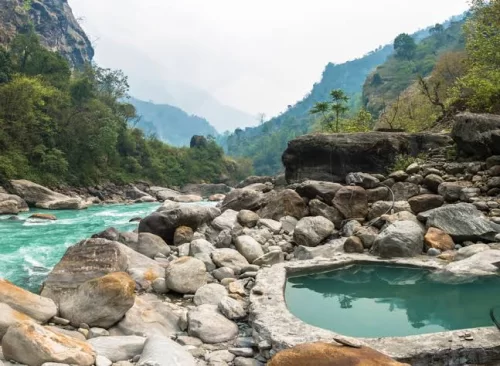
Ralong Hot Springs Hot Spring

Ralong Hot Springs

Ralong Hot Springs are natural sulfur springs located near Ravangla in South Sikkim.
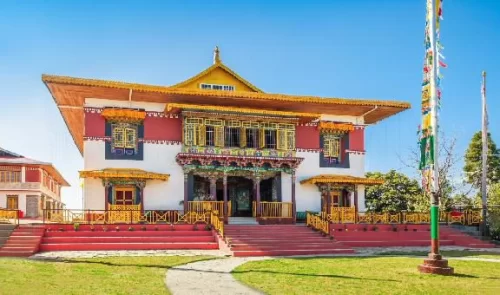
Tashiding Monastery Monastery

Tashiding Monastery

Tashiding Monastery is a Buddhist monastery located on a hilltop between the Rathong and Rangit rivers in West Sikkim.
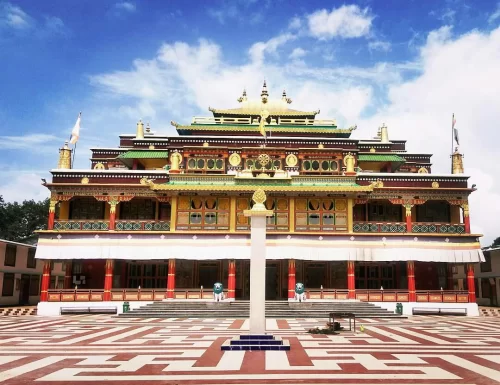
Ralang New Monastery Monastery

Ralang New Monastery

Ralang New Monastery is a Tibetan Buddhist monastery located near Ravangla in South Sikkim.

Frequently Asked Questions About Buddha Park

Buddha Park also known as Tathagata Tsal is located in Ravangla in South Sikkim about 1 kilometer from Ravangla town centre.
A nominal entry fee is charged for visitors and camera charges may apply separately.
The park is generally open daily from 8 AM to 5 PM though timings may vary during festivals and maintenance.
Most visitors spend 1 to 2 hours exploring the statue gardens and viewpoints.
October to April is the ideal period for clear Himalayan views and pleasant sightseeing weather.
Travel by road to Ravangla from NJP Bagdogra or Pakyong then take a local taxi or walk from town.
Yes the park is suitable though some areas include gentle slopes and steps.
Yes families with children can comfortably explore the park.
Photography is allowed in outdoor areas but restrictions may apply inside meditation and prayer spaces.
Yes parking is available near the entrance gate.
Wear modest clothing and maintain respectful behavior while visiting the religious complex.
June to September may bring heavy rain fog and landslides that can affect travel and mountain views.

Loved this place ? Let’s Plan Your Sikkim Trip

Get customized Sikkim tour planning based on season, altitude comfort, travel permits, and realistic road travel time. Whether you are visiting for scenic landscapes, monastery circuits, mountain views, or peaceful hill stays, our experts design practical

⚑ Quick Response | πŸ’° Free consultation | πŸ•’ 24Γ—7 expert support

×

Plan Your Trip