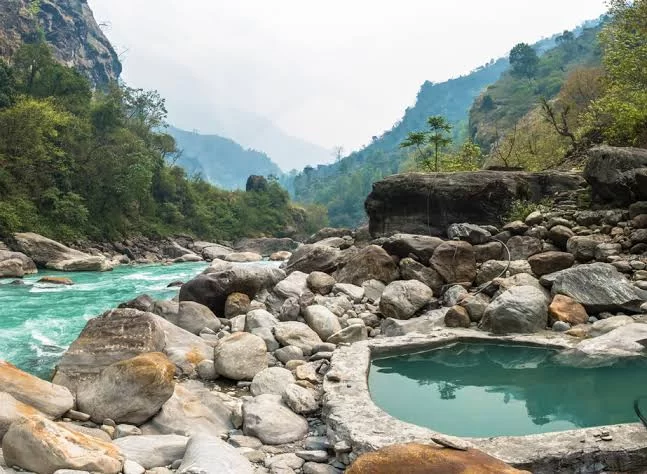
Ralong Hot Springs, Ravangla, South Sikkim, Sikkim, India

Ralong Hot Springs , Ravangla
Visitors come to the site for the natural hot water springs, which are traditionally used by locals and pilgrims. The location is accessed via a trek from Ralang Monastery area and is situated near the river valley, making it a seasonal stop for travelers exploring the Ravangla region.

Quick Facts About Ralong Hot Springs

Ravangla Hot Spring, Ravangla, Sikkim Quick Facts

Entry Fee No entry fee
Timings Open throughout the day; daylight hours are recommended for safe access
Altitude (m) Approximately 1,800–2,000 m above sea level (varies by exact spring point)
Ideal Visit Duration 30 minutes to 1 hour
Best Time of Day Morning or early afternoon for easier access and better visibility
Crowd Level Low; occasional visitors and locals
Distance from City Centre (km) Approximately 7–8 km from Ravangla town centre
Walking Difficulty Moderate; involves a short trek and uneven terrain
Parking Available Limited parking available near the approach road
Last Mile Access Accessible by road up to a point followed by a short walk down natural terrain
Suitable for Kids Yes, with supervision due to uneven paths
Suitable for Seniors Partially suitable; uneven and slightly steep paths may be challenging
Wheelchair Friendly No; natural terrain and lack of paved access limit wheelchair entry

Why Visit Ravangla Hot Spring, Ravangla, Sikkim

Visitors come to Ravangla Hot Spring to experience a natural geothermal bath set within the Himalayan landscape of South Sikkim. It is often visited by travelers exploring nearby monasteries and trekking routes around Ravangla.

The on-ground atmosphere is simple and natural, with warm mineral water pools surrounded by forested slopes and river sounds in the background. The setting remains quiet, especially during non-peak hours, making it suitable for short restorative breaks.

What makes Ravangla Hot Spring distinct is its combination of accessible natural hot water pools and untouched mountain surroundings. The contrast between warm springs and the cool Himalayan air offers a unique experience for travelers exploring this part of Sikkim.

History of Ravangla Hot Spring, Ravangla, Sikkim

Ravangla Hot Spring is a natural geothermal spring located in South Sikkim, near the Ravangla region. The site has been known locally for its naturally heated mineral-rich waters, formed through geothermal activity in the Himalayan region.

The hot spring has traditionally been visited by local communities, who regard the waters as having natural therapeutic properties. It is part of Sikkim’s broader network of natural hot springs that are culturally valued across the state.

Today, Ravangla Hot Spring is visited by travelers and locals seeking a natural retreat, contributing to the region’s identity as a destination known for its natural wellness spots and Himalayan landscape.

Best Time to Visit Ravangla Hot Spring, Ravangla, Sikkim

Ravangla Hot Spring is best visited during the drier months when access routes in South Sikkim remain stable and the surrounding river valley conditions allow for a more comfortable and uninterrupted natural soak experience.
  • Ideal Months: October to April is the most suitable period for visiting, offering better road access and a more relaxed outdoor experience around the hot spring area.
  • Weather Conditions: This season generally brings cool to cold temperatures with relatively dry conditions, making the warm waters more enjoyable against the crisp mountain air.
  • Periods to Avoid: June to September should be avoided due to heavy monsoon rainfall, slippery terrain, and possible road disruptions caused by landslides in South Sikkim, which can affect accessibility and safety.

How to Reach Ravangla Hot Spring, Ravangla, Sikkim

  • By Air: The nearest airport is Pakyong Airport, approximately 70–75 km from Ravangla Hot Spring. Bagdogra Airport in West Bengal, around 120–130 km away, offers more frequent flight connectivity. Taxis and shared vehicles are available from both airports, though travel time may vary due to hilly terrain and road conditions.
  • By Train: New Jalpaiguri (NJP) Railway Station is the nearest major railhead, located about 115–120 km away. From NJP or Siliguri, visitors can hire private taxis or shared jeeps via Namchi or Ravangla for onward travel to the hot spring area.
  • By Road: Ravangla Hot Spring is located near Ravangla town in South Sikkim and is accessible by road via Namchi–Ravangla routes. The final approach involves short stretches of narrow hill roads, best covered by local taxi. Public transport is limited in this section, and travel may be affected during monsoon due to fog, landslides, and slippery mountain roads.

What to Expect When You Visit Ravangla Hot Spring, Ravangla, Sikkim

  • Ravangla Hot Spring is located in a forested and river valley setting in South Sikkim, requiring a downhill trek from the nearest road point through natural terrain and dense greenery.
  • The hot spring area is simple and natural, with a small bathing pool or stream-fed sections rather than developed spa-style infrastructure, reflecting its rural and pilgrimage-oriented character.
  • Facilities are very limited, with no major commercial services at the site. Visitors should carry essentials such as water and snacks, while accommodation and restaurants are available in Ravangla town.
  • Access involves a steep walk down forest trails that can become slippery during monsoon or after rainfall, making sturdy footwear necessary and return ascent physically demanding.
  • Visitors typically come for bathing in the warm waters, short relaxation stops, and experiencing the natural geothermal setting rather than extended sightseeing or structured activities.
  • The area remains quiet most of the year, with occasional local visitors and pilgrims. Crowd levels are generally low due to the effort required to reach the site.
  • Visitors should expect basic wilderness conditions, limited safety infrastructure, and no formal supervision, so caution is required near wet rocks and flowing water.

Important Visitor Information for Ravangla Hot Spring, Ravangla, Sikkim

  • The hot spring attracts more visitors during weekends and winter months, when travelers seek warm water bathing, while weekdays remain relatively quiet and less crowded.
  • Early morning and late afternoon hours offer a calmer experience, whereas midday visits can coincide with higher local and tourist footfall.
  • Ravangla’s climate stays cool throughout the year, and monsoon season may bring rain that makes access paths around the spring damp and slippery.
  • No specific dress code applies, but modest and comfortable clothing is recommended, along with quick-dry wear suitable for bathing in natural hot water pools.
  • Visitors should exercise caution around wet stone surfaces near bathing areas, as mineral deposits and moisture can make footing slippery.
  • Follow designated bathing zones and avoid overcrowded sections to ensure safety and maintain the natural flow of the hot spring area.

Photography and Viewpoints at Ravangla Hot Springs, Ravangla, Sikkim

  • The main spring enclosure and surrounding stone-lined pools offer the most direct composition, capturing steaming water channels, forest edges, and the secluded valley setting in one frame.
  • Angles from the upper approach steps provide a layered perspective of the hot spring area, with the forest canopy and Teesta valley slopes forming a natural backdrop.
  • Early morning visits provide the best photographic conditions, as cooler temperatures increase visible steam rising from the pools and reduce visitor activity around the site.
  • Late afternoon light filters through surrounding vegetation, creating contrasting shadows across the steam and water surfaces, though dense foliage can limit direct sunlight.
  • Photography is generally permitted in outdoor pool areas, but visitors are expected to maintain discretion near bathing zones and avoid intrusive photography of individuals without consent.
  • Crowd levels are typically low on weekdays, but local tourist movement increases during weekends and peak season months, which can limit clear access to primary viewing points.
  • Access involves a short descent through forested steps, and wet, uneven surfaces around the springs restrict movement to designated safe viewing platforms for photography.

Near By Attraction

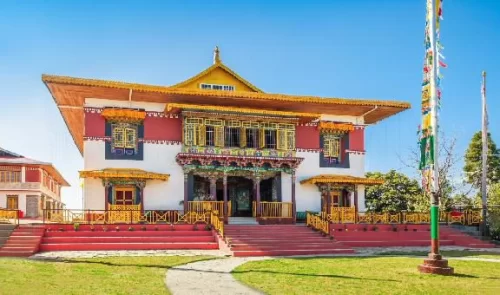
Tashiding Monastery Monastery

Tashiding Monastery

Tashiding Monastery is a Buddhist monastery located on a hilltop between the Rathong and Rangit rivers in West Sikkim.
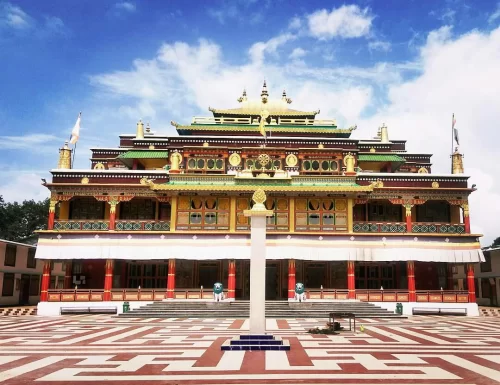
Ralang New Monastery Monastery

Ralang New Monastery

Ralang New Monastery is a Tibetan Buddhist monastery located near Ravangla in South Sikkim.
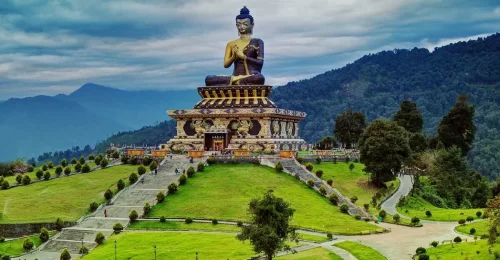
Buddha Park Garden

Buddha Park

Buddha Park, also known as Tathagata Tsal, is a Buddhist monument park in Ravangla featuring a large statue of Lord Buddha.

Frequently Asked Questions About Ralong Hot Springs

Ralong Hot Springs are located near Ravangla in South Sikkim and are reached through a short trek from the Ralang Monastery area.
There is no entry fee for visiting Ralong Hot Springs making it a budget friendly natural attraction.
October to April is the ideal time because roads are more reliable and weather is dry and comfortable.
Travel to Ravangla then continue by road to the approach point followed by a short downhill walk to the springs.
Most visitors spend 30 minutes to one hour enjoying the natural hot spring surroundings.
Yes children can visit with supervision because the trail and wet surfaces can be uneven.
They are partially suitable because the downhill and uphill trek may be challenging for some seniors.
Limited parking is available near the approach road before the walking trail begins.
Photography is generally allowed while respecting the privacy of people using the bathing area.
Wear sturdy shoes carry drinking water and quick drying clothes especially if planning to use the hot spring.
Avoid the monsoon season from June to September because trails become slippery and landslides may affect access.
The natural geothermal water peaceful forest setting and Himalayan surroundings make the hot springs a unique experience.

Loved this place ? Let’s Plan Your Sikkim Trip

Get customized Sikkim tour planning based on season, altitude comfort, travel permits, and realistic road travel time. Whether you are visiting for scenic landscapes, monastery circuits, mountain views, or peaceful hill stays, our experts design practical

⚑ Quick Response | πŸ’° Free consultation | πŸ•’ 24Γ—7 expert support

×

Plan Your Trip