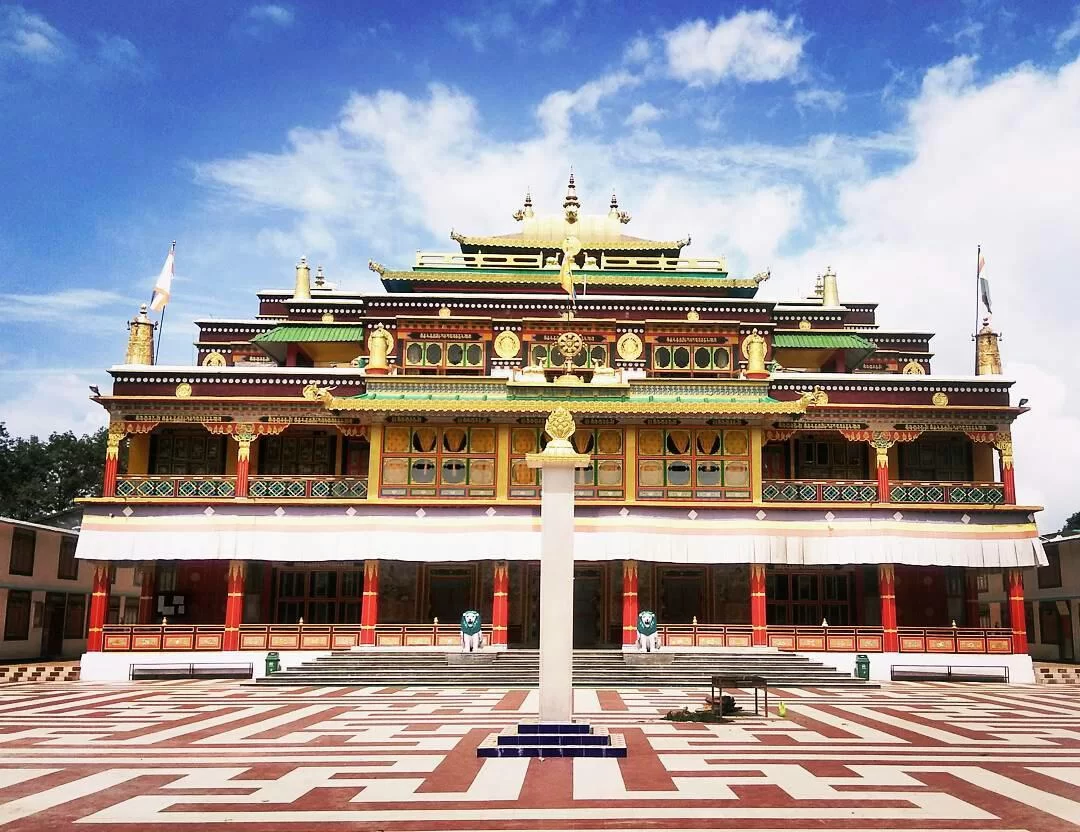
Ralang New Monastery, Ravangla, South Sikkim, Sikkim, India

Ralang New Monastery , Ravangla
Visitors come to the monastery to observe Tibetan Buddhist rituals, prayer ceremonies, and traditional architecture. It is an active monastic center and is often visited by travelers exploring religious sites in the Ravangla region along with nearby attractions such as Buddha Park.

Quick Facts About Ralang New Monastery

Ralang New Monastery, Ravangla, Sikkim Quick Facts

Entry Fee No entry fee
Timings Generally open daily from 7:00 AM to 5:00 PM; timings may vary during prayer sessions and festivals
Altitude (m) Approximately 2,100 m above sea level
Ideal Visit Duration 30 minutes to 1 hour
Best Time of Day Morning for prayer chants and clearer Himalayan views
Crowd Level Low to moderate; higher during Buddhist festivals and monastery events
Distance from City Centre (km) Approximately 6 km from Ravangla town centre
Walking Difficulty Easy to moderate; gentle slopes within the monastery complex
Parking Available Yes, parking available near the monastery entrance
Last Mile Access Accessible by road followed by a short walk inside the monastery premises
Suitable for Kids Yes
Suitable for Seniors Yes
Wheelchair Friendly Partially accessible; main courtyard is accessible but some areas have steps

Why Visit Ralang New Monastery, Ravangla, Sikkim

Visitors come to Ralang New Monastery to experience one of South Sikkim’s important Tibetan Buddhist monasteries, known for its active religious practices and association with monastic learning. It is frequently visited by travelers exploring the Ravangla region alongside nearby spiritual and nature sites.

The on-ground atmosphere is peaceful and structured, with monks engaged in daily rituals, prayer chants echoing through the halls, and prayer flags moving with the mountain breeze. The monastery complex is spacious, allowing visitors to observe activities without disturbance.

What makes Ralang New Monastery distinct is its combination of traditional Tibetan Buddhist architecture and an active monastic community set within a quiet Himalayan valley. Its calm surroundings and authentic religious environment make it a meaningful stop for travelers seeking cultural depth in Sikkim.

History of Ralang New Monastery, Ravangla, Sikkim

Ralang New Monastery is a prominent Tibetan Buddhist monastery located near Ravangla in South Sikkim. It was established in 1995 under the guidance of the 12th Gyaltsab Rinpoche as part of the expansion of the Kagyu school of Tibetan Buddhism in the region.

The monastery is known for its association with the Kagyu lineage and serves as an important center for monastic training, prayer, and religious study. It houses traditional Buddhist murals, scriptures, and sacred relics that reflect the spiritual heritage of Tibetan Buddhism in Sikkim.

Today, Ralang New Monastery remains an active religious institution and an important pilgrimage site for devotees, contributing to the cultural and spiritual landscape of Ravangla and surrounding areas.

Best Time to Visit Ralang New Monastery, Ravangla, Sikkim

Ralang New Monastery in Ravangla is best visited during clear-weather months when the surrounding South Sikkim valleys and distant Himalayan views can be appreciated, and local monastery activities are more comfortably accessible for visitors.
  • Ideal Months: October to April is the most suitable period for visiting, offering better visibility and stable travel conditions in South Sikkim.
  • Weather Conditions: These months typically bring cool to cold temperatures, crisp air, and clearer skies that enhance views of the surrounding hills and occasional glimpses of the Kanchenjunga range.
  • Periods to Avoid: June to September should be avoided due to heavy monsoon rainfall, frequent fog, and possible road disruptions from landslides, which can reduce accessibility and visibility.

How to Reach Ralang New Monastery, Ravangla, Sikkim

  • By Air: The nearest airport is Pakyong Airport, located approximately 70–75 km from Ravangla. Bagdogra Airport in West Bengal, around 120–130 km away, offers better flight connectivity. Taxis and shared vehicles are available from both airports, though travel time may vary due to hilly terrain and road conditions.
  • By Train: New Jalpaiguri (NJP) Railway Station is the nearest major railhead, situated about 115–120 km from Ravangla. From NJP or Siliguri, visitors can hire private taxis or shared jeeps via Namchi or Ravangla routes for onward travel.
  • By Road: Ralang New Monastery is located about 8–9 km from Ravangla town in South Sikkim and is accessible by motorable mountain roads. Local taxis are the primary mode of last-mile transport from Ravangla. The route involves steep and winding hill roads, and travel may be affected during monsoon due to fog, rain, or occasional landslides, so time buffers are recommended.

What to Expect When You Visit Ralang New Monastery, Ravangla, Sikkim

  • Ralang New Monastery is located near Ravangla in South Sikkim, set against forested hills and mountain terrain, offering a quiet monastic environment away from dense urban activity.
  • The monastery complex features traditional Tibetan Buddhist architecture, prayer halls, monks’ quarters, and open courtyards, with a calm atmosphere centered around daily religious practices.
  • Basic visitor facilities such as parking space and limited resting areas are available near the entrance, while food, accommodation, and other services are primarily located in Ravangla town.
  • Access is by road from Ravangla, followed by a short walk into the monastery grounds. Paths are generally manageable but may include steps and uneven sections in certain areas.
  • Visitors typically observe prayer ceremonies, spinning prayer wheels, exploring murals and statues, and spending time in quiet reflection. The monastery is usually peaceful except during major Buddhist festivals.
  • Weather conditions are often cool and misty, and visibility of surrounding hills may vary throughout the day, especially during monsoon and winter seasons.
  • Visitors are expected to maintain silence in prayer areas, dress modestly, avoid disturbing monks during rituals, and follow restrictions on photography inside sacred halls.

Important Visitor Information for Ralang New Monastery, Ravangla, Sikkim

  • The monastery sees increased visitors during Buddhist festival periods such as Chaam dance events and Losar, while weekdays generally remain calm and less crowded.
  • Morning hours offer the most peaceful environment for prayer and photography, with clearer mountain views before afternoon mist and cloud cover set in.
  • Ravangla’s climate stays cool year-round, with monsoon months bringing frequent rain and fog that can reduce visibility and make access roads slippery.
  • Modest clothing is required when entering the monastery premises, and visitors should remove footwear before accessing prayer halls and sacred areas.
  • Maintain silence inside the monastery complex and avoid disturbing monks during rituals, teachings, or prayer sessions.
  • Exercise caution on steps and sloped pathways, especially during wet conditions, as surfaces can become slippery due to rain and moss growth.

Photography and Viewpoints at Ralang New Monastery, Ravangla, Sikkim

  • The main courtyard facing the monastery façade offers the most complete composition, capturing the golden-roofed structure, intricate Tibetan architecture, and surrounding forested hills in a single frame.
  • The elevated terrace near the prayer hall provides wide-angle views of the monastery complex set against the backdrop of the Ravangla valley and distant Himalayan ridges on clear days.
  • Morning light is ideal for photography as it illuminates the golden rooftops evenly and enhances color contrast, while late afternoon adds warm tones to the monastery walls and surrounding landscape.
  • Photography is generally permitted in outdoor areas, but restrictions apply inside prayer halls and during active rituals; visitors are expected to follow monastery guidelines and avoid flash inside sacred spaces.
  • Crowd levels remain relatively low on weekdays, allowing uninterrupted framing, but Buddhist festivals and special prayer ceremonies can significantly increase visitor activity around the main courtyard.
  • Seasonal mist and monsoon clouds may obscure distant mountain views, while post-monsoon months (October to December) offer the clearest visibility for Himalayan photography.
  • Access between viewpoints is easy via paved monastery paths, with the main courtyard and upper terrace serving as the most reliable and accessible photography spots.

Near By Attraction

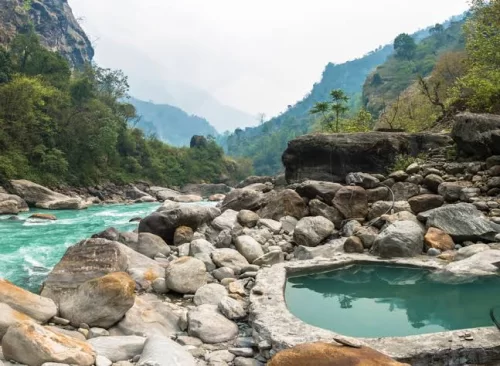
Ralong Hot Springs Hot Spring

Ralong Hot Springs

Ralong Hot Springs are natural sulfur springs located near Ravangla in South Sikkim.
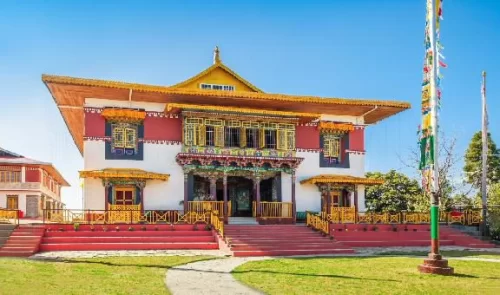
Tashiding Monastery Monastery

Tashiding Monastery

Tashiding Monastery is a Buddhist monastery located on a hilltop between the Rathong and Rangit rivers in West Sikkim.
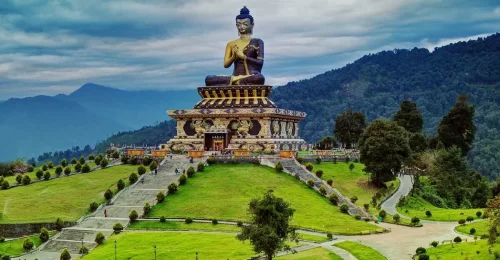
Buddha Park Garden

Buddha Park

Buddha Park, also known as Tathagata Tsal, is a Buddhist monument park in Ravangla featuring a large statue of Lord Buddha.

Frequently Asked Questions About Ralang New Monastery

Ralang New Monastery is located near Ravangla in South Sikkim about 6 to 9 kilometers from Ravangla town.
There is no entry fee for visiting Ralang New Monastery and visitors may make voluntary donations.
The monastery is generally open daily from 7 AM to 5 PM although timings may change during prayers and festivals.
October to April offers pleasant weather clear Himalayan views and easier road access.
Travel by road from Ravangla using local taxis followed by a short walk inside the monastery premises.
Most travelers spend 30 minutes to 1 hour exploring the monastery complex.
Yes it is suitable though some areas include steps and gentle slopes.
Yes children can comfortably visit with normal supervision.
Photography is generally allowed outdoors but may be restricted inside prayer halls and during rituals.
Yes parking is available near the monastery entrance.
Visitors should wear modest clothing maintain silence and remove footwear before entering prayer halls where required.
June to September can be challenging because heavy rain fog and landslides may affect travel conditions.

Loved this place ? Let’s Plan Your Sikkim Trip

Get customized Sikkim tour planning based on season, altitude comfort, travel permits, and realistic road travel time. Whether you are visiting for scenic landscapes, monastery circuits, mountain views, or peaceful hill stays, our experts design practical

⚑ Quick Response | πŸ’° Free consultation | πŸ•’ 24Γ—7 expert support

×

Plan Your Trip