Sikkim Himalayan Zoological Park Gangtok – Explore Rare Himalayan Wildlife

Sikkim Himalayan Zoological Park , Gangtok
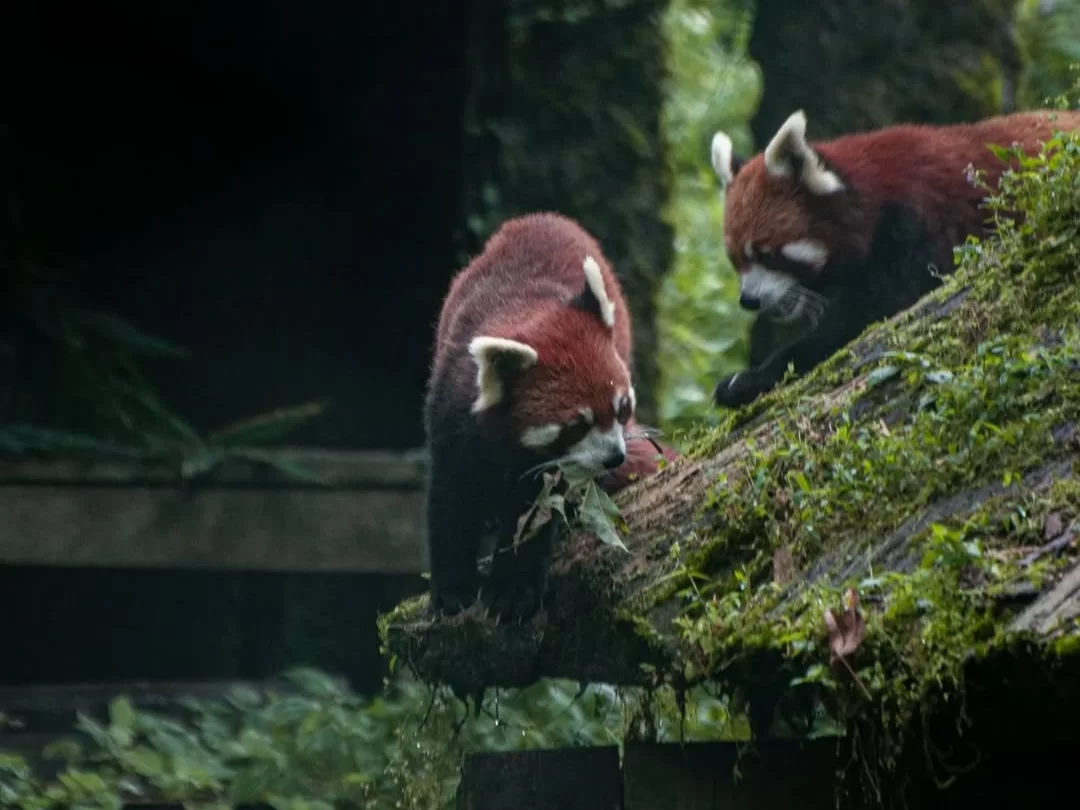
The Sikkim Himalayan Zoological Park, located near Gangtok, is a renowned high-altitude wildlife sanctuary and conservation facility. Established to protect and conserve the unique fauna of the Eastern Himalayas, the park spans lush forested areas and provides naturalistic habitats for endangered species. Visitors can observe rare Himalayan animals such as snow leopards, red pandas, Himalayan black bears, and various birds in an eco-friendly setting. The park also educates visitors about wildlife conservation, biodiversity, and the importance of preserving fragile Himalayan ecosystems. Its scenic location on a hillside offers panoramic views of Gangtok and surrounding mountains, making it both an educational and visually captivating experience.

Quick Facts About Sikkim Himalayan Zoological Park

Entry Fee 60
Timings 09:00 - 16:00
Altitude (m) 1780
Ideal Visit Duration (hrs) 2
Best Time of Day Morning
Crowd Level Moderate
Distance from Gangtok (km) 7
Walking Difficulty Moderate
Parking Available Yes
Last Mile Access Walk
Suitable for Kids Yes
Suitable for Seniors No
Wheelchair Friendly No

Why Visit Sikkim Himalayan Zoological Park

Why Visit: The Sikkim Himalayan Zoological Park is a must-visit for wildlife enthusiasts, families, and nature lovers. It provides a unique opportunity to observe rare Himalayan species, including red pandas, snow leopards, and Himalayan black bears, in a semi-natural, high-altitude habitat.

Atmosphere: The park exudes a serene and natural ambiance, surrounded by lush Himalayan forests and cool mountain air. The gentle sounds of birds and flowing streams create a calm environment ideal for educational tours and peaceful walks.

What Makes it Special: This zoological park is special because it focuses on the conservation of endangered Himalayan fauna while offering visitors a chance to learn about biodiversity and ecology. Its scenic location with panoramic views of Gangtok and the surrounding mountains enhances the overall wildlife experience, making it both informative and visually captivating.

History of Sikkim Himalayan Zoological Park

The Sikkim Himalayan Zoological Park was established in 1974 with the primary aim of conserving the rare and endangered species of the Eastern Himalayas. Situated at a high altitude near Gangtok, the park was designed to provide naturalistic habitats for Himalayan wildlife while promoting awareness and education about biodiversity.

Over the years, the park has played a key role in protecting species like the red panda, snow leopard, Himalayan black bear, and other native fauna. It has also become an important center for environmental education, research, and eco-tourism, attracting visitors interested in wildlife conservation and Himalayan ecosystems.

Best Time to Visit Sikkim Himalayan Zoological Park

The ideal time to visit the Sikkim Himalayan Zoological Park is during months with clear skies and moderate temperatures, ensuring good visibility of the park and active wildlife sightings. Seasonal variations influence both animal activity and visitor comfort.
  • March to June (Spring – Early Summer): One of the best periods to visit; temperatures are pleasant, flowers bloom, and animals are most active.
  • September to November (Autumn): Clear skies and crisp air provide excellent conditions for wildlife observation and photography.
  • December to February (Winter): Cold weather with occasional fog; some animals may be less active, but the park is quieter and less crowded.
  • July to August (Monsoon): Heavy rainfall may restrict outdoor activities and animal visibility; paths can be slippery, so caution is advised.
  • Best Time of Day: Morning hours (09:00 AM – 11:00 AM) are ideal for seeing animals when they are most active and for capturing the best photographs.

How to Reach Sikkim Himalayan Zoological Park

  • By Air: The nearest airport is Pakyong Airport, approximately 35 km from Gangtok. From the airport, visitors can hire taxis or private cabs to reach the zoological park in about 1–1.5 hours.
  • By Train: New Jalpaiguri (NJP) Railway Station is the closest major railhead, around 125 km from Gangtok. From NJP, taxis or shared cabs are available to reach Gangtok, followed by a 7 km drive to the park.
  • By Road: Gangtok is well-connected via NH10 and other regional highways. The park is about 7 km from MG Marg, Gangtok city centre, and can be reached easily by local taxi or private vehicle.
  • Last Mile Access: Parking is available near the entrance, and a short uphill walk leads to the main enclosures, making access manageable for most visitors.

What to Expect When You Visit Sikkim Himalayan Zoological Park

  • Rare Himalayan Wildlife: Visitors can see endangered species like red pandas, snow leopards, Himalayan black bears, and various native birds in naturalistic enclosures.
  • Educational Experience: Informative signboards and guides provide insights into the animals’ habitats, behavior, and conservation efforts, making it a learning experience for all ages.
  • Scenic Surroundings: The park is set in lush Himalayan forests with panoramic views of Gangtok and nearby mountains, offering a serene and visually appealing environment.
  • Moderate Walking: Visitors should expect some uphill walking within the park; pathways are well-maintained but may be steep in certain areas.
  • Photography Opportunities: Plenty of chances for wildlife and landscape photography, especially in the morning when animals are most active and the light is optimal.
  • Family-Friendly Visit: Suitable for families, school groups, and tourists interested in nature, wildlife, and Himalayan biodiversity.

Important Visitor Information for Sikkim Himalayan Zoological Park

  • Crowd & Weather Notes: The park experiences moderate crowds, with peak visitation during weekends, school holidays, and tourist seasons (March–June, September–November). Weather is generally pleasant in spring and autumn, while winters can be cold and monsoon months may bring rain and slippery paths.
  • Peak / Quiet Hours: Early mornings (09:00 AM – 11:00 AM) are the quietest and best time to see active wildlife. Midday tends to be busier with more visitors.
  • Dress Code: Casual, comfortable clothing with layers recommended during colder months. Comfortable walking shoes are advised for the uphill paths inside the park.
  • Safety Notes: The park is safe for visitors. Standard precautions include supervising children, walking carefully on uneven or steep paths, and avoiding feeding or disturbing the animals.

Photography and Viewpoint at Sikkim Himalayan Zoological Park

  • Wildlife Photography: The park offers excellent opportunities to photograph rare Himalayan species such as red pandas, snow leopards, and Himalayan black bears. Early morning is ideal as animals are most active and the lighting is optimal.
  • Scenic Mountain Views: Several vantage points within the park provide panoramic views of Gangtok town and surrounding Himalayan ranges, adding a stunning backdrop to wildlife and landscape photos.
  • Landscape & Nature Shots: Apart from animals, visitors can capture lush Himalayan forests, cascading streams, and well-maintained pathways that enhance composition and depth in photographs.
  • Seasonal Variations: Spring and autumn offer vibrant greenery and clearer skies, while winter mornings create crisp conditions for capturing misty mountain landscapes.
  • Photography Tips: Use zoom lenses for shy or distant animals, respect enclosures, and avoid flash photography to prevent disturbing wildlife. Tripods can be used but should not block pathways.

Near By Attraction

Saramsa Garden Gangtok Sikkim scenic botanical park with lush greenery and Himalayan sunset views Botanical Garden

Saramsa Garden

Saramsa Garden is a lush botanical park in Gangtok, known for its vibrant flowers, serene pathways, and recreational spaces for families and nature lovers.

Safdarjung Tomb New Delhi India, Mughal architecture monument with dome and garden pathway, historical tourist attraction for Delhi tour packages Mountain Pass

Nathu La

Nathu La is a high-altitude mountain pass connecting Sikkim, India, with Tibet, China, offering breathtaking views and historical significance.

Black Cat Museum Tezpur Assam Indian Army exhibition showcasing military history and artifacts Museum

Black Cat Museum

The Black Cat Museum in Gangtok showcases Sikkim’s intelligence and espionage history, offering a unique insight into covert operations and security services.

Frequently Asked Questions About Sikkim Himalayan Zoological Park

Sikkim Himalayan Zoological Park is located about 6 kilometers from Gangtok in Sikkim near the Bulbulay area.
Visitors can reach Sikkim Himalayan Zoological Park by road from Gangtok in Sikkim using taxis or private vehicles.
An entry fee is charged at Sikkim Himalayan Zoological Park for visitors, with separate rates for adults and children.
Sikkim Himalayan Zoological Park is generally open from morning around 9 am until late afternoon around 4 pm, except on certain weekly holidays.
The best time to visit Sikkim Himalayan Zoological Park is between March and June and September to November when the weather in Gangtok, Sikkim is pleasant.
Most travelers spend about 2 to 3 hours at Sikkim Himalayan Zoological Park as the enclosures are spread across a large forested area.
Visitors can see Himalayan species such as red pandas, snow leopards, Himalayan black bears, and various birds at Sikkim Himalayan Zoological Park.
Basic restroom facilities are available inside Sikkim Himalayan Zoological Park, but food stalls may be limited so visitors should carry water.
Parking is available near the entrance of Sikkim Himalayan Zoological Park for vehicles coming from Gangtok.
Sikkim Himalayan Zoological Park is suitable for family visits, though comfortable footwear is recommended due to walking trails inside the park.

Loved this place ? Let’s Plan Your Sikkim Trip

Get customized Sikkim tour planning based on season, altitude comfort, travel permits, and realistic road travel time. Whether you are visiting for scenic landscapes, monastery circuits, mountain views, or peaceful hill stays, our experts design practical

⚡ Quick Response | 💰 Free consultation | 🕒 24×7 expert support

×

Plan Your Trip