Quick Facts About Ganesh Tok
| Entry Fee | Free |
| Timings | 06:00 - 18:00 |
| Altitude (m) | 1650 |
| Ideal Visit Duration (hrs) | 1 |
| Best Time of Day | Morning |
| Crowd Level | Moderate |
| Distance from Gangtok (km) | 11 |
| Walking Difficulty | Moderate |
| Parking Available | Yes |
| Last Mile Access | Walk |
| Suitable for Kids | Yes |
| Suitable for Seniors | No |
| Wheelchair Friendly | No |
Why Visit Ganesh Tok
Ganesh Tok is a must-visit destination for travelers seeking a combination of spiritual significance and stunning panoramic views. The hilltop shrine exudes a serene and peaceful atmosphere, making it an ideal spot for reflection, prayer, and enjoying the natural beauty of Gangtok and the surrounding Himalayan ranges.
What makes Ganesh Tok special is its dual appeal as both a religious site and a scenic viewpoint. Visitors can witness devotees offering prayers to Lord Ganesha while also capturing breathtaking views of snow-capped mountains, valleys, and the city of Gangtok below. The site’s elevated location, peaceful surroundings, and cultural importance create a unique experience for both pilgrims and tourists.
About Ganesh Tok
Ganesh Tok is a small Hindu temple dedicated to Lord Ganesha, the remover of obstacles and patron deity of beginnings. Established to serve as a spiritual site for locals and travelers, the temple has become an important place of worship in Gangtok.
The temple holds religious significance as devotees visit to offer prayers, seek blessings, and perform rituals for prosperity and success. Its location atop a hill also makes it a sacred vantage point where spirituality meets nature, providing a peaceful setting for meditation and reflection amidst panoramic Himalayan views.
Best Time to Visit Ganesh Tok
The best time to visit Ganesh Tok is during the spring and autumn months (March to June and September to November), when the weather in Gangtok is pleasant, skies are clear, and the views of the Himalayas are unobstructed. These months are ideal for sightseeing, photography, and enjoying the serene atmosphere of the hilltop temple.
Winters (December to February) are colder, offering a quieter and more peaceful visit, though mornings can be chilly. Monsoon season (July to August) brings heavy rainfall, which may make the uphill walk to the temple slippery and less comfortable for visitors.
- March to June: Pleasant weather, perfect for sightseeing and photography
- July to August: Monsoon season; rainfall may affect accessibility and comfort
- September to November: Clear skies, ideal for panoramic views and outdoor exploration
- December to February: Cold winters; fewer visitors, offering a peaceful experience
How to Reach Ganesh Tok
- By Air: The nearest airport is Pakyong Airport, approximately 35 km from Gangtok. From the airport, visitors can hire taxis or private cabs to reach Ganesh Tok in about 1.5–2 hours.
- By Train: The closest railway station is New Jalpaiguri (NJP), around 124 km from Gangtok. From NJP, shared taxis, private cabs, or buses can take you to Gangtok city center, followed by a short taxi ride to Ganesh Tok.
- By Road: Gangtok is well-connected to Siliguri, Darjeeling, and other towns in Sikkim and West Bengal. Regular shared taxis, private cabs, and buses operate on these routes. Ganesh Tok is approximately 11 km from MG Marg, accessible via a short uphill drive or walk.
- Last Mile Access: From the parking area, visitors must walk a short uphill path to reach the temple and viewpoint. The path is moderately steep but manageable for most visitors.
What to Expect When You Visit Ganesh Tok
- Spiritual Experience: Visitors can witness devotees offering prayers to Lord Ganesha and performing traditional rituals, creating a serene and sacred atmosphere.
- Scenic Views: Ganesh Tok offers panoramic views of Gangtok city, surrounding valleys, and the snow-capped Himalayan ranges, making it a perfect spot for photography and nature appreciation.
- Tranquil Environment: The hilltop location ensures a peaceful environment, away from the hustle and bustle of the city, ideal for meditation and reflection.
- Cultural Insight: Experience local religious practices and observe the small yet significant rituals that are part of daily worship at the temple.
- Moderate Accessibility: Visitors should expect a short uphill walk from the parking area to the temple and viewpoint, requiring moderate effort.
Important Visitor Information for Ganesh Tok
- Crowd & Weather Notes: The site generally experiences low to moderate crowds, with higher footfall on weekends, public holidays, and during festive occasions. Spring and autumn offer clear skies and pleasant temperatures, while winters are cold and monsoon months (July–August) may bring heavy rain.
- Peak / Quiet Hours: Early morning (06:00 AM – 09:00 AM) and late afternoon (04:00 PM – 06:00 PM) are the quietest times to visit. Peak visiting hours are usually from 10:00 AM to 03:00 PM.
- Dress Code: Modest and respectful attire is recommended as it is a religious site. Comfortable shoes are advised for walking uphill to the temple and viewpoint.
- Safety Notes: The temple and viewpoint are generally safe for visitors. Standard precautions include supervising children, securing personal belongings, and taking care on the slightly steep and uneven paths. Photography is allowed outside but may be restricted during prayers.
Photography and Viewpoint at Ganesh Tok
- Panoramic Himalayan Views: Ganesh Tok offers sweeping views of the snow-capped Himalayan ranges, surrounding valleys, and Gangtok city below, making it an excellent spot for landscape photography.
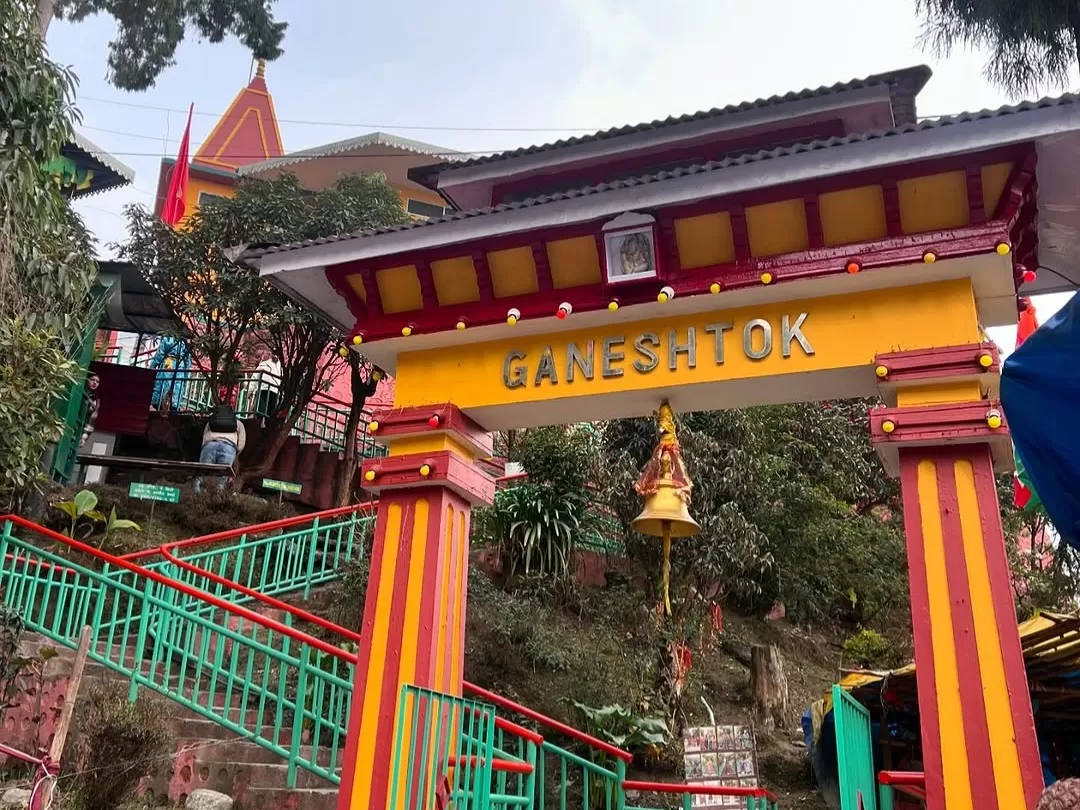
- Temple Architecture: The small but vibrant shrine dedicated to Lord Ganesha, with colorful decorations and prayer flags, provides a striking subject for cultural and religious photography.
- Best Time for Photography: Early morning (06:00 AM – 09:00 AM) or late afternoon (04:00 PM – 06:00 PM) offers soft lighting, minimal crowds, and clear skies, ideal for capturing both the temple and the scenic surroundings.
- Festive and Ritual Moments: During festivals and special prayer occasions, the vibrant ceremonies, decorated altar, and devotees’ activities offer unique cultural photography opportunities.
- Viewpoints: The temple’s hilltop location provides several vantage points for panoramic shots, wide-angle cityscapes, and close-ups of religious elements, blending scenic beauty with spiritual ambiance.