+91 9910402252
admin@chalbanjare.com


| Entry Fee | Free |
| Timings | 06:00 - 18:00 |
| Altitude (m) | 1650 |
| Ideal Visit Duration (hrs) | 1 |
| Best Time of Day | Morning |
| Crowd Level | Moderate |
| Distance from Gangtok (km) | 4 |
| Walking Difficulty | Easy |
| Parking Available | Yes |
| Last Mile Access | Walk |
| Suitable for Kids | Yes |
| Suitable for Seniors | Yes |
| Wheelchair Friendly | No |
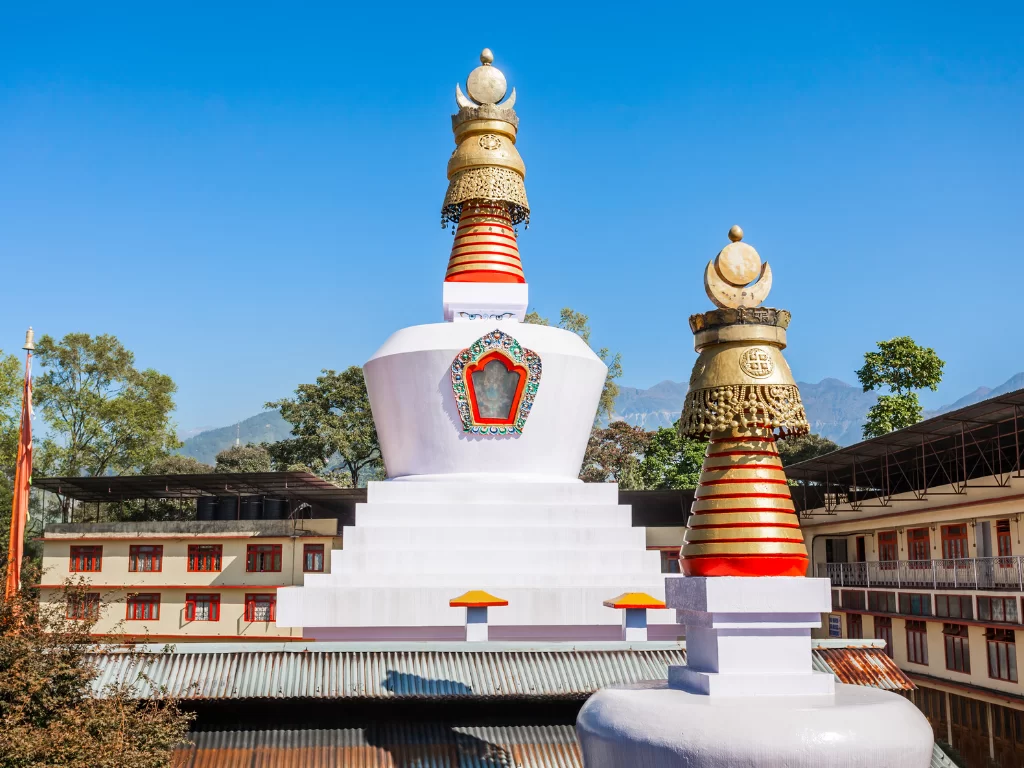
Do Drul Chorten Stupa is a must-visit for travelers seeking spiritual serenity and insight into Sikkimese Buddhist traditions. The stupa offers a tranquil atmosphere, surrounded by prayer halls, sacred statues, and monks performing daily rituals, creating a meditative environment for visitors.
What makes it special is its cultural and religious significance as one of the largest stupas in Sikkim, housing sacred relics and prayer wheels. Visitors can witness traditional Buddhist ceremonies, explore intricate artwork, and enjoy the peaceful courtyard, making it an enriching experience for those interested in spirituality, culture, and Himalayan heritage.
Do Drul Chorten Stupa was built in 1945 under the guidance of the 12th Chogyal of Sikkim, dedicated to Lama Druptab Karpo, a revered Buddhist saint. It is one of the largest and most important stupas in Gangtok, serving as a center for Buddhist worship and spiritual practice.
The stupa houses numerous sacred Buddhist relics, including statues of Guru Rinpoche, holy scriptures, and prayer wheels that devotees spin while circumambulating the stupa. It plays a vital role in the religious life of Sikkim, hosting festivals such as Guru Rinpoche’s birthday, attracting both locals and visitors who come to witness traditional rituals, prayers, and vibrant ceremonies.
The ideal time to visit Do Drul Chorten Stupa is during the spring and autumn months (March to June and September to November), when Gangtok enjoys pleasant weather, clear skies, and comfortable temperatures. These months provide the perfect conditions to explore the stupa, participate in rituals, and enjoy the surrounding Himalayan scenery.
Winters (December to February) are colder but offer a quieter and serene experience with fewer tourists. Monsoon season (July to August) brings heavy rainfall, which may make walking around the stupa and nearby areas slightly challenging, so visitors should plan accordingly.
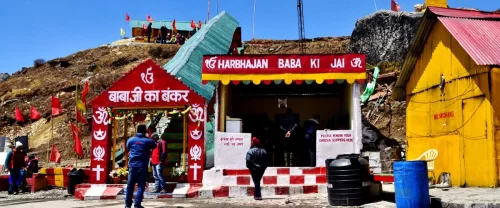 Temple
Baba Harbhajan Singh Temple is a memorial shrine located on the Gangtok–Nathula road in East Sikkim.
 Lake
Lake
Tsomgo Lake is a high-altitude glacial lake located on the road between Gangtok and Nathula in East Sikkim.
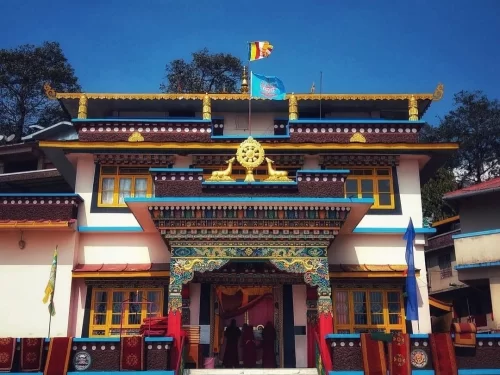 Monastery
Gonjang Monastery is a Tibetan Buddhist monastery located on the outskirts of Gangtok in Sikkim.
Get customized Sikkim tour planning based on season, altitude comfort, travel permits, and realistic road travel time. Whether you are visiting for scenic landscapes, monastery circuits, mountain views, or peaceful hill stays, our experts design practical
⚡ Quick Response | 💰 Free consultation | 🕒 24×7 expert support

