Quick Facts About Ban Jhakri Falls Park
| Entry Fee | 20 |
| Timings | 09:00 - 17:00 |
| Altitude (m) | 1500 |
| Ideal Visit Duration (hrs) | 2 |
| Best Time of Day | Morning |
| Crowd Level | Moderate |
| Distance from Gangtok (km) | 10 |
| Walking Difficulty | Moderate |
| Parking Available | Yes |
| Last Mile Access | Walk |
| Suitable for Kids | Yes |
| Suitable for Seniors | Yes |
| Wheelchair Friendly | No |
Why Visit Ban Jhakri Falls Park
Why Visit: Ban Jhakri Falls Park is a must-visit for nature lovers, families, and cultural enthusiasts. The park combines the scenic beauty of a cascading waterfall with landscaped gardens and local folklore installations, making it a unique destination near Gangtok.
Atmosphere: The park exudes a serene and refreshing ambiance, surrounded by lush Himalayan forests, chirping birds, and the sound of flowing water. Walking trails and seating areas allow visitors to enjoy a peaceful, rejuvenating experience amidst nature.
What Makes it Special: What sets Ban Jhakri Falls Park apart is its integration of natural beauty with cultural storytelling. Sculptures and displays depict the Ban Jhakri spirits and local legends, providing insight into Sikkimese folklore while offering ample photo opportunities. Its easily accessible location and well-maintained paths make it suitable for visitors of all ages.
About Ban Jhakri Falls Park
Ban Jhakri Falls Park is named after the Ban Jhakri, a legendary shaman figure in Sikkimese folklore believed to inhabit the forests of the region. The park was developed to celebrate this cultural legend while preserving the natural beauty of the waterfall and surrounding Himalayan forest.
While primarily a natural attraction, the park integrates cultural storytelling through statues, sculptures, and informational displays about the Ban Jhakri spirits, offering visitors an educational glimpse into local myths and traditions. The combination of nature and folklore makes it both an entertaining and informative destination.
Best Time to Visit Ban Jhakri Falls Park
The best time to visit Ban Jhakri Falls Park is when the weather is pleasant, allowing visitors to fully enjoy the waterfall, gardens, and surrounding forest trails. Seasonal conditions influence both accessibility and the scenic beauty of the park.
- March to June (Spring – Early Summer): Ideal for visiting, with mild temperatures, blooming flowers, and clear skies that enhance the beauty of the waterfall and park grounds.
- September to November (Autumn): Clear weather and crisp air provide excellent conditions for walking, photography, and exploring the park without heavy rainfall.
- July to August (Monsoon): The waterfall is at its most dramatic, but trails can be slippery and caution is advised. Good for short visits if prepared for wet conditions.
- December to February (Winter): Cooler temperatures make for a quieter visit, although mornings can be chilly. The park is less crowded, offering a peaceful experience.
- Best Time of Day: Early morning (08:00 AM – 10:00 AM) for tranquility, photography, and avoiding crowds.
How to Reach Ban Jhakri Falls Park
- By Air: The nearest airport is Pakyong Airport, approximately 35 km from Gangtok. From the airport, taxis or private cabs can take visitors to the park in about 1–1.5 hours.
- By Train: New Jalpaiguri (NJP) Railway Station is the closest major railhead, around 125 km from Gangtok. From NJP, taxis or shared cabs can bring visitors to Gangtok, followed by a short 10 km drive to Ban Jhakri Falls Park.
- By Road: Gangtok is well-connected via NH10 and local roads. Ban Jhakri Falls Park is approximately 10 km from MG Marg, Gangtok, and can be easily accessed by taxi, private vehicle, or local cabs.
- Last Mile Access: A short walk from the parking area leads into the park, with paved pathways and gentle steps making it accessible for most visitors, including families and seniors.
What to Expect When You Visit Ban Jhakri Falls Park
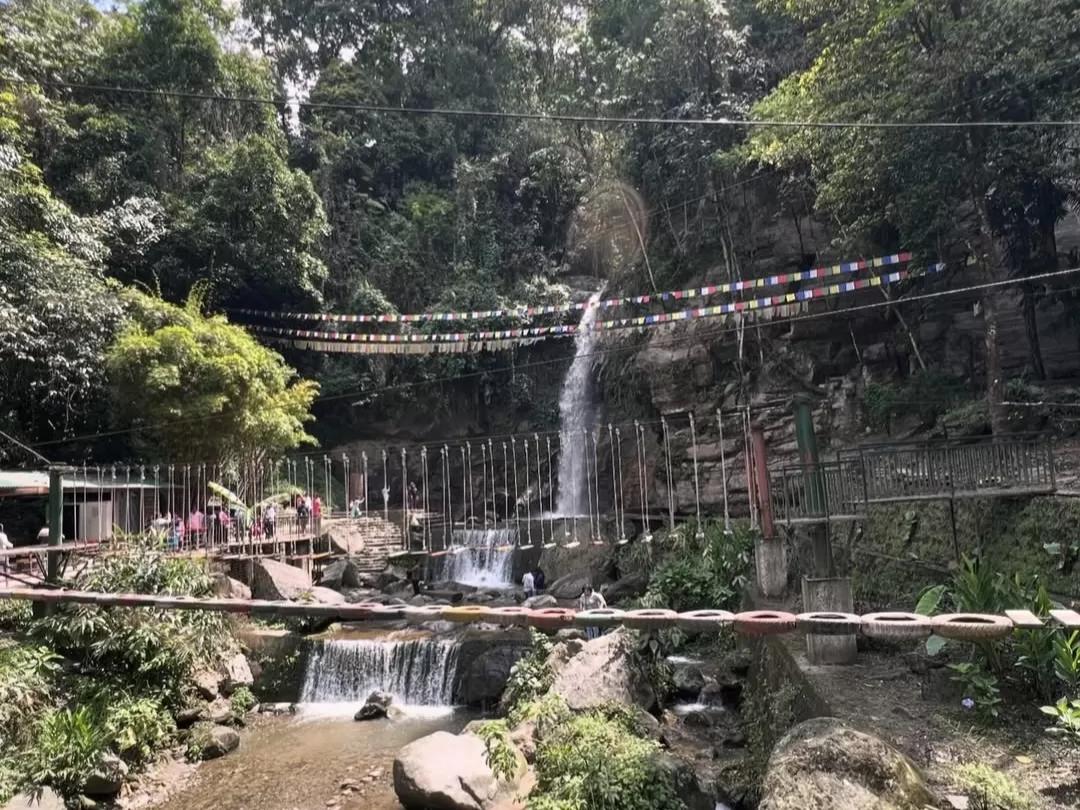
- Stunning Waterfall Views: Visitors can enjoy the cascading waters of Ban Jhakri Falls surrounded by lush Himalayan forests and landscaped gardens.
- Cultural Experience: The park features statues and displays depicting the Ban Jhakri spirits and Sikkimese folklore, providing a unique cultural insight alongside the natural beauty.
- Leisure Walks & Trails: Paved pathways and gentle steps make exploring the park easy, allowing visitors to stroll through gardens, viewpoints, and picnic areas.
- Family-Friendly Environment: The park is suitable for families, children, and seniors, offering safe and accessible trails and open spaces for relaxation.
- Photography Opportunities: Both the waterfall and surrounding greenery provide excellent settings for photography, from landscape shots to cultural installations.
- Relaxation & Nature: The soothing sound of flowing water, cool mountain air, and serene surroundings create a peaceful and rejuvenating experience.
Important Visitor Information for Ban Jhakri Falls Park
- Crowd & Weather Notes: The park usually experiences moderate crowds, especially on weekends and public holidays. Spring and autumn offer pleasant weather, while monsoon months (July–August) can make pathways slippery. Winter mornings are chilly but less crowded.
- Peak / Quiet Hours: Early mornings (08:00 AM – 10:00 AM) are the quietest and most peaceful for visiting. Midday tends to see more tourists and families arriving for short trips or picnics.
- Dress Code: Casual, comfortable clothing is recommended. Sturdy walking shoes are advisable for navigating steps and paved pathways. Layered clothing is ideal for cooler months.
- Safety Notes: Visitors should exercise caution on wet or uneven paths, supervise children, and avoid venturing too close to the waterfall edge. Carry water, and be mindful of personal belongings. Photography is allowed, but avoid damaging plants or installations.
Photography and Viewpoint at Ban Jhakri Falls Park
- Waterfall Photography: The main waterfall is the highlight, offering perfect opportunities for long-exposure shots and capturing cascading water against the forest backdrop.
- Scenic Views: Elevated viewpoints and garden areas provide panoramic views of the surrounding Himalayan forests and landscaped park sections, ideal for wide-angle shots.
- Cultural Installations: Statues and sculptures depicting Ban Jhakri folklore add unique elements to photos, blending nature and culture.
- Seasonal Photography: Spring and autumn showcase lush greenery and vibrant flowers, while monsoon months intensify the waterfall’s flow. Early morning light enhances the colors and serenity of the park.
- Photography Tips: Carry a tripod for stability, avoid flash near cultural installations, and stay on pathways to protect natural and landscaped areas. The best lighting is usually in the morning or late afternoon.