9N /
10D
₹27,999 * PP
+91 9910402252
admin@chalbanjare.com


Some journeys are memorable for their views, while others stay with you because of the little moments along the way. A Sikkim Darjeeling Tour Package brings both together. Imagine waking up to the sight of distant Himalayan peaks, spending an afternoon among colourful monasteries, and ending your day with a warm cup of tea in a quiet mountain town.
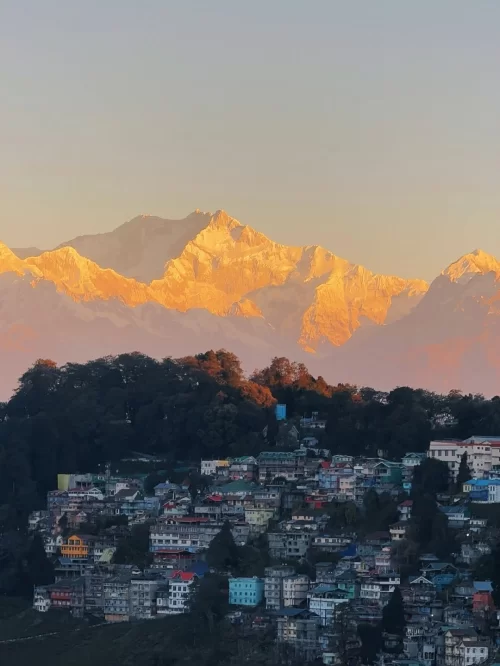
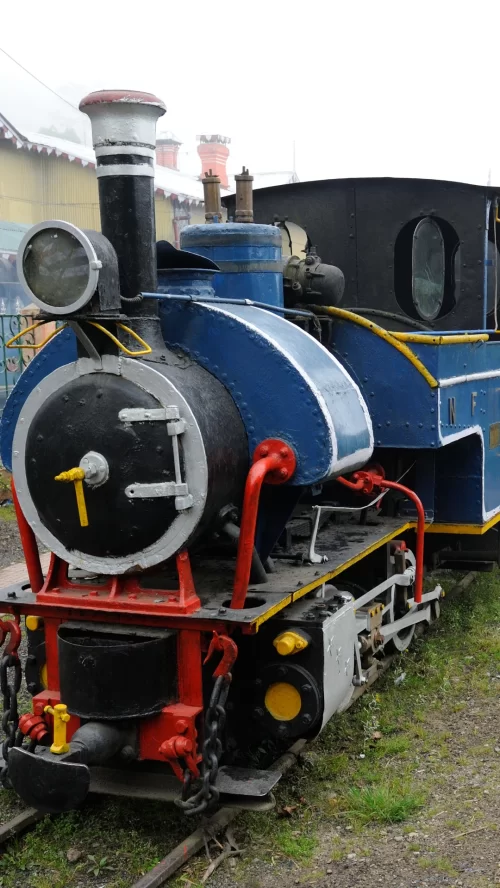
Sikkim and Darjeeling may share the same Himalayan setting, but each has a personality of its own. Sikkim offers peaceful valleys, mountain roads, Buddhist heritage, and beautiful high-altitude landscapes. Darjeeling brings a different kind of charm, with its famous tea gardens, heritage attractions, hillside markets, and views of the Kanchenjunga range. Travelling through both destinations creates a holiday filled with variety without losing that unmistakable mountain feeling.
With Chal Banjare, you can explore travel options covering Gangtok, Darjeeling, Pelling, Kalimpong, and other destinations according to your available days and preferred itinerary. Whether you're planning a family holiday, a honeymoon, or a relaxed getaway with friends, the route can be chosen around the experiences that matter most to you.
Explore our Sikkim tour packages to discover more beautiful destinations, exciting travel experiences, and thoughtfully planned holidays across the Eastern Himalayas.
Planning a holiday to Sikkim and Darjeeling becomes easier when you begin with an itinerary that matches your travel style. Some travellers want a short break covering the main attractions of Gangtok and Darjeeling, while others prefer a longer journey with time for Pelling, Kalimpong, or selected parts of North Sikkim.
Our Sikkim Darjeeling tour package options are designed around different travel durations, destination combinations, and sightseeing preferences. A shorter itinerary can introduce you to the region's most popular experiences, while an extended holiday gives you more time to enjoy scenic routes, peaceful towns, and cultural attractions without constantly changing hotels.
When comparing packages, look beyond the number of destinations mentioned. Consider how much time you'll spend travelling, where your overnight stays are planned, and which sightseeing experiences are actually included. A well-paced itinerary often makes a bigger difference to your holiday than simply adding another stop.
For inspiration, explore our Gangtok, Lachung, Darjeeling and Kalimpong tour itinerary, which brings together several contrasting Himalayan experiences. You can also browse the package cards below to find a journey suited to your plans.
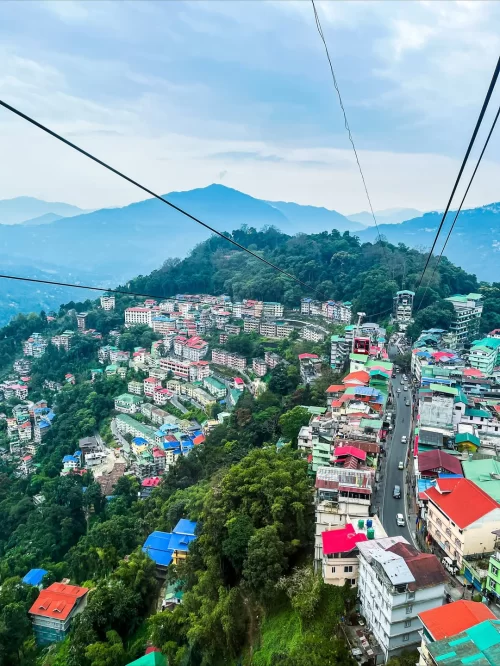
What makes Sikkim and Darjeeling such a rewarding combination is that the experience keeps changing as you travel. One day might begin with the energy of Gangtok's MG Marg, another with a peaceful monastery visit, and another with a slow walk through Darjeeling's tea-covered hillsides. You get a wonderful mix of mountain scenery, local culture, and unhurried moments.
The journey also appeals to travellers with different interests. Nature lovers can enjoy forested valleys and Himalayan viewpoints, couples can find quiet corners for a memorable getaway, and families can explore a variety of attractions without making the entire trip about adventure. Those interested in photography will find plenty of inspiration in the region's changing light, misty slopes, and colourful mountain communities.
Another reason to visit both destinations is the contrast in atmosphere. Sikkim's monasteries and mountain settlements offer a glimpse into its cultural heritage, while Darjeeling reflects its tea-growing history and distinctive hill-station character. Together, they offer a more complete introduction to this part of the Eastern Himalayas.
If you're deciding how to divide your time between the two, our Sikkim vs Darjeeling travel comparison for winter offers useful seasonal context. The right combination depends on whether you're most excited about mountain excursions, cultural experiences, tea gardens, or simply slowing down for a few days.
One of the best things about a Sikkim Darjeeling holiday is the variety of places you can experience along the way. The region moves effortlessly between lively mountain towns, peaceful religious sites, scenic valleys, tea-covered slopes, and viewpoints overlooking the Eastern Himalayas. Each stop adds something different to the journey, making it easy to shape a trip around your own interests.
Choosing where to go is less about covering every attraction and more about creating the right balance. Some travellers prefer cultural sightseeing and comfortable hill-station stays, while others want dramatic mountain landscapes and longer scenic drives. The season, available travel days, road conditions, and permit requirements can all influence which places fit naturally into your itinerary.
For a broader look at the region, explore our Sikkim destination hub and West Bengal destination hub. If you're visiting during the colder months, our guide to places to visit in Sikkim during winter can help you understand how seasonal conditions affect sightseeing.
Browse the places below and choose the experiences that feel right for your holiday. A thoughtfully selected route will give you more time to enjoy the surroundings instead of spending every day rushing between attractions.
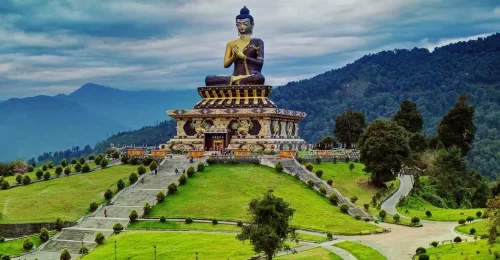 Garden
Buddha Park, also known as Tathagata Tsal, is a Buddhist monument park in Ravangla featuring a large statue of Lord Buddha.
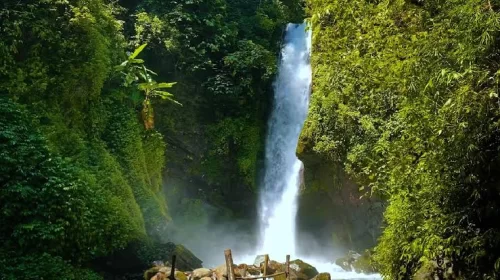 Waterfall
Kanchenjunga Falls is a multi-tiered waterfall located near Yuksom in West Sikkim.
 Shopping Street
MG Marg is the main pedestrian street in Gangtok, known for shopping, local cuisine, and vibrant street life.
 Mountain Pass
Nathu La is a high-altitude mountain pass connecting Sikkim, India, with Tibet, China, offering breathtaking views and historical significance.
 Lake
Tsomgo Lake is a high-altitude glacial lake located on the road between Gangtok and Nathula in East Sikkim.
 Valley
Yumthang Valley is a high-altitude valley located in North Sikkim along the Lachung River.
Choosing the right route is one of the most important parts of planning a Sikkim Darjeeling trip. Although the destinations may appear close together on a map, mountain roads take time to navigate, and every transfer should be planned with enough room for rest, sightseeing, and unexpected delays.
A classic Gangtok and Darjeeling journey is often a good introduction for first-time visitors. It offers a comfortable mix of cultural attractions, hill-station experiences, and scenic viewpoints. Travellers with additional days can consider including Pelling for a quieter mountain atmosphere or Kalimpong for a more relaxed route through the hills.
Longer holidays can explore permitted North Sikkim routes, where the scenery becomes more remote and the journey itself is a major part of the experience. These itineraries require careful planning because access may be affected by permits, road conditions, weather, and local restrictions.
The ideal route is not necessarily the one with the most destinations. It's the one that allows you to experience each place properly. A balanced itinerary can include sightseeing, scenic drives, comfortable overnight stays, and enough free time to enjoy the mountains without feeling rushed.
When choosing between different routes, consider your travel dates, group composition, comfort with long drives, and preferred sightseeing experiences. Families travelling with young children or older members may find a slower route more enjoyable than a tightly packed schedule.
Sikkim and Darjeeling are beautiful throughout the year, but every season changes the experience. The best time to visit depends on whether you're looking for clear mountain views, comfortable sightseeing weather, colourful landscapes, or the possibility of snow at higher elevations.
March to May: Spring is a popular season for a Sikkim Darjeeling holiday. The weather is generally pleasant in many lower and mid-altitude destinations, flowers brighten the hillsides, and sightseeing becomes particularly enjoyable. It's a good choice for families, couples, and first-time visitors.
October to November: Autumn is often preferred by travellers hoping to enjoy clearer Himalayan views. The post-monsoon atmosphere can offer beautiful visibility, making this a rewarding time for scenic drives, viewpoints, and photography.
December to February: Winter brings crisp mornings, cold evenings, and the possibility of snowfall in higher areas. Gangtok and Darjeeling have their own winter charm, but some mountain excursions may be restricted by snow, ice, or road closures. Our Sikkim winter travel guide on the best visiting period provides additional seasonal insight.
June to September: The monsoon covers the region in lush greenery, although frequent rain, mist, landslides, and traffic disruptions can affect travel. Visitors during this period should allow extra flexibility and avoid overly ambitious itineraries.
For most first-time travellers, spring and autumn are practical choices. However, mountain weather can change unexpectedly, so it's always wise to check current conditions before planning high-altitude excursions.
The cost of a Sikkim Darjeeling tour package varies according to the number of days, destinations covered, travel season, accommodation preferences, and transport arrangements. Rather than comparing packages only by their starting prices, it's worth understanding what contributes to the total holiday budget.
Trip duration and route: A shorter journey covering Gangtok and Darjeeling will generally involve fewer hotel nights and transfers than a longer route including Pelling, Kalimpong, or North Sikkim. Additional destinations can also increase travel time and transport requirements.
Accommodation: Hotel category, room type, location, and seasonal demand all influence package costs. Accommodation in central market areas may be convenient for evening walks, while properties in quieter locations may appeal to travellers seeking a peaceful stay.
Transport and group size: Vehicle category, pickup and drop-off points, the number of travellers, and the sightseeing route affect transport expenses. Some restricted areas require specific vehicle arrangements and permits.
Travel season: Popular holiday periods, school vacations, and long weekends can increase demand for hotels and vehicles. Planning early may give you more options, especially during peak spring and autumn travel periods.
Additional sightseeing: Entry tickets, optional activities, special excursions, and services outside the confirmed itinerary can add to the total expense. Always check which arrangements are included before confirming your booking.
A well-planned holiday is about value, not simply the lowest quoted price. Consider the comfort of the route, the quality and location of your stays, and the clarity of the package inclusions when comparing options.
A seven-day Sikkim Darjeeling itinerary can offer a memorable introduction to the region when the route is planned carefully. The following journey is an illustration of how you might divide your time between popular destinations, cultural experiences, and scenic sightseeing.
Day 1 – Arrival and transfer to Gangtok: Arrive at Bagdogra Airport or New Jalpaiguri Railway Station and begin the drive towards Gangtok. After checking into your accommodation, spend the evening resting or exploring the local market area if time allows.
Day 2 – Gangtok sightseeing: Explore selected local attractions, monasteries, viewpoints, and cultural sites according to your itinerary. Enjoy the lively atmosphere of the town and make time for a relaxed evening.
Day 3 – Excursion from Gangtok: Depending on permits, weather, and official access, consider a trip towards Tsomgo Lake and other approved attractions. If high-altitude routes are unavailable, alternative local sightseeing can be planned.
Day 4 – Gangtok to Pelling: Travel through scenic mountain roads towards Pelling. Enjoy the changing landscapes along the way and spend the evening taking in the quieter surroundings.
Day 5 – Pelling to Darjeeling: After selected sightseeing around Pelling, continue towards Darjeeling. Allow sufficient time for the journey, as mountain-road conditions and traffic can affect arrival times.
Day 6 – Darjeeling sightseeing: Discover the town's heritage attractions, viewpoints, tea gardens, and local markets according to your confirmed sightseeing plan. Enjoy the distinctive atmosphere of this historic hill station.
Day 7 – Departure: After breakfast, begin your return journey towards Bagdogra Airport or New Jalpaiguri Railway Station, keeping enough buffer time for your onward travel.
This itinerary is intended to help you understand the flow of a typical holiday. Actual routes, hotel stays, excursions, and travel times will depend on your selected package, weather conditions, and confirmed arrangements.
Knowing what your holiday package includes is just as important as choosing the destinations. At Chal Banjare, the services provided for your Sikkim Darjeeling tour are based on the confirmed itinerary, package proposal, and booking voucher. Reviewing these details before departure helps you understand your travel arrangements and plan for any additional expenses.
Package Inclusions
Package Exclusions and Important Conditions
Some destinations and services listed above apply only to particular itineraries. For example, meals in Lachung or Lachen do not form part of a standard Gangtok and Darjeeling holiday unless those overnight stays are included in your confirmed booking. Always refer to the final booking voucher for the services applicable to your trip.
A little preparation can make a big difference when travelling through the Eastern Himalayas. Mountain roads, changing temperatures, and local travel regulations are part of the experience, so it's worth planning for them before you leave home.
Allow time for road journeys: Travel between Gangtok, Pelling, Kalimpong, and Darjeeling can take longer than expected because of winding roads, traffic, and weather. Avoid scheduling too many attractions on transfer days, especially if you're travelling with children or older family members.
Pack clothing in layers: Conditions can change considerably between lower hill towns and higher elevations. Carry a warm jacket, comfortable footwear, rain protection, and any essential personal items. For colder-season travel, our Sikkim winter packing guide can help you prepare.
Keep your documents accessible: Carry valid identification and any documents required for your route. Restricted areas may have different permit and eligibility rules for Indian and foreign visitors, so confirm the requirements before planning an excursion.
Take high-altitude travel seriously: Destinations at higher elevations may not be suitable for everyone. Allow time to adjust, stay hydrated, and seek medical advice before travelling if you have health concerns that could be affected by altitude.
Carry some cash: Digital payments are convenient in larger towns, but connectivity and payment services may be unreliable in remote locations. Keeping a reasonable amount of cash for personal expenses can be helpful.
Stay flexible: Road closures, snowfall, rain, and official restrictions can occasionally affect mountain sightseeing. A flexible attitude and a realistic itinerary will help you enjoy the journey even when a particular excursion cannot go ahead.
Travellers planning a winter holiday can also read our guide to Sikkim winter road conditions for more information about seasonal travel considerations.
Every traveller has a different idea of the perfect mountain holiday. Some want to wake up early for sunrise views and spend the day exploring, while others would rather enjoy a relaxed breakfast, visit a few favourite attractions, and leave time for an evening walk. A customized Sikkim Darjeeling tour gives you the freedom to build a journey around those preferences.
For couples, the experience might focus on scenic accommodation, peaceful surroundings, and a comfortable travel pace. Families may prefer fewer hotel changes, convenient sightseeing, and enough flexibility for children or older travellers. Groups of friends might want to explore additional destinations or spend more time on scenic mountain routes.
Customization can involve choosing the number of nights, preferred destinations, accommodation category, pickup and drop-off arrangements, and sightseeing priorities. The final itinerary should account for realistic driving times, permit requirements, seasonal conditions, and the availability of local services.
Travellers interested in quieter Himalayan experiences can consider adding Pelling or Kalimpong, while those with more time may explore permitted North Sikkim routes. These additions are best planned carefully rather than simply extending an already busy sightseeing schedule.
The benefit of a personalized holiday is not just flexibility. It's the opportunity to spend more time doing what you enjoy and less time following a schedule that doesn't suit your group. With Chal Banjare, your confirmed proposal establishes the final travel arrangements and services included in the package.
A memorable Sikkim Darjeeling trip begins with a realistic plan. The most common mistake is trying to include too many destinations in too few days. Although the region looks compact on a map, its mountain roads, changing weather, and sightseeing distances mean that each journey deserves enough time.
Start by deciding how many days you can comfortably spend in the region. Then choose the experiences that matter most to you. If you're visiting for the first time, a route covering Gangtok and Darjeeling can provide a rewarding introduction. With additional days, you can consider Pelling, Kalimpong, or other destinations according to your interests.
Think carefully about where you want to spend your nights. Staying longer in fewer places can make the holiday more relaxing, particularly for families and travellers who prefer a slower pace. It also gives you more flexibility if mountain views are hidden by clouds or a sightseeing excursion is delayed.
Next, consider the season and your travel connections. Bagdogra Airport and New Jalpaiguri Railway Station are common entry points for these itineraries. Plan arrival and departure transfers with adequate time, especially when travelling during busy periods or the monsoon.
Finally, review your accommodation preferences, meal arrangements, vehicle details, sightseeing inclusions, and permit requirements before confirming the booking. If you're considering a colder-season journey, our Sikkim winter itinerary guide offers further planning inspiration.
Good planning doesn't mean scheduling every minute. It means creating a route that gives you enough structure to travel comfortably and enough freedom to enjoy the unexpected moments along the way.
There is something special about travelling through Sikkim and Darjeeling. It might be the first clear glimpse of Kanchenjunga, a quiet moment inside a monastery, or the feeling of watching clouds drift across the tea gardens. These are the experiences that make a mountain holiday worth remembering, and a well-planned itinerary gives you more opportunities to enjoy them.
At Chal Banjare, we believe a good holiday begins with understanding the traveller. A couple planning a honeymoon, a family travelling with children, and a group of friends exploring the mountains may all want very different experiences, even when visiting the same destinations.
Thoughtful route planning: Our approach focuses on practical travel schedules that consider mountain-road distances, sightseeing opportunities, and the time needed to enjoy each destination.
Travel options for different interests: Whether you're looking for a classic Gangtok and Darjeeling journey, a holiday with Pelling and Kalimpong, or a longer mountain itinerary, you can explore options based on your travel duration and preferences.
Clear travel arrangements: Your confirmed package proposal and booking voucher outline the accommodation, meals, transportation, sightseeing, and other services included in your holiday, helping you understand what to expect before departure.
Flexibility in planning: We understand that travel preferences differ. A thoughtfully selected route can balance popular attractions with quieter experiences while respecting seasonal accessibility and practical travel conditions.
For more inspiration, explore the Sikkim destination hub and discover the different experiences this part of the Himalayas has to offer. With the right itinerary, your Sikkim Darjeeling holiday can be as much about enjoying the journey as reaching each destination.
Get customized Sikkim tour planning based on season, altitude comfort, travel permits, and realistic road travel time. Whether you are visiting for scenic landscapes, monastery circuits, mountain views, or peaceful hill stays, our experts design practical
⚡ Quick Response | 💰 Free consultation | 🕒 24×7 expert support