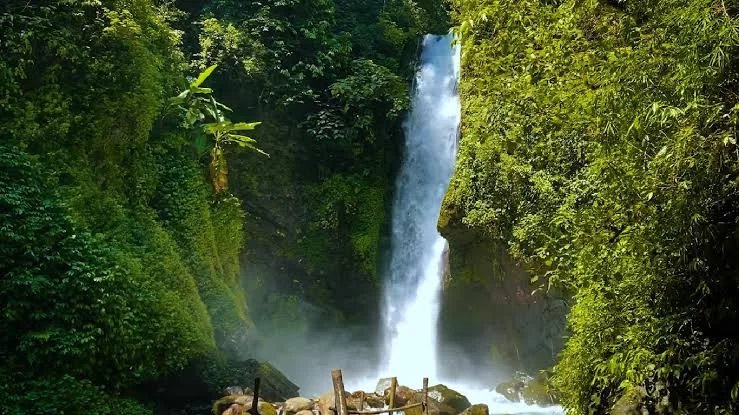
Kanchenjunga Falls, West Sikkim, Sikkim, India

Kanchenjunga Fall , Pelling
Visitors come to the waterfall to observe its cascading water flow and surrounding forested mountain landscape. It is a roadside stop on the route between Pelling and Yuksom and is commonly included in sightseeing itineraries in West Sikkim.

Quick Facts About Kanchenjunga Fall

Kanchenjunga Falls, Sikkim Quick Facts

Entry Fee No entry fee
Timings Open throughout the day; daylight hours are recommended for safe viewing
Altitude (m) Approximately 2,100 m above sea level
Ideal Visit Duration 30 minutes to 1 hour
Best Time of Day Morning for clear views and stronger water flow visibility
Crowd Level Moderate; higher during peak tourist season (March–June and September–December)
Distance from City Centre (km) Approximately 35 km from Pelling town centre
Walking Difficulty Easy to moderate; includes steps and uneven rocky areas near viewing points
Parking Available Yes, roadside parking available near the entrance area
Last Mile Access Accessible by road followed by a short walk and steps to viewing platforms
Suitable for Kids Yes, with supervision near slippery zones
Suitable for Seniors Partially suitable; steps and uneven terrain may require assistance
Wheelchair Friendly No; rocky terrain and steps limit accessibility

Why Visit Kanchenjunga Falls, Sikkim

Visitors come to Kanchenjunga Falls to witness one of Sikkim’s powerful multi-tiered waterfalls, formed by glacial melt from the higher Himalayas. It is a common stop on the route between Pelling and Yuksom, attracting travelers interested in natural landscapes and short scenic breaks.

The on-ground atmosphere is lively near the viewing point, with the constant roar of water, mist rising from the falls, and visitors gathering at designated viewpoints. The surrounding forested slopes and steep terrain create a raw and energetic mountain environment.

What makes Kanchenjunga Falls distinct is its origin from high-altitude glacial streams linked to the Kanchenjunga range, giving it strong seasonal flow. Its accessibility by road combined with a dramatic vertical drop makes it one of the most striking waterfalls in West Sikkim for travelers.

History of Kanchenjunga Falls, Sikkim

Kanchenjunga Falls is a natural waterfall located near Pelling in West Sikkim. It originates from glaciers and snow-fed streams of the Kanchenjunga mountain range, which is the third-highest peak in the world and a significant geographical landmark of the eastern Himalayas.

The waterfall has no documented historical or religious origin, but it is closely associated with the natural landscape shaped by the Kanchenjunga massif and the region’s glacial river systems.

Today, Kanchenjunga Falls is a popular natural attraction in Sikkim, visited by travelers for its scenic environment and its connection to the broader Himalayan ecosystem.

Best Time to Visit Kanchenjunga Falls, Sikkim

Kanchenjunga Falls is best visited when weather conditions in West Sikkim are stable enough to ensure safe travel and clear visibility of the waterfall’s strong cascade, especially since its flow varies noticeably across seasons.
  • Ideal Months: March to June and September to November are the most suitable periods for visiting, offering safer road conditions and a more balanced waterfall flow.
  • Weather Conditions: These months generally bring pleasant hill weather with moderate temperatures, improved visibility, and comfortable conditions for viewing and photography around the falls.
  • Periods to Avoid: July to August should be avoided due to heavy monsoon rainfall, which can make roads slippery, increase travel risks in West Sikkim, and cause the waterfall to become overly forceful and difficult to view safely.

How to Reach Kanchenjunga Falls, Sikkim

  • By Air: The nearest airport is Pakyong Airport, located approximately 95–105 km from Kanchenjunga Falls. Bagdogra Airport in West Bengal, around 125–135 km away, offers better flight connectivity to major Indian cities. Taxis are available from both airports, but travel time may be longer due to steep and winding hill roads.
  • By Train: New Jalpaiguri (NJP) Railway Station is the nearest major railhead, situated about 120–130 km away. From NJP or Siliguri, visitors can hire private taxis or shared jeeps via Jorethang and Yuksom routes to reach the falls.
  • By Road: Kanchenjunga Falls is located about 28–30 km from Pelling in West Sikkim and is accessible via Pelling–Yuksom road. The final stretch is motorable, with a short walk from the parking area to the waterfall viewpoint. The route passes through hilly terrain with sharp bends, and travel may be affected during monsoon due to heavy rainfall, fog, or occasional landslides.

What to Expect When You Visit Kanchenjunga Falls, West Sikkim

  • Kanchenjunga Falls is a natural waterfall located along the Yuksom–Pelling road in West Sikkim, surrounded by dense forested slopes, rocky cliffs, and fast-changing Himalayan weather conditions.
  • The environment is rugged and natural, with powerful water flow cascading down steep rock faces, especially strong during and after the monsoon season when water volume increases significantly.
  • Basic visitor facilities are limited to roadside parking areas and small local vendors selling snacks and refreshments. There are no developed tourist complexes or extensive amenities at the site.
  • Access is straightforward by road, followed by a short walk from the parking area to the viewpoint. Steps and pathways near the waterfall can be uneven, wet, and slippery due to spray and natural moisture.
  • Visitors typically stop for short durations to view the waterfall, take photographs, and enjoy the surrounding landscape before continuing toward nearby destinations like Pelling or Yuksom.
  • Crowd levels are generally moderate but can increase during peak tourist seasons and holidays, leading to brief waiting times for viewing and limited space near the main viewpoints.
  • Visitors should expect misty conditions near the waterfall base, reduced visibility during heavy rain, and the need for caution while walking on wet rocks and edges close to the water flow.

Important Visitor Information for Kanchenjunga Falls, Sikkim

  • The waterfall attracts high visitor traffic during peak tourist seasons (March–May and October–November), while weekdays and early mornings remain relatively quieter for viewing.
  • Monsoon months (June–September) significantly increase water volume, creating a powerful cascade but also reducing visibility and making the surroundings misty and wet.
  • Early morning visits offer clearer views and fewer crowds, while late morning to afternoon hours see steady tourist arrivals from nearby Pelling and West Sikkim circuits.
  • No specific dress code is required, but sturdy footwear is essential due to wet rocks, uneven steps, and slippery viewing platforms near the falls.
  • Visitors should avoid stepping beyond designated viewing areas, as strong water spray, moss-covered rocks, and steep edges increase slip risk.
  • Be cautious while descending steps toward the lower viewpoints, especially during or after rainfall when surfaces become extremely slippery.

Photography and Viewpoints at Kanchenjunga Falls, West Sikkim

  • The main viewing platform directly opposite the cascade provides the most complete framing, capturing the full height of Kanchenjunga Falls, rocky cliffs, and surrounding forested slopes in a single shot.
  • Lower side viewpoints along the short stairway trail offer closer angles of the water crashing into the pool below, ideal for capturing motion and scale from a reduced distance.
  • Early morning light offers softer contrast and clearer visibility of the upper waterfall tiers, while mid-morning often provides the best balance of illumination and spray visibility.
  • During monsoon and post-monsoon months, the waterfall flow is strongest, creating dramatic scenes but also heavy mist that may affect lens clarity and visibility from close viewpoints.
  • Photography is permitted in designated viewing areas, but visitors are discouraged from crossing safety railings or entering slippery rocks near the base of the falls.
  • Crowd levels increase significantly during peak tourist seasons (March–June and September–December), leading to limited time at the main viewing deck.
  • Access to viewpoints involves short but steep steps, and wet surfaces near the spray zone require staying within marked observation areas for safe and stable photography.

Near By Attraction

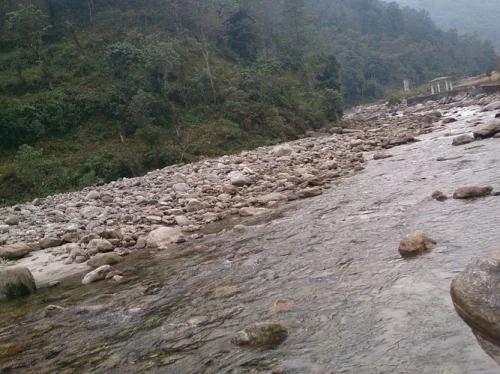
Sewaro Rock Garden Sikkim riverside park with rocky riverbed and scenic forest surroundings Tourist Attraction

Sewaro Rock Garden

Sewaro Rock Garden is a beautiful natural garden in Sikkim featuring unique rock formations, flowing streams, and lush greenery, perfect for nature lovers and photography enthusiasts.
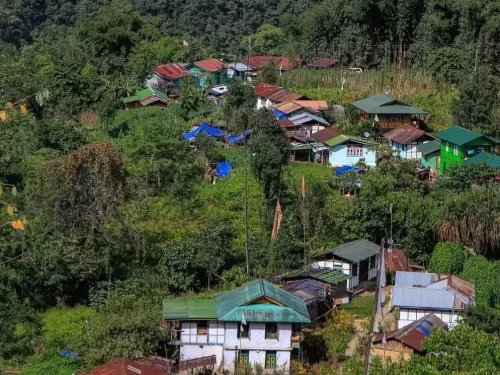
Darap Village Sikkim traditional Himalayan village with scenic hillside homes and lush green surroundings Tourist Attraction

Darap Village

Darap is a picturesque eco-village in West Sikkim known for its lush greenery, traditional culture, and tranquil Himalayan ambiance.
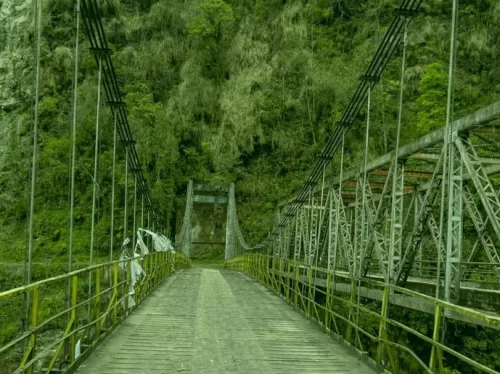
Singhshore Bridge West Sikkim scenic suspension bridge over lush Himalayan valley and river gorge Bridge

Singhshore Bridge

Singhshore Bridge is a picturesque suspension bridge in Sikkim offering panoramic views of the surrounding mountains and rivers.

Frequently Asked Questions About Kanchenjunga Fall

Kanchenjunga Falls is located near Pelling on the road towards Yuksom in West Sikkim and is a popular roadside waterfall attraction.
No entry fee is charged for visiting Kanchenjunga Falls according to the provided travel information.
March to June and September to November provide pleasant weather and safer road conditions for visiting the waterfall.
Travel from Pelling by road toward Yuksom then walk a short distance from the parking area to the viewpoint.
Most visitors spend about 30 minutes to one hour enjoying the waterfall and viewpoints.
Yes children can visit with supervision because rocks and pathways may become slippery.
It is partially suitable because steps and uneven terrain may require assistance.
Wear sturdy footwear and carry rain protection during wet weather because the viewing area can be slippery.
Yes photography is allowed from designated viewpoints while staying behind safety barriers.
Heavy monsoon months from July to August are less suitable due to slippery roads and stronger water flow.
Visitors can enjoy a powerful multi tier waterfall surrounded by forested hills rocky cliffs and mountain scenery.
Yes roadside parking is available near the entrance followed by a short walk to the viewpoint.

Loved this place ? Let’s Plan Your Sikkim Trip

Get customized Sikkim tour planning based on season, altitude comfort, travel permits, and realistic road travel time. Whether you are visiting for scenic landscapes, monastery circuits, mountain views, or peaceful hill stays, our experts design practical

⚑ Quick Response | πŸ’° Free consultation | πŸ•’ 24Γ—7 expert support

×

Plan Your Trip