+91 9910402252
admin@chalbanjare.com


| Entry Fee | ?40 for Indians; ?600 for Foreigners (Included in the Chittorgarh Fort composite ticket) |
| Timings | 09:00 AM – 06:00 PM |
| Altitude (m) | 37.19 m (Tower height); Fort elevation is ~500 m |
| Ideal Visit Duration | 30 to 45 minutes |
| Best Time of Day | 04:30 PM – 06:00 PM (Golden hour and sunset) |
| Crowd Level | Moderate to High (Peaks during winter months and weekends) |
| Distance from City Centre (km) | 6 km from Chittorgarh Railway Station |
| Walking Difficulty | High (If climbing); 157 narrow, steep, and dark stone steps to reach the top |
| Parking Available | Yes (Centralized parking near the monument within the fort complex) |
| Last Mile Access | Auto-rickshaws, taxis, or private vehicles via the fort's motorable road |
| Suitable for Kids | Yes (Ground level); climbing is strenuous for small children |
| Suitable for Seniors | Yes (Ground level viewing); climbing the tower is not recommended |
| Wheelchair Friendly | No (Uneven stone terrain and no elevator or ramp access for the tower) |
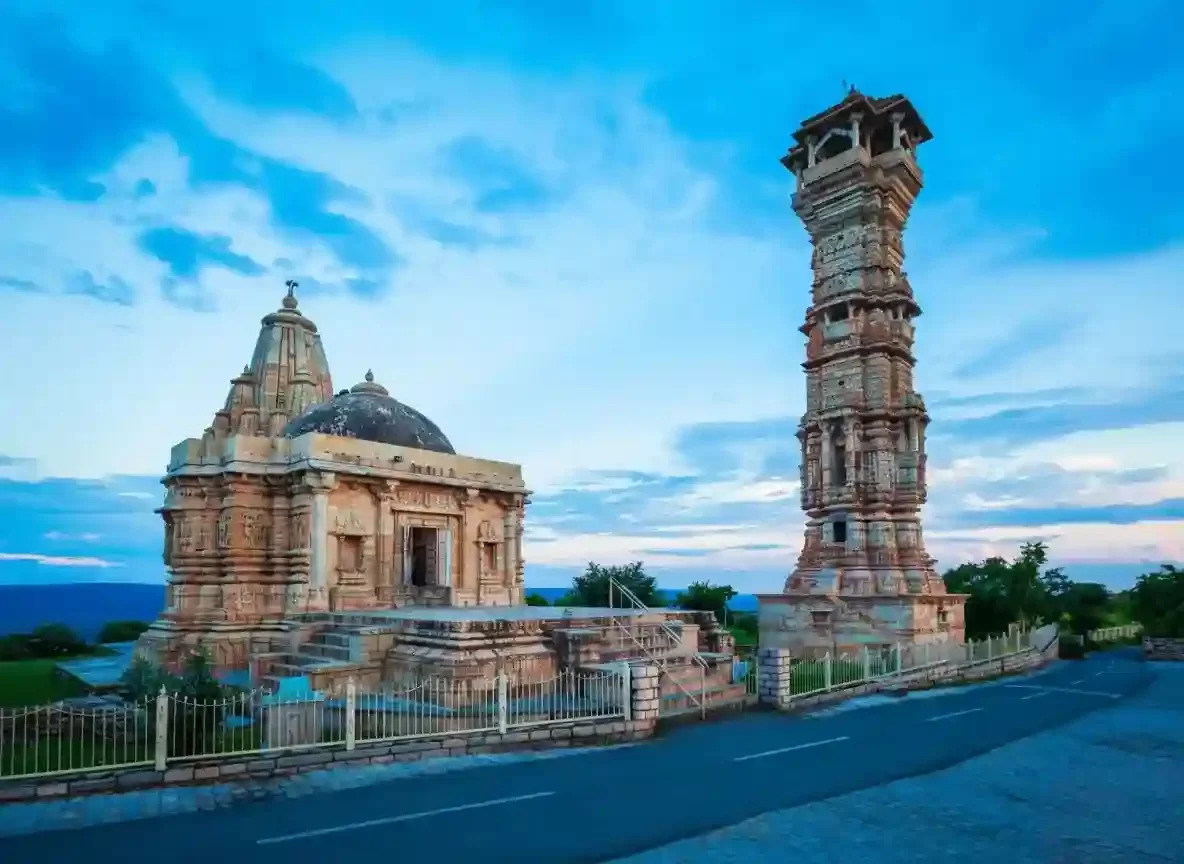
Visitors travel to the Chittorgarh Fort complex specifically to witness the Vijaya Stambha, a nine-story sandstone tower commissioned by Maharana Kumbha in 1448. As one of the finest examples of Rajput architecture, it attracts photography enthusiasts and architecture students who come to document its intricate exterior carvings, which depict an exhaustive encyclopedia of Hindu deities, seasonal motifs, and celestial bodies.
The atmosphere surrounding the tower is one of sheer scale and historical weight, situated within the massive ramparts of India’s largest fort. On the ground, the air is often filled with the sound of local guides detailing the tower’s survival through centuries of sieges, while the interior climb—via a narrow, winding staircase of 157 steps—offers a cool, limestone-scented ascent that opens up to a panoramic view of the Rajasthan plains.
What makes Vijaya Stambha distinct is its dual identity as both a military trophy and a religious masterpiece; every inch of the 37-meter structure is utilized for storytelling through sculpture. Unlike other victory towers that focus solely on the ruler, this monument serves as a vertical gallery of 15th-century social life and iconography, illuminated at night to provide a striking visual landmark that remains the defining silhouette of the Chittorgarh skyline.
The Vijaya Stambha, or Tower of Victory, was constructed by Maharana Kumbha between 1440 and 1448 to commemorate his victory over the combined armies of Malwa and Gujarat led by Mahmud Khilji. Standing at 37.19 meters within the Chittorgarh Fort, this nine-story red sandstone and white marble structure serves as a monumental record of Rajput military prowess and architectural sophistication during the 15th century.
Dedicated to Lord Vishnu, the tower is an architectural masterpiece of the Nagara style, featuring intricate carvings that depict a vast pantheon of Hindu deities, personified seasons, and celestial bodies. The interior and exterior walls function as an illustrated lexicon of Hindu iconography and mythology. Visitors can ascend the 157 narrow steps to the top story, which offers a strategic vantage point over the fort complex and the surrounding Mewar plains.
Visiting the Vijaya Stambha requires a balance between manageable temperatures and clear visibility, as the climb up the narrow interior staircase of this nine-story tower can become physically taxing in the desert heat. The experience is best enjoyed when the Rajasthani sun is tempered by the winter breeze, allowing for a comfortable exploration of the intricate carvings and the panoramic views of the fort complex.
The Vijaya Stambha (Tower of Victory) is located inside the sprawling Chittorgarh Fort complex. Reaching this UNESCO World Heritage site involves traveling to Chittorgarh city and then ascending the hill-fort via a dedicated winding road.
Traveler's Tip: Ensure you carry plenty of water and wear comfortable walking shoes, as the terrain within the fort complex is uneven and involves significant walking between the Victory Tower and the neighboring Padmini Palace.
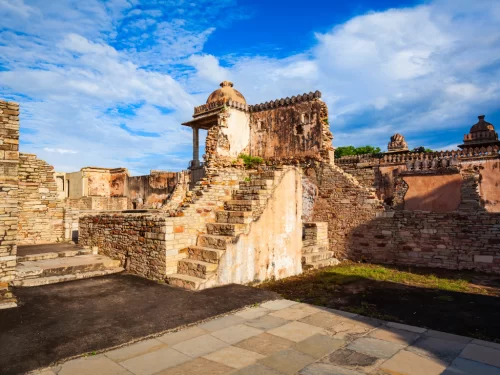 Fort
Fort
Chittorgarh Fort is a 7th-century hill fortress and UNESCO World Heritage site extending across 700 acres on a 180-meter high rocky plateau.
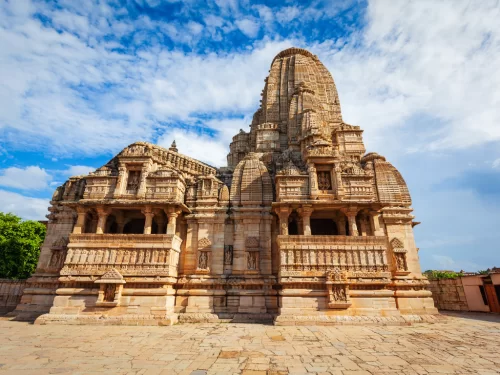 Temple
Kalika Mata Temple is an 8th-century Hindu temple originally built as a Sun Temple before being converted to honor the goddess Kali in the 14th century.
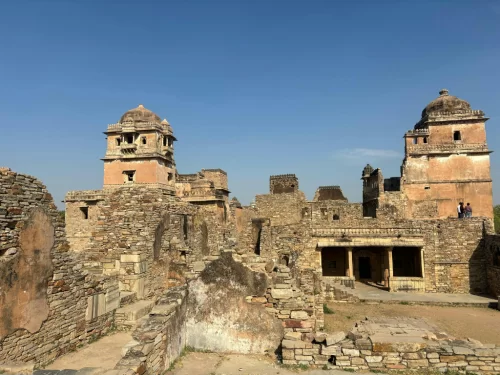 Palace
Rana Kumbha Palace is a 15th-century ruined royal residence and the oldest standing structure within the UNESCO-listed Chittorgarh Fort complex.
Get customized Rajasthan tour planning designed around desert climate comfort, long-distance road travel flow, heritage exploration time, and realistic pacing between regions. Whether you are visiting for fort architecture, palace heritage, cultural exper
⚡ Quick Response | 💰 Free consultation | 🕒 24×7 expert support

