Quick Facts About Sri Sadul Museum
Quick Facts About Sri Sadul Museum Bikaner
| Entry Fee | About 10 rupees per Indian visitor and about 20 rupees per foreign visitor |
|---|---|
| Timings | Open daily from 10 00 AM to 5 00 PM, closed on Sunday |
| Altitude (m) | Located at about 226 meters above sea level in Bikaner city |
| Ideal Visit Duration | One to two hours to explore the royal artifacts and exhibits |
| Best Time of Day | Late morning or early afternoon when lighting in galleries is best |
| Crowd Level | Low to moderate crowds typical except on busy holiday periods |
| Distance from City Centre (km) | About two kilometers from the central Bikaner city area |
| Walking Difficulty | Low walking difficulty inside the museum on level floors |
| Parking Available | Yes parking available near Lalgarh Palace area before entering museum |
| Last Mile Access | Auto rickshaws taxi and local transport available to Lalgarh Palace grounds |
| Suitable for Kids | Yes suitable for children with interest in history and local culture |
| Suitable for Seniors | Yes generally suitable for seniors with level indoor galleries |
| Wheelchair Friendly | Partially wheelchair accessible on main museum floors but confirm at site |
Why Visit Sri Sadul Museum, Bikaner
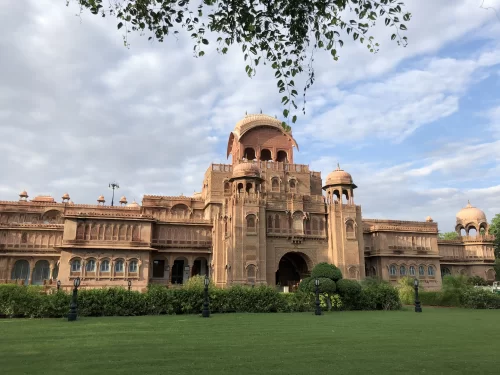
Atmosphere at Sri Sadul Museum is quiet, refined, and culturally enriching, allowing visitors to explore the royal heritage of Bikaner in a calm and elegant setting. The museum’s well-preserved interiors and thoughtful displays create an immersive experience that reflects the grandeur and lifestyle of the former Bikaner royalty.
What makes Sri Sadul Museum special is its rich collection of royal artifacts, photographs, manuscripts, and personal belongings of Maharaja Ganga Singh and his successors. Visitors gain insight into the history, governance, and social life of the Bikaner royal family while appreciating the artistic and historical value of the exhibits. The museum also houses rare hunting trophies and memorabilia that showcase a unique aspect of royal life during the princely era.
Beyond its visual appeal, Sri Sadul Museum holds strong historical and cultural significance as a custodian of Bikaner’s royal legacy. It attracts history enthusiasts, students, researchers, and travelers seeking a deeper understanding of Rajasthan’s princely past. The visit leaves visitors with a lasting appreciation of the region’s heritage, tradition, and royal elegance.
History of Sri Sadul Museum, Bikaner
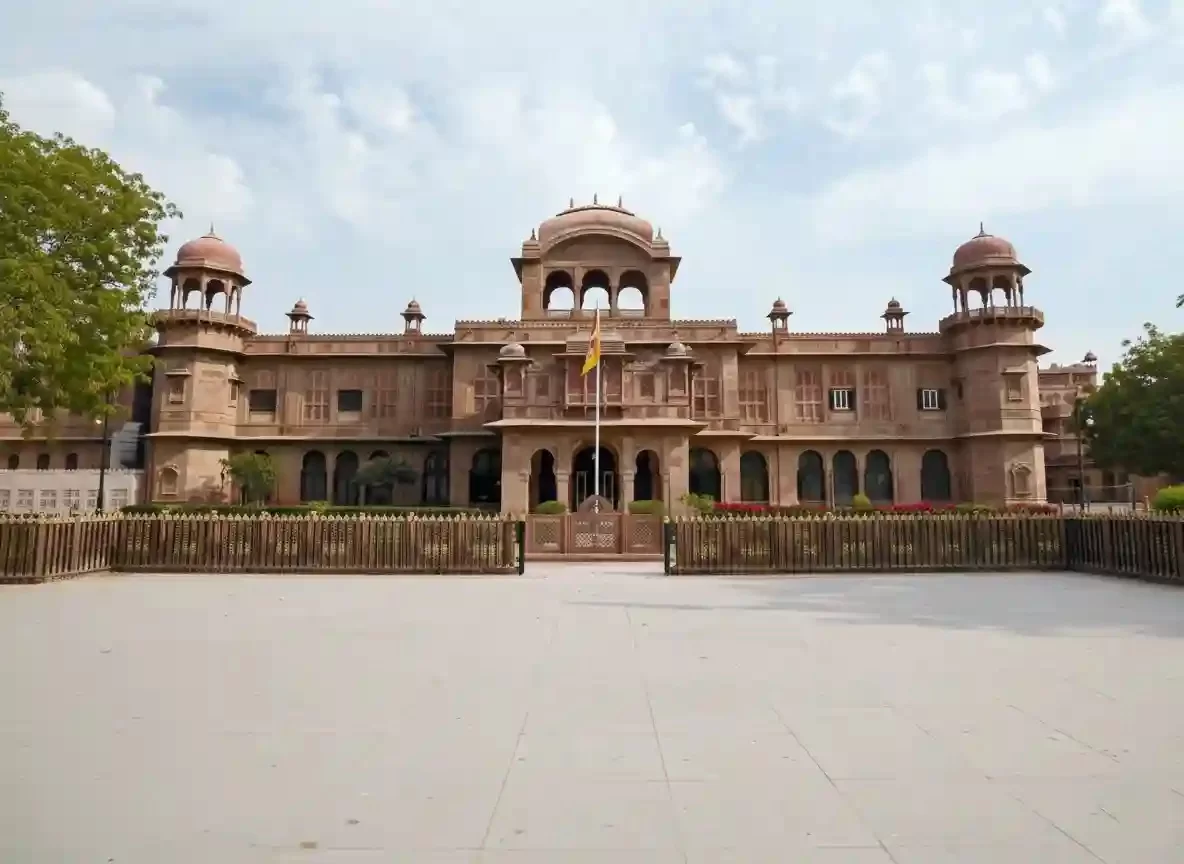
Sri Sadul Museum, located within the Lalgarh Palace complex in Bikaner, Rajasthan, was established to preserve and display the legacy of Maharaja Ganga Singh and Maharaja Sadul Singh, the prominent rulers of the princely state of Bikaner. The museum offers insight into the royal lifestyle, administrative history, and personal lives of the Bikaner rulers during the late 19th and early 20th centuries.
The museum houses a rich collection of artifacts, including photographs, hunting trophies, royal costumes, medals, manuscripts, and vintage memorabilia. These exhibits reflect Bikaner’s political connections, especially during the British colonial period, when the state played a significant role in regional and imperial affairs.
Today, Sri Sadul Museum stands as an important cultural and historical institution, allowing visitors to explore the royal heritage of Bikaner while understanding the evolution of governance, diplomacy, and aristocratic life in the region.
Best Time to Visit Sri Sadul Museum Bikaner
Visiting Sri Sadul Museum in Bikaner is most enjoyable when the desert climate is comfortable, allowing visitors to explore the museum galleries and exhibits at leisure without heat-related discomfort.
The months from October to March are ideal for visiting, as Bikaner experiences pleasant winter weather during this period. The cool and dry climate makes it comfortable to explore the museum, appreciate historical artifacts, and combine the visit with nearby city sightseeing.
Summer months from April to June are extremely hot in Bikaner. While the museum interiors offer some relief, visiting during early morning hours is recommended to avoid intense heat while traveling to and from the site.
Monsoon season from July to September brings light rainfall and slightly reduced temperatures. Though humidity may increase, fewer tourists visit during this time, offering a quieter and more relaxed museum experience.
- October to March for pleasant weather and comfortable museum exploration
- November to February for the best overall sightseeing conditions in Bikaner
- April to June suitable for early morning visits despite extreme heat
- July to September for fewer crowds and a quieter museum experience
- Weekdays are ideal for an uncrowded and leisurely visit
How to Reach Sri Sadul Museum, Bikaner
- By Air: The nearest airport is Nal Airport, Bikaner, located around 15 km from Sri Sadul Museum. Visitors can hire taxis or app-based cabs from the airport for a direct and comfortable transfer.
- By Train: Bikaner Junction Railway Station is well connected to major cities such as Delhi, Jaipur, Jodhpur, and Jaisalmer. From the station, auto-rickshaws and taxis are readily available to reach the museum.
- By Road: Bikaner is connected via NH62 and state highways to major cities in Rajasthan. Regular buses, private taxis, and self-drive vehicles make road travel convenient. The museum is located within the city and is easily accessible by road.
- Local Transport: Within Bikaner, auto-rickshaws, taxis, and app-based ride services provide easy access to Sri Sadul Museum. Clear road connectivity ensures smooth last-mile travel for visitors.
What to Expect When You Visit Sri Sadul Museum Bikaner
- Immersive surroundings that reflect the true natural, cultural, or spiritual character of the destination, offering a peaceful and enriching travel experience.
- Well-maintained visitor pathways and accessible viewing points designed to provide comfortable exploration while preserving the authenticity of the location.
- Opportunities to engage with local traditions, regional architecture, or natural landscapes, allowing travelers to gain deeper cultural understanding.
- Scenic photo spots and panoramic viewpoints that highlight the area’s unique beauty throughout different times of the day.
- Informational boards, guides, or locally available assistance that help visitors learn the historical or environmental importance of the site.
- Seasonal changes in atmosphere, crowd levels, and visual appeal, ensuring a different yet memorable experience depending on the time of visit.
- Nearby amenities such as refreshment stalls, rest areas, or small markets offering local flavors and handicrafts.
- A calm and respectful environment that allows visitors to fully absorb the significance and charm of the destination.
Important Visitor Information and Safety of Sri Sadul Museum Bikaner
- Crowd & Peak Hours: Visitor numbers are higher during late mornings, weekends, and holidays. Early hours are quieter and better for a relaxed museum visit.
- Weather Notes: Summers can be very hot, while winters are pleasant. Indoor galleries provide shade, but outdoor movement may be affected during extreme heat.
- Dress Code: Wear comfortable clothing and walking shoes suitable for museum exploration. Light layers are recommended during cooler months.
- Safety Tips: Do not touch exhibits unless permitted, follow museum rules and signage, watch your step in gallery areas, and keep personal belongings secure.
Photography and Viewpoints at Sri Sadul Museum, Bikaner
- The museum’s heritage palace architecture provides striking opportunities for architectural and historical photography.
- Close-up shots of royal artifacts, weapons, manuscripts, and photographs capture intricate details of Bikaner’s royal history.
- Natural light through palace windows enhances textures, colors, and period details within the museum interiors.
- Wide-angle compositions allow photographers to capture entire galleries and ornate halls in a single frame.
- The surrounding palace grounds and courtyards offer scenic backdrops for outdoor photography.
- The blend of royal architecture and preserved exhibits creates strong storytelling visuals for cultural documentation.