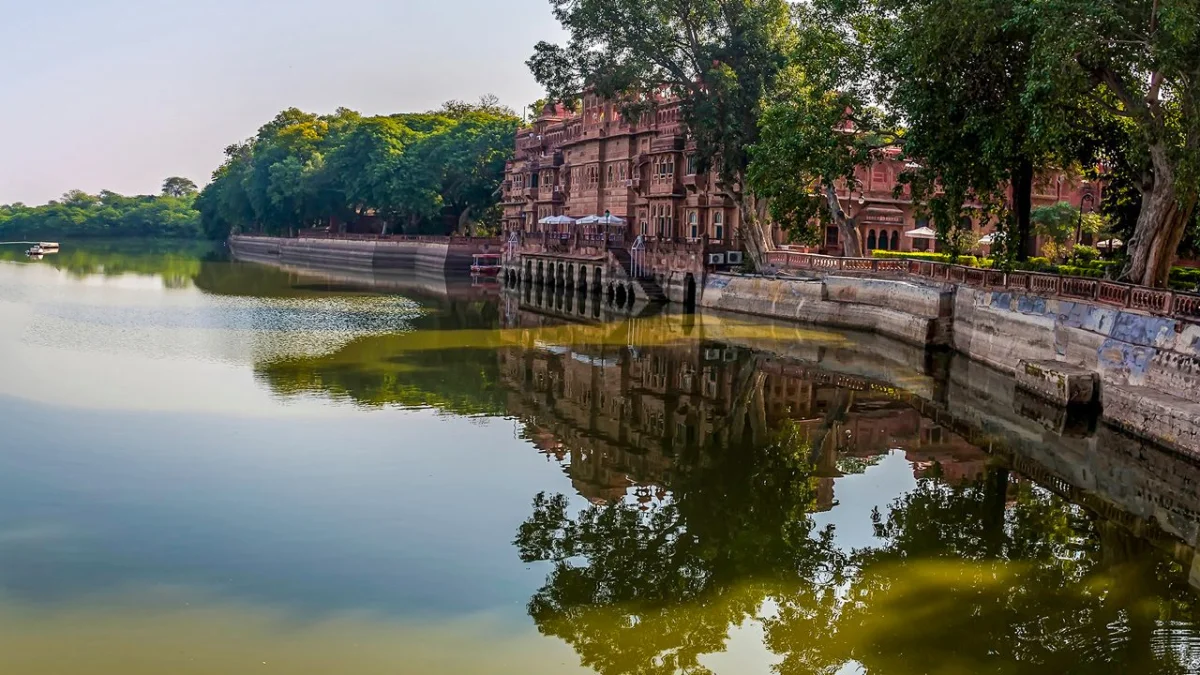
Gajner Wildlife Sanctuary – Desert Ecosystem Reserve near Bikaner

Gajner Wildlife Sanctuary , Bikaner
Tourists visit Gajner Wildlife Sanctuary to observe desert and semi-arid ecosystems, migratory birds, and native wildlife around Gajner Lake. The sanctuary is known for species such as blackbuck, chinkara, nilgai, and a variety of waterbirds that inhabit the area seasonally.

Quick Facts About Gajner Wildlife Sanctuary

Gajner Wildlife Sanctuary, Rajasthan Quick Facts

Entry Fee Entry fee applicable; charges vary for Indian and foreign visitors and may change as per forest department regulations
Timings Generally open from sunrise to sunset; entry hours may vary seasonally
Altitude (m) Approximately 225 m above sea level
Ideal Visit Duration 2–4 hours
Best Time of Day Early morning for wildlife sightings and comfortable temperatures
Crowd Level Low to moderate
Distance from City Centre (km) Approximately 32 km from Bikaner city centre
Walking Difficulty Easy; most sightseeing is accessible via designated tracks and roads
Parking Available Yes, parking is available near the sanctuary entrance
Last Mile Access Accessible directly by motorable road
Suitable for Kids Yes
Suitable for Seniors Yes
Wheelchair Friendly Partially accessible; accessibility depends on specific trails and visitor facilities

Why Visit Gajner Wildlife Sanctuary, Rajasthan

Visitors come to Gajner Wildlife Sanctuary near Bikaner to experience a desert ecosystem that supports species such as blackbuck, nilgai, chinkara, and a variety of resident and migratory birds. The sanctuary is often combined with visits to Gajner Lake and the nearby heritage palace complex.

The on-ground atmosphere is quiet and natural, with dry woodland, grassland patches, and lakeside habitats creating varied wildlife-viewing environments. Early mornings and late afternoons are particularly suitable for observing animals and birdlife in the cooler hours of the day.

What makes Gajner Wildlife Sanctuary distinct is its combination of desert wildlife habitats and a freshwater lake ecosystem within the same protected area. This contrast offers travelers a different perspective on Rajasthan’s natural landscape beyond its forts, cities, and sand dunes.

History of Gajner Wildlife Sanctuary, Rajasthan

Gajner Wildlife Sanctuary is located near Bikaner and was once part of the private hunting reserve maintained by the rulers of the former Bikaner State. The area's woodlands and wetlands attracted a variety of wildlife, making it a favored royal hunting ground during the princely era.

The sanctuary developed around the historic Gajner Lake and the adjoining Gajner Palace, which was built by Maharaja Ganga Singh as a retreat for royal guests and dignitaries. Its natural setting contributed to its prominence as a leisure and recreation area.

Over time, the former hunting reserve was protected for wildlife conservation and is now recognized as a wildlife sanctuary, preserving the region's ecological heritage while reflecting its connection to Rajasthan's royal history.

Best Time to Visit Gajner Wildlife Sanctuary, Rajasthan

Gajner Wildlife Sanctuary is most rewarding during the cooler months when wildlife activity around the grasslands and Gajner Lake is easier to observe, and outdoor safaris can be enjoyed comfortably.
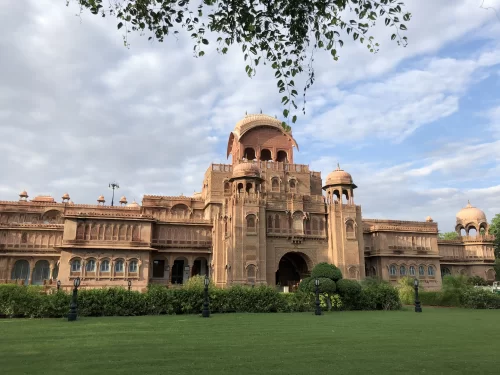
  • Ideal Months: October to March is the best period for wildlife viewing, birdwatching, and exploring the sanctuary.
  • Weather Conditions: Pleasant daytime temperatures, cool mornings, and the presence of migratory birds around Gajner Lake make this season particularly favorable for nature enthusiasts and photographers.
  • Periods to Avoid: April to June can experience intense desert heat that reduces daytime wildlife movement and makes outdoor exploration uncomfortable. The monsoon season brings some greenery but may limit wildlife sightings compared to winter.

How to Reach Gajner Wildlife Sanctuary, Rajasthan

  • By Air: The nearest airport is Nal Airport, Bikaner, located approximately 35 km from Gajner Wildlife Sanctuary. The airport offers limited commercial connectivity. For broader flight options, Jodhpur Airport, about 260 km away, serves major Indian cities. Taxis are available from both airports for onward travel.
  • By Train: Bikaner Junction, situated around 30 km from the sanctuary, is the nearest major railway station. It is well connected to Delhi, Jaipur, Jodhpur, and several other cities across India. Local taxis and private vehicles provide convenient access from the station to Gajner.
  • By Road: Gajner Wildlife Sanctuary lies on the Bikaner–Jaisalmer Road (NH 11) near Gajner village and is easily accessible by road from Bikaner. Regular buses, taxis, and self-drive vehicles operate on this route. The sanctuary entrance is connected by a motorable road, with last-mile access available directly to the visitor area. Summer temperatures can be extremely high, while wildlife sightings may vary depending on season and time of day.

What to Expect When You Visit Gajner Wildlife Sanctuary, Rajasthan

  • Gajner Wildlife Sanctuary is located near Bikaner in the Thar Desert region, featuring dry scrubland, grasslands, scattered woodland, and a lake ecosystem that attracts wildlife and migratory birds.
  • The sanctuary environment is largely natural and quiet, with landscapes shaped by arid climatic conditions. Wildlife sightings can vary significantly depending on season, weather, and time of day.
  • Basic visitor facilities are available near the sanctuary entrance and adjoining heritage property areas, including parking, restrooms, and refreshments. Amenities within the wildlife zone itself are limited.
  • Access is primarily via motorable roads from Bikaner, followed by designated routes within the sanctuary. Visitors are expected to remain on approved paths and follow wildlife regulations during exploration.
  • Movement inside the sanctuary generally involves guided drives, nature walks in permitted areas, and birdwatching around water bodies. Terrain is mostly flat but can be uneven in natural sections.
  • Visitors commonly come for wildlife observation, photography, and birdwatching. Animal sightings are not guaranteed, and activity levels are often higher during cooler morning and evening hours.
  • Summer temperatures can be extreme, while winter mornings may be cold. Adequate water, sun protection, and weather-appropriate clothing are important due to limited shade across much of the sanctuary.

Important Visitor Information for Gajner Wildlife Sanctuary, Rajasthan

  • Gajner Wildlife Sanctuary is most comfortable to visit between October and March, when cooler temperatures encourage wildlife movement and make outdoor exploration more pleasant.
  • Early morning and late afternoon are the best times for wildlife viewing, while mid-day hours can be quieter as many animals seek shade during warmer conditions.
  • Summer temperatures in the Bikaner region can be extremely high, whereas winter mornings may be cool and occasionally foggy around the Gajner Lake area.
  • No formal dress code applies, but muted-colored clothing is preferable for wildlife observation and photography within the sanctuary environment.
  • Visitors should remain on designated routes and maintain a safe distance from wildlife, as the sanctuary is home to free-ranging animals including antelope, nilgai, and other native species.
  • Extra caution is advised near water bodies, uneven ground, and thorny vegetation, particularly during early morning or evening wildlife activity periods.

Photography and Viewpoints at Gajner Wildlife Sanctuary, Rajasthan

  • The most reliable photography viewpoints are along the Gajner Lake edge and designated forest safari routes, where the lake, desert vegetation, and wildlife can be framed in a single natural composition.
  • Lake-facing points near Gajner Palace provide reflective water shots, especially when calm conditions allow clear mirror-like images of surrounding arid forest and migratory birds.
  • Early morning light is optimal for wildlife photography, as animals such as chinkara, nilgai, and migratory birds are more active near water sources before temperatures rise.
  • Late afternoon offers warm golden tones over the desert forest landscape, improving contrast for wide-angle shots of the sanctuary’s scrubland and lake edges.
  • Photography rules within the sanctuary require adherence to forest department guidelines, with restrictions in certain protected zones and during wildlife-sensitive periods.
  • Access to prime viewpoints depends on permitted safari routes and forest trails, and stopping points are regulated to avoid disturbing wildlife movement patterns.
  • Crowd levels remain relatively low compared to urban attractions, but safari timings and vehicle queues can influence availability of clear shooting positions during peak season.

Near By Attraction

 Palace

Lalgarh Palace Garden

Lalgarh Palace Garden is a landscaped garden area associated with Lalgarh Palace in Bikaner, Rajasthan, India.
 Fort

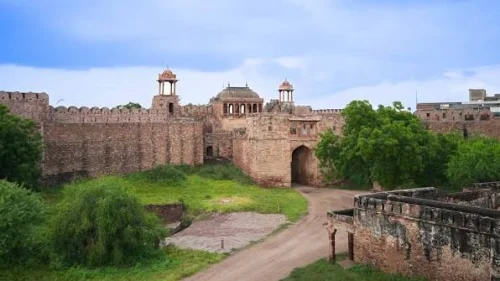
Ahhichatragarh Fort

Ahhichatragarh Fort is a historic fort located in Nagaur, Rajasthan, India.
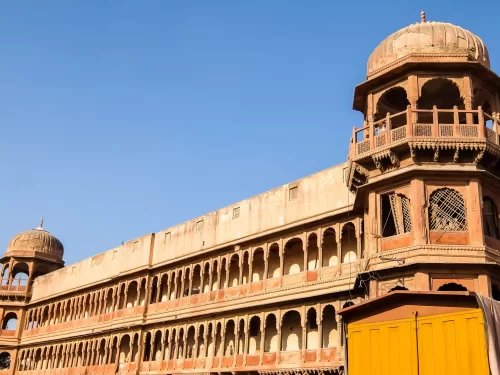
Prachina Museum Bikaner Cultural museum inside Junagarh Fort showcasing royal Bikaner heritage through costumes and art Rajasthan. Museum

Prachina Museum

Prachina Museum is a private museum in Bikaner showcasing a collection of artifacts, including sculptures, coins, and manuscripts from Rajasthan’s history.

Frequently Asked Questions About Gajner Wildlife Sanctuary

Loved this place ? Let’s Plan Your Rajasthan Trip

Get customized Rajasthan tour planning designed around desert climate comfort, long-distance road travel flow, heritage exploration time, and realistic pacing between regions. Whether you are visiting for fort architecture, palace heritage, cultural exper

⚡ Quick Response | 💰 Free consultation | 🕒 24×7 expert support

×

Plan Your Trip