Ranakpur Jain Temple – Marble Temple Complex in Pali District, Rajasthan

Ranakpur , Kumbhalgarh
Tourists visit Ranakpur Jain Temple to see its detailed marble architecture, carved pillars, and large temple halls dedicated to Tirthankara Adinatha. The site is part of a cluster of Jain pilgrimage centers in the Aravalli region and is commonly included in travel routes between Udaipur and Jodhpur.

Quick Facts About Ranakpur

Ranakpur, Rajasthan Quick Facts

Entry Fee No entry fee for village area; Jain Temple entry may include nominal charges and separate fees for foreign visitors (varies by temple rules)
Timings Jain temples generally open from morning to evening with a midday closure; exact hours vary seasonally and by temple management
Altitude (m) Approximately 480 m above sea level
Ideal Visit Duration 1–3 hours
Best Time of Day Morning for temple visit and quieter surroundings
Crowd Level Moderate; higher during weekends and peak tourist season
Distance from City Centre (km) Approximately 90 km from Udaipur city centre
Walking Difficulty Easy; mainly flat walking within temple complex and surrounding area
Parking Available Yes, dedicated parking areas available near the temple complex
Last Mile Access Accessible by motorable road directly to temple entrance area
Suitable for Kids Yes
Suitable for Seniors Yes
Wheelchair Friendly Partially accessible; main areas are accessible but some sections may have steps or uneven marble surfaces

Why Visit Ranakpur, Rajasthan

Visitors come to Ranakpur to explore the large Jain temple complex known for its detailed marble architecture and structured layout of halls, pillars, and courtyards. It is a key stop for travelers moving between Udaipur and Jodhpur who are interested in religious architecture and quiet temple spaces.

The on-ground atmosphere is calm and orderly, with controlled visitor movement inside the temple complex and a strong focus on silence and observation. The surrounding Aravalli hills add a natural backdrop, and the area remains less crowded compared to major Rajasthan tourist cities.

What makes Ranakpur distinct is the scale and precision of its marble craftsmanship combined with its setting in a forested valley of the Aravallis. The experience offers a balance of detailed architectural viewing and a quiet landscape environment within Rajasthan.

History of Ranakpur, Rajasthan

Ranakpur in Rajasthan is historically known for its prominent Jain temple complex dedicated to Tirthankara Adinatha. The site developed under the patronage of the local Rajput rulers, with significant construction supported during the 15th century.

The main Chaumukha Jain Temple at Ranakpur was commissioned in the 15th century under the guidance of a Jain merchant, with support from Rana Kumbha of Mewar. The temple complex reflects the strong presence of Jain religious traditions in the Mewar region.

Today, Ranakpur remains an important pilgrimage destination for Jains and is recognized for its religious significance and historical temple architecture within Rajasthan’s cultural landscape.

Best Time to Visit Ranakpur, Rajasthan

Ranakpur is best visited during the cooler months when the marble temple complex can be explored comfortably on foot, and the surrounding Aravalli hills offer clear, pleasant conditions for sightseeing and photography.

  • Ideal Months: October to March is the most suitable period for visiting Ranakpur, especially for exploring the Jain Temple complex and nearby forested surroundings.
  • Weather Conditions: These months typically bring mild daytime temperatures, cool mornings, and clear skies, making extended visits inside the marble temples and outdoor exploration more comfortable.
  • Periods to Avoid: April to June should be avoided due to intense heat in the region, which can make daytime temple visits uncomfortable. The monsoon season (July to September) brings intermittent rainfall that may affect road travel and reduce visibility in the hills.

How to Reach Ranakpur, Rajasthan

  • By Air: The nearest airport is Maharana Pratap Airport, Udaipur, located approximately 95–105 km from Ranakpur. The airport offers regular connectivity with major Indian cities. From Udaipur, taxis and private cabs are available for the onward journey via Nathdwara and Sadri through the Aravalli hills.
  • By Train: Falna Railway Station, around 35–40 km away, is the nearest railhead with direct connections to Jaipur, Ahmedabad, Delhi, and Mumbai. Udaipur City Railway Station (about 90–100 km) is another major option with wider connectivity. From both stations, taxis and limited bus services are available for Ranakpur.
  • By Road: Ranakpur is well connected by road between Udaipur, Kumbhalgarh, and Pali via state highways and scenic Aravalli routes. Regular taxis, private vehicles, and some intercity buses operate on this stretch. The final approach to the Jain Temple complex involves smooth motorable roads, but winding ghat sections may slow travel during monsoon or foggy winter mornings. Parking is available near the temple entrance, followed by a short walk to the complex.

What to Expect When You Visit Ranakpur, Rajasthan

  • Ranakpur is set in a forested valley of the Aravalli Hills in Rajasthan’s Pali district, with a calm natural environment of green cover, rocky slopes, and scattered rural settlements, differing from the arid plains typically associated with the state.
  • The area is best known for its Jain temple complex, but the overall surroundings remain quiet and nature-oriented, with limited urban development and a slower pace of local life compared to nearby tourist cities like Udaipur.
  • Facilities are available but not extensive; visitors will find small hotels, eco-resorts, and basic eateries in the vicinity, while medical services, ATMs, and larger commercial options are located at a distance in larger towns.
  • Accessibility is via winding hill roads connecting from Udaipur, Pali, or surrounding routes. Once in Ranakpur, movement between attractions is straightforward but may involve walking on uneven paths within temple or forest-adjacent areas.
  • The main temple area experiences structured visitor entry, especially at the Jain temple complex where rules regarding footwear, photography restrictions, and visitor conduct are strictly followed, with queues during peak hours and pilgrimage periods.
  • Visitor activity is generally calm, with emphasis on temple darshan, architectural appreciation, and quiet observation of the marble carvings, rather than fast-paced tourism or entertainment-based experiences.
  • Weather is typically hot and dry for much of the year, though the forested setting can feel cooler than surrounding desert regions; monsoon months bring greenery but may also cause occasional travel delays due to hill road conditions.

Important Visitor Information for Ranakpur Jain Temple, Rajasthan

  • Ranakpur Jain Temple experiences peak visitor traffic during the winter tourist season (October to March), especially late mornings when guided tours and day-trippers arrive from Udaipur and Kumbhalgarh.
  • Early morning hours offer the most peaceful darshan and best lighting conditions for viewing the intricate marble architecture before large tour groups arrive.
  • The region experiences hot, dry summers and relatively pleasant winters, while monsoon months bring greenery but can also cause intermittent rain affecting road travel through the Aravalli hills.
  • Strict modest dress code is followed inside the temple complex, with covered shoulders and knees required; leather items are typically not permitted within Jain temple premises.
  • Visitors should maintain silence inside the temple halls, as it is an active place of worship with ongoing rituals and meditation practices throughout the day.
  • Marble flooring inside the temple can become slippery in humid or rainy conditions, so careful walking is advised, especially in shaded interior corridors.

Photography and Viewpoints at Ranakpur Jain Temple, Rajasthan

  • The most iconic photography viewpoint is the main mandapa of Ranakpur Jain Temple, where 1,444 intricately carved marble pillars can be framed in symmetrical interior compositions from multiple central axis points.
  • Side corridors within the temple complex offer detailed close-up angles of marble carvings, domes, and latticework, especially effective when capturing repetitive architectural patterns.
  • Soft natural light filtering through the temple’s open courtyards and carved stone jalis provides balanced illumination, particularly during mid-morning hours when interior visibility is optimal.
  • Photography inside the sanctum areas is restricted, and visitors are required to maintain silence and follow temple guidelines, including avoidance of flash photography in designated prayer zones.
  • Late afternoon light enhances exterior marble tones, creating subtle golden reflections on the temple façade and surrounding forested Aravalli landscape.
  • Visitor flow remains moderate on weekdays but increases during peak tourist season, which can affect access to central mandapa viewpoints and require waiting for unobstructed frames.
  • The temple is located within a forested valley, and external viewpoints from the approach road provide limited but useful wide-angle shots of the complex nestled among the Aravalli hills.

Near By Attraction

 Fort

GoleRao temple

Gole Rao Temple is a Jain temple located near Kumbhalgarh Fort in Rajsamand district, Rajasthan, India.
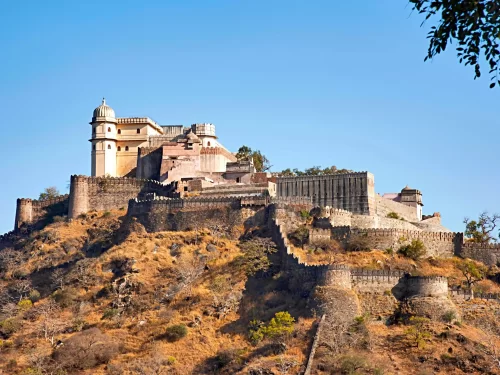
Badal Mahal at Kumbhalgarh Fort, a historic hilltop palace with expansive fortified walls in Rajsamand, Rajasthan. Palace

Badal Mahal

Badal Mahal, or the Palace of Clouds, is the highest point of the Kumbhalgarh Fort complex and was built by Maharana Fateh Singh in the 19th century.
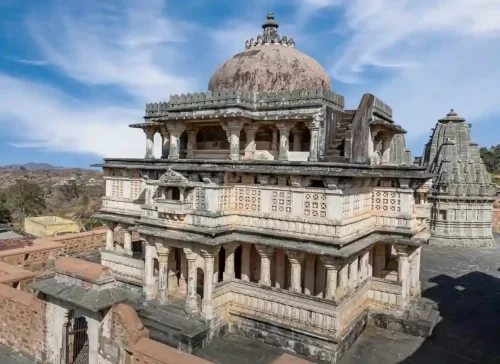
Vedi Temple Kumbhalgarh Three-story 15th-century sacrificial shrine featuring thirty-six intricately carved pillars and a massive dome, built by Rana Kumbha inside Kumbhalgarh Fort Rajasthan. Temple

Vedi Temple

Vedi Temple is a three-story sacrificial ritual structure built by Rana Kumbha in 1458 to commemorate the completion of the Kumbhalgarh Fort.

Frequently Asked Questions About Ranakpur

Loved this place ? Let’s Plan Your Rajasthan Trip

Get customized Rajasthan tour planning designed around desert climate comfort, long-distance road travel flow, heritage exploration time, and realistic pacing between regions. Whether you are visiting for fort architecture, palace heritage, cultural exper

⚡ Quick Response | 💰 Free consultation | 🕒 24×7 expert support

×

Plan Your Trip
