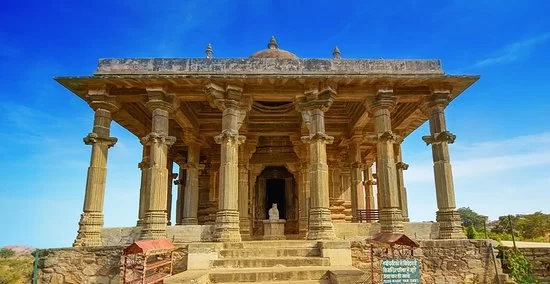
Gole Rao Temple – Historic Jain Temple near Kumbhalgarh Fort

GoleRao temple , Kumbhalgarh
Tourists visit Gole Rao Temple to observe Jain religious architecture associated with the Kumbhalgarh fort region. The temple is part of the cluster of Jain and Hindu heritage sites around Kumbhalgarh and is visited along with the fort complex during sightseeing.

Quick Facts About GoleRao temple

Gole Rao Temple, Kumbhalgarh, Rajasthan Quick Facts

Entry Fee No entry fee
Timings Generally open from sunrise to sunset; timings may vary depending on fort management and security regulations
Altitude (m) Approximately 1,100 m above sea level
Ideal Visit Duration 30–60 minutes
Best Time of Day Morning or late afternoon for comfortable weather and better lighting for photography
Crowd Level Low to moderate; increases during peak tourist season at Kumbhalgarh Fort
Distance from City Centre (km) Approximately 2–3 km from Kumbhalgarh Fort complex area
Walking Difficulty Easy to moderate; includes walking within fort surroundings and uneven stone paths
Parking Available Yes, parking is available near Kumbhalgarh Fort entry area; limited near temple approach
Last Mile Access Accessible via fort road followed by a short walk through heritage pathways
Suitable for Kids Yes
Suitable for Seniors Yes, with caution on uneven surfaces
Wheelchair Friendly No; uneven fort terrain and stone pathways limit wheelchair access

Why Visit Gole Rao Temple, Kumbhalgarh, Rajasthan

Visitors come to Gole Rao Temple near Kumbhalgarh to experience a small, active Shiva shrine located within the forested Aravalli landscape close to the Kumbhalgarh Fort region. It is often visited by travelers exploring the fort complex and nearby heritage and nature routes in Rajsamand district.

The on-ground atmosphere is quiet and natural, with the temple set amidst rocky terrain and sparse forest cover. The space remains largely uncrowded, allowing visitors to spend time in prayer and observe the surrounding hill landscape in a calm setting.

What makes Gole Rao Temple distinct is its secluded forest-edge location combined with its proximity to the Kumbhalgarh heritage zone. It offers a simple, grounded temple experience away from the main tourist flow of Rajasthan’s larger monuments.

History of Gole Rao Temple, Kumbhalgarh, Rajasthan

Gole Rao Temple is part of the Kumbhalgarh Fort complex in Rajasthan, located within the historic Mewar region. The temple reflects the architectural and religious development that took place under the rule of the Rajput rulers of Mewar, who established Kumbhalgarh as a fortified stronghold.

The temple is associated with the broader spiritual landscape of Kumbhalgarh Fort, where several Jain and Hindu shrines were constructed to serve the religious needs of the fort’s inhabitants and royal patrons. Its presence highlights the integration of sacred spaces within fortified medieval settlements.

Today, Gole Rao Temple remains part of the protected heritage structures within Kumbhalgarh, contributing to the historical and cultural significance of the UNESCO-recognized fort complex.

Best Time to Visit Gole Rao Temple, Kumbhalgarh, Rajasthan

Gole Rao Temple near Kumbhalgarh is best visited when the surrounding Aravalli hills are comfortably cool and accessible, allowing visitors to explore the quiet temple setting along with nearby heritage and forested landscapes without weather-related difficulty.
  • Ideal Months: October to March is the most suitable period for visiting Gole Rao Temple and exploring the Kumbhalgarh region.
  • Weather Conditions: These months generally offer mild daytime temperatures, cooler mornings, and clear conditions across the Aravalli hills, making short walks and temple visits more comfortable and scenic.
  • Periods to Avoid: April to June should be avoided due to intense heat in the region, which can make outdoor exploration difficult. The monsoon season from July to September brings intermittent rainfall that may affect travel on hilly routes and reduce visibility in the surrounding landscape.

How to Reach Gole Rao Temple, Kumbhalgarh, Rajasthan

  • By Air: The nearest airport is Maharana Pratap Airport, Udaipur, located approximately 85–95 km from Kumbhalgarh. From the airport, taxis and private cabs are available to reach Kumbhalgarh via Nathdwara and Kelwara through hilly terrain.
  • By Train: Falna Railway Station, around 80–90 km away, is the nearest railhead with connectivity to Jaipur, Delhi, Ahmedabad, and Mumbai. Udaipur City Railway Station (about 100–110 km) offers broader rail options. From both stations, onward travel to Kumbhalgarh is available via taxi or bus.
  • By Road: Gole Rao Temple is located within the Kumbhalgarh region in Rajsamand district and is accessible via motorable roads from Udaipur, Nathdwara, and Sadri. The final approach includes winding hill roads through the Aravalli ranges leading to the Kumbhalgarh Fort area, followed by local access roads toward the temple. During peak monsoon and winter fog conditions, visibility can reduce and travel times may increase due to narrow ghat sections and occasional slow-moving traffic.

What to Expect When You Visit Gole Rao Temple, Kumbhalgarh, Rajasthan

  • Gole Rao Temple is located in the Kumbhalgarh region of Rajasthan, set within a semi-arid Aravalli landscape of rocky hills, scrub vegetation, and scattered rural settlements near the Kumbhalgarh Fort zone.
  • The surroundings are quiet and relatively undeveloped, with the temple forming part of a historically significant but less-commercialized area compared to major tourist hubs nearby.
  • Facilities are minimal, with limited on-site infrastructure. Basic amenities such as drinking water or small local stalls may be available seasonally, while more reliable food, accommodation, and medical services are located in Kumbhalgarh town.
  • Accessibility typically involves travel on hilly, winding roads followed by a short walk to the temple area. Roads can be uneven in sections, and movement may be slower during monsoon or peak tourist traffic near Kumbhalgarh Fort routes.
  • Visitor flow is generally light, with occasional increases during local religious events or tourist movement around the Kumbhalgarh Fort circuit. The site remains quieter than major pilgrimage destinations in Rajasthan.
  • Visitors usually spend a short time offering prayers, exploring the temple architecture, and observing the surrounding landscape rather than extended sightseeing activities.
  • Weather conditions can be hot and dry for most of the year, with strong sun exposure due to limited shade. Monsoon brings temporary greenery but may also make access roads slippery in parts.

Important Visitor Information for Gole Rao Temple, Kumbhalgarh, Rajasthan

  • Gole Rao Temple, located near Kumbhalgarh Fort, experiences higher visitor movement during the winter tourist season (October to March), while monsoon and summer months remain relatively less crowded due to weather conditions and terrain access.
  • Early morning hours offer a quieter and more comfortable visit, with softer light for exploring the temple surroundings, while midday hours can see moderate tourist flow from nearby Kumbhalgarh Fort visitors.
  • The region experiences hot, dry summers and cool winters; monsoon rains can make the forest approach routes around Kumbhalgarh damp, slippery, and less accessible.
  • Modest and respectful clothing is recommended, especially as the site is part of a historically and culturally significant temple complex within a protected heritage landscape.
  • Visitors should exercise caution on uneven stone paths, forest-edge walkways, and rocky surfaces around the temple area, particularly after rainfall when surfaces may become slippery.
  • Wildlife presence in the surrounding Kumbhalgarh Wildlife Sanctuary area requires visitors to stay on designated paths and avoid venturing into forested zones without guidance.

Photography and Viewpoints at Gole Rao Temple, Kumbhalgarh, Rajasthan

  • The most effective viewpoint for photographing Gole Rao Temple is from the elevated forest clearings near the Kumbhalgarh Fort approach road, where the temple can be framed within the dense Aravalli forest backdrop.
  • Closer angles around the temple complex highlight its stone architecture and rural temple setting, with compositions often including surrounding scrubland and hillside terrain.
  • Early morning light is ideal due to reduced haze in the forest zone, offering better visibility of architectural details and softer contrast on the stone surfaces.
  • Late afternoon provides warm tones filtering through the surrounding vegetation, but deep forest shadows can limit visibility inside the temple’s immediate surroundings.
  • Photography is generally allowed in outer areas, but visitors should respect local religious practices and avoid flash or intrusive shooting during ???? activities.
  • Access to viewpoints depends on narrow forest roads leading toward Kumbhalgarh, with limited safe pull-off areas for stopping vehicles and capturing wider landscape shots.
  • Crowd levels remain low compared to Kumbhalgarh Fort, but occasional pilgrim visits and local rituals may temporarily restrict access to the best frontal shooting positions.

Near By Attraction

 Temple

Ranakpur

Ranakpur Jain Temple is a Jain temple complex located in the Aravalli hills of Pali district, Rajasthan, India.

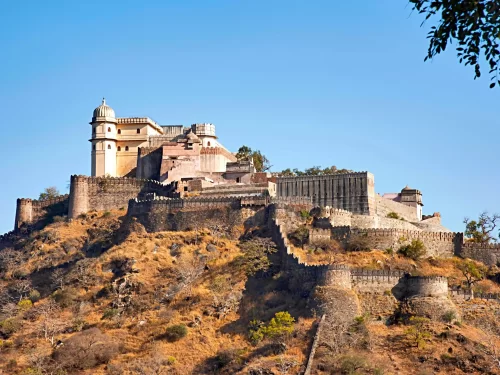
Badal Mahal at Kumbhalgarh Fort, a historic hilltop palace with expansive fortified walls in Rajsamand, Rajasthan. Palace

Badal Mahal

Badal Mahal, or the Palace of Clouds, is the highest point of the Kumbhalgarh Fort complex and was built by Maharana Fateh Singh in the 19th century.
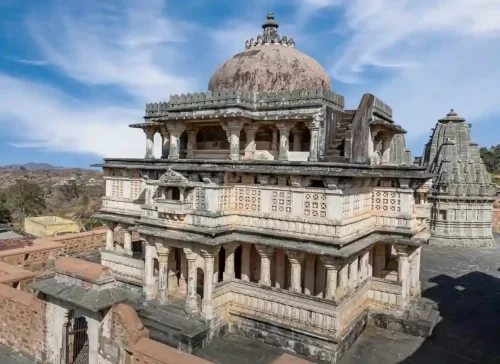
Vedi Temple Kumbhalgarh Three-story 15th-century sacrificial shrine featuring thirty-six intricately carved pillars and a massive dome, built by Rana Kumbha inside Kumbhalgarh Fort Rajasthan. Temple

Vedi Temple

Vedi Temple is a three-story sacrificial ritual structure built by Rana Kumbha in 1458 to commemorate the completion of the Kumbhalgarh Fort.
Frequently Asked Questions About GoleRao temple

Loved this place ? Let’s Plan Your Rajasthan Trip

Get customized Rajasthan tour planning designed around desert climate comfort, long-distance road travel flow, heritage exploration time, and realistic pacing between regions. Whether you are visiting for fort architecture, palace heritage, cultural exper

⚡ Quick Response | 💰 Free consultation | 🕒 24×7 expert support

×

Plan Your Trip