+91 9910402252
admin@chalbanjare.com


| Entry Fee | ?40 for Indians; ?600 for Foreigners (Included in the Chittorgarh Fort composite ticket) |
| Timings | 09:00 AM – 06:00 PM |
| Altitude (m) | ~500 m (Fort elevation) |
| Ideal Visit Duration | 20 to 30 minutes |
| Best Time of Day | 09:00 AM – 10:30 AM (Quieter atmosphere for prayer and photography) |
| Crowd Level | Moderate |
| Distance from City Centre (km) | 6.5 km from Chittorgarh Railway Station |
| Walking Difficulty | Easy (Located on level ground near the Kumbha Shyam Temple) |
| Parking Available | Yes (Parking available at the nearby centralized fort parking lots) |
| Last Mile Access | Auto-rickshaws, taxis, or private vehicles via the fort's motorable road |
| Suitable for Kids | Yes |
| Suitable for Seniors | Yes (Minimal steps to enter the temple plinth) |
| Wheelchair Friendly | Partial (The temple compound is accessible, but the inner sanctum has a raised platform) |
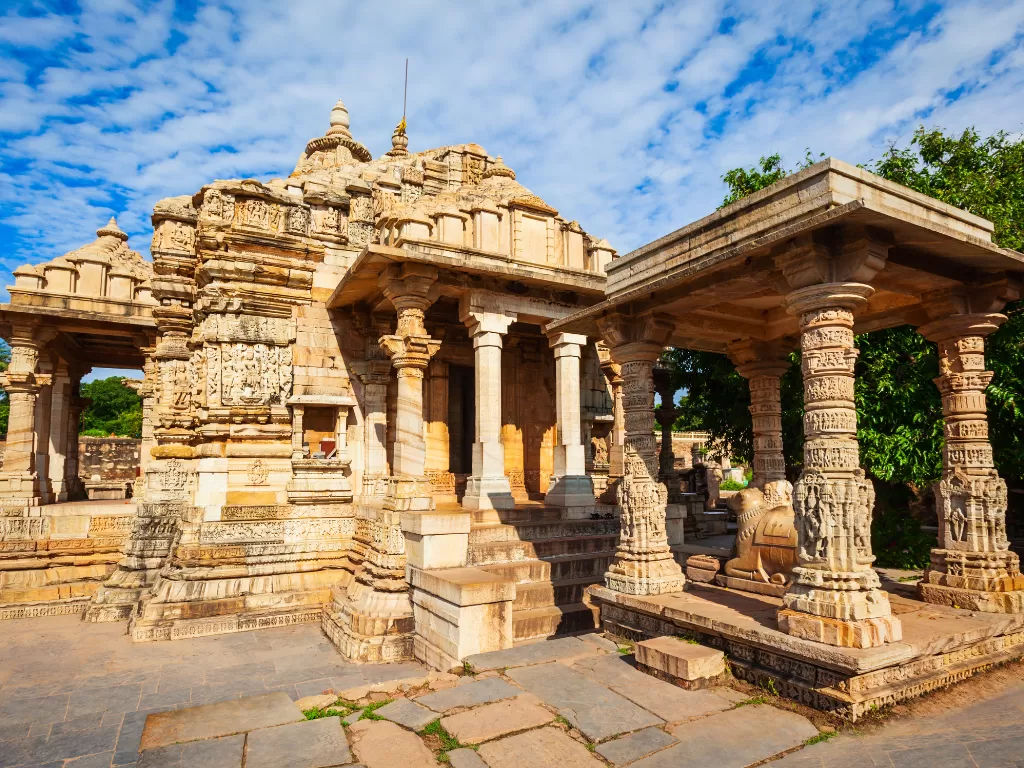
Visitors come to the Meera Temple to witness one of the most significant pilgrimage sites dedicated to the 16th-century poet-saint Meerabai. Located within the Chittorgarh Fort complex, the temple attracts those interested in the Indo-Aryan architectural style, featuring an intricately carved sanctum and a small shrine dedicated to Meerabai’s mentor, Saint Ravidas, which contains a symbolic footprint carving.
The on-ground atmosphere is defined by a sense of enduring spiritual devotion, often punctuated by the soft sounds of bhajans (devotional songs) echoing through the stone pillars. Unlike the larger, more imposing structures nearby, the air here feels intimate and reverent, with the intricate carvings of Hindu deities on the exterior walls providing a tactile connection to the region’s deep-rooted Bhakti movement history.
Meera Temple is distinct for its survival as a functional monument of religious expression within a military stronghold, showcasing a unique "Shikhara" (spire) design that tapers elegantly toward the sky. For travelers, it stands out as a rare site where the focus shifts from the martial history of the Rajputs to the personal narrative of a woman who defied social norms, making it an essential stop for understanding the cultural and soulful identity of Rajasthan.
Built in the 16th century during the reign of Maharana Kumbha, the Meera Temple is an Indo-Aryan style structure dedicated to the mystic poet-saint Meera Bai. Situated within the same compound as the larger Kumbha Shyam Temple, this shrine marks the site where the Rajput princess renounced her royal status to devote her life to Lord Krishna. The architecture is characterized by its elevated plinth, a conical shikhara (spire), and an open arcade featuring intricately carved pillars that depict scenes from Hindu mythology and the life of the saint.
The temple serves as a primary pilgrimage site for followers of the Bhakti movement, preserving the spiritual legacy of Meera Bai's "Prema Bhakti" (divine love). A notable architectural feature at the entrance is a unique sculpture of five human bodies with a single head, symbolizing the unity of all castes and creeds before the divine. The complex also includes a small chhatri (cenotaph) dedicated to Meera Bai's guru, Swami Ravidas, a revered saint from Varanasi, further highlighting the temple's role as a symbol of social and religious inclusion in medieval Rajasthan.
To truly appreciate the spiritual atmosphere and the intricate North Indian Shikhara architecture of the Meera Temple, a visit is best timed during the cooler winter months when the stone courtyard remains comfortable for barefoot exploration. As an active site of pilgrimage and historical significance, the experience is significantly enhanced when the desert sun is at its mildest, allowing for detailed observation of the temple's delicate carvings.
The Meera Temple, dedicated to the mystic poetess Meera Bai, is located within the central archaeological zone of the Chittorgarh Fort complex, adjacent to the Kumbha Shyam Temple and near the Vijaya Stambha.
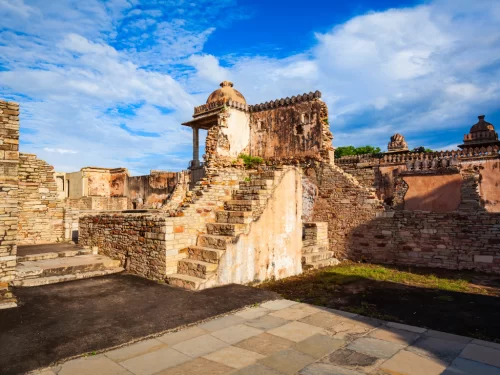 Fort
Fort
Chittorgarh Fort is a 7th-century hill fortress and UNESCO World Heritage site extending across 700 acres on a 180-meter high rocky plateau.
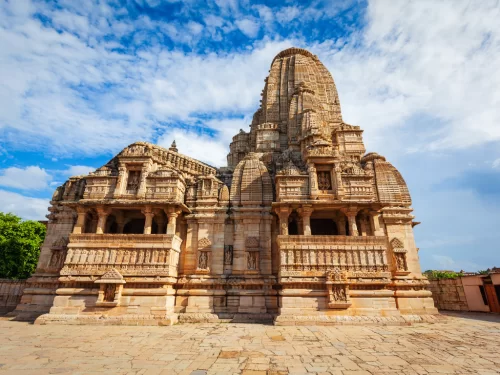 Temple
Kalika Mata Temple is an 8th-century Hindu temple originally built as a Sun Temple before being converted to honor the goddess Kali in the 14th century.
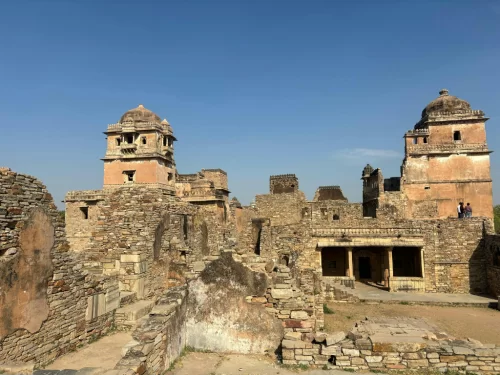 Palace
Rana Kumbha Palace is a 15th-century ruined royal residence and the oldest standing structure within the UNESCO-listed Chittorgarh Fort complex.
Get customized Rajasthan tour planning designed around desert climate comfort, long-distance road travel flow, heritage exploration time, and realistic pacing between regions. Whether you are visiting for fort architecture, palace heritage, cultural exper
⚡ Quick Response | 💰 Free consultation | 🕒 24×7 expert support