Quick Facts About Laleshwar Mahadev Mandir (Shiv Bari)
Quick Facts About Laleshwar Mahadev Mandir Shiv Bari Bikaner
| Entry Fee | No entry fee free to visit the temple and offer prayers |
|---|---|
| Timings | Temple open daily typically from 7 00 AM to 7 00 PM |
| Altitude (m) | Located at approximately 220 meters above sea level in Bikaner city |
| Ideal Visit Duration | About thirty minutes to one hour to explore the temple and its architectural features |
| Best Time of Day | Early morning or late afternoon for peaceful visit and cooler weather |
| Crowd Level | Moderate crowds usually higher during Shravan month and Maha Shivratri festival |
| Distance from City Centre (km) | About six kilometers from central Bikaner city and railway station |
| Walking Difficulty | Low walking difficulty around the temple complex and courtyard |
| Parking Available | Yes parking available near the temple premises and surrounding road areas |
| Last Mile Access | Auto rickshaws taxi and local transport available to reach the temple from Bikaner city |
| Suitable for Kids | Yes suitable for children as a cultural and spiritual visit |
| Suitable for Seniors | Yes suitable for seniors with easy walking access within the temple area |
| Wheelchair Friendly | Partially wheelchair accessible with some ramps and level areas but confirm locally for full accessibility |
Why Visit Laleshwar Mahadev Mandir (Shiv Bari), Bikaner
Atmosphere at Laleshwar Mahadev Mandir, also known as Shiv Bari, is deeply spiritual and serene, offering devotees a peaceful environment for prayer and reflection. The temple complex maintains a calm and sacred ambiance, where the sound of bells, chanting, and daily rituals creates a spiritually immersive experience away from the busy streets of Bikaner.
What makes Laleshwar Mahadev Mandir special is its strong religious significance and long-standing association with Lord Shiva. The temple is an important center of devotion, especially during festivals like Maha Shivratri, when large numbers of devotees gather for worship. Visitors can observe traditional rituals, experience the simplicity of Shiva worship, and feel the deep-rooted faith that defines the temple’s character.
Beyond its spiritual importance, Laleshwar Mahadev Mandir holds cultural value as a revered place of local devotion in Bikaner. It appeals to pilgrims, spiritual seekers, and travelers interested in experiencing authentic religious practices. The visit leaves devotees with a sense of peace, devotion, and connection to the spiritual heritage of the region.
History of Laleshwar Mahadev Mandir (Shiv Bari), Bikaner
Laleshwar Mahadev Mandir, popularly known as Shiv Bari, is one of the most revered temples in Bikaner, Rajasthan, dedicated to Lord Shiva. The temple is believed to have been established in the 15th century, around the time of Rao Bika, the founder of Bikaner, and has since remained a significant center of Shaivite worship in the region.
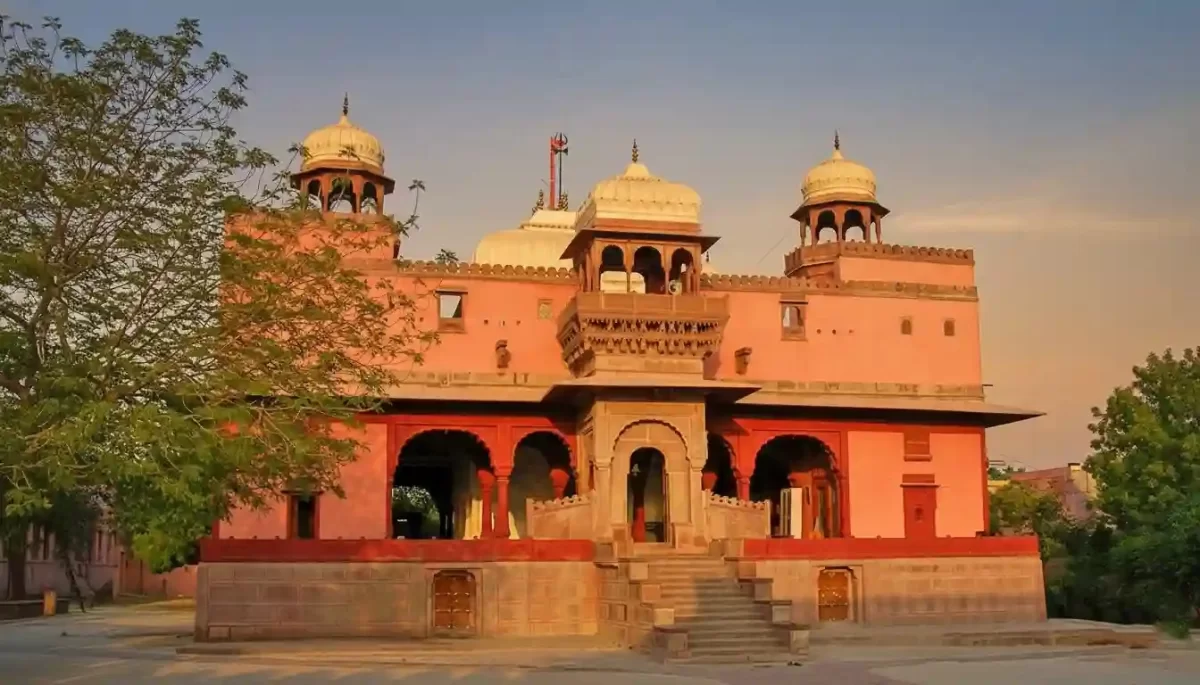
Historically, the temple has been closely associated with the royal patronage of Bikaner’s rulers, who supported its maintenance and religious activities. Its architectural style reflects traditional Rajasthani temple design, with intricately carved stone elements and a sacred inner sanctum that has been preserved through generations.
Laleshwar Mahadev Mandir has long been a focal point for spiritual gatherings and religious festivals, especially Maha Shivaratri, when devotees from across the region visit to offer prayers. Today, the temple stands as a symbol of Bikaner’s spiritual legacy and its enduring devotion to Lord Shiva.
Best Time to Visit Laleshwar Mahadev Mandir (Shiv Bari) Bikaner
Visiting Laleshwar Mahadev Mandir (Shiv Bari) in Bikaner is most comfortable when the desert climate is mild, allowing devotees to participate in prayers and explore the temple complex peacefully without weather-related discomfort.
The months from October to March are ideal for visiting, as Bikaner experiences pleasant winter weather during this period. Cooler temperatures make it suitable for temple visits, spiritual activities, and sightseeing around the city without the harsh effects of heat.
Summer months from April to June are extremely hot in Bikaner, with daytime temperatures often becoming intense. If visiting during this season, early morning or late evening visits are strongly recommended to avoid peak heat and ensure a comfortable darshan experience.
Monsoon season from July to September brings light to moderate rainfall and slightly reduced temperatures. While humidity may increase, this period sees fewer visitors, offering a calmer and less crowded temple experience for those comfortable with occasional showers.
- October to March for pleasant weather and comfortable temple visits
- November to February for the best overall spiritual experience
- April to June suitable only for early morning or evening visits due to extreme heat
- July to September for fewer crowds and a quieter atmosphere
- Early mornings are ideal for peaceful prayers and rituals
How to Reach Laleshwar Mahadev Mandir (Shiv Bari), Bikaner
- By Air: The nearest airport is Nal Airport, Bikaner, located approximately 15 km from Laleshwar Mahadev Mandir. Visitors can hire taxis or app-based cabs from the airport for a direct and comfortable transfer.
- By Train: Bikaner Junction Railway Station is well connected to major cities such as Delhi, Jaipur, Jodhpur, and Kolkata. From the station, auto-rickshaws and taxis are easily available to reach Shiv Bari Temple.
- By Road: Bikaner is connected via NH62 and state highways to major cities in Rajasthan. Regular buses, private taxis, and self-drive vehicles make road travel convenient. The temple is located within city limits and is easily accessible by road.
- Local Transport: Within Bikaner, auto-rickshaws, taxis, and app-based ride services provide easy access to Laleshwar Mahadev Mandir. Short distances and clear roads ensure smooth last-mile connectivity.
What to Expect When You Visit Laleshwar Mahadev Mandir (Shiv Bari) Bikaner
- Immersive surroundings that reflect the true natural, cultural, or spiritual character of the destination, offering a peaceful and enriching travel experience.
- Well-maintained visitor pathways and accessible viewing points designed to provide comfortable exploration while preserving the authenticity of the location.
- Opportunities to engage with local traditions, regional architecture, or natural landscapes, allowing travelers to gain deeper cultural understanding.
- Scenic photo spots and panoramic viewpoints that highlight the area’s unique beauty throughout different times of the day.
- Informational boards, guides, or locally available assistance that help visitors learn the historical or environmental importance of the site.
- Seasonal changes in atmosphere, crowd levels, and visual appeal, ensuring a different yet memorable experience depending on the time of visit.
- Nearby amenities such as refreshment stalls, rest areas, or small markets offering local flavors and handicrafts.
- A calm and respectful environment that allows visitors to fully absorb the significance and charm of the destination.
Important Visitor Information and Safety of Laleshwar Mahadev Mandir (Shiv Bari) Bikaner
- Crowd & Peak Hours: Footfall is higher during mornings, Mondays, festivals, and the month of Shravan. Early morning visits are quieter and suitable for peaceful darshan.
- Weather Notes: Summers in Bikaner can be extremely hot, while winters are pleasant. Midday visits during summer should be avoided due to high temperatures.
- Dress Code: Wear modest and respectful clothing appropriate for a religious site. Comfortable footwear is advised, keeping in mind shoes may need to be removed before entering the temple.
- Safety Tips: Follow temple rules, move carefully during crowded hours, keep personal belongings secure, and supervise children for a safe and respectful visit.
Photography and Viewpoints at Laleshwar Mahadev Mandir (Shiv Bari), Bikaner
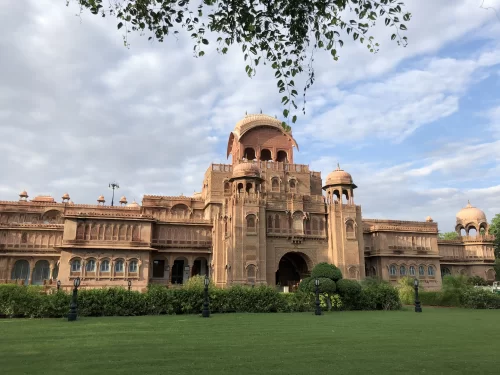
- The temple’s ornate stone architecture and detailed carvings offer excellent subjects for religious and heritage photography.
- Early morning and evening light highlight the textures and craftsmanship of the temple façade and pillars.
- Close-up shots of Shiva lingam, idols, and ritual elements capture the spiritual essence and cultural depth of the temple.
- The surrounding courtyard and open spaces allow for balanced wide-angle compositions of the temple complex.
- Festivals and special pujas provide vibrant opportunities to photograph devotional activities and traditional practices.
- Natural light and calm surroundings create clean, focused frames ideal for both architectural and spiritual photography.