+91 9910402252
admin@chalbanjare.com


| Entry Fee | Indian adult about 50 rupees per person, foreign adult about 200 rupees per person, safari and guide charges are extra |
|---|---|
| Timings | Open daily from 7 00 AM to 5 30 PM for visitors |
| Altitude (m) | Terrain ranges approximately from 500 meters to 1300 meters above sea level in the Aravalli hills |
| Ideal Visit Duration | Two to four hours for wildlife safari birdwatching and nature exploration |
| Best Time of Day | Early morning or late afternoon for better wildlife movement and pleasant weather |
| Crowd Level | Low to moderate crowds, generally quieter than major national parks |
| Distance from City Centre (km) | About 85 kilometers from Udaipur city and around 45 kilometers from Rajsamand town |
| Walking Difficulty | Moderate walking difficulty with forest trails uneven terrain and gentle slopes |
| Parking Available | Yes parking available near sanctuary entry points and safari zones |
| Last Mile Access | Taxi private vehicle or local transport available up to sanctuary gates and safari points |
| Suitable for Kids | Yes suitable for kids with supervision especially during jeep safari |
| Suitable for Seniors | Moderate for seniors, jeep safari recommended instead of long walks |
| Wheelchair Friendly | No not wheelchair friendly due to forest terrain and lack of paved access |
Atmosphere at Kumbhalgarh Wildlife Sanctuary is wild, peaceful, and refreshingly natural, spread across the rugged terrain of the Aravalli range. Dense forests, rocky hills, and quiet trails create an immersive environment where visitors can truly disconnect from urban life and experience Rajasthan’s raw wilderness.
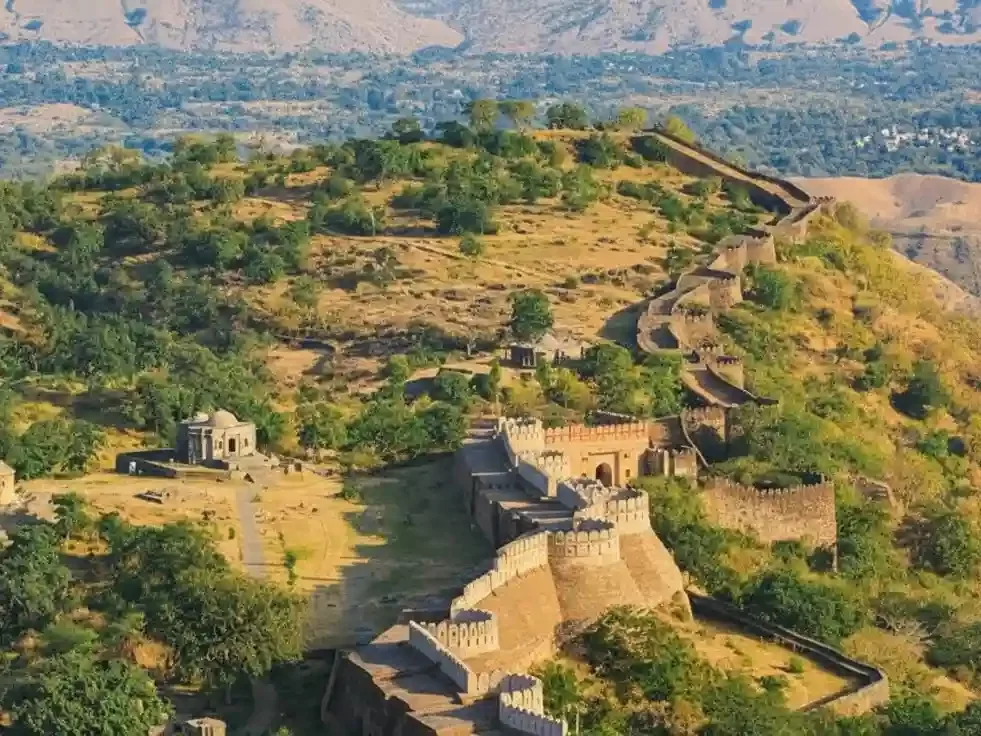
What makes Kumbhalgarh Wildlife Sanctuary special is its unique combination of natural biodiversity and historic surroundings. The sanctuary is home to animals such as leopards, sloth bears, wolves, deer, and a wide variety of bird species. Visitors can explore the sanctuary through jeep safaris, nature walks, and trekking routes, all while enjoying scenic views of the surrounding hills and the nearby Kumbhalgarh Fort, which adds a dramatic backdrop to the wildlife experience.
Beyond its ecological appeal, Kumbhalgarh Wildlife Sanctuary holds conservation and educational significance, preserving flora and fauna of the Aravalli ecosystem. It attracts wildlife enthusiasts, bird watchers, photographers, and adventure seekers looking for a quiet yet enriching nature experience. The holistic visit leaves visitors with lasting impressions of Rajasthan’s wilderness, biodiversity, and scenic landscapes.
Kumbhalgarh Wildlife Sanctuary, located in the Rajsamand district of Rajasthan, was established in 1971 to protect the forested ecosystem of the Aravalli range surrounding the historic Kumbhalgarh Fort. The sanctuary forms an important natural buffer around the fort and preserves the region’s diverse flora and fauna.
Historically, the forests of Kumbhalgarh served as hunting grounds for the rulers of Mewar and provided natural protection to the fort due to their rugged terrain. Over time, recognition of the area’s ecological value led to its declaration as a wildlife sanctuary, marking a shift from royal use to conservation.
Today, Kumbhalgarh Wildlife Sanctuary is home to species such as leopards, sloth bears, wolves, hyenas, and a variety of birds. It plays a vital role in biodiversity conservation and eco-tourism, offering visitors an opportunity to explore Rajasthan’s natural heritage alongside its historic landscape.
Visiting Kumbhalgarh Wildlife Sanctuary in Rajsamand is most enjoyable when the weather is comfortable, allowing visitors to explore forest trails, enjoy safaris, and observe wildlife without extreme heat.
The months from October to March are ideal for visiting, as the region experiences pleasant winter weather with cool mornings and mild daytime temperatures. This period is perfect for wildlife sightings, birdwatching, and nature walks through the sanctuary’s rugged terrain.
Spring months from March to early April remain suitable, though temperatures gradually rise. Early morning or late afternoon visits are recommended to avoid warmer hours while increasing chances of spotting animals.
Summer season from May to September brings higher temperatures, and monsoon months add lush greenery to the sanctuary. While the landscape becomes vibrant, heat and occasional rain may affect comfort, trail conditions, and wildlife visibility during peak summer days.
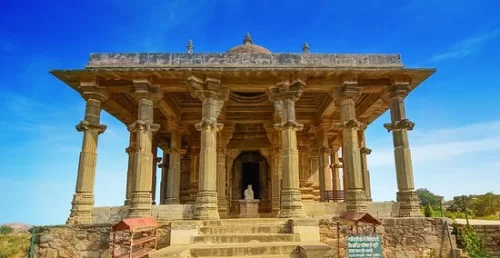 Fort
Fort
Gole Rao Temple is a Jain temple located near Kumbhalgarh Fort in Rajsamand district, Rajasthan, India.
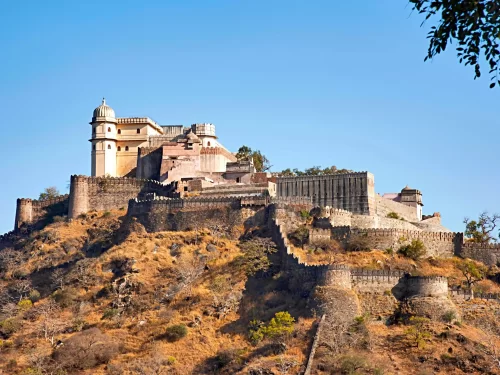 Palace
Badal Mahal, or the Palace of Clouds, is the highest point of the Kumbhalgarh Fort complex and was built by Maharana Fateh Singh in the 19th century.
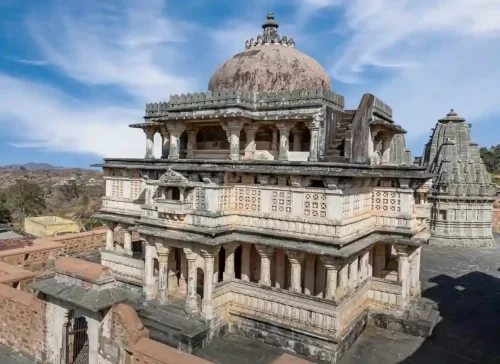 Temple
Vedi Temple is a three-story sacrificial ritual structure built by Rana Kumbha in 1458 to commemorate the completion of the Kumbhalgarh Fort.
Get customized Rajasthan tour planning designed around desert climate comfort, long-distance road travel flow, heritage exploration time, and realistic pacing between regions. Whether you are visiting for fort architecture, palace heritage, cultural exper
⚡ Quick Response | 💰 Free consultation | 🕒 24×7 expert support