Quick Facts About Kolayat Lake
Quick Facts About Kolayat Lake Bikaner
| Entry Fee | No entry fee to visit Kolayat Lake and the ghats |
|---|---|
| Timings | Accessible daily throughout the day, best visited between 6 00 AM and 7 00 PM |
| Altitude (m) | Located at approximately 220 meters above sea level in the desert region of Bikaner district |
| Ideal Visit Duration | One to two hours for lakeside walk temple visits and peaceful surroundings |
| Best Time of Day | Early morning or evening for calm atmosphere and pleasant weather |
| Crowd Level | Low to moderate crowds on normal days, high during Kartik Purnima and religious fairs |
| Distance from City Centre (km) | About 50 kilometers from Bikaner city centre |
| Walking Difficulty | Low walking difficulty with flat paths around the lake and temple ghats |
| Parking Available | Yes parking available near the lake and temple area for cars and buses |
| Last Mile Access | Taxi private vehicle or local buses available from Bikaner to Kolayat town |
| Suitable for Kids | Yes suitable for kids with supervision near water and temple steps |
| Suitable for Seniors | Yes suitable for seniors with easy walking areas and resting spots |
| Wheelchair Friendly | Partially wheelchair friendly near main ghats but uneven surfaces exist in some areas |
Why Visit Kolayat Lake, Bikaner
Atmosphere at Kolayat Lake is peaceful, spiritual, and naturally serene, offering visitors a calm retreat surrounded by temples, ghats, and open desert landscapes. The quiet waters of the lake, combined with devotional activities and gentle breezes, create a soothing environment ideal for relaxation and reflection.
What makes Kolayat Lake special is its strong religious significance and scenic setting. Associated with the sage Kapil Muni, the lake is surrounded by numerous temples and ghats where pilgrims perform rituals, especially during fairs and festivals. Visitors can enjoy serene walks along the ghats, observe traditional ceremonies, and witness migratory birds during winter months, adding a natural charm to the spiritual atmosphere.
Beyond its spiritual appeal, Kolayat Lake holds cultural and historical importance in the Bikaner region. It attracts pilgrims, photographers, bird watchers, and travelers seeking a blend of devotion, heritage, and calm natural beauty. The holistic visit leaves visitors with lasting impressions of tranquility, cultural depth, and the serene desert landscape of Rajasthan.
History of Kolayat Lake, Bikaner
Kolayat Lake, located near Bikaner in Rajasthan, is an ancient sacred water body with deep historical and religious significance. The lake is believed to have been associated with the sage Kapil Muni, who is said to have meditated in this region, giving the area its historical prominence.
Historically, Kolayat Lake functioned as an important pilgrimage site, surrounded by temples, ghats, and cenotaphs built by Rajput rulers and wealthy patrons over centuries. The lake also played a crucial role in water conservation for nearby settlements in the arid desert landscape.
Today, Kolayat Lake remains a major spiritual and cultural landmark, especially during the annual Kapil Muni Fair, when devotees gather to perform ritual baths and prayers. It reflects the blend of religious tradition, historical continuity, and desert water management practices of the Bikaner region.
Best Time to Visit Kolayat Lake Bikaner
Visiting Kolayat Lake in Bikaner is most enjoyable when the weather is pleasant, allowing visitors to explore the lakeside, nearby temples, and ghats comfortably without the discomfort of extreme desert heat.
The months from October to March are ideal for visiting, as Bikaner experiences cool and comfortable winter weather. This period is perfect for sightseeing, religious visits, lakeside walks, and enjoying the serene atmosphere around the sacred lake.
Spring months from March to early April are still suitable, though temperatures begin to rise gradually. Early morning or late afternoon visits are recommended to enjoy the calm surroundings and avoid warmer daytime hours.
Summer season from May to September brings intense desert heat, making outdoor exploration uncomfortable. While monsoon months may bring slight relief and occasional greenery, most travelers prefer avoiding this period due to high temperatures.
- October to March for pleasant weather and comfortable lakeside visits
- March to early April for peaceful mornings before peak summer heat
- May to September best avoided due to extreme desert temperatures
- Early mornings offer a calm atmosphere and better light for photography
- Winter months are ideal for religious visits and local sightseeing
How to Reach Kolayat Lake, Bikaner
- By Air: The nearest airport is Nal Airport, Bikaner, approximately 55 km from Kolayat Lake. Visitors can hire taxis or private cabs from the airport for a comfortable journey to the lake.
- By Train: Bikaner Junction Railway Station is the closest major railhead, well connected with Delhi, Jaipur, Jodhpur, and other cities. From the station, taxis and private vehicles are commonly used to reach Kolayat Lake.
- By Road: Kolayat Lake is accessible via well-maintained state highways from Bikaner. Regular buses, private taxis, and self-drive vehicles make road travel convenient through the desert landscape.
- Local Transport: Public transport options are limited near the lake, so hiring a private taxi from Bikaner is the most reliable way to reach and explore the Kolayat Lake area comfortably.
What to Expect When You Visit Kolayat Lake Bikaner
- Immersive surroundings that reflect the true natural, cultural, or spiritual character of the destination, offering a peaceful and enriching travel experience.
- Well-maintained visitor pathways and accessible viewing points designed to provide comfortable exploration while preserving the authenticity of the location.
- Opportunities to engage with local traditions, regional architecture, or natural landscapes, allowing travelers to gain deeper cultural understanding.
- Scenic photo spots and panoramic viewpoints that highlight the area’s unique beauty throughout different times of the day.
- Informational boards, guides, or locally available assistance that help visitors learn the historical or environmental importance of the site.
- Seasonal changes in atmosphere, crowd levels, and visual appeal, ensuring a different yet memorable experience depending on the time of visit.
- Nearby amenities such as refreshment stalls, rest areas, or small markets offering local flavors and handicrafts.
- A calm and respectful environment that allows visitors to fully absorb the significance and charm of the destination.
Important Visitor Information and Safety of Kolayat Lake Bikaner
- Crowd & Peak Hours: Expect higher visitor numbers during religious festivals, weekends, and late mornings to afternoons. Early morning visits are quieter and ideal for a peaceful experience.
- Weather Notes: Summers can be extremely hot, while winters are cool and pleasant. Afternoon visits in peak summer may feel uncomfortable due to heat.
- Dress Code: Wear comfortable walking shoes and light, breathable clothing suitable for lakeside walks. Modest attire is recommended during religious gatherings.
- Safety Tips: Stay away from deep water edges, supervise children closely, keep personal belongings secure in crowded times, and follow local guidelines for a safe visit.
Photography and Viewpoints at Kolayat Lake, Bikaner
- The expansive sacred lake offers serene landscape compositions with wide water surfaces and open desert skies.
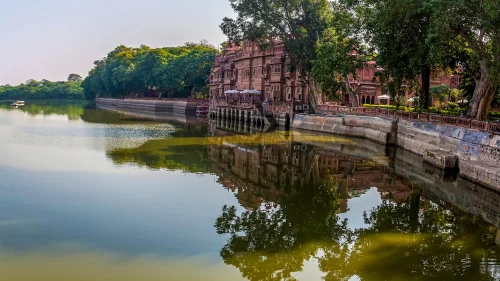
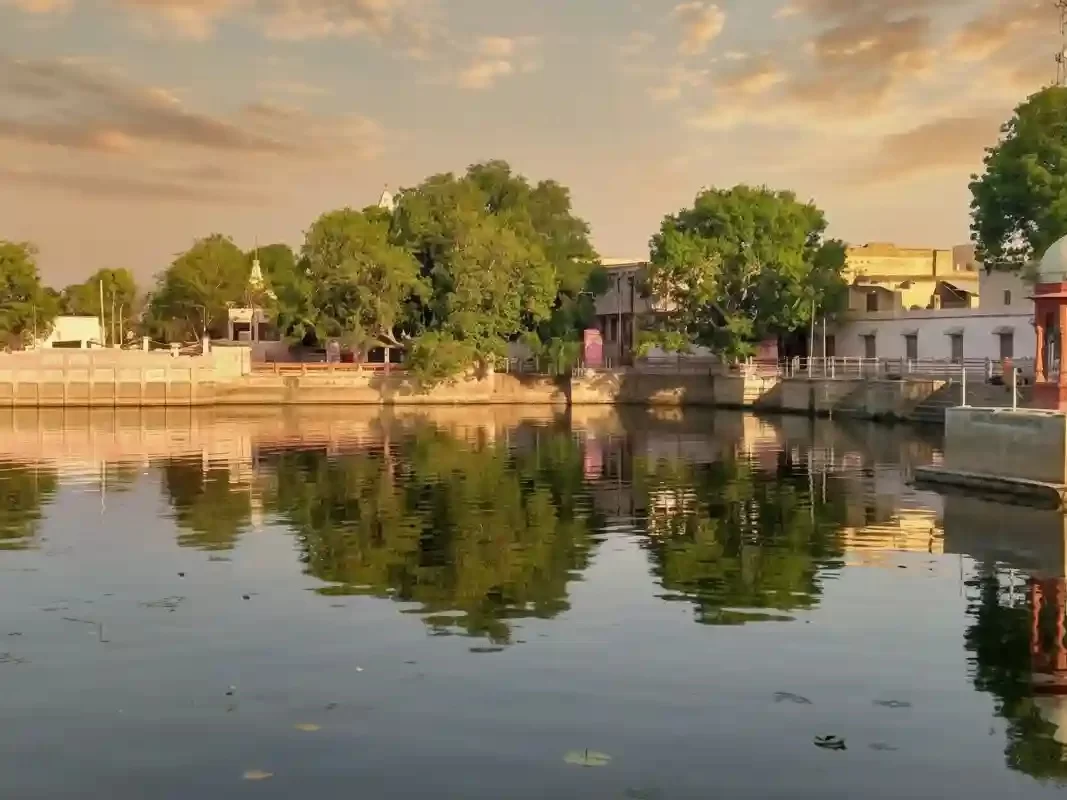
- Reflections of surrounding temples, ghats, and clouds create visually striking mirror-like photographs, especially during calm conditions.
- Sunrise and sunset lighting casts warm hues over the lake, producing dramatic and atmospheric images.
- Wide-angle shots capture the scale of the lake along with pilgrims and architectural elements along the ghats.
- Birdlife around the lake provides additional opportunities for wildlife and nature photography.
- Festivals and ritual activities around the lake add cultural depth and storytelling elements to photographs.