Quick Facts About Karni Mata Temple
Quick Facts: Karni Mata Temple, Deshnoke, Rajasthan
| Entry Fee | No entry fee |
| Timings | 5:00 AM – 12:00 PM and 4:00 PM – 9:00 PM |
| Altitude (m) | Approx. 225 m |
| Ideal Visit Duration | 30–60 minutes |
| Best Time of Day | Morning or evening for rituals and cooler temperatures |
| Crowd Level | Moderate to high, especially during festivals |
| Distance from City Centre (km) | Approx. 30 km from Bikaner city center |
| Walking Difficulty | Easy to moderate, some steps inside temple |
| Parking Available | Yes, limited parking near the temple entrance |
| Last Mile Access | Narrow streets leading to temple; accessible by foot from parking areas |
| Suitable for Kids | Yes, but supervise around rats |
| Suitable for Seniors | Yes, but uneven floors and steps require caution |
| Wheelchair Friendly | No, due to steps and narrow lanes |
Why Visit Karni Mata Temple, Deshnoke, Rajasthan
Visitors come to Karni Mata Temple to observe its unique religious practice of worshipping thousands of resident rats, considered sacred by devotees.
The temple has an active, bustling atmosphere with daily rituals, devotees offering food to rats, and the movement of people navigating the inner courtyard.
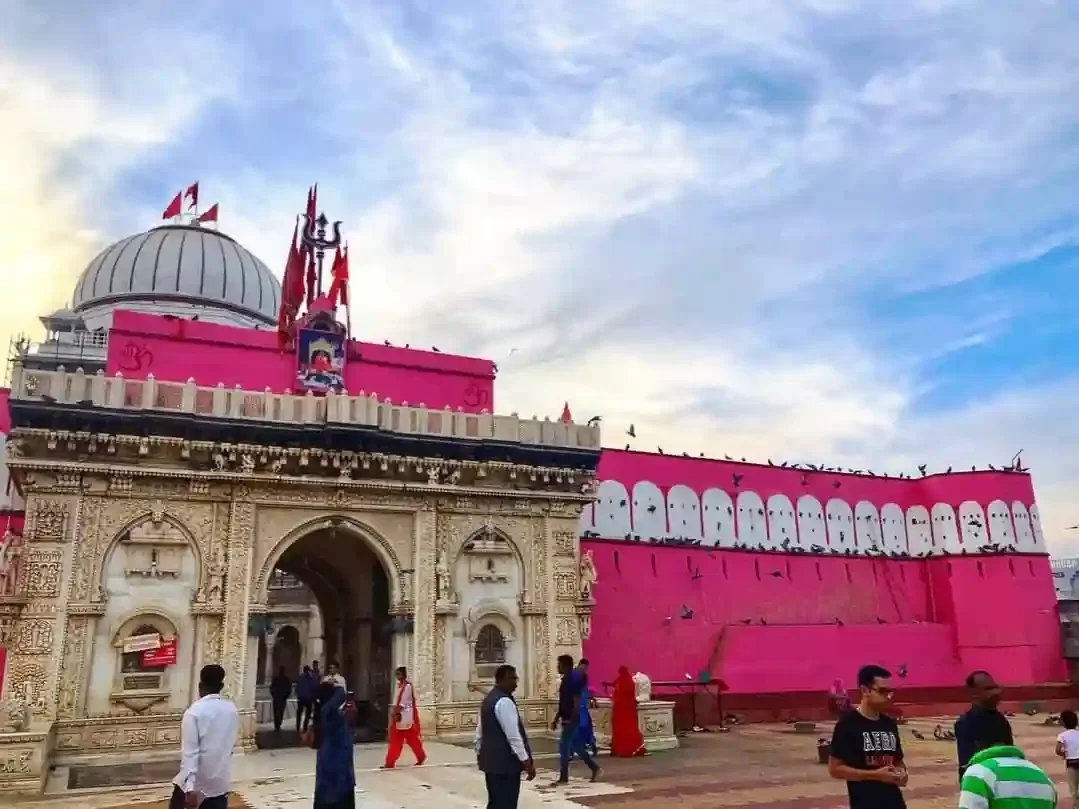
What makes this temple distinct is the coexistence of humans and sacred rats in a single space, along with the intricately carved marble and silver interiors that complement the unusual cultural experience.
History of Karni Mata Temple, Deshnoke, Rajasthan
Karni Mata Temple was established in the late 14th century in Deshnoke, dedicated to the Hindu goddess Karni Mata, an incarnation of Goddess Durga.
The temple is culturally significant for the local Rajput and Charan communities, who consider the resident rats as sacred and integral to the temple rituals.
Over the centuries, the temple has been expanded and adorned with marble, silver, and intricate carvings, reflecting the devotion and patronage of regional rulers and merchants.
Best Time to Visit Karni Mata Temple, Deshnoke, Rajasthan
The temple is most comfortable to visit during cooler months when walking through the temple courtyard and surrounding lanes is easier.
- Ideal months: October to March
- Weather conditions: Mild temperatures suitable for walking and observing rituals
- Periods to avoid: April to June due to extreme desert heat; monsoon months July to September can make surrounding lanes slippery
How to Reach Karni Mata Temple, Deshnoke, Rajasthan
- Nearest airport: Nal Airport, Bikaner (approx. 30 km); limited flights, taxis available on arrival.
- Nearest railway station: Deshnoke Railway Station (approx. 1 km); accessible by auto-rickshaw or on foot.
- Road access: Connected by paved roads from Bikaner; last-mile access involves walking through narrow streets near the temple entrance.
What to Expect When You Visit Karni Mata Temple, Deshnoke, Rajasthan
- Environment: Busy temple courtyard with large numbers of resident rats and active devotees; narrow lanes around the temple.
- Facilities: Limited amenities; no formal seating, restrooms, or visitor services inside the temple complex.
- Accessibility: Some steps and uneven flooring inside the temple; final access requires walking through narrow streets from parking areas.
- Visitor conditions: Visitors should maintain respectful behavior, observe temple rules, and supervise children around the rats.
Important Visitor Information for Karni Mata Temple, Deshnoke, Rajasthan
- Crowds are moderate to high, especially during mornings, evenings, and festival days.
- Quiet visiting hours are late morning and mid-afternoon; avoid midday summer heat when walking outside.
- Modest clothing is recommended; shoes must be removed before entering the temple.
- Exercise caution around rats, uneven floors, and steps; supervise children closely.
Photography and Viewpoints at Karni Mata Temple, Deshnoke, Rajasthan
- Best angles are from the entrance courtyard to capture the temple façade and the activity of resident rats in the foreground.
- Morning and late afternoon provide softer natural light for exterior and courtyard photography.
- Photography inside the temple is restricted in some areas; always follow instructions from temple staff.
- High visitor numbers during rituals and festivals can limit unobstructed views, so plan visits during quieter hours for better shots.