Junagarh Fort, Bikaner, Rajasthan, India

Junagarh Fort , Bikaner
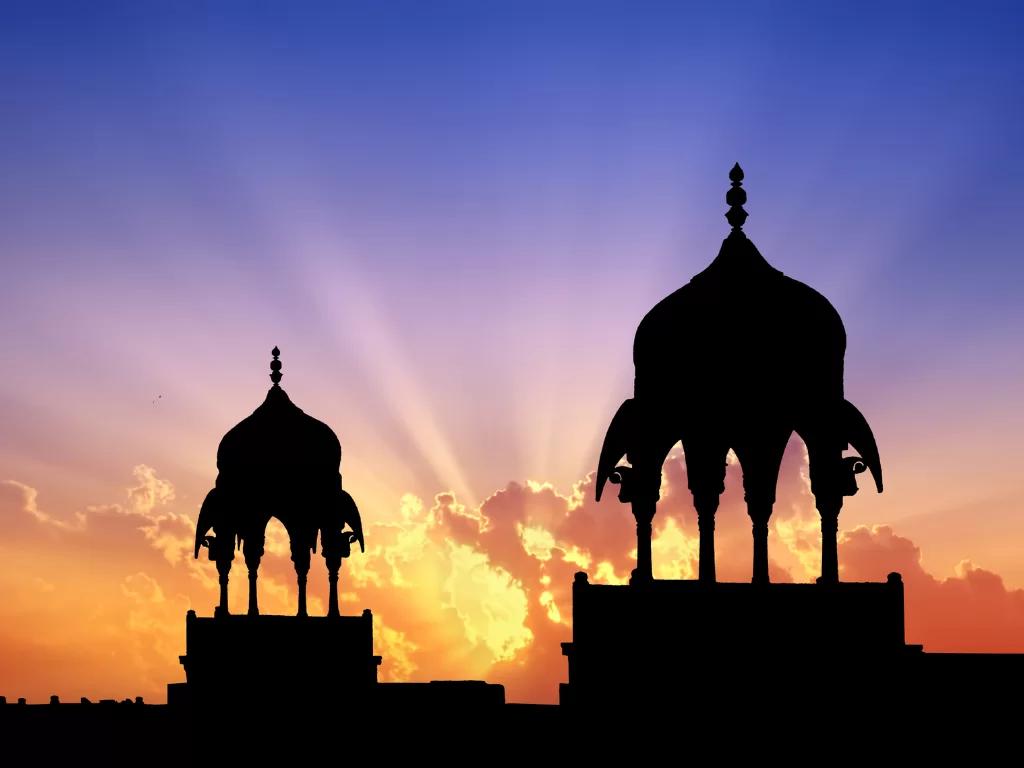
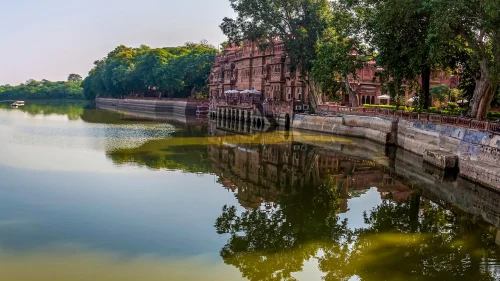
Visitors come to see its intact palaces, courtyards, temples, and museums within a fortified complex in the city center. The fort is known for detailed interiors, carved balconies, painted halls, and historical weapon and artifact collections.

Quick Facts About Junagarh Fort

Junagarh Fort Quick Facts

Entry Fee 50 (Indians), 300 (Foreign nationals); camera fee may apply
Timings 10:00 am – 4:30 pm daily
Altitude (m) ≈225 m
Ideal Visit Duration 1.5–2 hours
Best Time of Day Late morning to early afternoon for full palace access and indoor lighting
Crowd Level Moderate; higher on weekends and winter tourist season
Distance from City Centre (km) ≈1 km from Bikaner Railway Station area
Walking Difficulty Moderate; includes staircases and uneven stone flooring
Parking Available Yes, near the main entrance
Last Mile Access Auto-rickshaws, taxis, and walking from nearby hotels
Suitable for Kids Yes, with supervision on stairs and ramparts
Suitable for Seniors Partially; seating areas available but many stairs inside palaces
Wheelchair Friendly No; multiple staircases and narrow doorways

Why Visit Junagarh Fort

Visitors come to Junagarh Fort to explore its intact palace complexes, richly decorated halls, courtyards, and museum galleries showcasing royal artifacts and arms.

The on-ground atmosphere is structured and calm, with clearly marked routes, shaded interiors, and quieter sections away from the main courtyards.

What sets Junagarh Fort apart is that it was never built on a hill, yet remains one of Rajasthan’s most well-preserved and architecturally detailed forts.

History of Junagarh Fort

Junagarh Fort was constructed in 1589–1594 by Raja Rai Singh, a general in the Mughal army, and served as the seat of the Bikaner rulers for centuries.

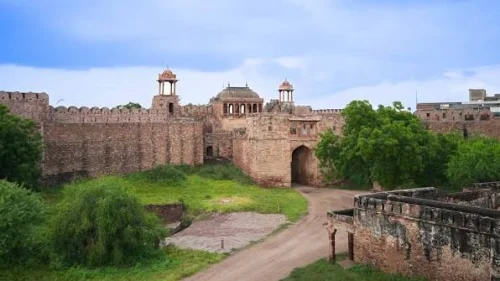
Unlike most forts in Rajasthan, it was built on the plains rather than a hilltop, relying on massive walls and moats for defense.

The complex expanded over time, with successive rulers adding palaces, courtyards, and halls that reflect changing architectural styles and royal functions.

Best Time to Visit Junagarh Fort

Junagarh Fort is most comfortable to explore during the cooler months when outdoor courtyards and long interior walks are manageable without heat stress.
  • Ideal months:October to March, when daytime temperatures remain suitable for extended fort exploration.
  • Weather during best season:Dry, mild winters with clear skies, allowing comfortable movement through open courtyards and rooftop areas.
  • Periods to avoid:April to September, especially May–June, due to extreme heat in Bikaner that makes walking the fort tiring.

How to Reach Junagarh Fort

  • Nearest airport:Bikaner Airport (Nal), about 15 km away; limited commercial flight connectivity, mainly seasonal or via Jaipur/Delhi.
  • Nearest railway station:Bikaner Junction, approximately 2 km from the fort, well connected by trains from Delhi, Jaipur, Jodhpur, and other major cities.
  • Road access and last-mile connectivity:Located inside Bikaner city near the old market area; easily reachable by auto-rickshaw, taxi, or private vehicle, with parking available near the main entrance.

What to Expect When You Visit Junagarh Fort

  • Urban surroundings with busy local markets outside the fort walls; interiors are quieter and mostly shaded by courtyards and corridors.
  • Facilities include ticket counters, basic restrooms, drinking water points, and small souvenir stalls inside the complex.
  • Movement involves walking across uneven stone floors, staircases, and narrow passages; several areas require climbing steps.
  • Visitors are typically independent tourists and school groups; mid-morning and early afternoon can feel crowded during peak season.

Important Visitor Information for Junagarh Fort

  • Peak crowd hours are typically 11:00 am to 3:00 pm, especially during October to March and on weekends.
  • Summer temperatures in Bikaner (April to June) can exceed 40°C, making early morning visits more comfortable.
  • No formal dress code is enforced, but modest clothing is recommended due to the presence of temples within the fort complex.
  • Stone steps, uneven flooring, and low doorways require attention while walking; some upper sections have limited railing.

Photography and Viewpoints at Junagarh Fort

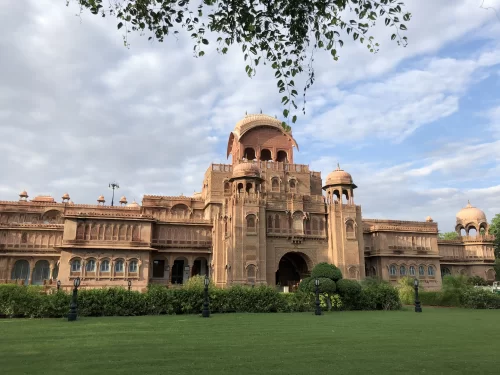
  • Best exterior shots are from the main entrance courtyard and the approach road, capturing the fort’s layered sandstone façades.
  • Interior photography is strongest in Anup Mahal and Gaj Mandir, where stained glass and gold leaf details photograph well in mid-morning light.
  • Photography is permitted in most areas, but some museum galleries require an additional camera fee and restrict tripods.
  • Courtyards become crowded between 11:00 am and 2:00 pm, making early morning visits better for unobstructed compositions.

Near By Attraction

Prachina Museum Bikaner Cultural museum inside Junagarh Fort showcasing royal Bikaner heritage through costumes and art Rajasthan. Museum

Prachina Museum

Prachina Museum is a private museum in Bikaner showcasing a collection of artifacts, including sculptures, coins, and manuscripts from Rajasthan’s history.

Karni Mata Temple Bikaner Famous Deshnoke rat temple with ornate silver doors and thousands of sacred black rats Rajasthan. Temple

Karni Mata Temple

Karni Mata Temple is a Hindu shrine in Deshnoke, near Bikaner, known for its large population of resident rats worshipped by devotees.

Seth Bhandashah Jain Temple Bikaner Ornate three-story 15th-century white marble and red sandstone shrine featuring vibrant gold-leaf murals and mirror work Rajasthan. Temple

Seth Bhandashah Jain Temple

Seth Bhandashah Jain Temple is a 15th-century Jain temple dedicated to Sumatinath, located inside Bikaner’s old city.

Frequently Asked Questions About Junagarh Fort

Junagarh Fort is located in Bikaner and is easily accessible by road from the city center.
Junagarh Fort is generally open from morning to evening, and visitors should confirm updated timings before arrival.
The entry fee for Junagarh Fort varies for domestic and international visitors, with separate charges for camera use.
The best time to visit Junagarh Fort is between October and March when the weather is pleasant for sightseeing.
Travelers can reach Junagarh Fort by taxi, auto rickshaw, or private vehicle from Bikaner railway station or bus stand.
Most visitors spend around 2 to 3 hours exploring Junagarh Fort including its palaces, courtyards, and museum sections.
Photography is allowed in many areas of Junagarh Fort, though certain sections may have restrictions.
Visitors can see ornate palaces, decorated halls, royal artifacts, and detailed carvings inside Junagarh Fort.
Guided tours and audio guides are available at Junagarh Fort to help visitors understand its architecture and exhibits.
Junagarh Fort can easily be included in a one day sightseeing plan along with other major attractions in the city.

Loved this place ? Let’s Plan Your Rajasthan Trip

Get customized Rajasthan tour planning designed around desert climate comfort, long-distance road travel flow, heritage exploration time, and realistic pacing between regions. Whether you are visiting for fort architecture, palace heritage, cultural exper

⚡ Quick Response | 💰 Free consultation | 🕒 24×7 expert support

×

Plan Your Trip