+91 9910402252
admin@chalbanjare.com


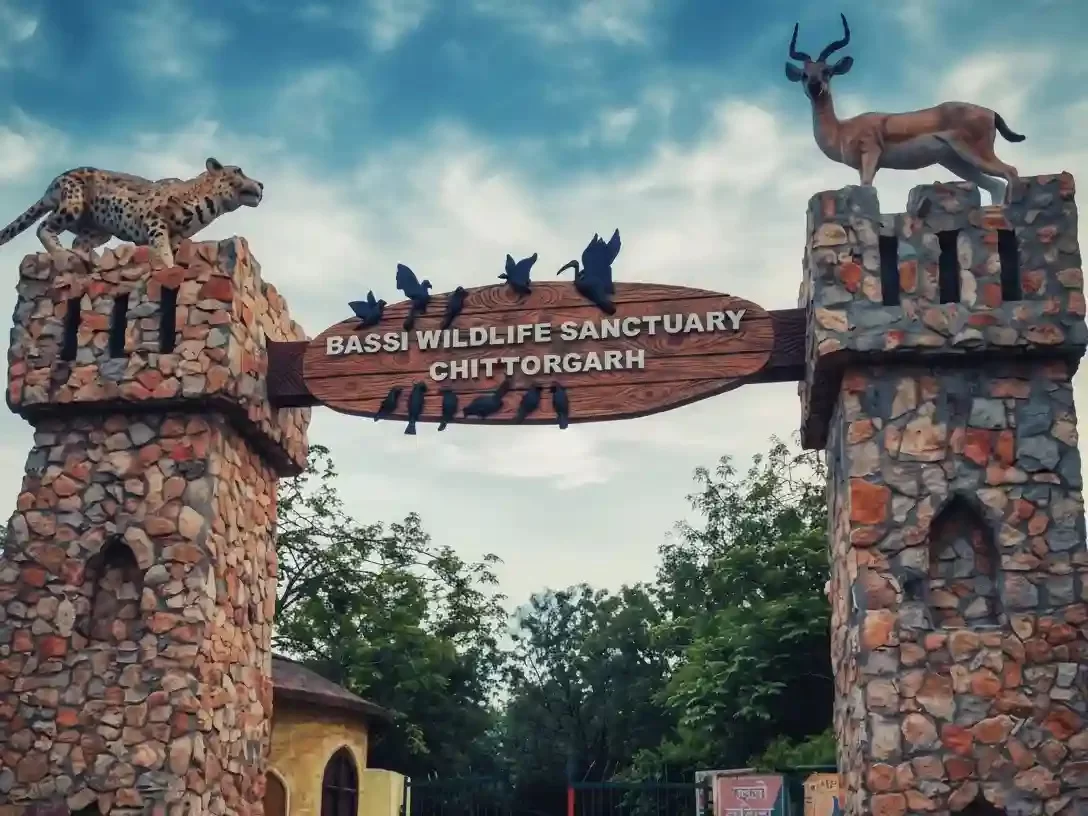
| Entry Fee | Indian adult about 50 rupees per person, foreign adult about 200 rupees per person, camera charges may apply separately |
|---|---|
| Timings | Open daily from 6 00 AM to 6 00 PM for visitors |
| Altitude (m) | Located at approximately 350 meters above sea level in the Aravalli region |
| Ideal Visit Duration | Two to three hours for wildlife viewing nature walks and birdwatching |
| Best Time of Day | Early morning or late afternoon for better wildlife activity and cooler weather |
| Crowd Level | Low to moderate crowds, generally quieter compared to major national parks |
| Distance from City Centre (km) | About 25 kilometers from Chittorgarh city centre |
| Walking Difficulty | Moderate walking difficulty with forest trails and uneven natural terrain |
| Parking Available | Yes parking available near the sanctuary entrance area |
| Last Mile Access | Taxi private vehicle or local transport available from Chittorgarh to sanctuary gate |
| Suitable for Kids | Yes suitable for kids with supervision during forest walks |
| Suitable for Seniors | Moderate for seniors as walking on forest paths may be tiring |
| Wheelchair Friendly | No not wheelchair friendly due to forest trails and uneven ground |
Atmosphere at Wildlife Sanctuary Bassi is calm, natural, and refreshingly untouched, offering visitors a peaceful escape into the forests and grasslands of southeastern Rajasthan. The quiet surroundings, fresh air, and gentle sounds of wildlife create an immersive environment ideal for nature lovers and travelers seeking solitude away from busy tourist circuits.
What makes Wildlife Sanctuary Bassi special is its diverse landscape of dry deciduous forests, open grasslands, and water bodies that support a wide variety of flora and fauna. Visitors can spot animals such as panthers, wild boars, deer, and numerous bird species while exploring the sanctuary through nature walks and safaris. The sanctuary also houses the historic Bassi Fort ruins, adding a layer of heritage charm to the natural experience and making the visit both scenic and culturally engaging.
Beyond its ecological appeal, Wildlife Sanctuary Bassi holds conservation and educational significance by preserving native wildlife habitats and promoting environmental awareness. It attracts wildlife enthusiasts, bird watchers, photographers, and travelers seeking a quiet and meaningful nature experience. The holistic visit leaves visitors with lasting impressions of Rajasthan’s lesser-known wilderness and tranquil natural beauty.
Bassi Wildlife Sanctuary, located near Chittorgarh in Rajasthan, was established in 1988 to protect the region’s forest ecosystem and native wildlife. Spread across the foothills of the Aravalli range, the sanctuary was developed as part of Rajasthan’s efforts to conserve biodiversity and preserve natural habitats close to historic Chittorgarh.
Historically, the area surrounding Bassi was used by local communities for grazing and small-scale agriculture, with the forests also serving as hunting grounds during the princely era. The declaration of the sanctuary marked a shift from resource use to conservation, ensuring protection for species such as panthers, wild boar, chinkara, jackals, and a variety of birds.
Today, Bassi Wildlife Sanctuary functions as an important ecological zone and a destination for nature lovers and wildlife enthusiasts. It reflects the growing awareness of environmental preservation in Rajasthan while offering visitors a chance to experience the natural landscape of the Chittorgarh region.
Visiting Wildlife Sanctuary Bassi near Chittorgarh is most enjoyable when the weather is comfortable, allowing visitors to explore forest trails, observe wildlife, and enjoy nature without extreme heat.
The months from October to March are ideal for visiting, as the region experiences pleasant winter weather with cool mornings and mild daytime temperatures. This period is perfect for wildlife sightings, nature walks, and birdwatching.
Spring months from March to early April remain suitable, though temperatures gradually rise. Early morning or late afternoon visits are recommended to avoid warmer hours while increasing chances of spotting animals.
Summer season from May to September brings high temperatures, making daytime exploration uncomfortable. Monsoon months add greenery and water sources but may limit accessibility and wildlife visibility due to dense foliage and slippery trails.
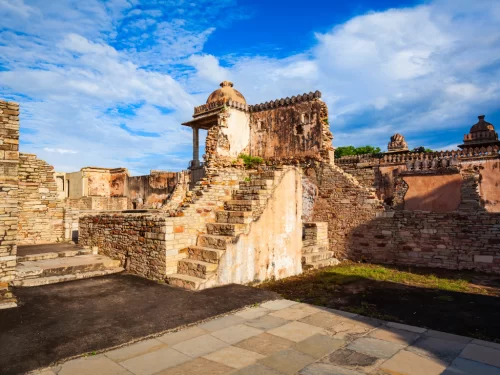 Fort
Fort
Chittorgarh Fort is a 7th-century hill fortress and UNESCO World Heritage site extending across 700 acres on a 180-meter high rocky plateau.
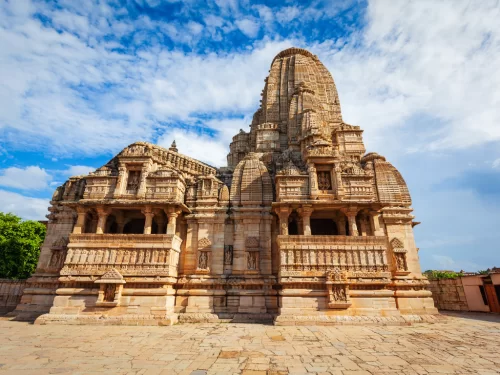 Temple
Kalika Mata Temple is an 8th-century Hindu temple originally built as a Sun Temple before being converted to honor the goddess Kali in the 14th century.
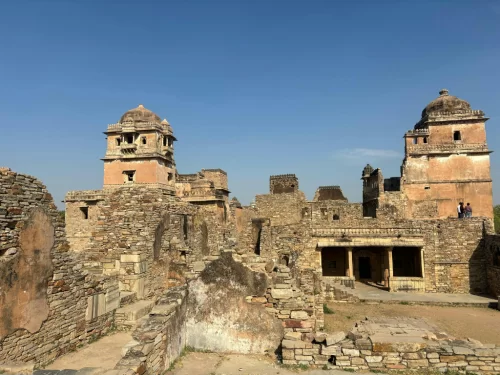 Palace
Rana Kumbha Palace is a 15th-century ruined royal residence and the oldest standing structure within the UNESCO-listed Chittorgarh Fort complex.
Get customized Rajasthan tour planning designed around desert climate comfort, long-distance road travel flow, heritage exploration time, and realistic pacing between regions. Whether you are visiting for fort architecture, palace heritage, cultural exper
⚡ Quick Response | 💰 Free consultation | 🕒 24×7 expert support

