Array ( [destination] => rajasthan [slug] => what-to-eat-in-rajasthan-complete-food-guide-for-tourists ) What to Eat in Rajasthan Traditional Food Guide
Homepage Banner

What to Eat in Rajasthan? A Complete Food Guide for Tourists

Rajasthan’s cuisine reflects royal traditions, desert influences, and regional flavours, offering travellers traditional dishes, sweets, snacks, and unique food experiences across the state.

About Local Food


23 Apr, 2026 By: Radhika Shekhawat

Understanding Rajasthan Food Culture and Culinary Traditions

Explore the Influence of Royal Kitchens Desert Climate and Local Ingredients

Rajasthan's food culture has evolved over centuries under the influence of royal traditions, desert geography, local agriculture, and resourceful cooking techniques. Unlike regions with abundant water and fresh produce throughout the year, Rajasthan developed recipes that could withstand the state's dry climate and limited availability of water. Many traditional dishes use ingredients such as gram flour, lentils, millet, dried beans, spices, clarified butter, and preserved vegetables because these ingredients remain suitable for storage even in hot weather. The result is a cuisine that is both practical and remarkably rich in flavour.
The royal kitchens of Jaipur, Jodhpur, Udaipur, Bikaner, and other princely states also contributed significantly to Rajasthan's culinary identity. Maharajas and royal families encouraged skilled chefs to create elaborate recipes using aromatic spices, dry fruits, dairy products, and slow-cooking methods. While royal banquets featured luxurious preparations, village households perfected simple yet nutritious meals using locally available ingredients. Today, both traditions continue to influence restaurants, heritage hotels, family homes, and cultural dining experiences across Rajasthan.
  • Desert Influence: Traditional recipes were designed to suit Rajasthan's dry climate and limited water availability.
  • Royal Heritage: Palace kitchens introduced elaborate cooking methods and premium ingredients.
  • Local Agriculture: Millet, gram flour, lentils, spices, and dairy remain central to regional cuisine.
  • Preserved Ingredients: Dried vegetables and beans became essential because of climatic conditions.
  • Traditional Cooking: Slow-cooked preparations continue to be served across Rajasthan.
  • Village Cuisine: Simple homemade recipes remain an important part of local food culture.
  • Balanced Flavours: Rajasthan combines rich royal cuisine with practical everyday meals.
Understanding the historical connection between climate, agriculture, and royal traditions helps travelers appreciate why Rajasthan's cuisine differs from other parts of India. Every meal reflects generations of adaptation, creativity, and cultural heritage that continue to shape the state's culinary identity today.

Understand Differences Between Food Styles Across Rajasthan Regions

Although Rajasthan is known for iconic dishes that are served throughout the state, regional variations create distinctly different culinary experiences from one city to another. Jaipur combines traditional Rajasthani cuisine with influences from royal kitchens and urban food culture. Jodhpur is famous for spicy snacks, rich curries, and traditional sweets, while Udaipur offers a blend of Mewar cuisine alongside lighter lakeside dining experiences. Jaisalmer reflects desert cooking traditions using preserved ingredients and simple yet flavourful recipes suited to the arid environment.
Eastern Rajasthan often features recipes prepared with fresh vegetables, whereas western desert districts rely more heavily on dried ingredients, gram flour, pulses, and dairy products. Pushkar, being an important pilgrimage town, is well known for its vegetarian cuisine, while regions surrounding Ranthambore and Kota present their own local specialties influenced by nearby agricultural communities. Travelers exploring multiple cities quickly discover that Rajasthan's cuisine is remarkably diverse despite sharing common culinary traditions.
Region Food Characteristics Popular Experiences
Jaipur Royal recipes and traditional street food Thalis, sweets, local markets
Jodhpur Spicy snacks and rich regional dishes Mirchi Vada, Makhania Lassi, traditional meals
Udaipur Mewar cuisine with lakeside dining Traditional restaurants and heritage dining
Jaisalmer Desert-inspired cooking and preserved ingredients Desert camps and local family-style meals
Exploring regional food differences adds depth to any Rajasthan itinerary. Rather than repeating the same dishes in every city, travelers can discover how local history, geography, and traditions shape unique culinary experiences across the state.

Discover How Traditional Recipes Represent Rajasthan's Culture and Heritage

Traditional Rajasthani recipes are closely connected with festivals, religious customs, family celebrations, and everyday rural life. Many dishes served today have been passed down through generations with very little change, preserving cooking methods that originated hundreds of years ago. Meals are often prepared slowly using locally sourced ingredients, allowing flavours to develop naturally while reflecting the practical lifestyle of Rajasthan's villages and royal households alike.
Food also plays a central role during weddings, harvest festivals, temple celebrations, and cultural gatherings throughout Rajasthan. Large traditional thalis showcase multiple regional preparations served together, allowing visitors to experience a wide variety of flavours within a single meal. Heritage hotels and cultural centres continue to preserve these culinary traditions by presenting authentic recipes alongside folk music, dance performances, and local hospitality.
  • Family Recipes: Many dishes continue to follow generations-old cooking traditions.
  • Festival Cuisine: Special sweets and meals are prepared during religious celebrations.
  • Traditional Thalis: Offer a complete introduction to Rajasthan's regional flavours.
  • Village Cooking: Homemade recipes remain an important cultural tradition.
  • Royal Dining: Heritage properties preserve recipes from former palace kitchens.
  • Cultural Experiences: Folk performances are often combined with traditional meals.
  • Living Heritage: Food remains one of Rajasthan's strongest cultural expressions.
Rajasthan's cuisine represents much more than local flavours. Every traditional recipe reflects the state's history, geography, royal heritage, and community traditions, making food an essential part of understanding Rajasthan's cultural identity during any visit.


Famous Traditional Rajasthani Dishes to Try

Taste Dal Baati Churma and Other Iconic Rajasthani Meals

No Rajasthan food journey is complete without tasting Dal Baati Churma, the state's most iconic traditional meal. This classic combination consists of baked wheat baatis served with flavourful mixed lentil dal and sweet churma prepared from crushed wheat, clarified butter, and sugar or jaggery. Originally developed as a practical meal for Rajasthan's dry climate, Dal Baati Churma is now served in homes, heritage hotels, local restaurants, and cultural dining venues throughout the state.
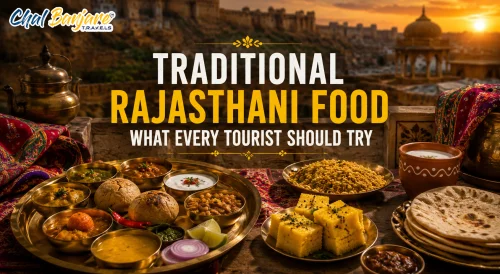
Beyond Dal Baati Churma, Rajasthan offers numerous traditional meals that highlight the state's culinary diversity. Panchmel Dal, Papad Ki Sabzi, Kadhi, Bajra Roti, and various seasonal vegetable preparations appear regularly on authentic Rajasthani menus. These dishes are typically served together in traditional thalis, allowing visitors to sample multiple flavours in one meal while experiencing the balance between spicy curries, breads, lentils, dairy, and sweets.
  • Dal Baati Churma: Rajasthan's signature traditional meal served across the state.
  • Panchmel Dal: Mixed lentil preparation rich in traditional flavours.
  • Papad Ki Sabzi: Unique curry prepared using papad and yoghurt-based gravy.
  • Kadhi: Traditional yoghurt and gram flour curry.
  • Bajra Roti: Millet bread commonly served with regional curries.
  • Traditional Thali: Offers several authentic dishes within one meal.
  • Heritage Dining: Experience classic recipes in restored palaces and havelis.
Sampling these iconic dishes provides an excellent introduction to Rajasthan's culinary traditions. Travelers visiting multiple cities will find regional variations while still recognising the authentic flavours that define the state's famous cuisine.

Explore Dishes Like Gatte Ki Sabzi Ker Sangri and Bajra Roti

Several traditional recipes illustrate how Rajasthan adapted its cuisine to the desert environment. Gatte Ki Sabzi is prepared using gram flour dumplings cooked in a rich yoghurt-based gravy, while Ker Sangri combines locally available desert berries and beans into one of Rajasthan's most distinctive vegetable dishes. Bajra Roti, made from pearl millet flour, remains a staple bread served alongside curries and traditional accompaniments throughout rural and urban Rajasthan.
These recipes are not simply restaurant specialties but remain important components of everyday meals in many households. Their popularity reflects centuries of culinary adaptation to Rajasthan's climate, where preserved ingredients, hardy grains, and dairy products became essential parts of local cooking. Travelers interested in authentic regional food should actively seek these dishes while dining in traditional restaurants or heritage properties.
Dish Main Ingredients Traditional Importance
Gatte Ki Sabzi Gram flour dumplings and yoghurt Classic everyday Rajasthani curry
Ker Sangri Desert beans and berries Traditional desert speciality
Bajra Roti Pearl millet flour Staple bread across Rajasthan
Papad Ki Sabzi Papad and yoghurt gravy Creative use of preserved ingredients
Trying these traditional recipes allows visitors to appreciate Rajasthan's culinary ingenuity and understand how local communities created flavourful meals using ingredients suited to desert life and seasonal availability.

Discover Traditional Preparations Served in Homes Restaurants and Heritage Stays

One of the best ways to experience authentic Rajasthani cuisine is by comparing meals served in different settings. Family-run restaurants often prepare recipes similar to homemade food, while heritage hotels recreate dishes once served in royal households. Village homestays and cultural dining experiences provide another perspective by presenting recipes that continue to be cooked using traditional methods passed down through generations.
Unlike modern restaurant menus that may simplify recipes for tourists, traditional dining establishments usually preserve authentic spice combinations, cooking techniques, and serving styles. Travelers who sample meals in several different locations gain a broader understanding of Rajasthan's culinary diversity while appreciating the cultural significance behind each preparation.
  • Family Restaurants: Experience everyday homemade Rajasthani flavours.
  • Heritage Hotels: Taste royal recipes inspired by palace kitchens.
  • Village Dining: Enjoy traditional cooking methods and local hospitality.
  • Traditional Thalis: Sample multiple regional dishes in one meal.
  • Cultural Evenings: Combine authentic food with folk performances.
  • Regional Specialties: Discover recipes unique to individual Rajasthan cities.
  • Authentic Preparation: Experience traditional cooking techniques preserved across generations.
Exploring Rajasthan through its traditional meals offers a deeper understanding of the state's history, hospitality, and regional diversity. Dining in a variety of settings transforms every meal into a cultural experience that complements the forts, palaces, and heritage attractions visited during the journey.

Best Rajasthani Vegetarian Food Experiences

Explore Authentic Vegetarian Dishes Popular Across Rajasthan Cities

Rajasthan is one of India's finest destinations for vegetarian cuisine, with centuries of culinary traditions shaped by regional customs, local agriculture, and community preferences. Many of the state's most famous dishes are entirely vegetarian, making Rajasthan an excellent destination for travelers who prefer plant-based meals. Whether dining in Jaipur's heritage restaurants, Udaipur's lakeside eateries, Jodhpur's traditional kitchens, Pushkar's vegetarian cafés, or Jaisalmer's family-run restaurants, visitors can enjoy authentic recipes that have remained popular for generations.
Vegetarian meals in Rajasthan rely heavily on lentils, gram flour, dairy products, millet, wheat, yoghurt, seasonal vegetables, and carefully balanced spice blends. Instead of depending on fresh vegetables throughout the year, traditional recipes creatively use dried ingredients, pulses, and preserved foods that suit Rajasthan's desert climate. This approach has produced a remarkably diverse vegetarian cuisine that differs significantly from other Indian regions while remaining deeply rooted in local traditions.
  • Dal Baati Churma: Rajasthan's signature vegetarian meal served throughout the state.
  • Gatte Ki Sabzi: Gram flour dumplings cooked in rich yoghurt-based gravy.
  • Ker Sangri: Traditional desert vegetable preparation unique to Rajasthan.
  • Panchmel Dal: Mixed lentil curry prepared with traditional spices.
  • Bajra Roti: Millet bread commonly served with regional curries.
  • Papad Ki Sabzi: Innovative curry using papad and yoghurt.
  • Traditional Thalis: Multiple vegetarian dishes served together for a complete regional experience.
Exploring Rajasthan's vegetarian cuisine offers travelers an authentic introduction to the state's culinary identity. Every city presents familiar dishes with slight regional variations, making each dining experience unique while preserving traditional cooking methods.

Discover Regional Curries Breads and Local Cooking Styles

Each region of Rajasthan prepares curries and breads using local ingredients and long-established cooking techniques. Western Rajasthan, where water availability has traditionally been limited, developed recipes using gram flour, dried beans, millet, yoghurt, and preserved vegetables. Eastern Rajasthan incorporates seasonal produce more frequently while still maintaining traditional spice combinations and cooking styles. These regional differences create a diverse culinary landscape despite sharing common cultural roots.
Traditional breads also vary according to local preferences. Bajra Roti remains popular across rural Rajasthan, while Missi Roti, Tandoori Roti, and freshly prepared wheat breads accompany many traditional meals. Slow-cooked curries prepared with yoghurt, gram flour, lentils, and aromatic spices continue to define authentic Rajasthani dining. Heritage restaurants often preserve these traditional cooking methods, allowing visitors to experience recipes that have remained largely unchanged for generations.
Traditional Dish Main Ingredients Popular Regions
Gatte Ki Sabzi Gram flour and yoghurt Throughout Rajasthan
Ker Sangri Desert berries and beans Western Rajasthan
Panchmel Dal Mixed lentils Entire state
Bajra Roti Pearl millet flour Rural and desert regions
Sampling regional curries and traditional breads helps travelers understand how Rajasthan's geography and history have influenced local cooking styles. Every meal reflects practical adaptation to the environment while preserving rich culinary traditions.

Experience Traditional Thalis Offering Multiple Rajasthani Flavours

A traditional Rajasthani thali is one of the best ways to experience the state's diverse vegetarian cuisine in a single meal. Instead of ordering individual dishes separately, a thali presents a carefully balanced selection of curries, breads, lentils, rice, sweets, pickles, chutneys, and accompaniments served together. This traditional style of dining allows travelers to sample multiple regional recipes while appreciating the variety of flavours that define Rajasthan's culinary heritage.
Many heritage hotels, family restaurants, and traditional dining establishments prepare thalis using recipes inspired by royal kitchens as well as everyday household cooking. Portion sizes are usually generous, making the experience suitable for travelers who want a complete introduction to authentic Rajasthani cuisine. Seasonal variations may also introduce local specialties depending on ingredient availability and regional customs.
  • Multiple Curries: Sample several authentic preparations during one meal.
  • Traditional Breads: Enjoy Bajra Roti, wheat breads, and regional specialties.
  • Lentil Dishes: Experience Panchmel Dal and other classic recipes.
  • Sweet Course: Often includes Churma or seasonal desserts.
  • Complete Meal: Balanced flavours representing Rajasthan's culinary heritage.
  • Heritage Restaurants: Excellent places to enjoy authentic thali experiences.
  • Regional Variety: Thali contents may differ slightly between cities.
For first-time visitors, a traditional thali provides the most comprehensive introduction to Rajasthan's vegetarian cuisine. It combines regional specialties into one memorable dining experience while showcasing the diversity of flavours found across the state.

Famous Rajasthani Snacks and Street Food

Try Kachori Mirchi Vada and Popular Local Snacks

Rajasthan's snack culture is as famous as its traditional meals, with every major city offering freshly prepared savoury treats throughout the day. Local snacks are commonly enjoyed during breakfast, evening tea, market visits, or short breaks between sightseeing. Among the most popular are Pyaaz Kachori, Dal Kachori, Mirchi Vada, Samosa, and various gram flour-based savouries that reflect the state's preference for bold flavours and satisfying textures.
Many snack recipes originated as practical foods that could remain fresh for extended periods while providing enough energy for daily activities. Today these traditional preparations continue to attract both local residents and visitors, making street food an essential part of the Rajasthan travel experience. Every city introduces slight variations in spice levels, fillings, and cooking methods, encouraging travelers to compare regional specialties throughout their journey.
  • Pyaaz Kachori: Crispy pastry filled with spiced onion mixture.
  • Dal Kachori: Traditional lentil-filled snack served hot throughout Rajasthan.
  • Mirchi Vada: Large chilli stuffed and coated with gram flour before frying.
  • Samosa: Popular snack available in markets across the state.
  • Pakora: Seasonal fried snacks prepared with vegetables and gram flour.
  • Namkeen: Assorted savoury snacks commonly enjoyed with tea.
  • Fresh Preparation: Most snacks are served immediately after cooking for the best flavour.
Trying traditional snacks allows travelers to experience Rajasthan's everyday food culture beyond formal restaurant dining. These quick bites remain an important part of local life and are widely available throughout the state's cities and towns.

Explore Street Food Markets in Jaipur Jodhpur and Udaipur

Street food markets form an important part of Rajasthan's culinary landscape, particularly in heritage cities where food traditions have flourished for generations. Jaipur's old city markets, Jodhpur's Clock Tower area, and Udaipur's lively commercial districts all offer opportunities to sample freshly prepared regional snacks, beverages, sweets, and traditional fast food while experiencing the local atmosphere.
Each city has developed its own specialties based on regional preferences and culinary history. Jaipur is especially famous for its kachoris and traditional sweets, Jodhpur attracts visitors with Mirchi Vada and local savouries, while Udaipur combines traditional Rajasthani snacks with café culture around its lakes and heritage streets. Visiting these markets during evening hours often provides the most vibrant food experience as both residents and tourists gather to enjoy local cuisine.
City Popular Street Food Food Experience
Jaipur Kachori, sweets, local snacks Traditional markets and heritage food streets
Jodhpur Mirchi Vada, Kachori, savouries Historic market atmosphere
Udaipur Regional snacks and local cafés Lakeside food experiences
Pushkar Vegetarian snacks and café culture Pilgrimage town dining
Street food markets provide much more than quick meals. They offer travelers an opportunity to experience local lifestyles, observe traditional cooking methods, and discover the everyday flavours that define Rajasthan's culinary identity.

Discover Quick Bites That Represent Rajasthan's Regional Flavours

Beyond the state's famous signature dishes, Rajasthan offers numerous smaller snacks that showcase regional spice combinations, traditional ingredients, and local cooking styles. These quick bites are often enjoyed between sightseeing sessions, during road journeys, or while relaxing at local tea shops. Many recipes continue to follow traditional methods that have remained popular for decades across Rajasthan's cities and villages.
Travelers should explore local bakeries, tea stalls, family-run snack shops, and traditional eateries where recipes are prepared fresh throughout the day. Sampling a variety of smaller dishes provides a broader understanding of Rajasthan's culinary diversity while allowing visitors to experience authentic flavours beyond restaurant menus.
  • Traditional Tea Time Snacks: Popular with local residents throughout the day.
  • Freshly Prepared Savouries: Often served hot from local kitchens.
  • Regional Recipes: Slight variations appear between different Rajasthan cities.
  • Market Specialties: Discover unique snacks during heritage market visits.
  • Local Bakeries: Offer traditional baked and fried savouries.
  • Quick Refreshments: Ideal between sightseeing sessions.
  • Authentic Flavours: Experience everyday Rajasthan beyond formal dining establishments.
Exploring Rajasthan's smaller snacks and street food completes the state's culinary experience. These simple yet flavourful preparations represent local traditions just as strongly as the famous meals served in restaurants and heritage hotels, making them an essential part of any Rajasthan food journey.

Famous Rajasthani Sweets and Desserts

Taste Ghevar Mawa Kachori and Traditional Sweets

Rajasthan is famous not only for its rich savoury cuisine but also for its traditional sweets that have become symbols of the state's culinary heritage. Many desserts originated in royal kitchens while others were perfected by local sweet makers over generations. Ghevar, Mawa Kachori, Churma Ladoo, Rabri, and Malpua are among the most recognised Rajasthani sweets and are enjoyed throughout the year, although some are especially popular during festivals and special celebrations.
Each sweet has its own preparation method and regional identity. Ghevar, with its distinctive honeycomb texture, is particularly associated with Jaipur and surrounding regions. Mawa Kachori is one of Jodhpur's signature desserts, featuring a crisp outer layer filled with rich khoa and dry fruits before being coated with sugar syrup. Churma, often served alongside Dal Baati, transforms a traditional meal into a complete culinary experience by adding a sweet finishing touch.
  • Ghevar: Traditional honeycomb-style dessert popular across Jaipur and Rajasthan.
  • Mawa Kachori: Rich khoa-filled sweet closely associated with Jodhpur.
  • Churma: Sweet wheat preparation traditionally served with Dal Baati.
  • Rabri: Thick milk-based dessert enjoyed throughout the state.
  • Malpua: Traditional sweet pancake served during festivals and celebrations.
  • Ladoo Varieties: Prepared using gram flour, wheat, or regional ingredients.
  • Royal Desserts: Many recipes trace their origins to Rajasthan's palace kitchens.
Sampling Rajasthan's famous sweets introduces travelers to another important aspect of the state's culinary traditions. Every dessert reflects local craftsmanship, festive customs, and generations of expertise preserved by traditional sweet makers.

Explore Sweet Dishes Prepared During Festivals and Celebrations

Festivals hold special significance in Rajasthan's food culture, and traditional sweets play a central role in almost every celebration. During occasions such as Teej, Gangaur, Diwali, Holi, Raksha Bandhan, and family weddings, households prepare a variety of desserts using milk, clarified butter, wheat flour, gram flour, dry fruits, sugar, and aromatic spices. Many of these recipes have been preserved through generations and continue to be prepared according to long-established family traditions.
Seasonal celebrations also influence the availability of certain sweets. Ghevar becomes particularly popular during the monsoon festival season, while Malpua, Rabri, and various laddoos appear frequently during religious gatherings and festive meals. Travelers visiting Rajasthan during major festivals have an excellent opportunity to experience authentic traditional desserts that may not always be available throughout the year.
Festival Popular Sweet Traditional Importance
Teej Ghevar Traditional seasonal celebration
Gangaur Malpua and regional sweets Festival hospitality
Diwali Ladoo, Barfi, Rabri Family celebrations and gifting
Weddings Traditional dessert assortment Royal style festive dining
Festival desserts provide insight into Rajasthan's cultural traditions beyond everyday dining. Tasting these sweets during local celebrations offers travelers an authentic understanding of how food remains closely connected with community life and festive customs.

Discover Famous Sweet Shops and Local Dessert Experiences

Every major Rajasthan city has well-established sweet shops that continue to prepare traditional desserts using recipes passed down through generations. Jaipur, Jodhpur, Udaipur, Bikaner, Ajmer, and Pushkar all feature renowned confectioners where travelers can sample freshly prepared regional specialties. Many of these establishments have built their reputation over decades by maintaining consistent quality and traditional preparation methods.
Visiting local sweet shops is often part of the overall sightseeing experience because many are located near heritage markets, temples, and historic neighbourhoods. Travelers frequently combine shopping, cultural exploration, and dessert tasting while walking through Rajasthan's old cities. Sampling freshly prepared sweets rather than packaged versions provides a better appreciation of their texture, aroma, and authentic flavour.
  • Jaipur: Well known for Ghevar and traditional confectionery shops.
  • Jodhpur: Famous for authentic Mawa Kachori and local sweets.
  • Udaipur: Heritage markets offering regional desserts and milk-based sweets.
  • Bikaner: Traditional sweet makers alongside famous savoury snacks.
  • Pushkar: Popular dessert shops near markets and temples.
  • Fresh Preparation: Enjoy sweets prepared daily using traditional recipes.
  • Local Experiences: Combine dessert tasting with heritage market exploration.
Exploring Rajasthan's traditional sweet shops completes the culinary journey by introducing travelers to recipes that have remained an essential part of local celebrations and hospitality for centuries. These dessert experiences complement the state's famous savoury cuisine while highlighting its remarkable culinary diversity.

Best Food Experiences in Rajasthan Cities

Explore Jaipur's Traditional Restaurants and Food Markets

Jaipur offers one of Rajasthan's most diverse food scenes, combining royal dining traditions, authentic family restaurants, vibrant street food markets, and modern cafés. The Pink City's culinary landscape reflects centuries of royal influence alongside everyday local cuisine. Visitors can enjoy elaborate Rajasthani thalis, traditional sweets, freshly prepared snacks, and heritage dining experiences within restored havelis and palace-inspired restaurants.
The old city markets remain particularly popular among food enthusiasts because they bring together traditional sweet shops, snack vendors, spice merchants, and long-established restaurants serving authentic regional recipes. Many travelers combine visits to Hawa Mahal, City Palace, and nearby bazaars with food stops that introduce them to Dal Baati Churma, Pyaaz Kachori, Ghevar, and other famous Jaipur specialties.
  • Traditional Thalis: Experience complete Rajasthani meals in heritage restaurants.
  • Old City Markets: Explore authentic local snacks and sweets.
  • Heritage Dining: Enjoy royal-inspired cuisine in restored historic buildings.
  • Local Cafés: Combine traditional recipes with contemporary dining spaces.
  • Street Food: Taste freshly prepared Kachori and regional savouries.
  • Sweet Shops: Discover famous Ghevar and traditional desserts.
  • Food Walks: Experience Jaipur's culinary heritage while exploring historic markets.
Jaipur provides an excellent starting point for exploring Rajasthan's cuisine because it combines traditional recipes, royal culinary history, and lively market culture within one destination. Food becomes an integral part of sightseeing throughout the city.

Discover Jodhpur Udaipur and Jaisalmer's Local Cuisine Experiences

Each of Rajasthan's major tourist cities contributes unique culinary traditions that reflect local history and geography. Jodhpur is celebrated for its spicy snacks, hearty traditional meals, and famous Mawa Kachori. Udaipur combines Mewar cuisine with scenic lakeside dining, offering visitors opportunities to enjoy authentic Rajasthani dishes in heritage surroundings. Jaisalmer introduces travelers to desert-inspired cuisine served both within the historic fort and at desert camps surrounding the city.
While many classic Rajasthani dishes are available throughout the state, every city prepares them with subtle regional differences in spices, ingredients, and cooking techniques. Travelers exploring multiple destinations often notice these variations, making every meal a new culinary experience rather than simply repeating familiar dishes.
City Food Speciality Recommended Experience
Jodhpur Mawa Kachori, Mirchi Vada, traditional meals Historic markets and local restaurants
Udaipur Mewar cuisine and traditional thalis Lakeside heritage dining
Jaisalmer Desert-inspired regional cuisine Fort restaurants and desert camps
Pushkar Vegetarian cuisine and café culture Temple town dining experiences
Exploring food across different Rajasthan cities allows travelers to appreciate how regional traditions shape local cuisine. Every destination offers distinctive flavours while remaining connected to the state's broader culinary heritage.

Experience Regional Flavours Through City Specific Food Specialties

One of the most rewarding ways to discover Rajasthan is by matching local specialties with each destination visited during the journey. Rather than ordering identical meals throughout the trip, travelers can seek dishes that are closely associated with individual cities. This approach highlights Rajasthan's culinary diversity while supporting long-established regional food traditions that continue to thrive in local restaurants and family-run establishments.
Many heritage hotels, traditional eateries, and cultural dining venues prepare recipes using locally sourced ingredients and regional cooking methods. Food therefore becomes another way of exploring Rajasthan's history alongside its forts, palaces, temples, and markets. Combining sightseeing with local dining experiences creates a deeper understanding of each city's unique cultural identity.
  • Jaipur: Royal cuisine, Kachori, Ghevar, and traditional thalis.
  • Jodhpur: Mawa Kachori, Mirchi Vada, and hearty regional meals.
  • Udaipur: Mewar recipes served in scenic heritage settings.
  • Jaisalmer: Desert cuisine combined with cultural performances.
  • Pushkar: Authentic vegetarian food and traditional cafés.
  • Bikaner: Famous savoury snacks and regional sweets.
  • Heritage Restaurants: Experience recipes inspired by Rajasthan's royal culinary traditions.
Planning food experiences city by city transforms a Rajasthan itinerary into a complete culinary journey. Every destination contributes distinctive flavours that complement its architecture, history, landscapes, and cultural traditions, making local cuisine an essential part of exploring the state.

Rajasthan Desert Food and Cultural Dining Experiences

Explore Traditional Meals During Jaisalmer Desert Camping Experiences

A desert camp near Jaisalmer offers one of Rajasthan's most memorable dining experiences because the meal is closely connected with the surrounding landscape and local traditions. After an evening camel safari or jeep excursion across the sand dunes, visitors usually gather at the camp for a traditional dinner prepared using authentic Rajasthani recipes. The relaxed desert atmosphere, open skies, and cultural setting create a dining experience that is very different from eating in city restaurants.
Most desert camps serve a buffet or traditional thali featuring classic Rajasthani dishes prepared with locally preferred ingredients. Dal, seasonal vegetable curries, Bajra Roti, Gatte Ki Sabzi, Ker Sangri, rice, pickles, papad, chutneys, and traditional sweets are commonly included. Many camps also prepare freshly made breads on-site, allowing visitors to enjoy authentic flavours while experiencing Rajasthan's famous desert hospitality.
  • Traditional Thali: Sample several authentic Rajasthani dishes during one meal.
  • Freshly Prepared Breads: Bajra Roti and other regional breads served warm.
  • Desert Specialties: Enjoy Ker Sangri and other recipes inspired by local ingredients.
  • Outdoor Dining: Meals served in traditional desert camp settings.
  • Authentic Hospitality: Experience local welcome and traditional service.
  • Evening Atmosphere: Dinner surrounded by the peaceful Thar Desert landscape.
  • Complete Experience: Food combined with cultural activities and overnight camping.
Dining in the Thar Desert is much more than simply enjoying a meal. The combination of traditional recipes, open-air surroundings, and local hospitality creates one of Rajasthan's most distinctive culinary experiences.

Enjoy Folk Performances with Authentic Rajasthani Cuisine

Many desert camps and heritage venues combine traditional Rajasthani cuisine with live folk performances, allowing travelers to experience food and culture together. After sunset, local artists perform Kalbelia dance, traditional folk music, puppet shows, and regional cultural programs while guests enjoy dinner. This combination has become one of the most popular evening experiences for visitors exploring western Rajasthan.
Unlike standard restaurant dining, these cultural evenings introduce travelers to Rajasthan's performing arts alongside its regional cuisine. Traditional decorations, local hospitality, and carefully prepared meals create an immersive environment that reflects the state's rich cultural heritage. Heritage hotels in cities such as Jaipur, Udaipur, and Jodhpur also organise similar cultural dinners inspired by royal traditions.
Experience Highlights Typical Setting
Desert Camp Dinner Traditional meal with folk dance Jaisalmer sand dunes
Heritage Hotel Dining Royal-inspired cuisine and music Restored palaces and havelis
Cultural Evening Regional performances with dinner Traditional venues
Festival Dining Seasonal food and celebrations Local cultural events
Combining traditional food with folk performances allows visitors to experience Rajasthan's living culture in an engaging and memorable way. These evenings showcase both culinary traditions and performing arts that have been preserved for generations.

Discover Desert Cooking Traditions Influenced by Local Lifestyles

The cuisine of Rajasthan's desert regions developed through practical adaptation to the harsh climate of the Thar Desert. Limited water availability, high temperatures, and seasonal agriculture encouraged the use of ingredients that could be stored for long periods without refrigeration. As a result, traditional recipes often feature gram flour, dried beans, millet, preserved vegetables, clarified butter, spices, and dairy products that remain suitable for desert conditions.
Cooking methods also reflect local lifestyles. Slow-cooked curries, simple breads, preserved ingredients, and balanced spice combinations remain common in villages throughout western Rajasthan. Travelers exploring Jaisalmer and nearby desert communities often discover that many recipes continue to follow techniques passed down through generations, preserving authentic flavours despite the growth of modern tourism.
  • Preserved Ingredients: Traditional recipes rely on foods suited to desert storage conditions.
  • Millet Based Meals: Bajra remains an important staple across western Rajasthan.
  • Local Spices: Carefully balanced flavours developed over centuries.
  • Slow Cooking: Traditional preparation methods continue in many households.
  • Village Cuisine: Experience authentic meals influenced by everyday desert life.
  • Cultural Heritage: Food reflects the history and resilience of desert communities.
  • Authentic Flavours: Traditional recipes remain central to Rajasthan's culinary identity.
Understanding desert cooking traditions provides travelers with a deeper appreciation of Rajasthan's cuisine. Every meal tells the story of how local communities adapted to their environment while creating one of India's most distinctive regional food cultures.

Best Places to Try Authentic Rajasthan Cuisine

Explore Heritage Restaurants Traditional Eateries and Local Food Outlets

Rajasthan offers numerous opportunities to enjoy authentic regional cuisine, ranging from heritage hotels and palace restaurants to family-run eateries and long-established local dining establishments. Every major city has restaurants that specialise in traditional recipes prepared using regional cooking methods, allowing travelers to experience authentic flavours rather than heavily modified tourist menus. Heritage properties often recreate recipes inspired by royal kitchens, while smaller restaurants focus on homemade-style meals prepared with local ingredients.
Traditional eateries are particularly popular because they continue to serve recipes that local families enjoy every day. Many have operated for decades, earning a strong reputation for consistency and authentic preparation. Travelers exploring Jaipur, Jodhpur, Udaipur, Jaisalmer, Pushkar, Ajmer, and Bikaner can easily combine sightseeing with visits to restaurants that specialise in classic Rajasthani cuisine.
  • Heritage Hotels: Experience royal-style dining inspired by palace kitchens.
  • Family Restaurants: Enjoy authentic homemade Rajasthani recipes.
  • Traditional Thali Restaurants: Sample multiple regional dishes in one meal.
  • Old City Eateries: Discover long-established local dining traditions.
  • Desert Camps: Combine traditional meals with cultural experiences.
  • Village Dining: Explore regional cooking styles beyond major cities.
  • Local Food Outlets: Experience everyday Rajasthan through authentic cuisine.
Choosing traditional dining establishments rather than generic restaurants allows travelers to experience Rajasthan's culinary heritage in its most authentic form. Local recipes, regional ingredients, and traditional hospitality together create memorable dining experiences across the state.

Choose Places Known for Regional Recipes and Authentic Flavours

The best places to experience authentic Rajasthan cuisine are those that specialise in regional recipes instead of offering extensive multi-cuisine menus. Restaurants focusing on traditional cooking usually prepare dishes according to local methods using carefully balanced spice combinations and ingredients commonly found throughout Rajasthan. Such establishments often preserve recipes that have remained unchanged for generations, giving travelers a more genuine introduction to the state's culinary traditions.
Each destination has its own culinary strengths. Jaipur is known for heritage restaurants serving royal-inspired meals, Jodhpur for authentic local snacks and traditional curries, Udaipur for Mewar cuisine in scenic surroundings, and Jaisalmer for desert-inspired food experiences. Selecting restaurants recognised for regional specialties rather than convenience alone often results in a richer and more memorable food journey.
Destination Recommended Food Experience Known For
Jaipur Traditional thalis and royal dining Classic Rajasthani cuisine
Jodhpur Regional meals and local snacks Mawa Kachori and Mirchi Vada
Udaipur Mewar cuisine Heritage restaurants and lakeside dining
Jaisalmer Desert cuisine Traditional camp dinners and local specialties
Seeking restaurants that specialise in regional recipes allows travelers to appreciate the diversity of Rajasthan's cuisine while experiencing authentic flavours unique to each destination.

Experience Rajasthan Food Beyond Regular Tourist Dining Options

While many popular restaurants cater to visitors, some of the most rewarding culinary experiences are found beyond standard tourist dining. Local markets, family-operated restaurants, village dining experiences, heritage homes, and traditional food festivals provide opportunities to discover recipes that remain closely connected with Rajasthan's everyday culture. These locations often serve meals prepared according to family traditions rather than commercial adaptations.
Travelers who include a variety of dining experiences throughout their itinerary gain a broader understanding of Rajasthan's food culture. Sampling breakfast at a local eatery, enjoying lunch in a traditional restaurant, tasting street food in heritage markets, and ending the day with a cultural dinner creates a complete culinary journey that complements sightseeing across the state's historic cities.
  • Family Operated Restaurants: Discover recipes passed down through generations.
  • Local Markets: Combine food tasting with cultural exploration.
  • Heritage Homes: Experience traditional hospitality and regional meals.
  • Village Dining: Learn about authentic cooking traditions.
  • Cultural Events: Enjoy food alongside folk music and performances.
  • Street Food Stops: Taste everyday local favourites during sightseeing.
  • Diverse Experiences: Combine restaurants, markets, cafés, and heritage venues.
Exploring Rajasthan's cuisine through a variety of dining settings creates a much richer travel experience than relying solely on conventional restaurants. Every meal becomes an opportunity to understand local traditions, hospitality, and regional culinary heritage while discovering the authentic flavours that define Rajasthan.

Food Tips for Rajasthan Tourists

Understand Spice Levels and Regional Food Preferences

Rajasthani cuisine is known for its rich flavours, aromatic spices, and distinctive cooking techniques, but the spice level varies considerably from one region to another. Western Rajasthan, including Jodhpur, Jaisalmer, and Bikaner, often serves dishes with bolder spice profiles, while Udaipur and parts of southern Rajasthan may offer comparatively milder preparations. Heritage restaurants, family-run eateries, and local dining establishments each prepare recipes according to their own traditions, so the taste can differ even within the same city.
Travellers who are unfamiliar with spicy food do not need to avoid traditional cuisine entirely. Most restaurants serving tourists can adjust spice levels for selected dishes when requested before preparation. Traditional thalis are also an excellent option because they include a variety of curries, breads, lentils, rice, and accompaniments, allowing visitors to sample different flavours without committing to a single spicy dish. Gradually exploring regional recipes makes the culinary experience more enjoyable throughout the trip.
  • Regional Differences: Spice levels vary between Jaipur, Jodhpur, Udaipur, Jaisalmer, and other cities.
  • Traditional Thalis: Ideal for tasting multiple dishes in balanced portions.
  • Restaurant Requests: Ask for milder preparation if preferred.
  • Local Snacks: Some street food items may be noticeably spicier than restaurant meals.
  • Dairy Based Dishes: Yoghurt and milk-based curries often provide milder flavours.
  • Gradual Exploration: Try new dishes throughout the trip instead of everything at once.
  • Balanced Meals: Combine spicy curries with breads, rice, and dairy accompaniments.
Understanding Rajasthan's regional flavour differences allows travellers to enjoy local cuisine comfortably while discovering the remarkable diversity that exists across the state's traditional recipes.

Choose Suitable Food Options During Long Sightseeing Days

Most Rajasthan itineraries involve full days of sightseeing that include walking through forts, palaces, museums, markets, temples, and heritage neighbourhoods. Planning meals according to the sightseeing schedule helps maintain energy levels while avoiding unnecessary interruptions during the day. A substantial breakfast before beginning sightseeing is often the most practical approach, followed by a relaxed lunch and lighter refreshments between attractions if required.
Travellers moving between cities by road or rail should also consider meal timings before departure. Longer journeys between Jaipur, Jodhpur, Udaipur, Jaisalmer, Bikaner, and other destinations may limit dining opportunities until arrival. Carrying drinking water and planning restaurant stops around the itinerary ensures that sightseeing remains comfortable without rushing meals or depending entirely on convenience food.
Travel Situation Recommended Food Choice Main Benefit
Morning Sightseeing Complete breakfast Steady energy for walking
Afternoon Exploration Balanced traditional lunch Comfort during long sightseeing
Intercity Travel Planned meal stops Avoid unnecessary delays
Evening Activities Traditional dinner Relaxed dining after sightseeing
Organising meals around sightseeing schedules improves both comfort and efficiency. Well-planned dining allows travellers to experience Rajasthan's cuisine while making the most of each day spent exploring the state's heritage attractions.

Plan Dining Experiences According to Hygiene Comfort and Location

Rajasthan offers dining experiences ranging from local street food and traditional family restaurants to luxury heritage hotels and palace dining venues. Travellers should choose dining locations according to their personal comfort level while considering cleanliness, food handling practices, and the reputation of the establishment. Well-maintained restaurants and busy food outlets often provide consistent quality because meals are prepared frequently throughout the day.
Street food remains an important part of Rajasthan's culinary culture, but visitors should observe preparation methods and choose vendors with good customer turnover. Heritage restaurants, traditional eateries, and established local food outlets provide excellent opportunities to experience authentic cuisine in comfortable surroundings. Balancing local food experiences with practical dining choices allows travellers to enjoy Rajasthan's famous flavours confidently throughout the journey.
  • Choose Reputed Restaurants: Well-established eateries often maintain consistent food quality.
  • Observe Food Preparation: Freshly prepared meals are generally preferable.
  • Stay Hydrated: Carry water during long sightseeing days.
  • Balance Street Food: Combine local snacks with restaurant meals.
  • Plan Meal Times: Avoid skipping meals during full-day itineraries.
  • Explore Regional Cuisine: Try authentic local dishes in each major destination.
  • Comfort First: Select dining options that suit your travel preferences and schedule.
Thoughtful dining choices allow travellers to experience Rajasthan's rich culinary traditions comfortably and confidently. Combining authentic regional food with practical planning ensures that every meal becomes an enjoyable part of the overall travel experience.

Final Rajasthan Food Travel Planning Guide

Choose Dishes and Food Experiences Based on Personal Preferences

Rajasthan's cuisine offers something for every traveller, whether the preference is traditional vegetarian meals, royal dining experiences, local street food, heritage restaurants, or regional desserts. Planning food experiences before travelling allows visitors to prioritise dishes that match their interests while ensuring that each destination contributes something unique to the overall culinary journey. Rather than repeating the same meals in every city, travellers should explore specialties associated with each region.
Travellers interested in traditional cuisine may focus on authentic thalis, Dal Baati Churma, Gatte Ki Sabzi, Ker Sangri, and Bajra Roti, while food enthusiasts looking for snacks can include Pyaaz Kachori, Mirchi Vada, and local sweets in their itinerary. Heritage hotels provide royal-inspired dining experiences, whereas local markets introduce visitors to Rajasthan's everyday food culture. Combining these different styles creates a complete understanding of the state's culinary traditions.
  • Traditional Meals: Prioritise classic Rajasthani thalis and regional specialties.
  • Street Food: Include famous snacks while exploring heritage markets.
  • Royal Dining: Experience heritage hotels inspired by palace kitchens.
  • Desserts: Taste Ghevar, Mawa Kachori, Rabri, and other regional sweets.
  • Regional Variety: Try city-specific specialties throughout the journey.
  • Cultural Dining: Combine food with folk performances and heritage experiences.
  • Balanced Itinerary: Mix restaurants, cafés, local eateries, and market visits.
Planning meals around personal interests transforms food into one of the highlights of a Rajasthan trip. Every city offers distinctive culinary experiences that complement its history, architecture, and cultural traditions.

Plan Restaurants Markets and Local Food Stops During Your Trip

Including food experiences within the daily sightseeing schedule allows travellers to explore Rajasthan more efficiently while enjoying authentic regional cuisine. Heritage attractions are often located close to traditional markets and well-known restaurants, making it convenient to combine sightseeing with local dining. Planning restaurant visits according to the itinerary also reduces unnecessary travel while allowing more time to experience the destination itself.
Jaipur's Pink City markets, Jodhpur's historic commercial areas, Udaipur's lakeside neighbourhoods, and Jaisalmer's fort surroundings all provide excellent opportunities to enjoy local cuisine between sightseeing stops. Travellers visiting Pushkar, Bikaner, Ajmer, or Ranthambore can also discover regional food experiences that reflect the traditions of each destination. A balanced itinerary ensures that every city contributes unique flavours to the overall journey.
Destination Recommended Food Experience Ideal Time
Jaipur Traditional restaurants and heritage markets Lunch and evening
Jodhpur Regional snacks and local cuisine Morning and evening
Udaipur Lakeside dining and Mewar specialties Dinner
Jaisalmer Desert camp meals and fort restaurants Evening
Planning restaurants and food stops alongside sightseeing creates a smoother travel experience. This approach allows visitors to enjoy authentic meals without rushing while discovering Rajasthan's culinary heritage throughout the itinerary.

Final Checklist for Exploring Rajasthan Cuisine

Before beginning the journey, travellers should prepare a simple food plan that includes traditional dishes they wish to try, cities known for particular specialties, and dining experiences that match their interests. Remaining flexible is equally important because recommendations from local residents, hotel staff, and restaurant owners often lead to memorable culinary discoveries beyond the original itinerary.
Balancing heritage dining, local restaurants, traditional markets, street food, and regional desserts provides the most complete introduction to Rajasthan's food culture. Rather than focusing only on famous dishes, travellers should also appreciate the history, hospitality, and local traditions associated with every meal. This broader approach transforms dining into an essential part of understanding Rajasthan's cultural identity.
  • List Must Try Dishes: Include traditional meals, snacks, and desserts.
  • Explore Regional Specialties: Sample unique recipes in each major city.
  • Visit Heritage Restaurants: Experience royal-inspired culinary traditions.
  • Include Street Food: Taste authentic local snacks during market visits.
  • Plan Cultural Dining: Combine food with folk performances where possible.
  • Balance Comfort and Variety: Enjoy different dining styles throughout the trip.
  • Stay Flexible: Leave room for local recommendations and seasonal specialties.
Rajasthan's cuisine is one of the state's greatest cultural treasures, offering travellers an opportunity to experience history, tradition, hospitality, and regional diversity through food. A thoughtfully planned culinary itinerary ensures that every destination contributes memorable flavours while making local cuisine an unforgettable part of the Rajasthan travel experience.

Frequently Asked Questions About What to Eat in Rajasthan? A Complete Food Guide for Tourists

Rajasthan offers traditional dishes like Dal Baati Churma, Gatte Ki Sabzi, Ker Sangri, Bajra Roti, Panchmel Dal, snacks, sweets, and regional specialties. Travelers can explore these foods across cities through local restaurants, heritage dining experiences, street markets, and traditional thali meals.
First time visitors should try Dal Baati Churma, Gatte Ki Sabzi, Ker Sangri, Panchmel Dal, Bajra Roti, and traditional Rajasthani thalis. These dishes represent the state’s culinary heritage and showcase the influence of desert climate, local ingredients, and generations of cooking traditions.
Dal Baati Churma is Rajasthan’s most recognised traditional meal consisting of baked wheat baati, flavourful lentil dal, and sweet churma. It reflects desert cooking traditions and is widely available in homes, restaurants, heritage hotels, and cultural dining experiences throughout Rajasthan.
Tourists can experience authentic Rajasthani food at traditional restaurants, family run eateries, heritage hotels, local markets, village dining experiences, and cultural venues. Cities like Jaipur, Jodhpur, Udaipur, Jaisalmer, and Pushkar offer different regional flavours and traditional preparations.
Rajasthan is known for its vegetarian cuisine including Dal Baati Churma, Gatte Ki Sabzi, Ker Sangri, Panchmel Dal, Papad Ki Sabzi, and Bajra Roti. These dishes use lentils, gram flour, millet, dairy products, and spices suited to the state’s traditional cooking methods.
Popular Rajasthan street foods include Pyaaz Kachori, Dal Kachori, Mirchi Vada, Samosa, Pakora, and traditional namkeen. These snacks are commonly available in markets and food streets of Jaipur, Jodhpur, Udaipur, and other cities, offering visitors quick local flavours.
Rajasthan is famous for traditional sweets including Ghevar, Mawa Kachori, Churma Ladoo, Rabri, Malpua, and different varieties of laddoos. Many sweets have connections with festivals, royal kitchens, and local celebrations, making dessert tasting an important part of Rajasthan’s food experience.
Ghevar is a popular Rajasthan sweet especially associated with Jaipur and surrounding regions. Travelers can find it at traditional sweet shops and local markets where it is prepared using traditional methods and enjoyed during festivals, celebrations, and regular food exploration.
Jaipur offers diverse food experiences including traditional thalis, heritage restaurants, street food markets, sweet shops, and local snack outlets. Visitors can explore royal inspired cuisine, famous kachoris, traditional desserts, and authentic Rajasthani dishes while visiting the city’s historic areas.
Jodhpur is known for spicy snacks, traditional meals, Mirchi Vada, Kachori, Mawa Kachori, and local beverages. The city’s food culture reflects Marwar traditions and offers travellers opportunities to explore authentic dishes through markets, restaurants, and traditional food outlets.
Udaipur offers Mewar cuisine, traditional restaurants, lakeside dining experiences, local snacks, sweets, and heritage food options. Visitors can enjoy authentic Rajasthani meals while exploring the city’s palaces, markets, and cultural areas with a combination of traditional and modern dining choices.
Rajasthan cuisine is shaped by desert geography, royal traditions, local agriculture, and limited water availability. Traditional recipes use ingredients like millet, lentils, gram flour, spices, dairy products, and preserved foods, creating distinctive flavours and cooking styles different from many other Indian regions.
Yes Rajasthan has many vegetarian and Jain friendly food options, especially in cities and pilgrimage destinations. Restaurants and local eateries commonly serve vegetarian meals, traditional thalis, snacks, and dishes prepared according to regional customs and dietary preferences.
A traditional Rajasthani thali usually includes multiple curries, breads, lentils, rice, sweets, pickles, chutneys, and accompaniments. It allows travellers to sample several regional dishes together and provides a complete introduction to Rajasthan’s diverse vegetarian culinary traditions.
During desert visits tourists should try traditional dishes such as Dal Baati Churma, Ker Sangri, Bajra Roti, local curries, snacks, and desert inspired preparations. These foods reflect traditional cooking methods developed for Rajasthan’s dry climate and local ingredient availability.
Many Rajasthan sweets are available throughout the year at local sweet shops, although some varieties become especially popular during festivals. Ghevar, Mawa Kachori, Rabri, Malpua, and laddoos can be found in major cities and traditional markets.
Jaipur, Jodhpur, Udaipur, Jaisalmer, Bikaner, Ajmer, and Pushkar are known for unique food experiences. Each city offers regional specialties, traditional dishes, snacks, sweets, and dining options reflecting local history, culture, and culinary traditions.
Tourists can explore Rajasthan food culture by trying traditional thalis, visiting local markets, tasting street foods, exploring sweet shops, dining at heritage properties, and experiencing regional dishes in different cities to understand variations in ingredients, preparation methods, and culinary traditions.
During Rajasthan market visits tourists can enjoy snacks like kachori, Mirchi Vada, samosa, pakora, and namkeen. These quick foods are commonly prepared fresh and provide an opportunity to experience everyday local eating habits while exploring heritage markets and city streets.
Food experiences help tourists understand Rajasthan’s culture, history, and regional diversity beyond monuments and landscapes. Traditional meals, snacks, sweets, and dining traditions reveal connections between local communities, climate, royal heritage, and generations of culinary practices.

Explore Rajasthan Tour Packages

Explore All Packages

Latest Travel Blogs

View all Blogs →

Loved this place ? Let’s Plan Your Rajasthan Trip

Get customized Rajasthan tour planning designed around desert climate comfort, long-distance road travel flow, heritage exploration time, and realistic pacing between regions. Whether you are visiting for fort architecture, palace heritage, cultural exper

⚡ Quick Response | 💰 Free consultation | 🕒 24×7 expert support

×

Plan Your Trip